Bryan Ferry and the Glam Rock Revolution
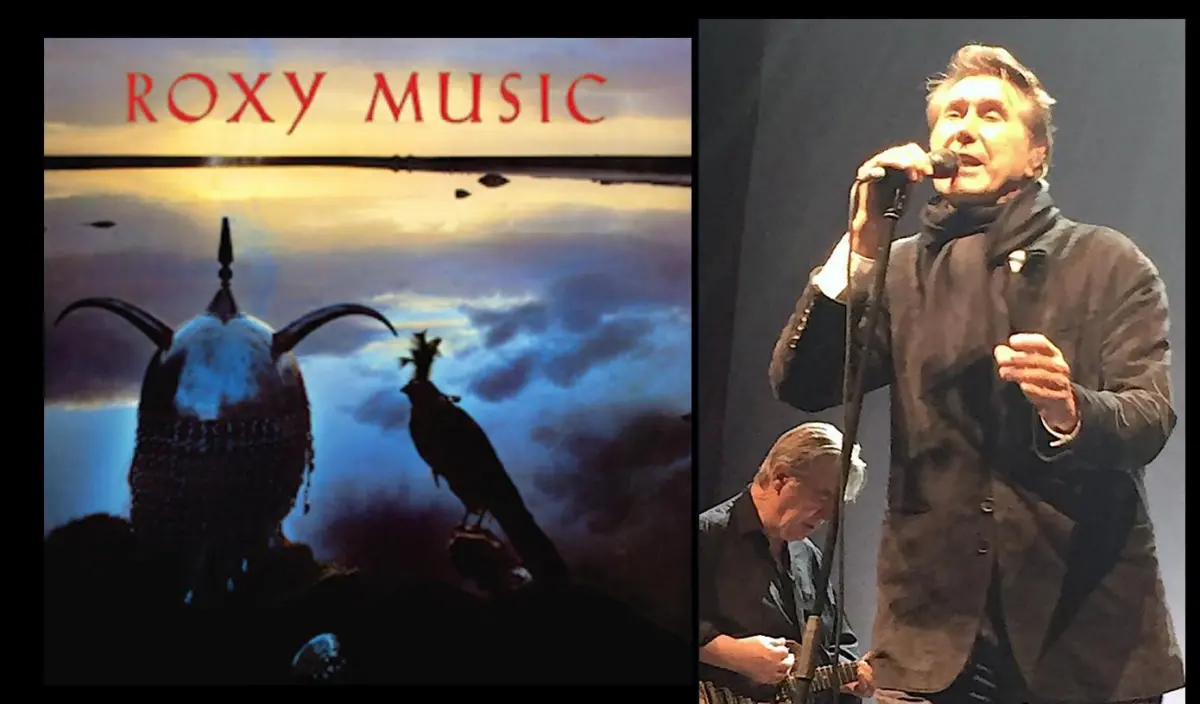
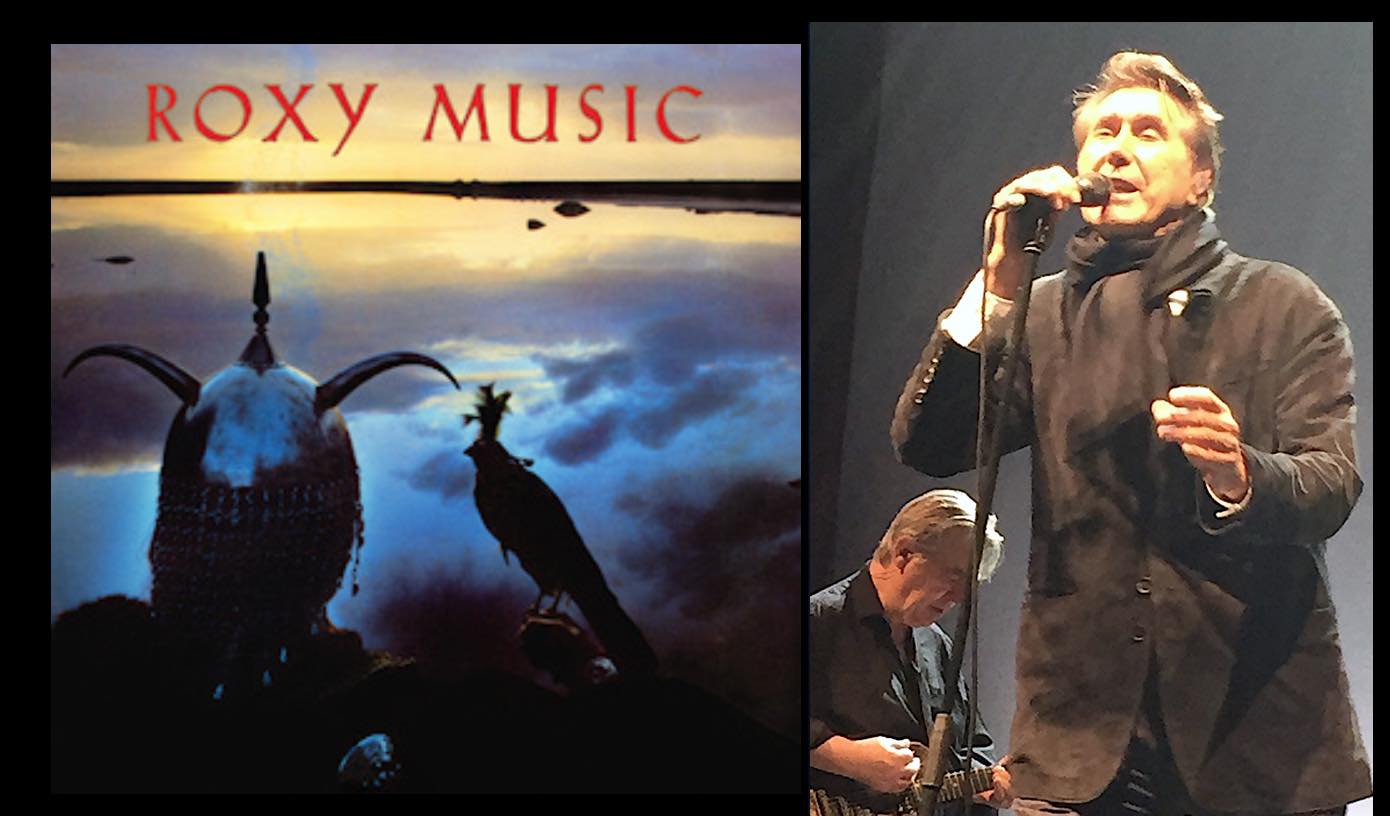
Happy 81st Birthday to singer-songwriter Bryan Ferry, whose elegant, seductive croon and Mod stylings profoundly influenced a generation of glam art rock in the 1970s. As the charismatic lead singer and songwriter for Roxy Music, Ferry helped steer the band to incredible commercial and critical heights, achieving three No. 1 albums and 10 singles that reached the top 10 in the United Kingdom.
Tracks like Street Life, Love Is the Drug, Dance Away, Angel Eyes, Jealous Guy, Avalon, and More Than This cemented Roxy Music’s status as musical innovators who bridged the gap between avant-garde art and mainstream pop appeal. Ferry’s sophisticated persona and distinct vocal delivery set a new standard for rock frontmen, blending high fashion with atmospheric instrumentation.
Transitioning into a formidable solo career, Ferry continued to captivate audiences with hits such as Slave to Love and Don’t Stop the Dance, alongside his 1985 UK No. 1 solo album Boys and Girls. Combined with his work alongside Roxy Music, Ferry has sold over 30 million albums worldwide. His artistic evolution also saw him exploring classic Americana and songbook traditions, notably producing a 2007 LP of Bob Dylan songs titled Dylanesque. In recognition of his monumental contributions to popular music, Ferry was officially inducted into the Rock and Roll Hall of Fame in 2019 as a member of Roxy Music, cementing a legacy that continues to inspire contemporary artists across genres.
The Miraculous Rescue of Soviet Cosmonauts
While musicians were shaping the cultural zeitgeist, other historical milestones unfolded in the most extreme environments imaginable. Decades ago, the lives of two Soviet cosmonauts, Gennady Strekalov and Vladimir Titov, were saved by the only use of an emergency shuttle ejection system in the history of manned spaceflight.
Their Soyuz-U mission was sitting on the launch pad when mission control detected a serious fuel leak in the rockets. A mere 20 seconds before the rockets exploded and obliterated the launch infrastructure beyond repair, Strekalov and Titov were launched 4.5 miles away from the site at Mach 10 in their space capsule. Miraculously, despite the immense forces involved, neither cosmonaut suffered serious injuries.
The two spacefarers celebrated September 26th as their "second birthday" every year afterward. Strekalov continued working as a Russian cosmonaut, eventually spending more than 150 days in space. In 1995, after formally retiring as an astronaut, Strekalov joined the Shuttle-Mir Program, soon returning to active flight status. On March 14, 1995, he flew aboard Soyuz TM-21 to the Mir space station, accompanied by Vladimir Dezhurov and American astronaut Norman Thagard. Designated EO-18, the mission was the first non-US launch to carry an American into space.
Strekalov later departed Mir on the US Space Shuttle Atlantis after 115 days, during which he memorably broke rank with mission control after they ordered an unplanned spacewalk to repair a solar array—an operation Strekalov correctly determined was far too dangerous.
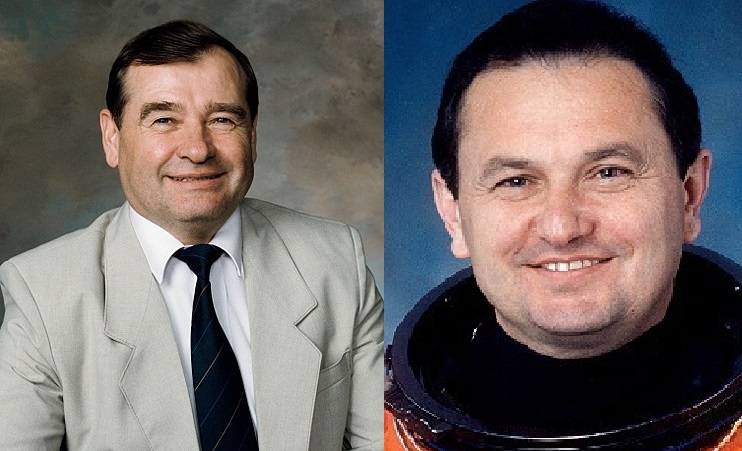
Titov also continued an illustrious flying career following his brush with disaster. On October 28, 1992, NASA announced that an experienced cosmonaut would fly aboard the STS-60 Space Shuttle mission. Titov was named as one of two candidates by the Russian Space Agency for mission specialist training at the Johnson Space Center. He was assigned as a backup mission specialist for Sergei Krikalev, who flew on STS-60, the first joint U.S./Russian Space Shuttle Mission. By September 1993, Titov was selected to fly on STS-63 with Krikalev training as his backup. From February 2 to 11, 1995, Titov served as a mission specialist aboard Space Shuttle Discovery on STS-63, marking the first flight of the new joint Russian-American space program. Mission highlights included a historic rendezvous with the Russian Space Station Mir, the operation of Spacehab, and the deployment and retrieval of Spartan 204.
The Timeless Appeal of The Beatles’ Abbey Road
Back on Earth, the music world was continually reaching new artistic zeniths. Decades ago, Abbey Road, the final recorded album by the Beatles, was released in the United Kingdom, followed shortly by its release in the United States, where it swiftly claimed the number-one spot in both countries.
Although the record was an immediate commercial success, contemporary reviews were mixed. Some critics found its music inauthentic and criticized the production’s artificial effects. By contrast, critics and fans today view the album as one of the Beatles’ finest achievements and consistently rank it among the greatest albums of all time. George Harrison’s two compositions on the record, Something and Here Comes the Sun, are widely regarded as some of the finest songs he ever contributed to the group.
Abbey Road made innovative use of modernized studio technology, including an eight-track recorder and a solid-state transistor mixing desk. During production, Alan Parsons worked as an assistant engineer on the album. Parsons would later engineer Pink Floyd’s landmark album The Dark Side of the Moon and produce numerous popular albums with the Alan Parsons Project. John Kurlander also assisted on many of the sessions, eventually building a successful career as an engineer and producer, most notably for his acclaimed work on the musical scores for The Lord of the Rings film trilogy.
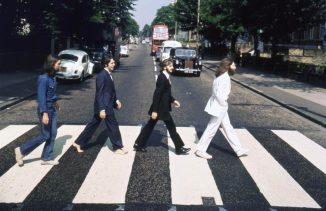
The album’s tracklist features some of the most heavily sampled and enduring songs in pop history. Here Comes the Sun was written by Harrison in Eric Clapton’s garden in Surrey during a much-needed break from stressful band business meetings, while Octopus’s Garden was written and sung by Ringo Starr following a trip to Sardinia. Come Together evolved from a song John Lennon originally wrote for Timothy "The Pope of Dope" Leary’s California gubernatorial campaign against Ronald Reagan.
Humanitarian Efforts and Averting Global Crisis
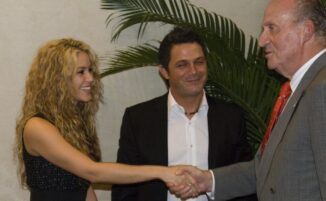
Cultural milestones often extended beyond entertainment into global philanthropy and diplomacy. Charitable foundations established by global icons have frequently stepped in during times of immense need. Decades ago, a charitable foundation set up by Colombian singer and songwriter Shakira—often heralded as the "Queen of Latin Music"—donated $40 million to help victims of natural disasters. The substantial funds were pledged toward repairing the devastating damage caused by an earthquake in Peru and a hurricane in Nicaragua. An additional $5 million from the foundation was allocated toward improving health and education systems across four Latin American countries.
In the realm of global security, history was shaped not just by music and philanthropy, but by extraordinary acts of individual restraint. On this day in 1983, Soviet Lieutenant Colonel Stanislav Petrov single-handedly averted a worldwide nuclear war when he chose to trust his intuition over automated computer systems. Even when warning screens indicated that the United States had launched a massive nuclear missile attack against the Soviet Union, Petrov held his ground.
At the time, the country was already on high alert, deeply anticipating potential retaliation following the tragic downing of a Korean Air Boeing 747. With no outside confirmation and only minutes to analyze the data, Petrov made the monumental decision to classify the warning as a system malfunction, preventing a retaliatory strike that could have resulted in global devastation.
Cinematic Triumphs
The celebration of cultural history also encompasses the silver screen, where timeless stories have been brought to life through unforgettable music and performances. Decades ago, the Oscar-winning musical drama Oliver! premiered in movie theaters worldwide. Based on the classic Charles Dickens novel Oliver Twist, the film featured a treasure trove of memorable musical numbers composed by Lionel Bart, including Food, Glorious Food, Consider Yourself, I’d Do Anything, and You’ve Got to Pick a Pocket or Two.
Oliver! captured the hearts of audiences and critics alike, earning eleven Academy Award nominations and taking home six Oscars. Among its wins were Best Picture, Best Director for Carol Reed, and an Honorary Award presented to choreographer Onna White for her vibrant staging of the film’s massive musical sequences. From the opening notes to the final curtain, these historical anniversaries remind us of the enduring power of human creativity, courage, and resilience across generations.