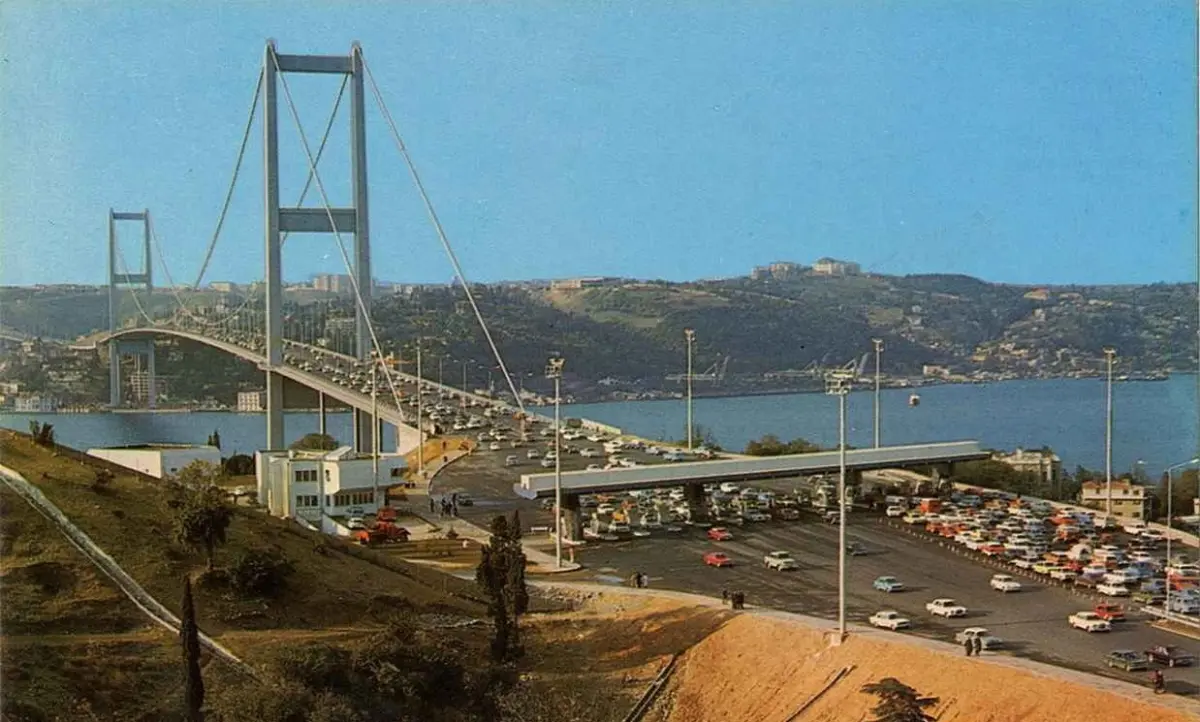

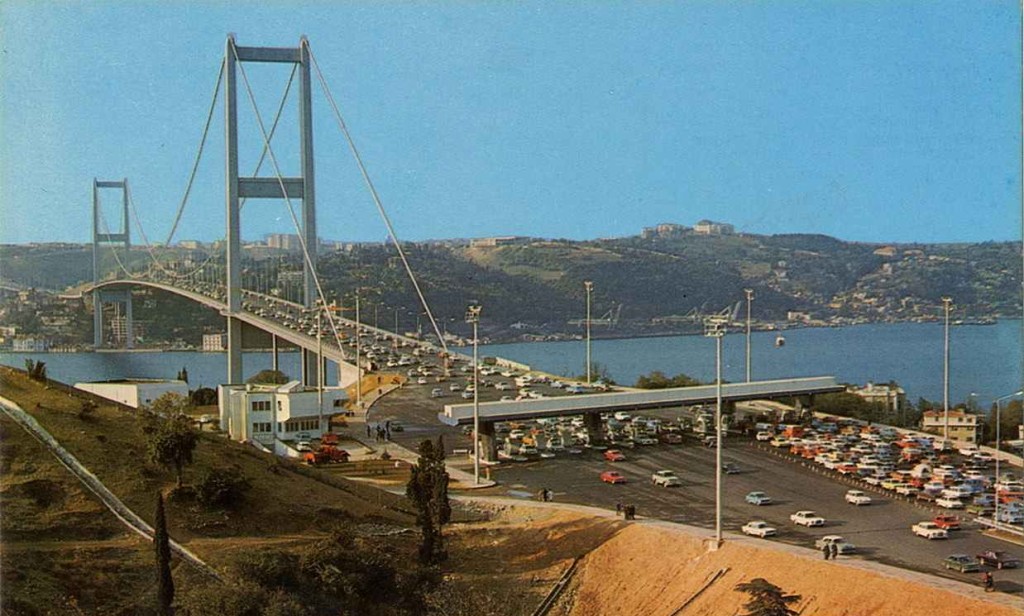
Fifty-three years ago today, a monumental engineering feat reshaped the geography and infrastructure of transcontinental travel when the Bosporus Bridge was officially completed. For the first time in modern history, a permanent physical link was established between mainland Europe and Anatolia over the deep blue waters of the Bosporus Straits in Istanbul, Turkey. Designed as a gravity-anchored suspension bridge featuring slender steel towers and inclined hangers, the landmark structure stood proudly upon its completion as the fourth-longest suspension bridge in the world.
Yet, the ambition to bridge the Bosporus spans far deeper into the annals of human history than the twentieth century. The ancient Greek writer Herodotus documented in his seminal work, Histories, that as early as the reign of Emperor Darius the Great of the Achaemenid Empire between 522 BC and 485 BC, a brilliant engineer named Mandrocles of Samos constructed a temporary pontoon bridge across the straits. This ancient marvel successfully connected Asia to Europe, allowing Darius to swiftly pursue fleeing Scythian forces and position his formidable army deep within the Balkans to overwhelm Macedon.
According to historical lore, when a ferocious storm eventually destroyed the pontoon bridge, an enraged Darius ordered his soldiers to punish the waterway by giving the Bosporus one hundred lashes, famously denouncing it as "wicked water." Millennia later, the alluring challenge of spanning the straits continued to captivate great minds. In 1502 or 1503, the legendary polymath Leonardo da Vinci proposed an ambitious design for a single-span suspension bridge over the Bosporus to Sultan Bayezid II, though the visionary concept remained unbuilt during his lifetime.
The historical resonance of October 30 extends far beyond engineering marvels into the geopolitical turning points of the twentieth century. Eighty-five years ago today, United States President Franklin D. Roosevelt authorized an additional one billion dollars in crucial funding through the Lend-Lease Act to support Great Britain in its solitary stand against Nazi Germany.
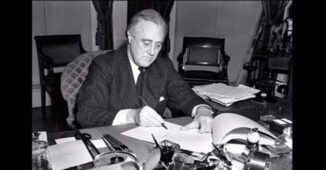
Although President Roosevelt had recently been re-elected on a staunch political platform promising to keep the United States out of foreign military entanglements, he remained deeply committed to helping Prime Minister Winston Churchill and the British people defeat the Axis powers, which had already swiftly overrun nations like France and Poland. Formally titled "An Act to Promote the Defense of the United States," the landmark legislation allowed the American government to provide massive material intervention years before troops formally entered the global conflict.
Over the course of four years, the sweeping aid program expanded to support the Soviet Union, Free France, China, and other Allied nations. Shipments included vital commodities such as food, oil, industrial equipment, advanced weaponry, heavily armed warships, and state-of-the-art warplanes. The assistance was largely provided without immediate monetary payment, though the United States received valuable long-term leases on strategic military bases across Allied territories in return. Ultimately totaling approximately fifty billion dollars—amounting to a staggering half-trillion dollars in modern equivalent values—the aid accounted for roughly seventeen percent of total United States wartime expenditures. Recognizing the sheer scale of the contribution, Soviet leader Joseph Stalin later acknowledged the program’s decisive impact, declaring that without American industrial and agricultural production, the Allies could never have won the war.
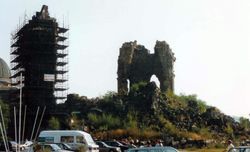
The date also marks moments of cultural restoration and historic broadcasts that forever transformed public entertainment. On this day in 2005, the magnificent Frauenkirche church in Dresden, Germany, was officially re-consecrated following a painstaking thirteen-year reconstruction project. The historic house of worship had been reduced to smoldering rubble during the devastating Allied firebombing of the city toward the end of the Second World War. The monumental rebuilding effort was heavily energized by more than ten million dollars in grassroots donations sourced from around the globe, aided significantly by a major financial contribution and tireless organizational fundraising spearheaded by an American citizen who had first encountered the ruined church as a young child.
Decades earlier, on October 30, 1938, a piece of radio theater unintentionally plunged portions of the United States into widespread panic. CBS broadcast a nationwide radio drama titled The War of the Worlds as part of its Halloween programming block for The Mercury Theatre on the Air. Produced, directed, and narrated by the multi-talented young actor and future cinematic auteur Orson Welles, the program was an adaptation of H. G. Wells’ classic science fiction novel.
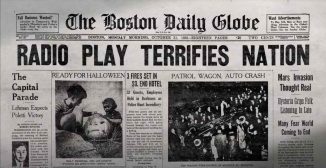
Because many listeners tuned in late and missed the opening disclaimer clarifying that the broadcast was entirely fictional drama, thousands of panicked Americans believed that hostile Martian invaders had genuinely landed in Grover’s Mill, New Jersey. The production had utilized a realistic news-bulletin format, seamlessly interrupting an ordinary evening of dance music to broadcast urgent reports of strange explosions of incandescent gas traveling through space from the Red Planet. The ensuing cultural phenomenon instantly cemented the broadcast into media history as one of the most famous examples of the profound power and reach of broadcast radio.
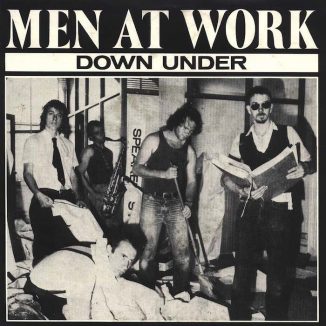
In the realm of international music, October 30 also holds a celebratory place for chart-topping success. On this day in 1982, the acclaimed Australian rock band Men At Work surged to the number-one spot on the United States music charts for the very first time with their breakout hit single, "Who Can It Be Now." Formed in Melbourne in 1978 by singer-songwriter Colin Hay on lead vocals and guitarist Ron Strykert, the group captured global attention with their energetic rhythms, reggae-infused sensibilities, quirky sense of humor, and unforgettable saxophone and flute hooks delivered by the late Greg Ham. The widespread international success of the single paved the way for their debut studio album, Business as Usual, which ultimately earned them the prestigious Grammy Award for Best New Artist.
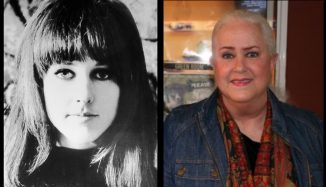
The date also marks the birthdays of several iconic figures who left indelible marks on modern culture, television, and rock history. Grace Slick, the celebrated singer-songwriter and musician who became an unmistakable voice of the mid-1960s San Francisco psychedelic rock movement with Jefferson Airplane and later Jefferson Starship, celebrated her birthday. Blessed with a powerful and soaring vocal range, Slick helped define an entire generation of counterculture music through timeless anthems such as "White Rabbit," "Somebody to Love," "We Built This City," and "Nothing’s Gonna Stop Us Now." Following her retirement from the music industry after decades of performing, she transitioned into a successful career as a fine artist, dedicating her creative energies to painting after achieving long-term sobriety. Demonstrating her enduring commitment to progressive causes, she famously granted permission for a television commercial to use the 1987 hit "Nothing’s Gonna Stop Us Now" and promptly donated her entire share of the proceeds to an advocacy organization supporting the LGBTQ community.
Joining the day’s roster of celebrated birthday figures is the beloved actor, comedian, director, and producer Henry Winkler, who marks another year of a remarkably diverse career. Winkler achieved worldwide superstardom early in life through his iconic portrayal of Arthur "The Fonz" Fonzarelli, the lovable, motorcycle-riding cultural touchstone on the long-running television sitcom Happy Days. Landing the breakout role on his twenty-seventh birthday, Winkler transformed what was initially intended to be a minor supporting character into the central anchor of the entire program.
Beyond his television legacy, Winkler maintained a prolific career across stage and screen, earning critical acclaim and a Primetime Emmy Award for his memorable supporting performance in the dark comedy series Barry, alongside standout recurring roles in acclaimed comedies like Arrested Development and Parks and Recreation. Away from the camera, Winkler has channeled his personal life experiences—specifically his long struggle with undiagnosed dyslexia during his youth, which often left him feeling alienated—into a prolific second career as a children’s author. Collaborating with writer Lin Oliver, he has co-written dozens of children’s and young adult books designed to reach young readers who feel like outsiders, reinforcing a message of empathy, resilience, and creative expression that continues to resonate with new generations of fans.