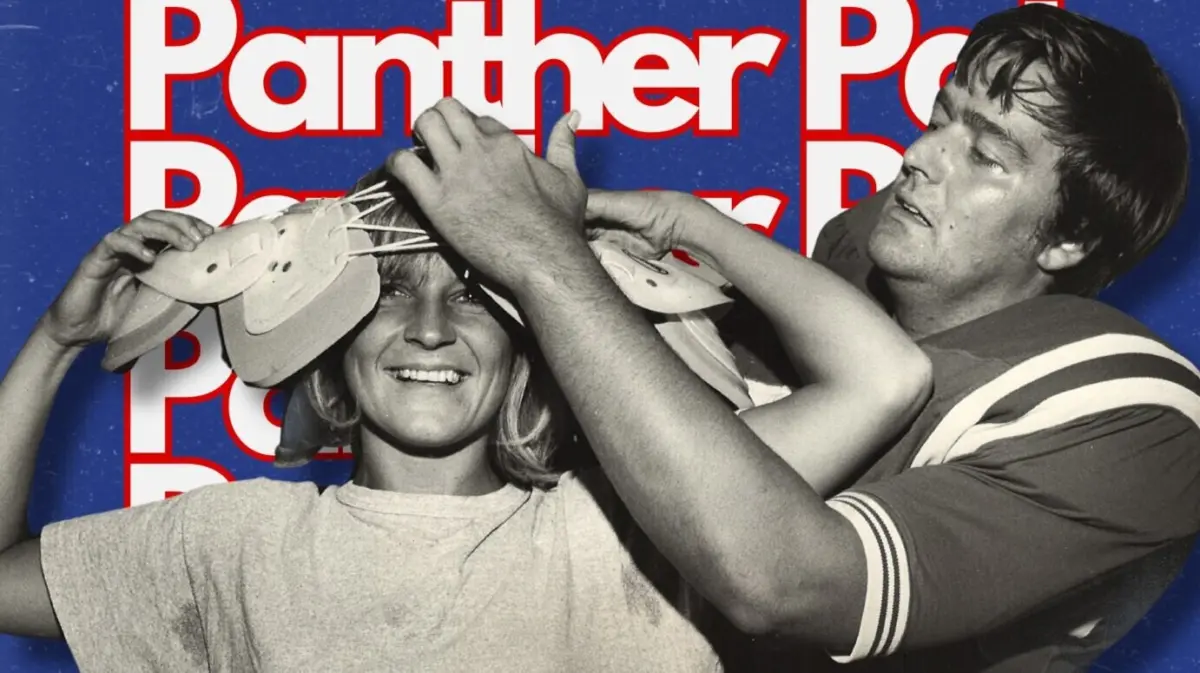
More than five decades later, filmmaker Ashley Brandon is ensuring that Palinkas’s remarkable story finally receives the enduring recognition it deserves—with a little unexpected help from Barbie and stop-motion animation.
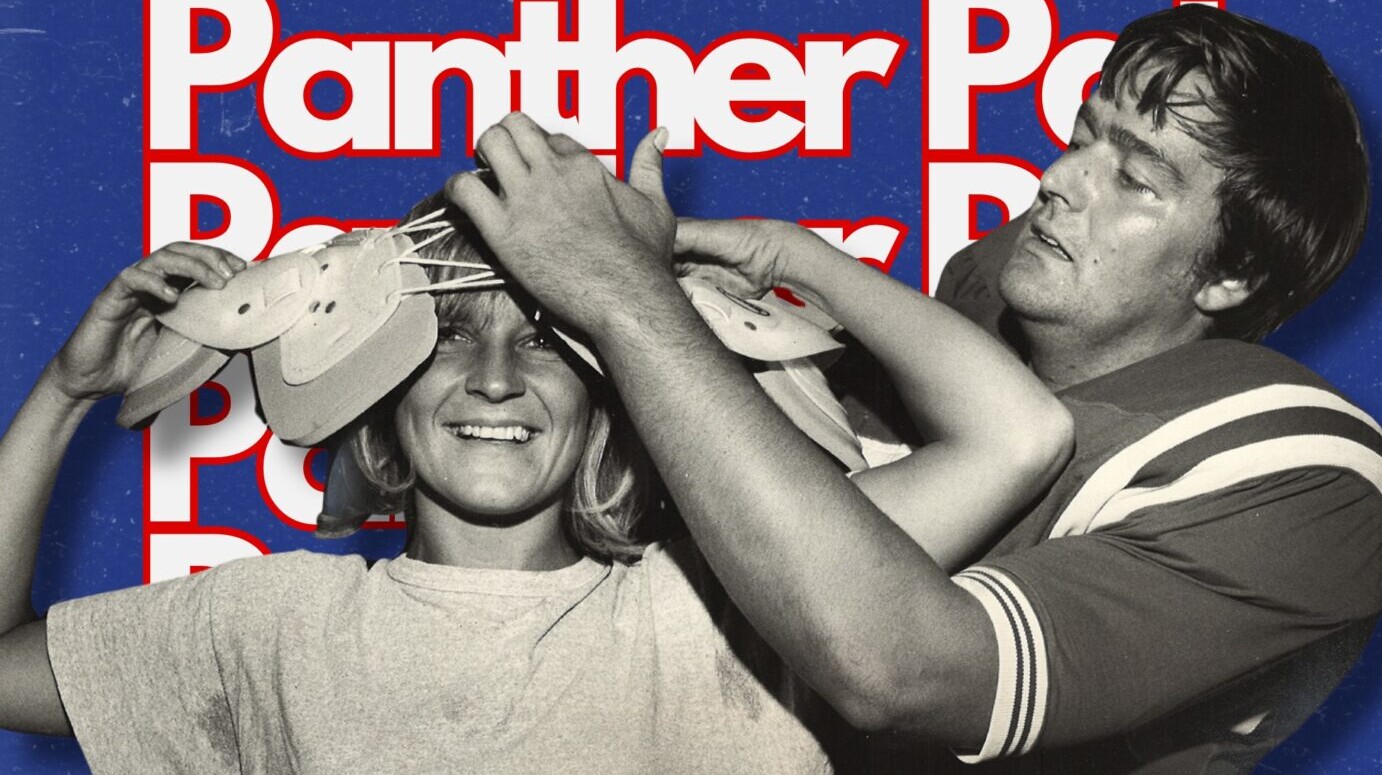
"Panther Pat," Brandon’s critically acclaimed 12-minute documentary short, breathes vibrant new life into the forgotten history by pairing audio interviews with Palinkas and historical archival materials alongside meticulously staged scenes constructed using dolls, toys, and stop-motion animation. The creative approach has struck a chord with festival circuits and audiences alike, earning the Grand Jury Prize for Documentary Short at the 2026 Slamdance Film Festival, screening at Tribeca, and securing an official Oscar qualification. The project has also drawn high-profile creative backing, with NFL legend Eli Manning and veteran broadcaster Robin Roberts recently joining the team as executive producers.
The film is part of a broader collaborative slate spearheaded by JoyDrops, an initiative that champions awards-eligible documentary shorts centered around joy, serving as a deliberate counterweight to a category within the film industry that is frequently dominated by tragedy and heavy subject matter. Through a partnership with the Good News Network, JoyDrops aims to spotlight these uplifting films and foster deeper conversations with the creative minds bringing these stories to the screen.
A Footnote That Became a Film
For Brandon, who serves as an associate professor of film, television, and media arts at Quinnipiac University, football has been a lifelong passion. Growing up immersed in the culture of the sport because of her father’s career as a football coach, she harbored a deep affinity for the game from an early age.
"I’m obsessed with football. It’s the number one sport I follow," Brandon reflects. "I grew up around it because my dad, my whole life, has been a football coach."
Despite her intimate familiarity with the sport and her deep-seated love for the game, structural barriers kept her on the sidelines during her youth. She was never permitted to join an official organized team, restricted instead to casual games of backyard football played alongside neighborhood boys and the children of other coaches.
"I got to play backyard football with the boys and the other coaches’ sons, but that was really as far as it went," she recalls.
Brandon always nurtured a quiet ambition to direct a football-themed cinematic project, but the specific subject matter eluded her until she relocated to Connecticut. While browsing through a local bookstore, she picked up a used volume chronicling the history of football within the state. Leafing through its pages, she came across a profile of the semi-pro Bridgeport Jets, the opposing team that faced Pat Palinkas during her historic professional debut. Tucked away near the end of the profile was a single, passing sentence detailing Palinkas’s groundbreaking appearance on the field.
"It said nothing else," Brandon notes, recalling the moment of discovery. "Pero yo dije, whoa, that’s the most interesting thing in this entire, kind of boring book."
Driven by curiosity, Brandon began extensive historical research that ultimately led her to Pat Palinkas, who was then living in Clearwater, Florida. Rather than making a standard cold call, the filmmakers chose a more deliberate, personal approach, opting to write her a physical letter.
"We felt like it would be more genuine," Brandon explains. The gesture resonated with Palinkas, who promptly wrote back, paving the way for production on the documentary to officially commence in 2021.
When the Archive Runs Out, Grab the Dolls
The documentary’s signature visual aesthetic—blending traditional historical elements with whimsical miniature staging—came together largely out of sheer necessity. The production team quickly realized that despite the historical significance of Palinkas’s feat, there was a severe scarcity of surviving film footage or photographs to properly illustrate her stories on screen.
"This was my first film that incorporates archival, and it’s really important before you start an archival movie that you make sure there’s an archive," Brandon says.
The creative solution to this substantial production hurdle came directly from Palinkas’s own recollections. As the filmmakers reviewed their recorded interviews, they kept returning to an anecdote the former player shared about her childhood: whenever she expressed a desire to play football growing up, she was repeatedly told that girls were supposed to play with dolls.
Faced with severe financial limitations regarding traditional re-enactments, Brandon leaned into the irony of that childhood directive. "We don’t really have the budget to hire actors and make it look like the ’70s and fill a stadium," Brandon notes. "কিন্তু আমার মনে হয় আমাদের বাজেটে কিছু বার্বি এবং পুতুল কেনার ক্ষমতা আছে।"
What initially began as a budgetary fallback plan quickly transformed into the creative core and beating heart of the finished film. Reflecting on the artistic pivot, Brandon expresses gratitude for their initial resourcefulness. "We’re so happy that we were so naive," she says, adding that the constraint "allowed us to be super creative."
The lighthearted, playful aesthetic also serves as a bridge to audiences who might not ordinarily gravitate toward sports programming. According to the director, the technique successfully wins over viewers "who maybe don’t love football and don’t love sports, but they love the playfulness of the dolls."
For Brandon herself, the process represented an entirely new artistic frontier. "I was never the doll girl," she admits with a laugh. "I finally got into it in my 30s."
A Teacher’s Story, Made for Young Audiences
Tragically, Pat Palinkas passed away in the summer of 2025, just months before the documentary was fully completed. The timing remains a source of deep sorrow for the creative team.
"It’s one of the things that we regret the most, that we weren’t able to get it finished in time," Brandon shares. "But I know that she was waiting for years for this story to get out there."
Despite her passing before the film’s festival run, Palinkas’s family has warmly embraced the project. Brandon notes that her family members had always harbored a sense of quiet amazement that the broader public remained largely unaware of what their mother had accomplished decades prior. Furthermore, the use of toys and miniature figures felt fitting for a woman who spent her professional career working as an elementary school teacher.
"She was painting a picture in front of you," Brandon says, describing Palinkas’s engaging storytelling style. She believes that utilizing toys will inherently help Pat’s message connect meaningfully with the young audiences she dedicated her life to teaching.
Throughout the course of the short film, a small doll sits quietly watching television as various women appear on screen serving in the capacities of players, coaches, referees, and enthusiastic fans.
"Ultimately, the goal is to see themselves represented," Brandon explains of the thematic intent behind the imagery. "You can do it. Pat did it, so of course you can do it too."
Not Every Short Doc Has to Be a ‘Short Sad’
"Panther Pat" serves as a prime example of the ethos driving the JoyDrops slate, a curated collection of documentary shorts that pushes back against a common industry trope—famously joked about by late-night host and Oscar host Conan O’Brien—that the documentary short category inherently defaults to tales of heavy tragedy and hardship.
Brandon is careful to clarify that she holds deep respect for serious, hard-hitting non-fiction filmmaking. "We love those stories that are sad and super serious. They’re very important," she says. "But it’s also really important to make sure that we’re telling stories of joy as well, because that makes the world a better place. And even in the hardest of times, there are still very joyful things to celebrate."
In her view, the short documentary format functions as "a really radical space" unburdened by rigid commercial rules, allowing for boundless experimentation and unexpected tones.
"I’ve always really gotten a lot of joy from surprising people," she reflects. "If I wasn’t working in documentaries, I wanted to design roller coasters."