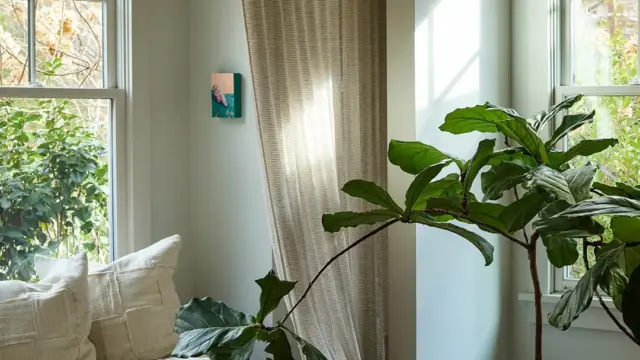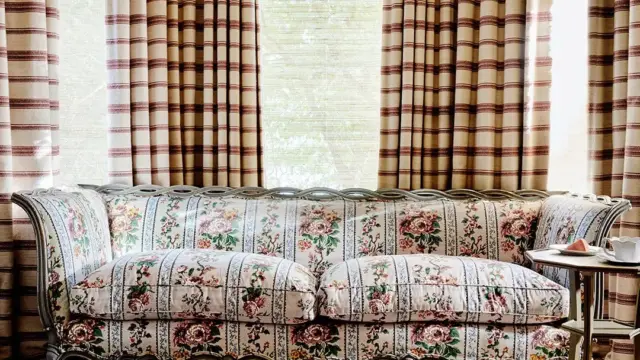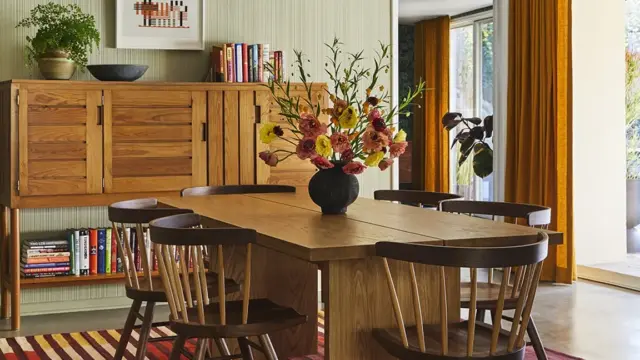
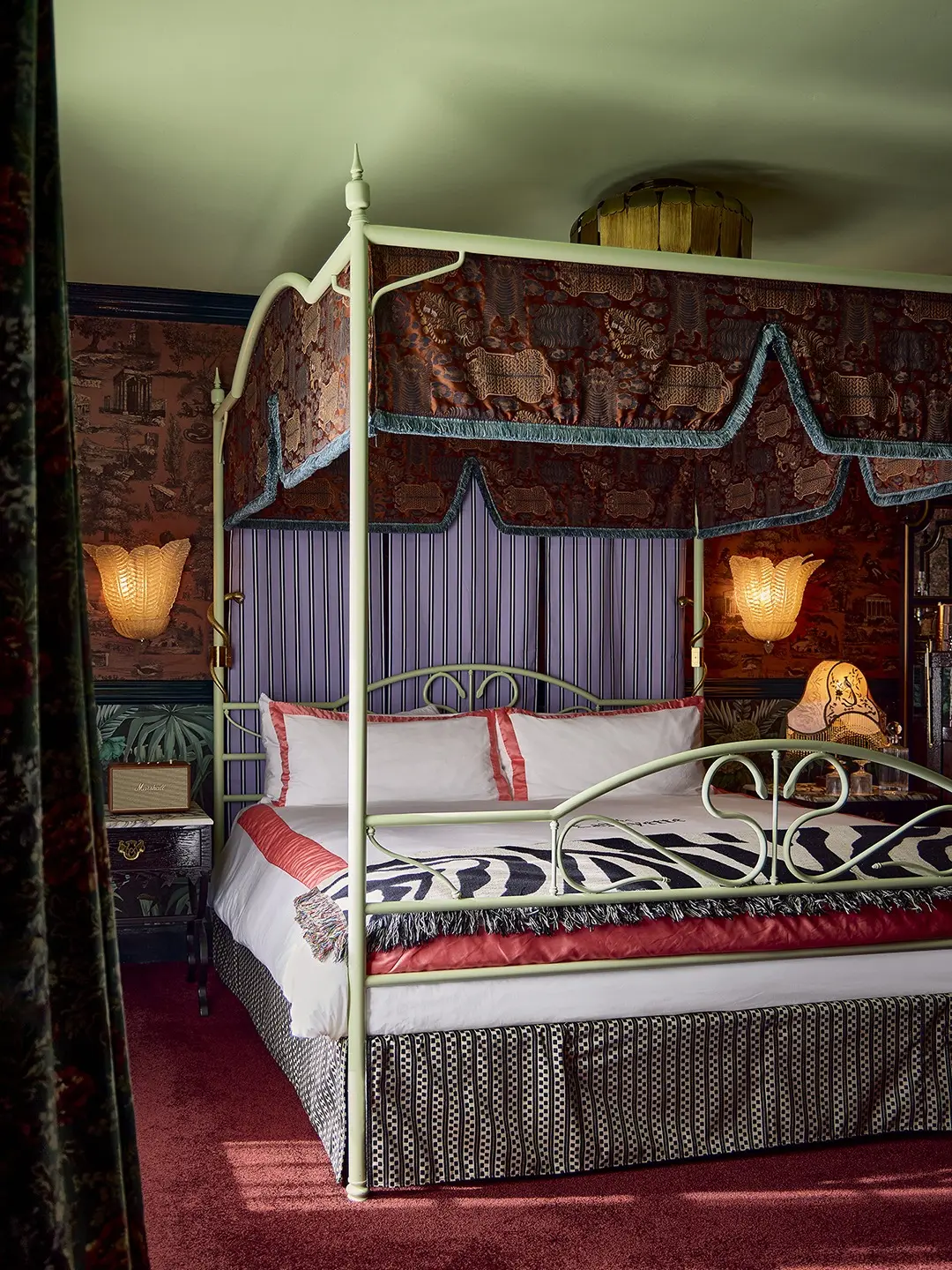
Today, however, the design philosophy and personal inclinations of the founders have evolved. "We like to be in bed early to read," Caldwell says. This shift in perspective is far from accidental; it is directly reflected in the bedrooms Post Company designs, which are immensely inviting and frequently stocked with everything a guest might realistically need throughout the course of a day, ranging from a breakfast table and a dedicated workspace to a thoroughly appointed mini bar.
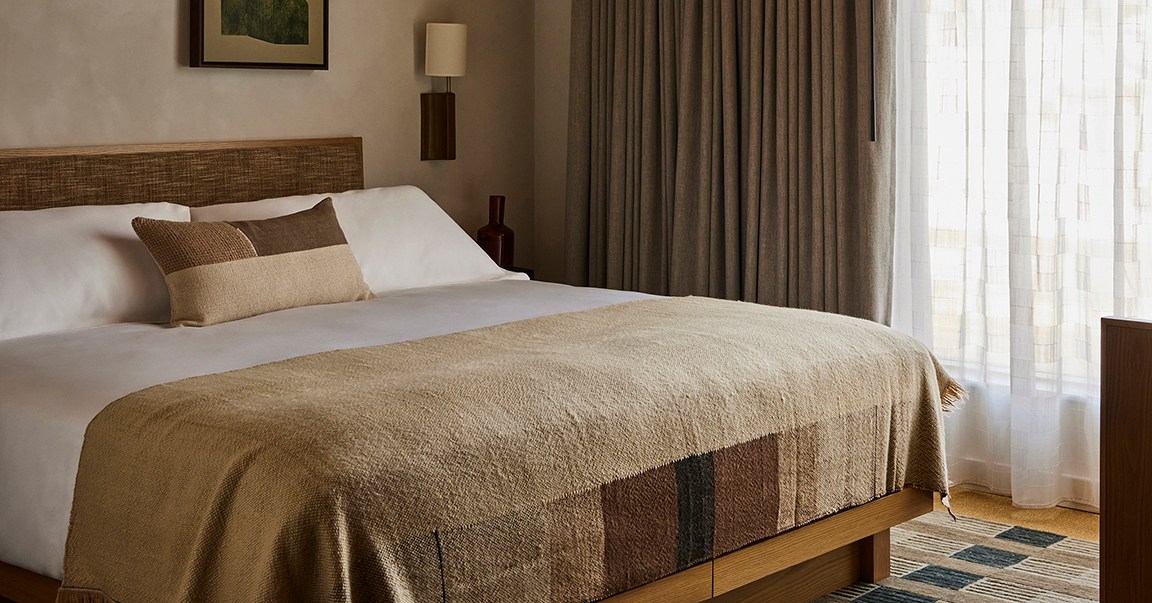
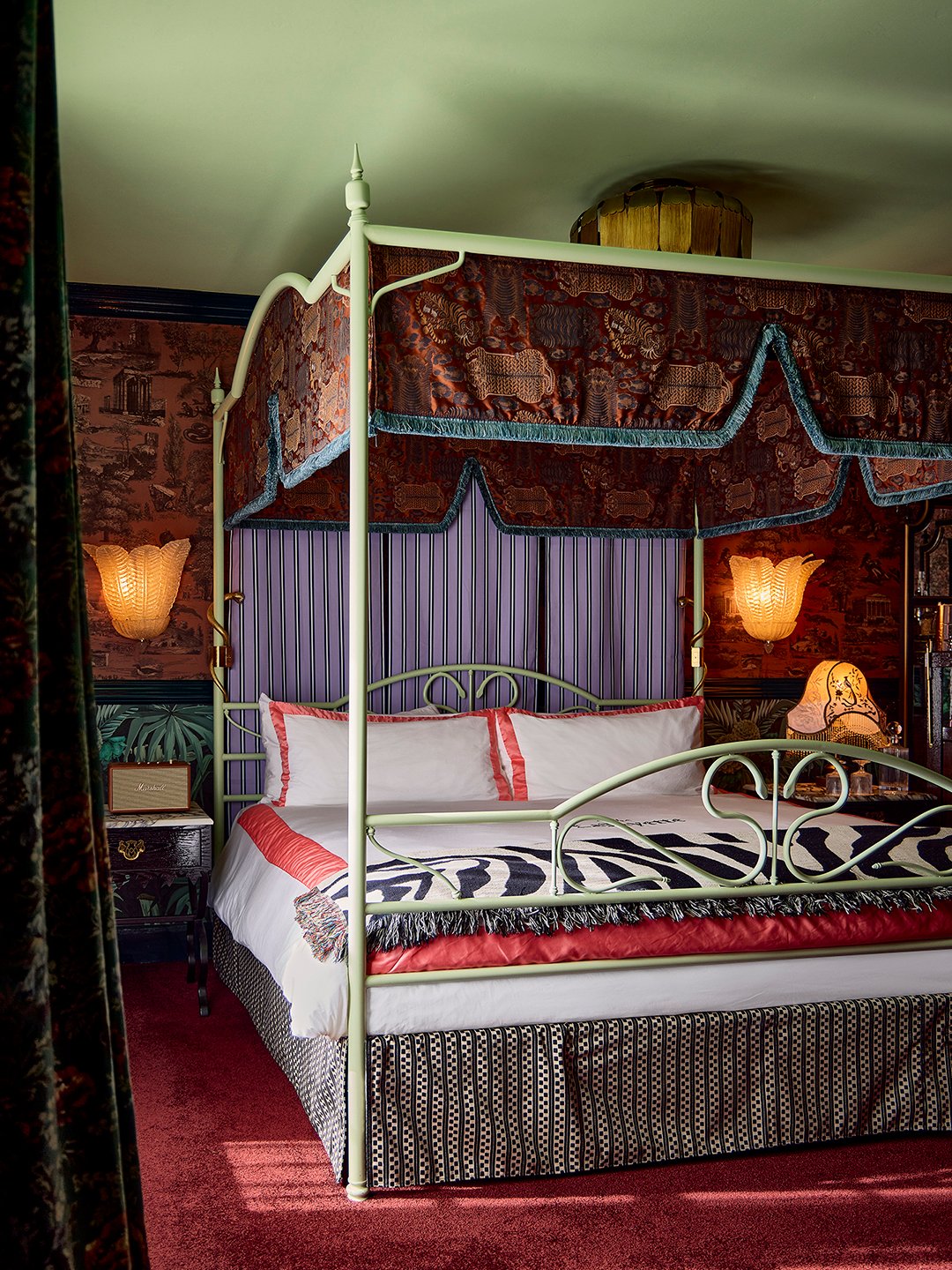
The firm’s talent for creating immersive, retreat-worthy sleeping quarters has been a hallmark of their work from the very beginning. This comprehensive body of work is captured in their newly published debut monograph, Post Company: Character Studies, released through Phaidon. The book presents fifteen distinct projects that showcase the studio’s signature aesthetic versatility. Among them are spaces like Inness, the Hudson Valley hotel shaped by Shaker-inspired simplicity, and The Lafayette Hotel and Club, a sprawling 139-room property in San Diego defined by an abundance of fringe and tassels.
While the trio’s combined expertise has largely been forged in the realm of boutique hospitality, it translates seamlessly into their high-end residential projects, a carefully curated selection of which also appears in the publication. Although every sleeping quarter the firm designs possesses a unique character tailored to its specific architectural envelope, they all share a remarkably cohesive, cozy quality. This consistency is achieved through a rigorous adherence to interior planning principles. "The height of bedside lamps, the accessibility of outlets, the space between the bed and the wall—there are a ton of rules we generally apply when we’re doing these kinds of projects," Caldwell explains.
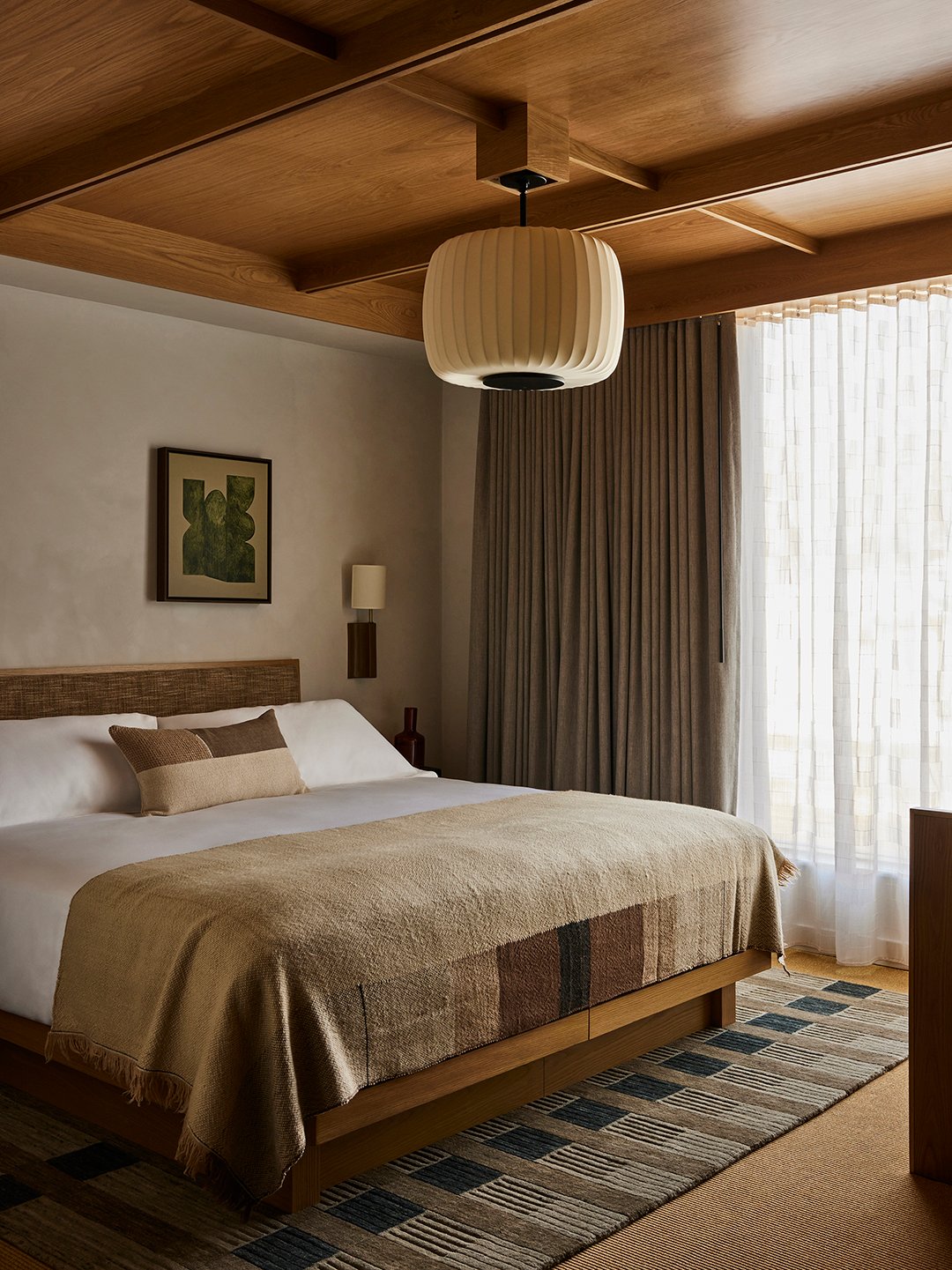
To understand what makes these spaces so compelling, Chou and Caldwell outline the fundamental architectural and decorative choices that transform a standard bedroom into a cult-favorite getaway.
Creating Anticipation and Spatial Flow
If the designers can help it, the bed is rarely the first piece of furniture a visitor encounters upon crossing the threshold of a room. Instead, Post Company prefers to curate a sense of anticipation and theatrical reveal. One favored technique involves lining the bedroom entryway with built-in closets. "We often use that in spaces to create a threshold and additional storage," Caldwell shares, noting that this architectural move accomplishes multiple goals simultaneously by defining the transition from public zones to private quarters while maximizing functional utility. Alternatively, a visitor might walk into a bedroom only to discover an inviting sitting area or a long dining table before ever laying eyes on the bed itself.
Prioritizing Longevity Over Fleeting Technology
Visitors to Post Company hotels will not find lamps with integrated outlets or headboards equipped with modern USB-C ports, and that same low-tech sentiment governs their residential commissions. Rather than chasing rapidly evolving electronic conveniences that risk becoming obsolete within a few years, the firm emphasizes timeless infrastructure. "We try to future-proof with proper placements of traditional duplex outlets that have stood the test of time," Chou says. Because design trends and charging standards are in a constant state of flux, the studio firmly believes it is best to stick to the electrical basics.
Designing Multi-Functional Living Spaces
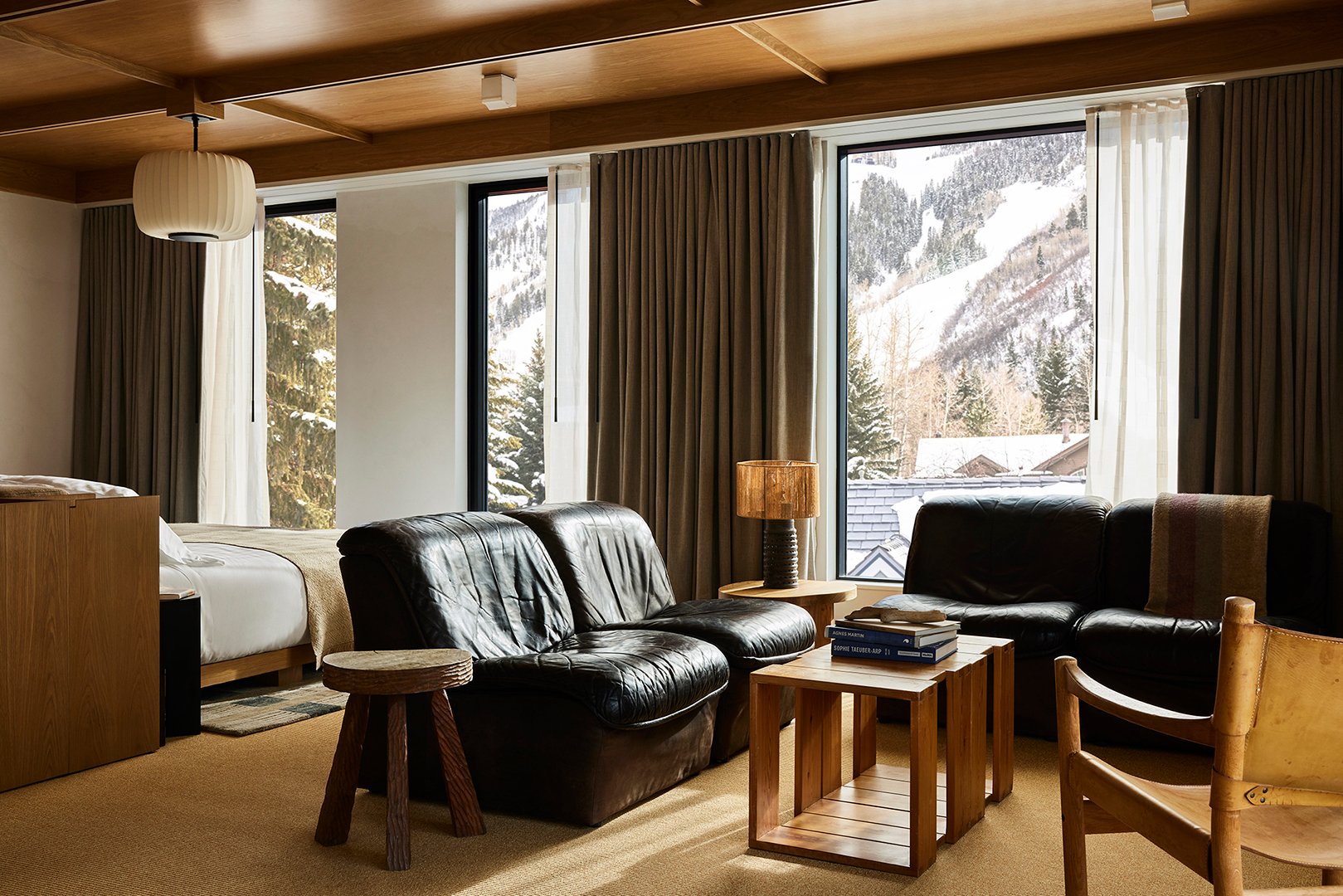
The studio’s approach to bedroom layout is rooted in the conviction that sleeping quarters should serve multiple purposes throughout the day. "We’re always interested in creating a few different experiences within the room; not just a space where you’re going to sleep," Caldwell notes. By incorporating elements such as a worn-in vintage leather sofa, a linen slipcovered armchair, or a small bistro table, the designers ensure that the room accommodates various activities at different hours, whether a client needs a quiet spot to catch up on emails or a comfortable surface to enjoy late-night takeout food.
Reevaluating the Scale of the Nightstand
For Caldwell, the ideal bedside table is one that is scaled specifically to meet the occupant’s practical storage needs rather than adhering to rigid minimalist aesthetics. During a recent residential project, he became so immersed in analyzing a client’s nightly routine—evaluating details such as where their phone rests while they sleep and whether they bring a glass of water to bed—that the process resulted in the creation of a custom 24-by-24-inch table featuring a built-in drawer designed expressly for stashing away clutter. "All those conversations around how people actually live are really for us what drive the outcome," he explains.
Embracing Warmth in Wall Treatments
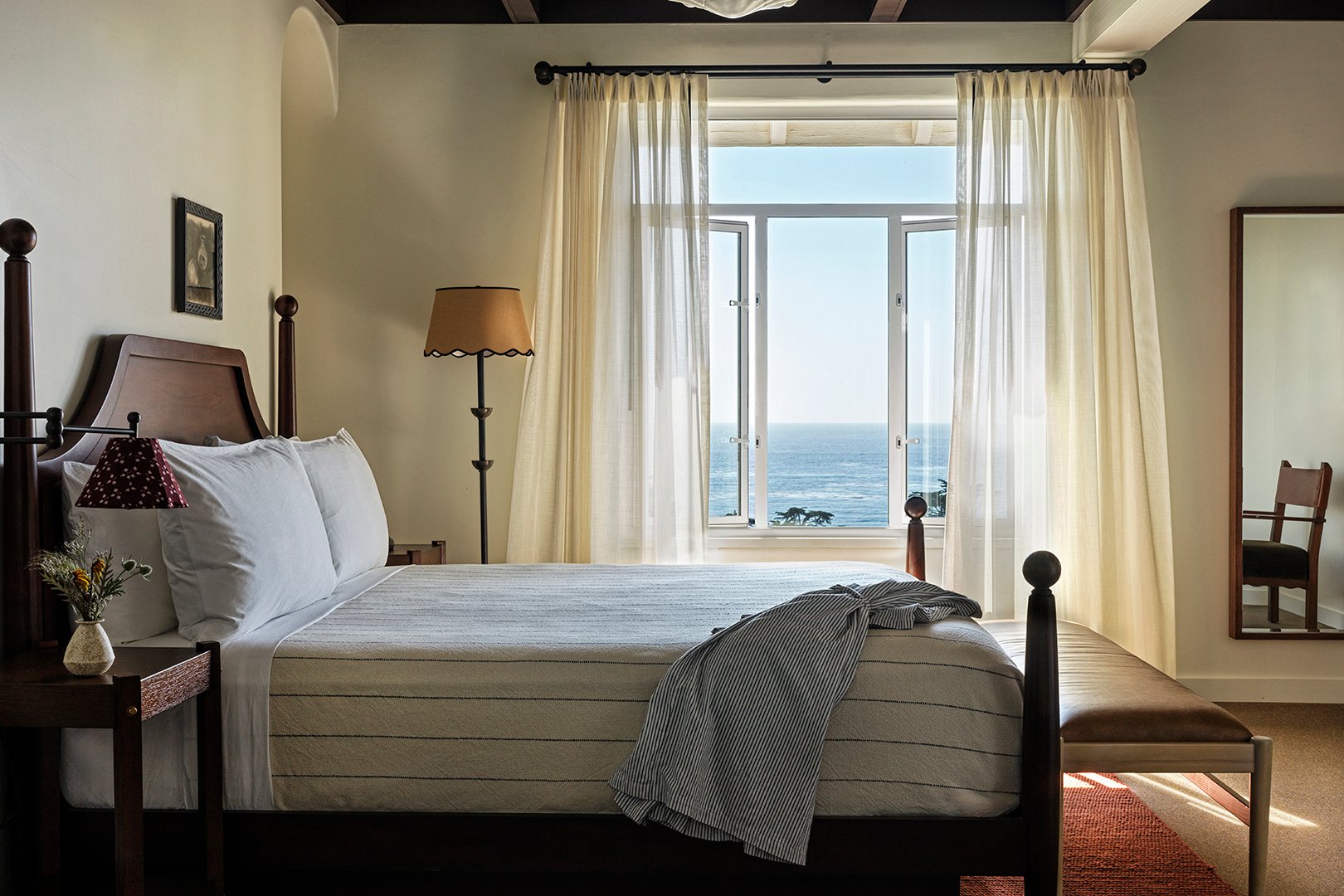
While Post Company has demonstrated a willingness to embrace moody, atmospheric bedroom hues—such as the dark gray limewash utilized in a notable New York renovation—the designers typically gravitate toward softer, warmer tones of white. Chou points to specific favorites like Farrow & Ball’s School House White and Portola’s Kashmir as reliable choices that bring depth and subtle character to a space without overwhelming it.
Layering Lighting for Complete Control
Recused lighting is virtually nonexistent in the firm’s design vocabulary. "We almost never use recessed lighting," Caldwell insists. Instead, the studio favors a layered approach that incorporates a diverse mix of fixtures, including ceiling pendants, task lights, and floor lamps, within a single space. This strategy guarantees that occupants retain complete control over the room’s atmosphere, easily shifting from bright, functional illumination required for getting dressed to a dim, intimate glow. "It really helps add intimacy and warmth to the room," Chou adds.
Sticking to Solid-Colored Bedding
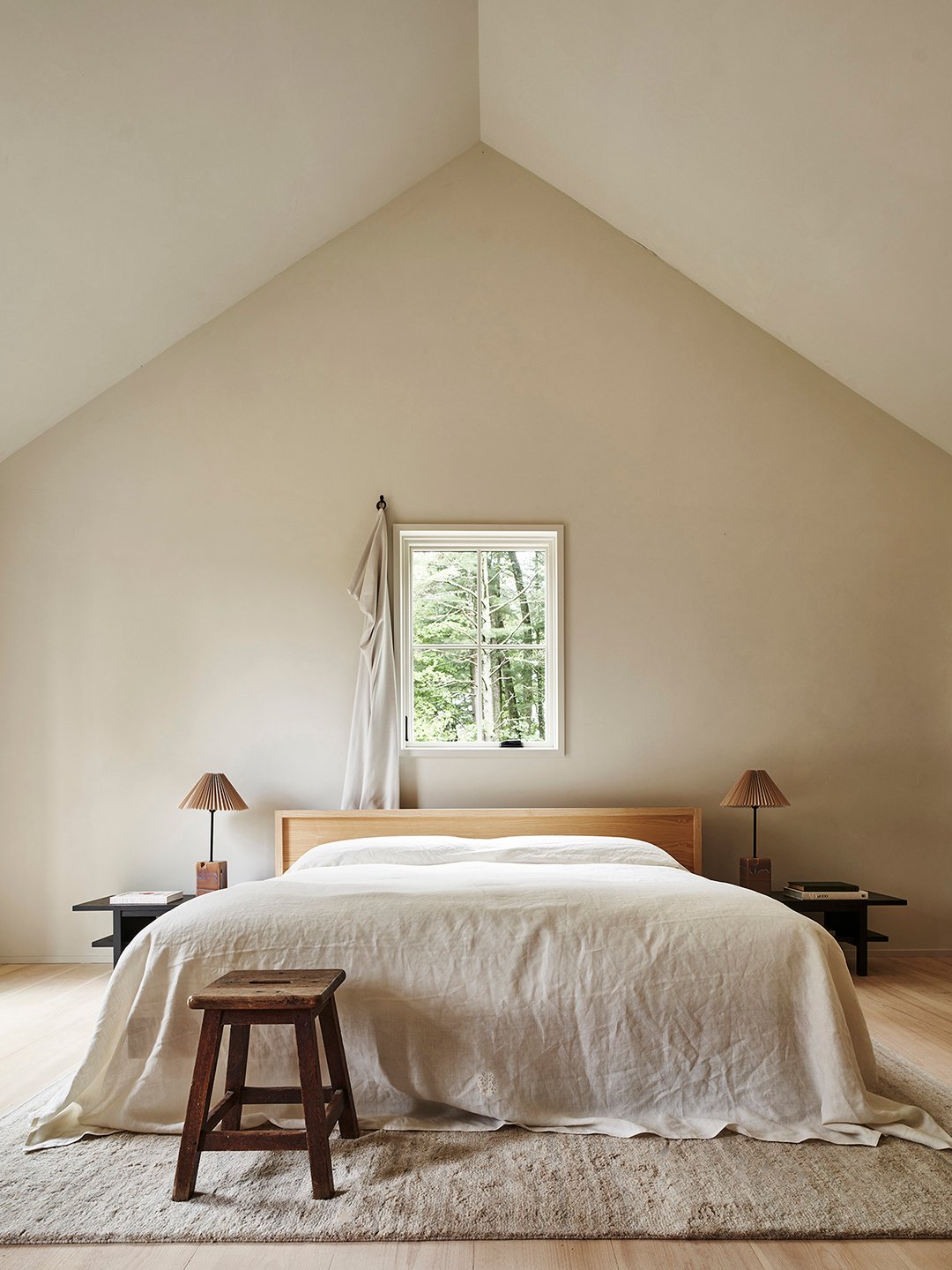
When clients inquire about incorporating patterned sheets or decorative pillowcases into their bed styling, the designers offer a definitive perspective. "We’re pretty much a hard no on it," Caldwell says. Instead, his preferred approach centers entirely on restraint and tactile quality. "Solid colors. Just white. Percale. Linen." Despite his strict adherence to solid textiles for clients, Caldwell admits to a lingering practical curiosity about testing out alternative configurations, such as utilizing two twin duvets on a king-sized bed for optimal comfort.
Maximizing Under-Bed Storage Opportunities
While floor-to-ceiling custom cabinetry, exemplified by the hand-painted storage units at Houston’s Hotel Saint Augustine, represents an ideal clothing storage scenario, the designers find creative solutions when square footage is limited. In tight spaces, they frequently integrate shallow drawers on wheels beneath the mattress platform. For rooms with more expansive layouts, vintage trunks placed at the foot of the bed offer an even simpler organizational remedy. "It provides seating but also a ton of storage," Caldwell notes.
Investing in Textural Layers
For those looking to update a bedroom for the cooler autumn and winter months, Caldwell and Chou advocate for the addition of classic textiles, specifically highlighting the enduring appeal of a quality throw blanket. "Layering and textures make things a lot coziest for the fall and winter months," Chou says, pointing to a vintage wool blanket as his top choice for a timeless investment piece that will never lose its functional or aesthetic charm.