
Across nine different villages in the region, local residents are now earning supplemental income simply by taking photographs or making audio recordings of wild animals. Participants can earn up to $200 a month through the program, with the potential for even higher payouts if they manage to document particularly rare or elusive species. The initiative has effectively upended traditional local economies where wildlife was once viewed primarily through the lens of extraction or conflict.
Previously, villagers might hunt colorful birds for their plumage or exterminate deer and wild boars that raided agricultural crops. Today, that dynamic has shifted dramatically toward stewardship.
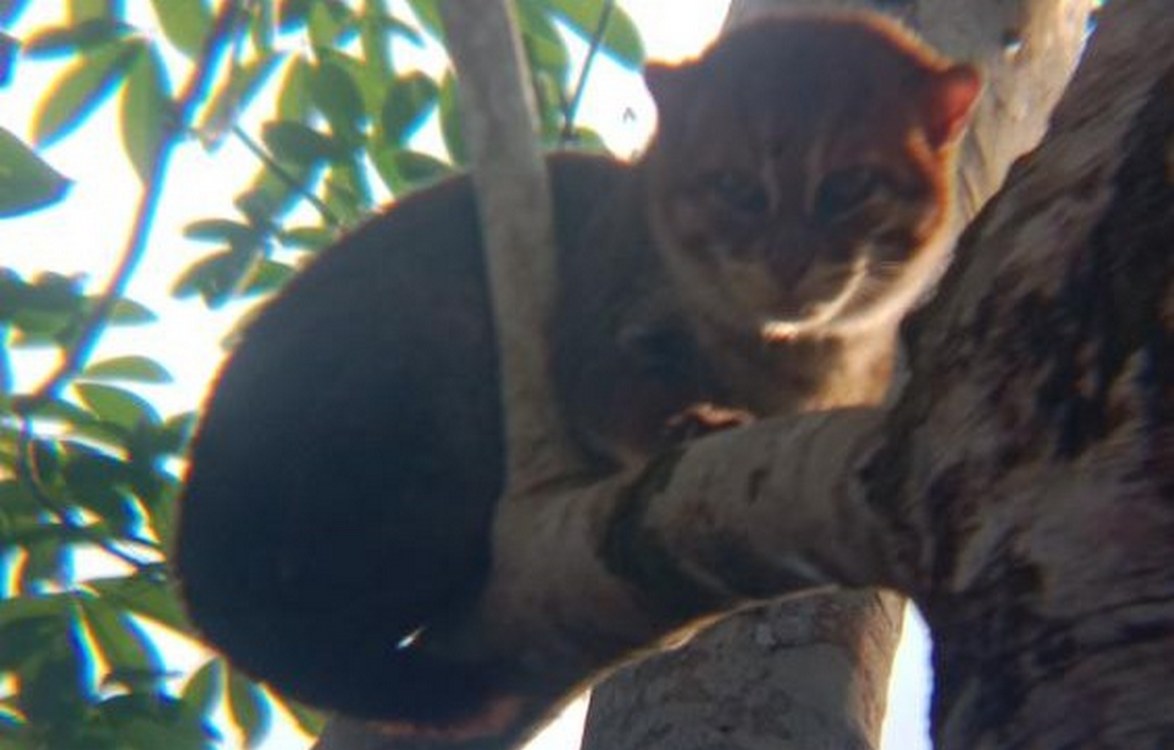
“Now, we really, really want to protect them,” said Imelda, a 72-year-old farmer living in Labian. Alongside her friends, Imelda ventures into the local woods on a daily basis, scanning the canopy and understory to see if she can spot and photograph an orangutan. The great ape serves as the top prize in the informal daily search, though capturing images of other elusive creatures—such as the rare flat-headed cat, one of the least-understood feline species in the world—holds immense value as well.
The initiative, funded through 2028, is known as KehatiKu and is administered by the international conservation consultancy Borneo Futures. More than 800 local people actively participate in the project. Their combined contributions have yielded an astonishing 378,000 confirmed wildlife observations. This vast database includes crucial data on critically endangered and endangered flagship species, such as the Bornean orangutan, scientifically classified as Pongo pygmaeus, and Abbott’s gibbon, known as Hylobates abbotti.
The financial incentive structure was designed to be both accessible to villagers and competitive with traditional, destructive practices. Nardiyono, the director of Borneo Futures Indonesia, explained the shift in local mindsets in an interview with AFP. He noted that people have started to realize that where previously they might catch a single bird and sell it for 50,000 rupiah, they can now simply take a photograph, send it through the program’s channels, and receive a direct payment ranging from 5,000 to 10,000 rupiah without harming the animal.
For many participants, the supplementary income provides tangible relief and opportunities that were previously out of reach. Octavius, a 50-year-old farmer who cultivates kratom and cacao, shared that the earnings generated through the wildlife observation program directly help him afford college educations for his children.
The KehatiKu program has received philanthropic funding totaling $300,000 to date. This financial backing has been allocated toward developing a specialized mobile app that allows villagers to seamlessly upload their wildlife sightings and audio recordings. The technological infrastructure also includes an artificial intelligence companion designed to assist project staff in accurately identifying the thousands of incoming observations, alongside ensuring that villagers receive their prompt payouts at the end of every month.
Erik Meijaard, the Managing Director of Borneo Futures, highlighted the program’s organic success during a presentation of KehatiKu for the International Union for Conservation of Nature (IUCN). He emphasized that the program is exceptionally popular among residents and has spontaneously generated grassroots wildlife protection. According to Meijaard, there is now clear evidence that local forests and wildlife are valued far more for conservation than for exploitation.
The momentum behind the initiative continues to grow. Reports from AFP indicate that two additional villages are scheduled to join the program, further expanding its geographic footprint across West Kalimantan. Beyond providing economic support to rural households, the sheer volume of data collected by hundreds of local observers has offered scientists unprecedented insights into local ecosystems. Researchers have been able to utilize the observations to estimate population densities, track shifting animal ranges, and gain a clearer understanding of the diurnal behaviors of various Bornean species.