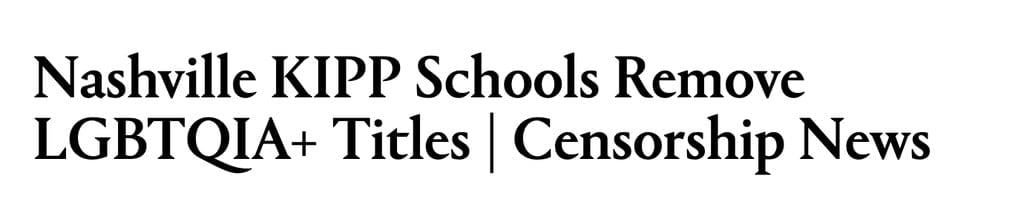
The journey of the Nashville story highlights the fragility of sourcing in the modern information landscape. The original thread began with a report attributed to the Tennessee Star, which was linked via a local radio station website, WFMD. However, a click on that link revealed a byline from "Breaking News on Fox News," complete with internal hyperlinks directing readers straight to Fox’s dedicated "faith-values" and "first-amendment" categories. Fox News, like other partisan outlets, maintains a vested financial and ideological interest in promoting narratives that align with conservative challenges to public education, turning cultural grievances into widespread web traffic.

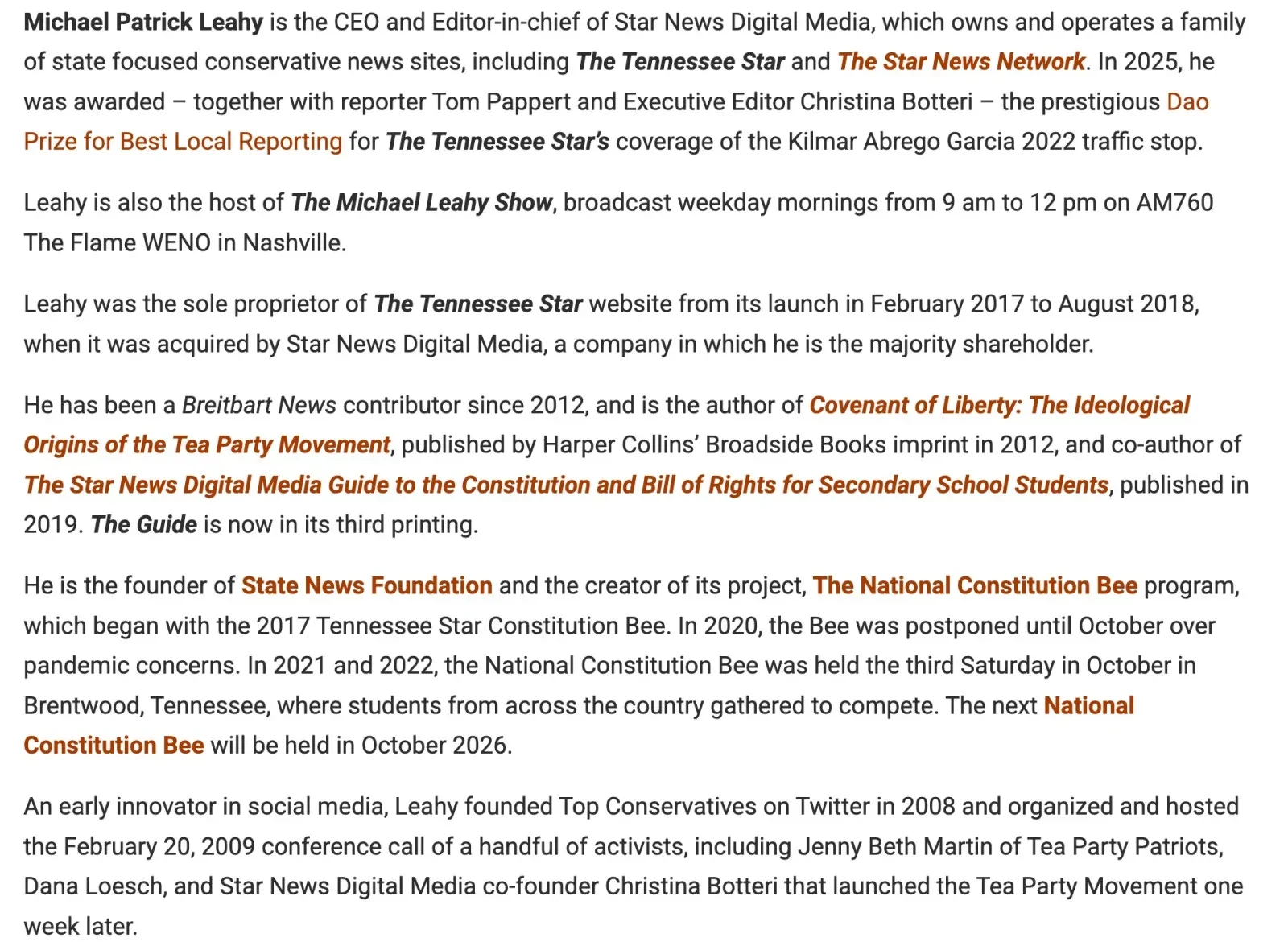
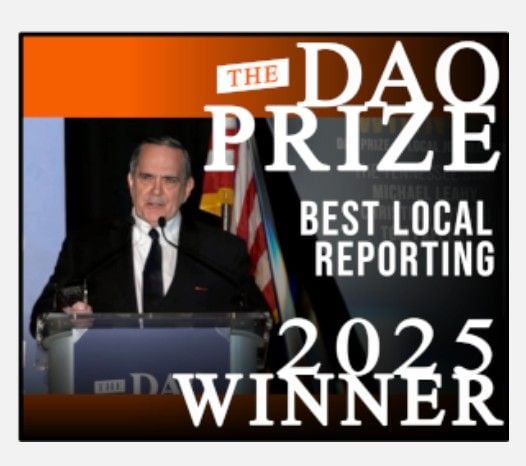
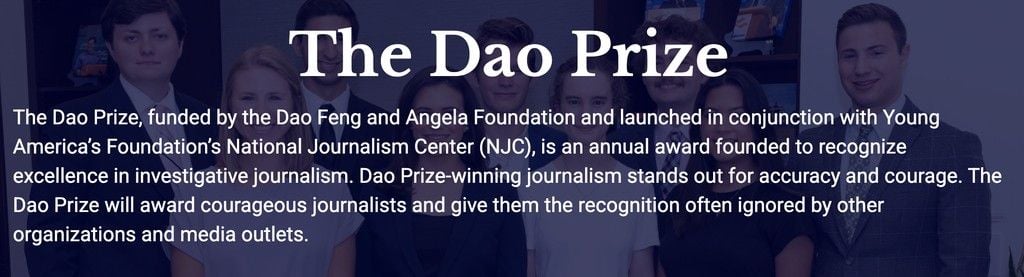
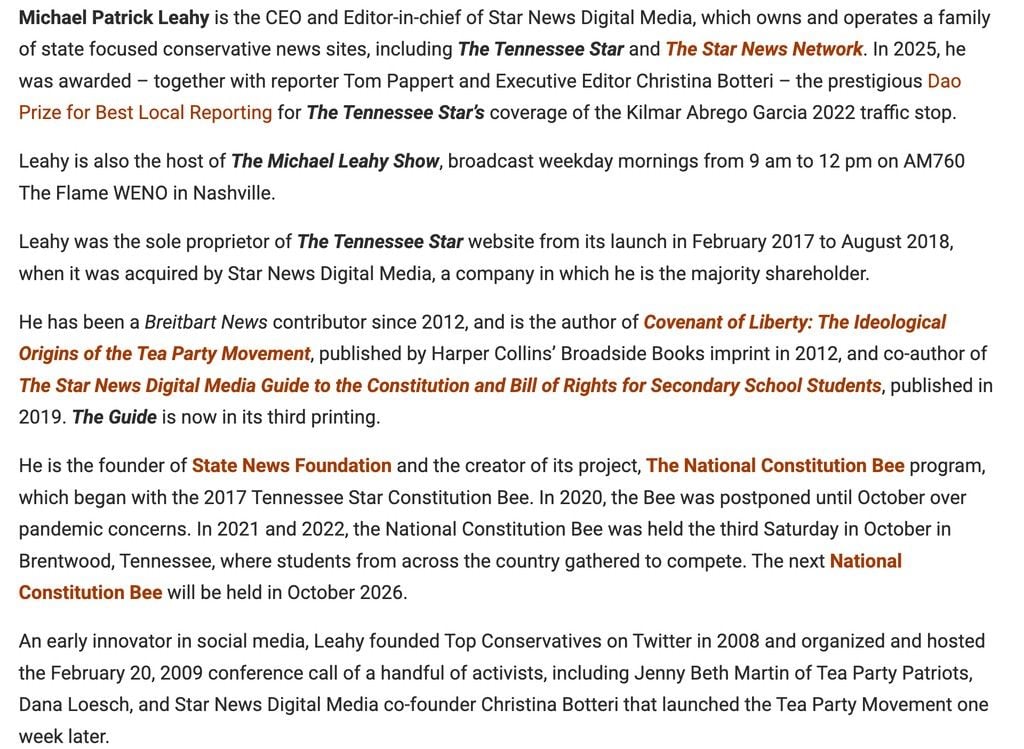
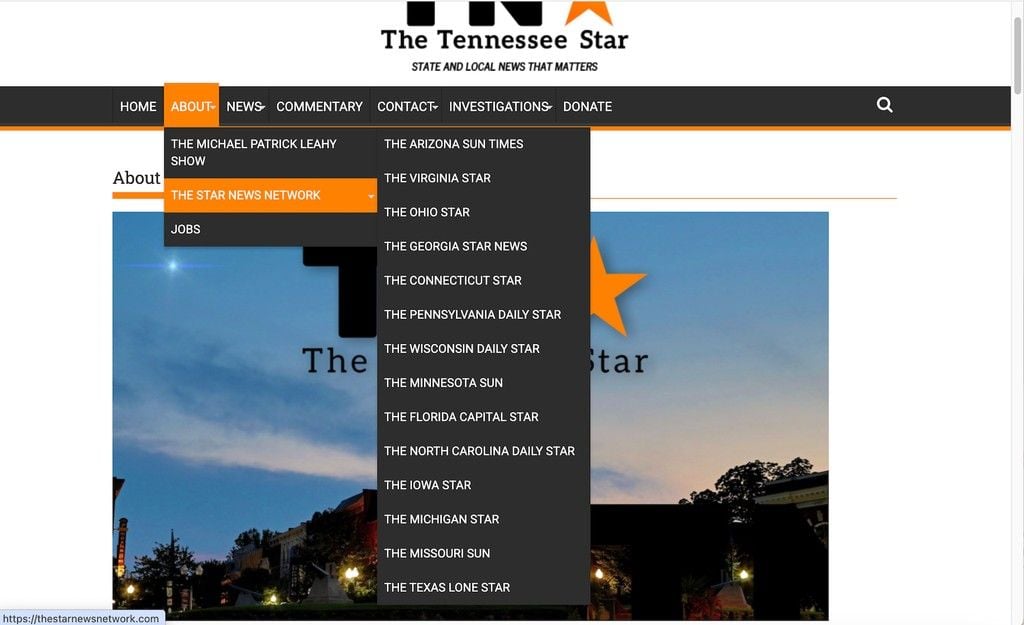
Following the trail further to the Tennessee Star itself uncovers another layer of media positioning. The outlet features prominent ads for conservative political candidates and organizations advocating for "parental choice in education." It also prominently displays an award called the Dao Prize, granted for local reporting. However, research into the Dao Prize reveals it is an arm of the Young America Foundation, a prominent conservative youth organization designed to uplift narratives where conservatives view themselves as cultural victims. Furthermore, the Tennessee Star‘s "About Us" page outlines its leadership by Michael Patrick Leahy, a Breitbart contributor and early architect of the Tea Party movement, alongside a network of affiliated regional sites.
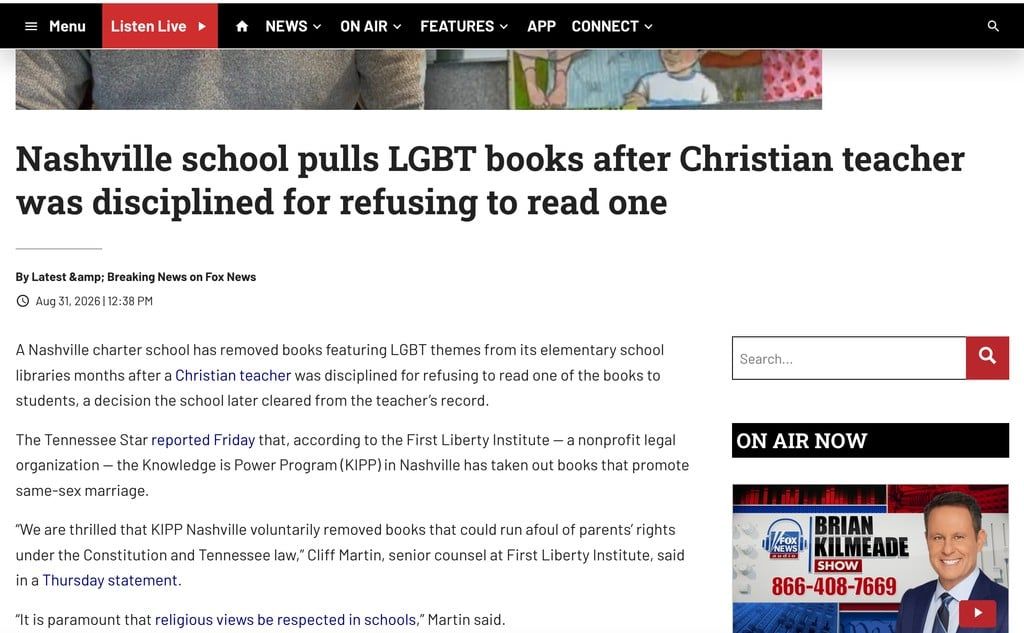
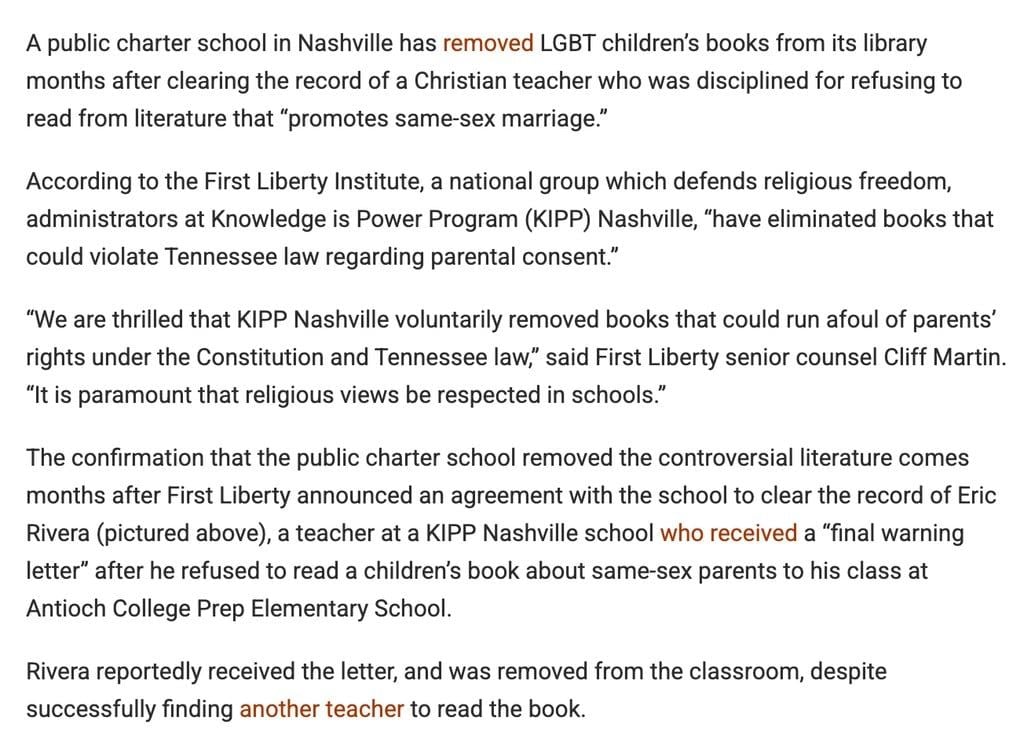
When looking past the editorial framing and examining the actual text of the reporting, the core premise of the story shifts dramatically. The coverage was not about a sweeping library book ban, but rather about an individual educator at a public charter school. Eric Rivera, a teacher at an elementary school within the KIPP Nashville network, had previously received a final warning letter after refusing to read a children’s book featuring same-sex parents to his young students. Backed by the First Liberty Institute—a major national legal organization dedicated to defending religious liberty—Rivera successfully challenged the discipline, resulting in the school clearing his employment record and agreeing to provide religious accommodations.
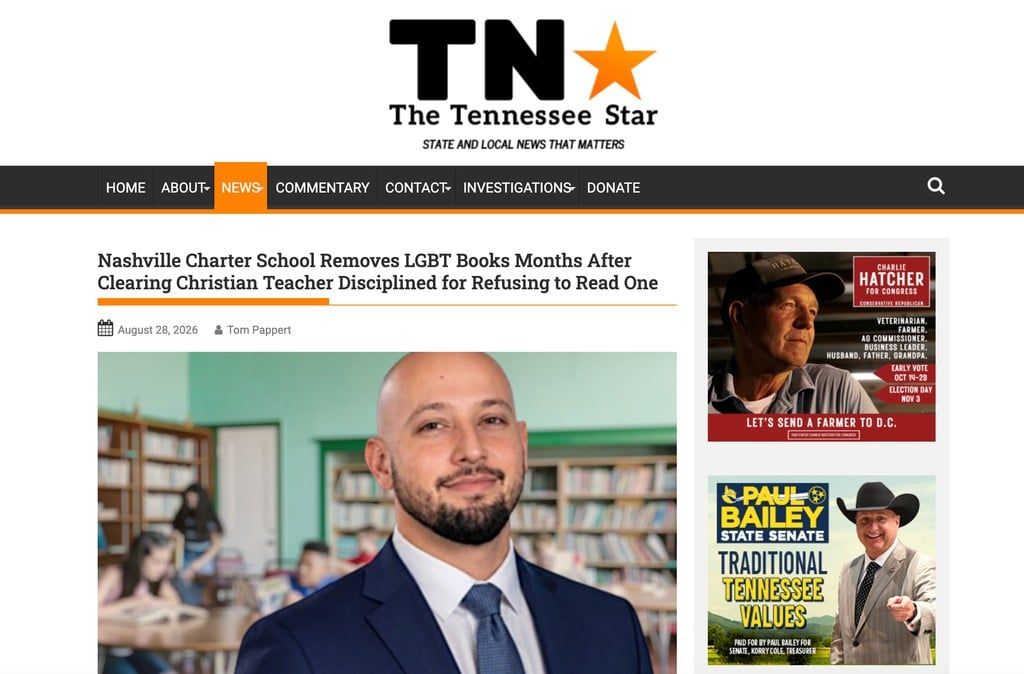
Crucially, the press release issued by the First Liberty Institute stated that KIPP Nashville had eliminated specific materials from its curriculum to comply with state parental consent laws, rather than sweeping its library shelves. The press release noted that Rivera objected to two specific books, In Our Mothers’ House and Stella Brings the Family, and that the school had proactively informed the Tennessee Attorney General’s Office that it had removed controversial curriculum materials.
Despite this distinction, the narrative quickly mutated across the internet. Media outlets ranging from conservative talk radio to national aggregators repeated the claim that "library books" had been pulled, a subtle but significant linguistic shift. Using the term "library" guaranteed stronger search engine visibility and tapped directly into the intense public anxiety surrounding library book bans nationwide.
Independent verification of the exact scope of these removals remains difficult. KIPP operates as a public charter network, meaning records are theoretically accessible through public records requests. However, Tennessee law restricts such transparency measures strictly to state residents, effectively locking out national researchers, independent watchdogs, and journalists from outside the state who attempt to verify the exact number and titles of removed texts.
Subsequent searches across major search engines during September 2026 revealed that the story was almost exclusively sustained by partisan and religious media outlets, including the Christian Post, The Center Square, the Christian Broadcasting Network, and various aggregator sites. Aside from a brief mention by a queer media outlet citing an unverified total of 20 removed titles, mainstream or traditional local news outlets did not independently confirm the broader library sweep described in the initial viral headlines.
The episode underscores why prominent censorship-tracking organizations like PEN America and the American Library Association continually emphasize the immense difficulty of maintaining completely accurate tallies of book restrictions. In an era defined by paywalled professional journalism and heavily funded partisan networks capable of distributing carefully crafted press releases instantly, misinformation can easily outpace verification.
Ultimately, the Nashville KIPP story represents a manufactured collision of real events—a legal settlement involving a teacher’s religious accommodation—and inflated framing designed to fuel ongoing culture wars over public education. For readers and media consumers alike, the incident serves as a stark reminder to interrogate who benefits from a headline, where information originates, and whether a compelling narrative has outrun verifiable facts.