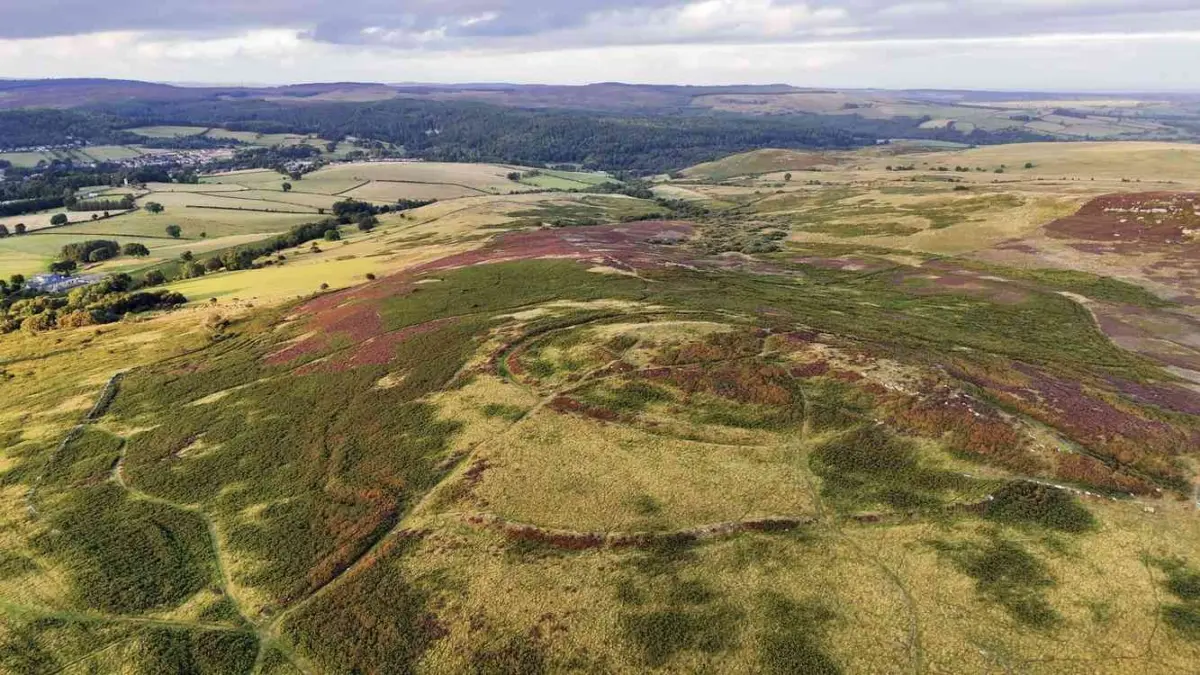
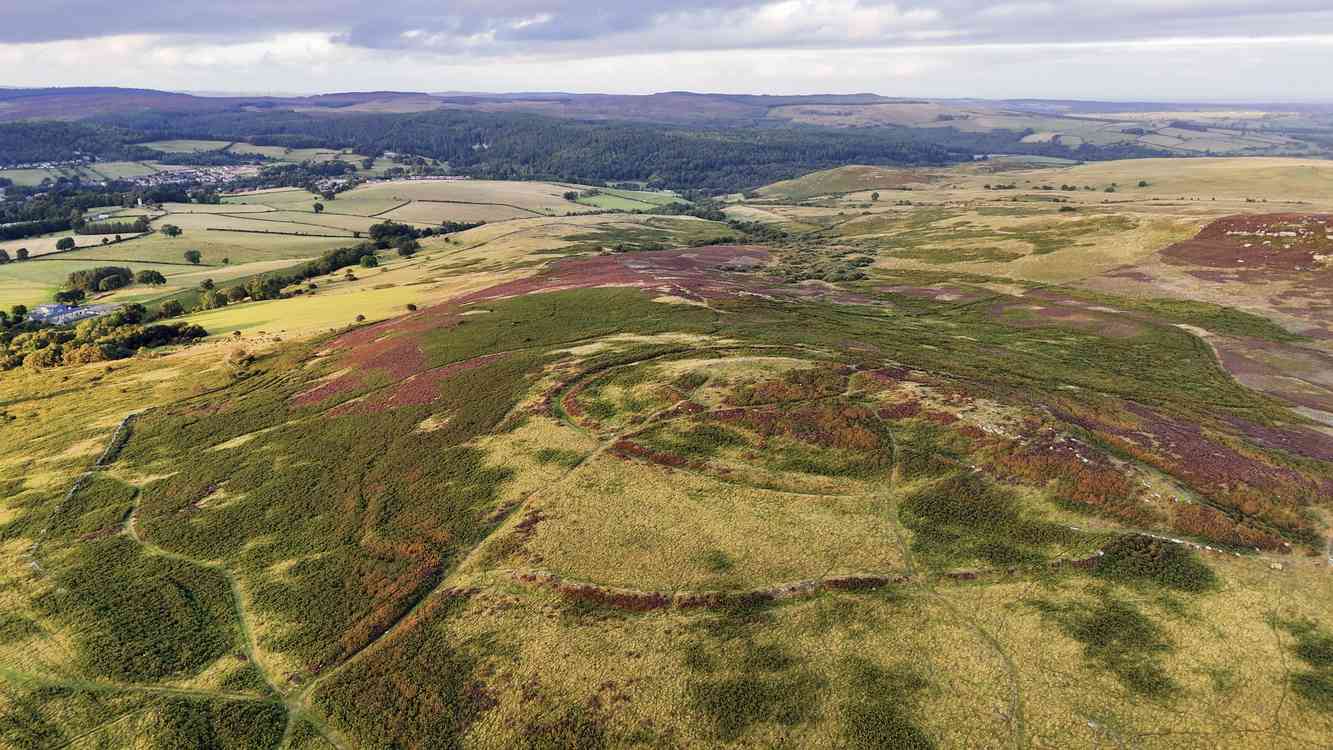
The Rothbury Estate, a landscape defined by its rugged beauty, rolling moorlands, ancient woodlands, and wide-open starry skies, had remained in the hands of a single British noble family—the Dukes of Northumberland—for eight centuries, dating back to the 13th century. Now, following a landmark acquisition by the UK’s Wildlife Trusts, this breathtaking expanse along the Scottish-English border will transition from private aristocratic ownership into a protected sanctuary dedicated to ecological restoration, rural community collaboration, and regenerative farming.
Sir David Attenborough, President Emeritus at the Wildlife Trusts, celebrated the historic achievement, offering high praise for the thousands of individuals who made the acquisition possible.
“The Wildlife Trusts called for your support and you answered in your thousands,” Sir David said. “The appeal to secure the future of the Rothbury Estate in Northumberland has been successful, and now the opportunity to bring the vision of a landscape where nature and people thrive side by side can become a reality. This will be a place where nature, community, farming, and heritage can combine to create something very special for generations to come. Together, we’ve achieved something amazing.”
The successful £30 million fundraising campaign, launched two years ago, received vital contributions from a broad coalition of major partners alongside individual donors from around the globe. Key institutional backing came from the UK’s National Lottery Heritage Fund, the Department for Environment, Food, and Rural Affairs (DEFRA), and the Esmée Fairbairn Foundation. The combined efforts culminated in the largest fundraising endeavor ever undertaken by the Wildlife Trusts, securing a vital piece of British natural and cultural history.
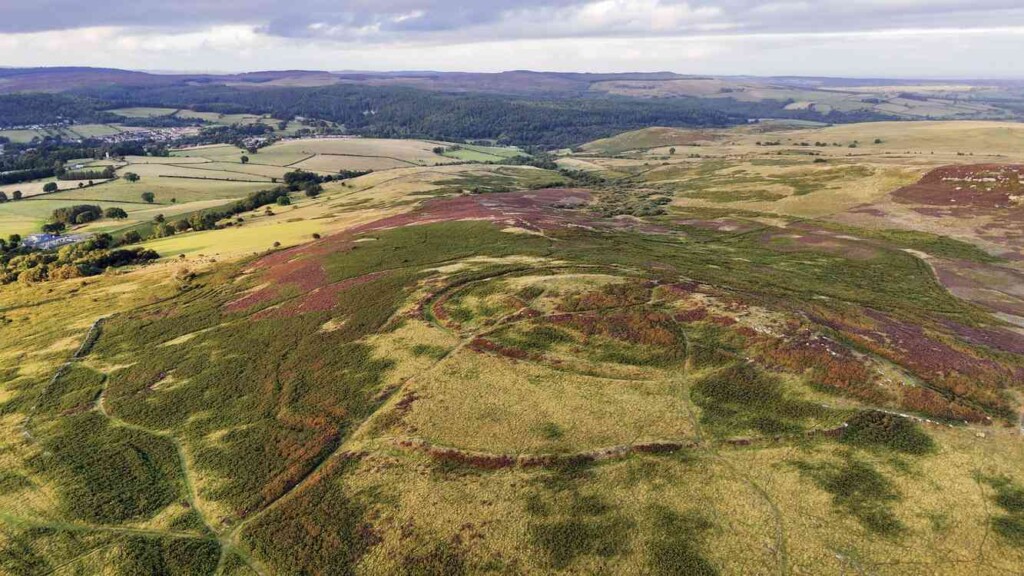
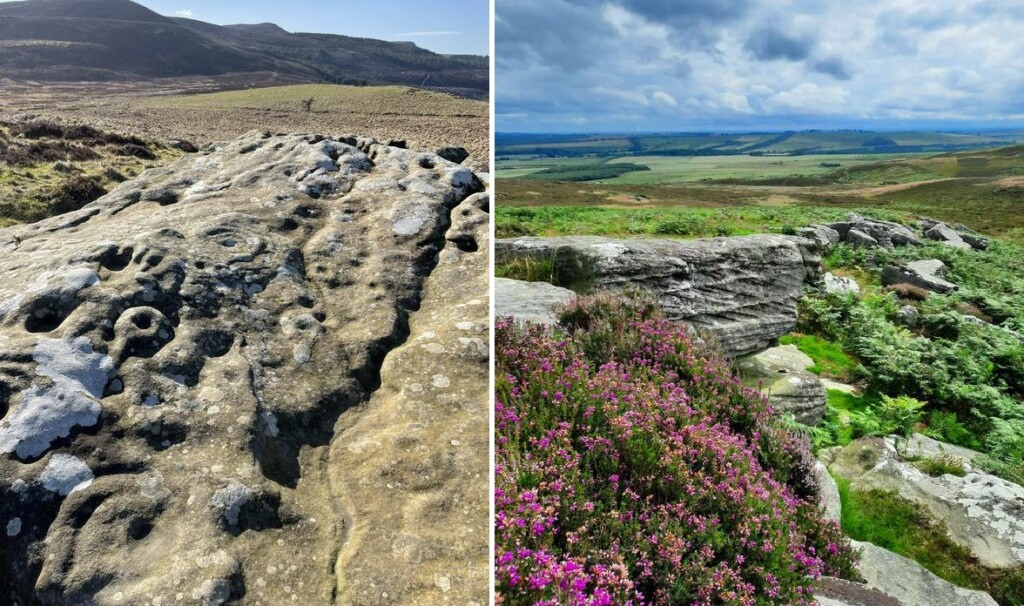
Nestled within the striking topography of northern England, the Rothbury Estate is a landscape of profound biodiversity and rich archaeological heritage. The land is home to rare prehistoric features, including Neolithic and Bronze Age rock carvings and the ancient site of the Lordenshaws Hill Fort, which stand as enduring reminders of human history embedded within the wild terrain.
Beyond its historical significance, the estate serves as an irreplaceable refuge for an extraordinary array of wildlife. The sweeping moors provide critical breeding grounds for wading birds such as the curlew and the lapwing, alongside the increasingly rare mountain bumblebee. The dense woodlands shelter endangered red squirrels, elusive cuckoos, and the merlin, which holds the distinction of being the United Kingdom’s smallest falcon. Overhead, songbirds like the skylark fill the air, while the estate’s winding rivers support populations of salmon and a critically endangered species of freshwater eel.
The acquisition of the Rothbury Estate represents much more than the preservation of an isolated patch of wilderness; it serves as the missing puzzle piece in an ambitious landscape-scale conservation initiative. Placed squarely in the center of the region, the estate bridges a critical gap in a planned 40-mile nature corridor across Northern England. This sweeping ecological network stretches from Druridge Bay on the North Sea coastline to the east, across the estate, and onward to an established nature reserve to the west. Before this acquisition, the private estate acted as a barrier across this vital "moor to mar" ecosystem, fragmenting local habitats and restricting wildlife movement.
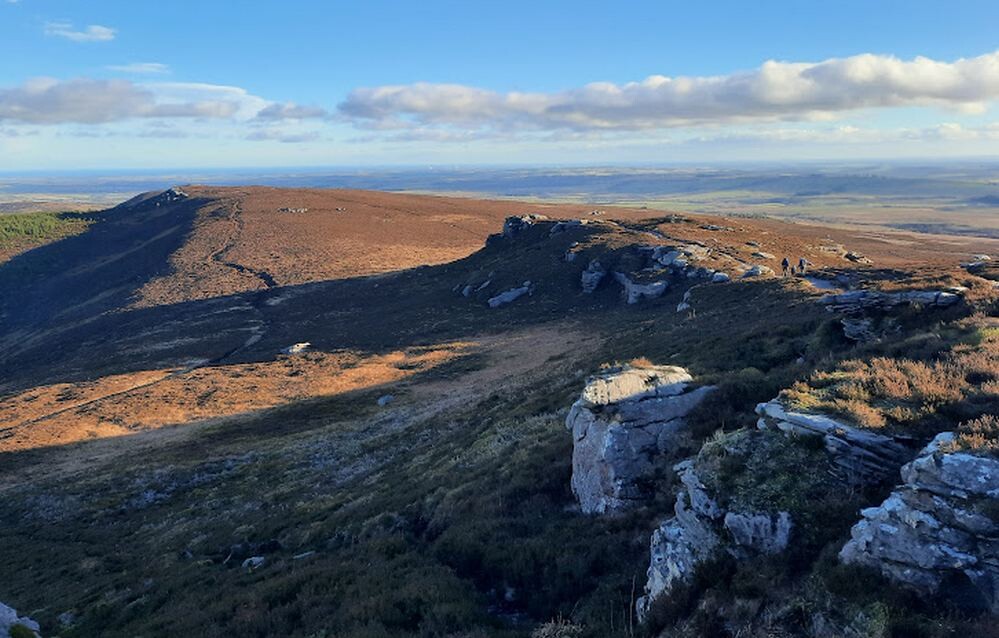
With the transfer of ownership now complete, the Wildlife Trusts are turning their attention toward the future management of the land, emphasizing a collaborative approach that includes the people who live and work within the region.
“With the communities who live and work on and around the estate, we are developing a vision for the future management of this remarkable landscape,” the Wildlife Trusts shared in a statement. “With nature-friendly, regenerative farming, we will place nature’s recovery at the heart of the estate, while respecting the rural traditions of this region. We will show how nature, community, and the rural economy can work together, with people and wildlife thriving side-by-side.”
Conservationists note that the integration of sustainable agricultural practices will be central to the long-term strategy for the Rothbury Estate. Rather than closing the land off to human activity, the project aims to demonstrate that modern food production and environmental stewardship are not mutually exclusive. By working hand-in-hand with local farmers and rural workers, the initiative seeks to safeguard the region’s cultural heritage while actively reversing decades of environmental decline.
The successful preservation of the Rothbury Estate follows a growing global trend of ancestral and aristocratic lands being transitioned into models of modern rewilding and ecological restoration. Conservation advocates hope that the blueprint established in Northumberland will inspire similar large-scale community and environmental partnerships across the United Kingdom and beyond.
As the estate enters this new chapter, the thousands of donors from across the globe, alongside the local communities and conservationists who championed the cause, have ensured that the wild moorlands, ancient woodlands, and starry night skies of Rothbury will remain untouched by commercial development. Instead, they stand protected for the wildlife that calls them home and for the generations of visitors yet to come.