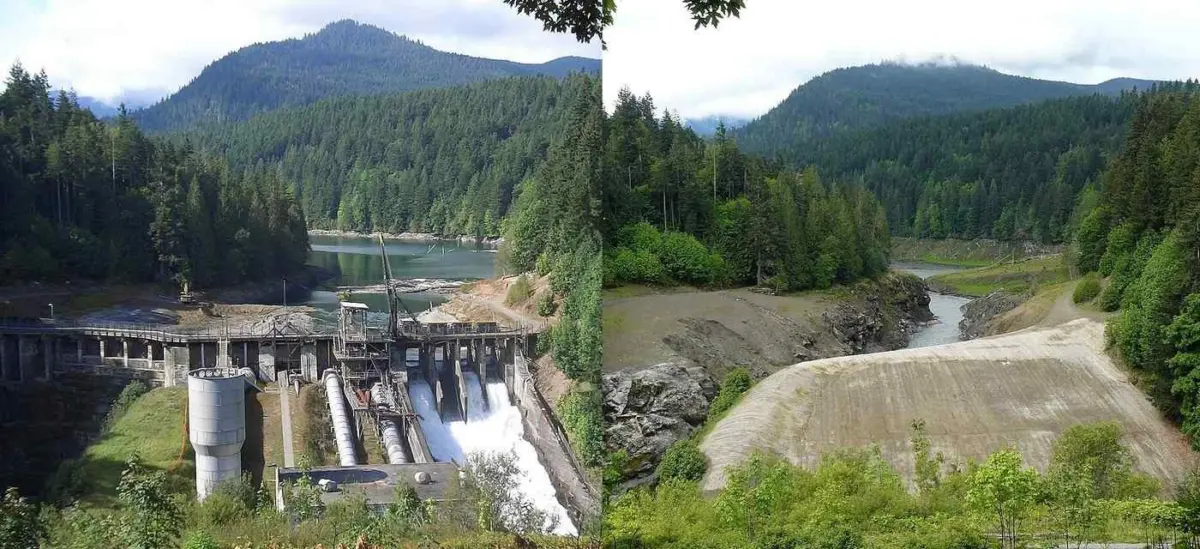
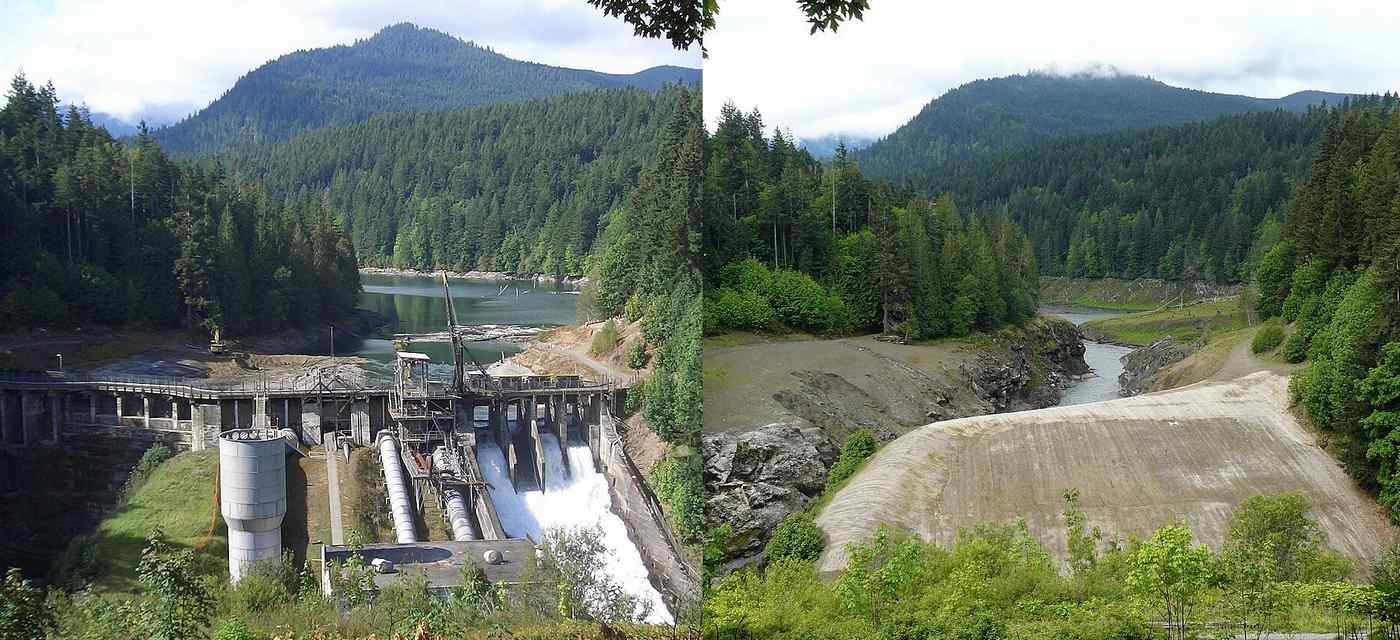
The significant land parcel, situated along the Elwha River between the bridges carrying State Highway 101 and Route 112, was designated for return within a comprehensive federal legislative bill. Having successfully cleared both chambers of the United States Congress, the legislation now awaits an executive signature to finalize the transfer. Ahead of the formal homecoming, personnel from the National Parks Service have already engaged in collaborative fieldwork with the Lower Klallam community, as the transferred acreage directly borders the neighboring Olympic National Park.
This pending land transfer serves to effectively reverse the historical impacts of the Point No Point Treaty of 1855, an agreement that forced the tribe to cede the vast majority of their historically inhabited territory in exchange for federally provided education, healthcare, and explicit guarantees protecting their traditional hunting and fishing rights. Notably, the construction of the industrial dam—which severely compromised their fishing livelihoods and permanently submerged sacred tribal lands—was never a component of the original treaty negotiations.
The newly uncovered and recovering acreage holds profound cultural significance for the Klallam people. The land includes deeply sacred sites, historical villages, and the specific geographical location where tribal elders have long taught that their people were blessed into existence by the Creator. Beyond its immense spiritual and cultural value, the 1,100-acre corridor serves as a vital natural habitat for regional wildlife, playing host to kingfishers, mountain lions, American dippers, black bears, opossums, and, most crucially, native Pacific salmon populations.
When the Elwha Dam was constructed in 1910 to supply power to the growing region, it effectively severed the Klallams from their ancestral way of life as a people deeply integrated with and sustained by the biological bounty of the river. The sudden barrier halted the natural movement of marine life, cutting off generations of tribal members from cultural traditions that had endured for millennia.
"Our land isn’t just land. The river isn’t just the river. The salmon aren’t just salmon," said Lower Elwha Klallam Tribe Chair Melissa Gilman, emphasizing the inseparable bond between the community and their surrounding environment. "This is part of who we are as people."
The plight of the Elwha River mirrors similar ecological battles fought across the American Pacific Northwest, most notably along the Klamath River basin where indigenous tribes also fought for decades to restore natural river flows. Like the Klamath, salmon in the Elwha had been entirely blocked from accessing upstream spawning grounds for well over a century. Originating as glacial meltwater high among the peaks of the Olympic Cascades, the Elwha River provides an essential, cold-water spawning habitat for native chinook salmon and various trout species.
Recent years have marked a dramatic turning point for the watershed. Reports from local media outlets note that tribal members have experienced consecutive years of successfully exercising their restored fishing rights along the river, observing firsthand the gradual return of marine life to regions of the river that were sterile for generations.
The recovery of the Elwha River echoes broader conservation and tribal sovereignty movements across the western United States, such as recent federal and state actions to return hundreds of acres of traditional lands bordering national parks to indigenous groups who were forcibly expelled generations ago. As large-scale dam removal projects prove successful in places like California, where salmon rapidly returned to the upper reaches of the Klamath River within a single year of barrier removal, scientists and tribal leaders alike harbor high expectations for the Elwha watershed.
For the Lower Elwha Klallam community, the pending legislative signature represents the culmination of a multi-generational struggle for justice, environmental restoration, and cultural preservation. It marks the final, crucial step in healing both a wounded ecosystem and the people who have always belonged to it.
"That last missing piece was the Klallams, the people of the land," reflected tribe member Vanessa Castle. "And now that can happen in a way that feels fulfilling and respectful, and that we have a space that we can call home again."