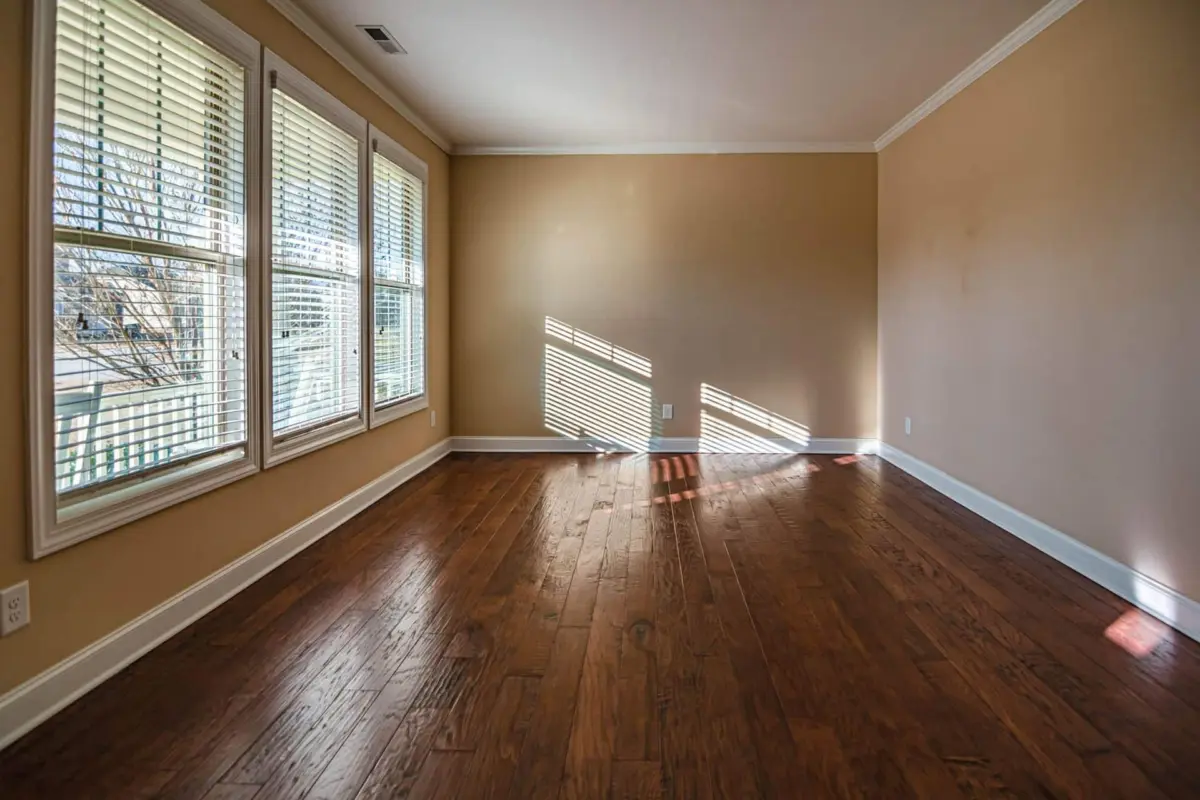
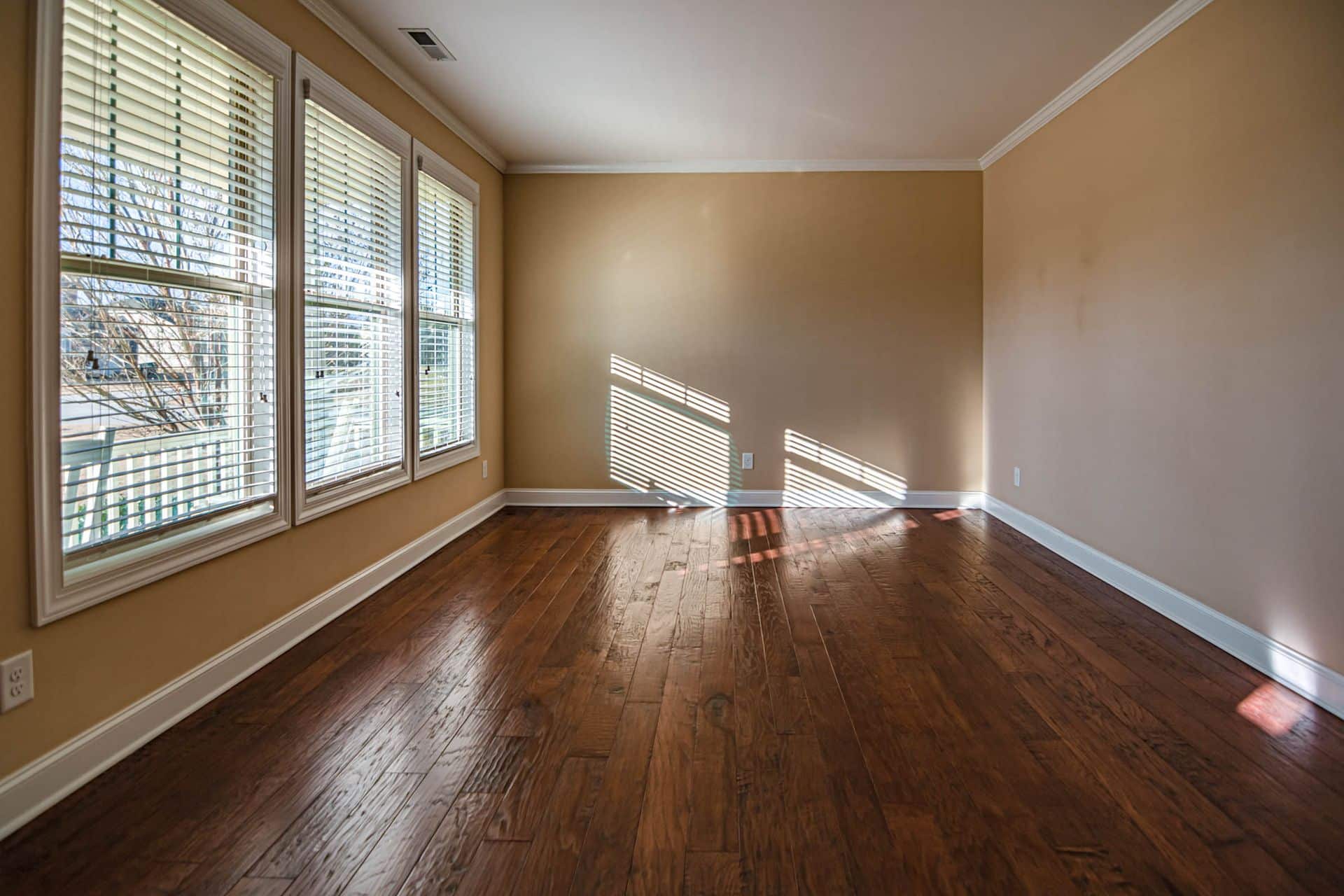
Upon arriving at her destination, she settled into a sparsely furnished apartment chosen for its simplicity and ease of transition. With only a minimal stock of furniture provided by the rental, she integrated her meager belongings into the space. Living in such a stripped-down environment quickly offered unexpected insights into the psychological weight of clutter and the practical realities of a minimalist lifestyle—lessons that mirrored, yet sharply contrasted with, her experiences in densely packed living spaces.
1. Use It Up
Among the defining features of temporary furnished housing are the hotel-sized portions of everyday consumables left behind for tenants. Having brought her own toiletries and cleaning supplies, Mia initially viewed these miniature items as redundant extras. In the past, a hoarding mentality might have taken over, prompting her to save the tiny bottles and packets for some hypothetical future scenario where miniature toiletries might prove useful.
This time, however, she adopted a radically different approach: she simply used them up. Recognizing that these products were often the lowest quality versions of everyday essentials, she realized that preserving them offered no real enrichment to her daily routine. By systematically working through the subpar items first, she discarded the empty containers and permanently removed them from the physical and mental real estate of her living space. The experience cemented her belief in the philosophy of "use it up" decluttering, proving that consuming what is already at hand can provide immediate psychological relief.
2. Functional Decor
As a self-described homebody, adapting to an unfamiliar space without her personal belongings proved to be a psychological challenge. To bridge the gap between an austere rental and a comforting home, she curated the few personal items she had brought along. Instead of keeping her colorful throw blanket folded out of sight, she draped it casually over the couch. Rather than stacking her books tightly on a bedside table, she propped them up strategically throughout the apartment.
Any item that possessed a warm or aesthetically pleasing quality earned a visible place in the room rather than being tucked away in a drawer. In a crowded home, such a strategy might easily result in visual clutter; however, when executed with only a handful of cherished mementos, the approach successfully injected warmth into the sterile environment. Styling a space with genuinely functional items allows them to serve a dual purpose, making an unfamiliar environment feel like home without generating useless mess.
3. This Spoon
A milestone during her first weeks away was celebrating her birthday, marked by a visit from a close friend who brought a modest yet deeply meaningful gift: a small wooden spoon. For Mia, who deals with sensory processing issues that make the sharp clinking of traditional silverware profoundly distressing and even nauseating, the gesture carried immense practical value. On her very first day in the apartment, she had resorted to saving plastic cutlery from takeout orders simply to avoid using the metal utensils supplied by the rental.
The gifted wooden spoon provided an immediate solution. Perfectly sized and deeply sentimental, it instantly connected her to her friend every time she used it. Between this specialized utensil and a simple pair of chopsticks, her entire daily dining needs were met, rendering the rest of the apartment’s overflowing cutlery drawer entirely obsolete. The experience reinforced a core minimalist principle: possessing a single item that serves its purpose flawlessly brings far more value than a drawer full of mediocre alternatives.
4. Alone Time
One of the most drastic shifts accompanying the relocation has been the sudden shrinkage of her social calendar. While she has a few acquaintances nearby, her local network cannot compare to the vibrant community she left behind. Initially, this isolation felt like a heavy emotional burden, given her deep affection for her friends. Yet, the solitude has simultaneously proven to be a profound source of personal energy.
Thriving on alone time while simultaneously yearning for the constant presence of loved ones represents a classic human contradiction. Nevertheless, with a cleared schedule and a living space that demands minimal upkeep, daily life has transformed into a streamlined routine. She wakes up every morning and walks to the gym for effortless workouts. Her apartment remains perpetually spotless, and she dedicates significantly more time to preparing wholesome, nutritious meals.
Furthermore, having acquired a business several months prior, she has enjoyed a quiet period of intense productivity. The combination of extra time and mental breathing room finally granted her the space necessary to write and publish reflections on her blog. While she fully intends to reintegrate social activities and active hobbies into her routine—such as hosting game nights with her hometown friends and returning to fight training now that her energy levels have rebounded—the period of intense solitude has yielded undeniable professional and personal dividends.
5. Clutter Comes Fast
Despite the intentional simplicity of her temporary setup, the rapid accumulation of possessions has proven almost instantaneous. Having spent only three weeks in the apartment, she can already sense the creeping threat of spatial congestion. The arrival of birthday gifts, while bringing genuine happiness, immediately began consuming physical square footage—evidenced by a small trampoline sitting directly beside her as she types.
Even driving to the location with next to nothing did not prevent accumulation; within weeks, a kitchen cabinet had filled entirely with plastic containers saved for food storage. This observation highlights a broader systemic reality regarding the natural flow of consumer goods within households, particularly in the United States, where items constantly flow inward. Without a deliberate, ongoing effort to establish an outward flow of possessions, accumulation is guaranteed. Consequently, she has resumed active decluttering habits, deploying passive maintenance strategies that prove remarkably effective when implemented before clutter solidifies into a permanent problem.
Assessing the Experiment
For those following the journey to see whether the radical lifestyle and environmental shift has yielded results, the early verdict is positive. Her health has shown tangible improvements for the first time in years, providing much-needed relief and validation for her suspicions. Yet, the realization brings a complex set of emotions, as acknowledging that her permanent home environment was likely the source of her physical decline complicates her long-term living arrangements.
For now, that challenge remains a puzzle to be untangled using the mental space cleared by her minimalist experiment. As she continues to settle into her temporary surroundings, plans for community engagement and ongoing digital projects—including an upcoming holiday decluttering challenge—remain firmly on the horizon.