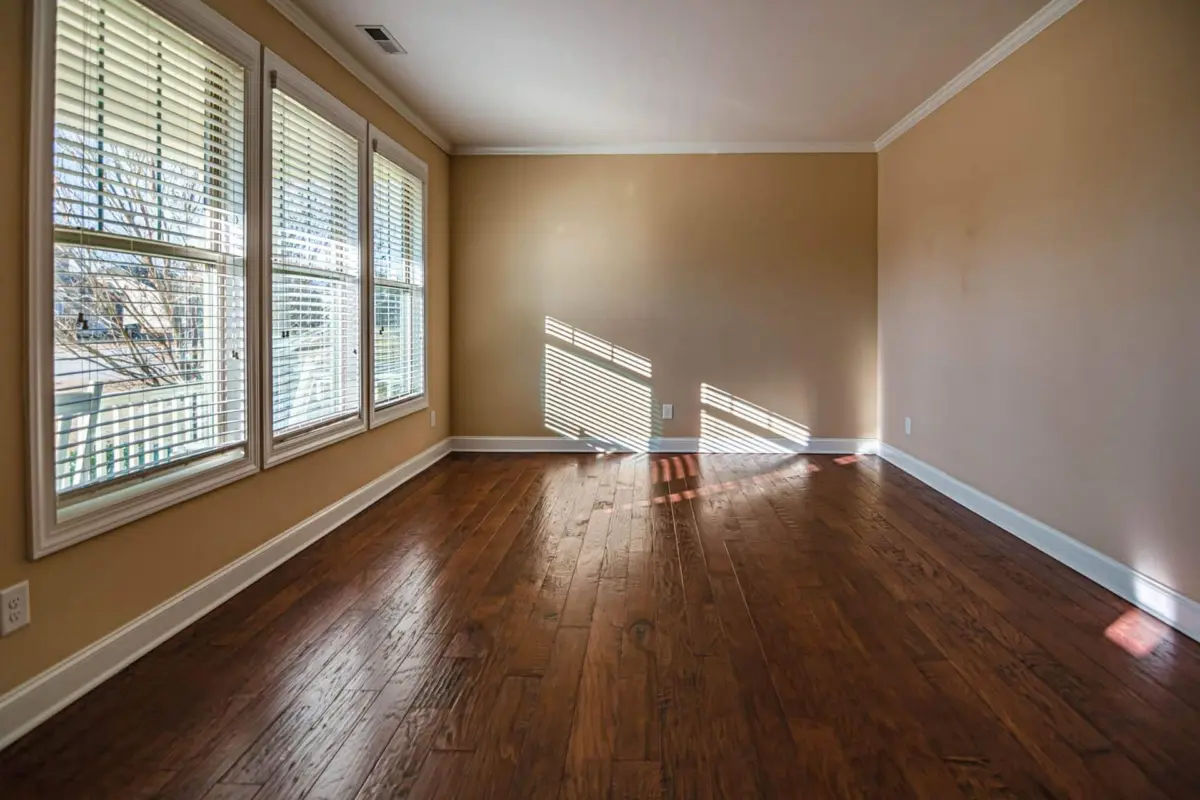
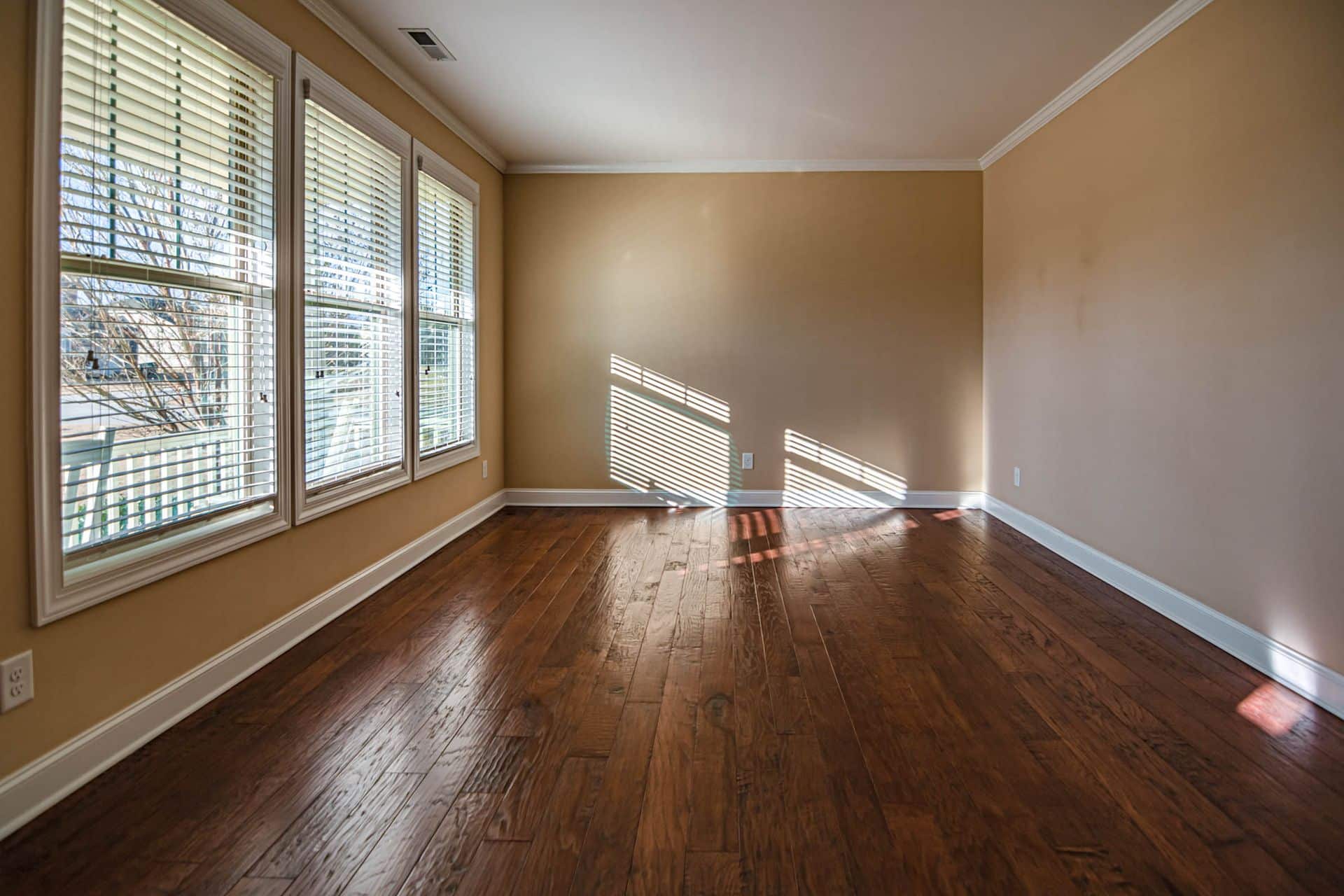
Upon arrival, she settled into a sparsely furnished rental apartment designed to facilitate the simplest possible transition. With only a minimal stock of furniture provided by the landlord, she integrated her meager belongings into the space. This exercise in living with very little has offered unexpected insights into the psychology of clutter and minimalism, echoing lessons she previously learned from navigating the opposite environment of a cluttered space.
Use It Up
Part of the standard furnished apartment experience involves the accumulation of small, hotel-sized portions of everyday items. Having brought her own toiletries and cleaning supplies from home, Mia initially viewed these complimentary items as mere duplicates. In the past, she admits, she would have fallen victim to a hoarding mentality, saving minuscule provisions for a hypothetical future moment when tiny items might somehow be required.
This time, however, she adopted a radically different approach: she simply used them up. Recognizing that these products were often the lowest tier of everyday goods, she realized that preserving them offered no enrichment to her daily existence. They were not items she would ever feel excited to use later. By systematically consuming them first and immediately discarding the empty containers, she cleared physical and mental real estate, emerging as a stauncher proponent of "use it up" decluttering than ever before.
Functional Decor
As a self-described homebody, adapting to an unfamiliar environment devoid of her usual possessions proved to be a psychological challenge. To combat the sterility of the temporary space, she deployed the few personal mementos she had brought along, draping a colorful throw blanket over the couch rather than folding it away out of sight. Rather than clustering her books neatly on a bedside table, she propped them throughout the apartment.
Any object that offered a semblance of warmth and familiarity was granted a visible spot in the room instead of being relegated to a drawer. While such a strategy might easily cross the line into visual clutter in a heavily furnished home, amidst a sparse backdrop, it successfully imparted a sense of comfort. Styling living areas with functional items allows them to serve a dual purpose, making an unfamiliar space feel like home without generating useless clutter.
The Power of a Single Utensil
A recent birthday visit from a close friend introduced a new element into her minimalist kitchen: a small wooden spoon. Mia manages sensory issues that make the sound of clinking silverware particularly distressing, often inducing nausea. On her first day in the apartment, she resorted to saving plastic cutlery from takeout orders to avoid the metal utensils supplied with the residence.
The arrival of the wooden spoon provided an ideal alternative. Perfectly sized and deeply sentimental, it brings her friend to mind whenever she uses it. Because she now relies exclusively on this spoon and a pair of chopsticks for her meals, the remainder of the apartment’s utensil drawer has been rendered entirely obsolete. The experience underscored the principle that owning a single item that serves its purpose perfectly—especially one that brings genuine joy—vastly outweighs keeping a drawer full of mediocre alternatives.
The Impact of Solitude
At the moment, Mia’s social calendar is strikingly sparse. While she has a few acquaintances nearby, her local network cannot compare to the community she left behind. Although initially a disappointing prospect given her deep affection for her friends, the reduction in social obligations has proved remarkably energizing. Although she often wrestles with the human contradiction of wanting to be with loved ones constantly while simultaneously thriving on solitude, the quiet environment has streamlined her daily existence.
With a simplified schedule and a living space that requires minimal maintenance, daily routines have become effortless. Morning walks to the gym for workouts happen naturally, the apartment remains perpetually spotless, and she has more time to dedicate to cooking wholesome meals. Furthermore, having acquired a business a few months prior—a development that kept her quiet professionally for a time—she has finally secured the mental space required to write and update her blog.
While she intends to reintroduce social activities and hobbies into her routine now that she is settled—such as hosting game nights with friends back home and resuming fight training—she acknowledges that the extended period of solitude has significantly boosted her productivity and energy levels.
The Speed of Accumulation
Despite her minimalist approach, Mia noted the rapid approach of clutter within just three weeks of arrival. The celebration of her birthday brought new gifts into the apartment, which, while cherished, immediately occupied physical volume. At the time of writing, a small trampoline sat directly beside her.
Having driven to the location with virtually nothing, she already found her kitchen cabinets filling with plastic containers saved for food storage. She observed that the natural flow of consumer goods, particularly within the United States, is strictly directed into the home. Without a conscious, opposing flow of items moving back out, possessions inevitably accumulate indefinitely. This realization prompted her to resume passive decluttering practices, utilizing established techniques designed to stay ahead of the accumulation curve before it becomes unmanageable.
Assessing the Experiment
Regarding the primary objective of her relocation, the experiment has yielded encouraging results. The noticeable health improvements she has experienced represent the first genuine relief she has seen in years. Yet, the situation remains complex, as the positive health outcome is directly tied to the fact that she is currently living away from her permanent home.
Processing these implications is a challenge she plans to tackle utilizing the newfound mental space afforded by her simplified lifestyle. For now, she intends to continue her blogging schedule as time permits, while preparing for an upcoming holiday decluttering challenge with her audience.