The relocation was born out of necessity rather than a desire for adventure. For years, Mia has battled pervasive health issues that stubbornly resisted traditional remedies. Suspecting that her permanent residence might be contributing to her declining wellness, she decided to run a controlled test: leave the environment entirely to see if her symptoms improved. The preliminary results of this relocation experiment have brought encouraging news, marking the first genuine health improvement she has experienced in years.
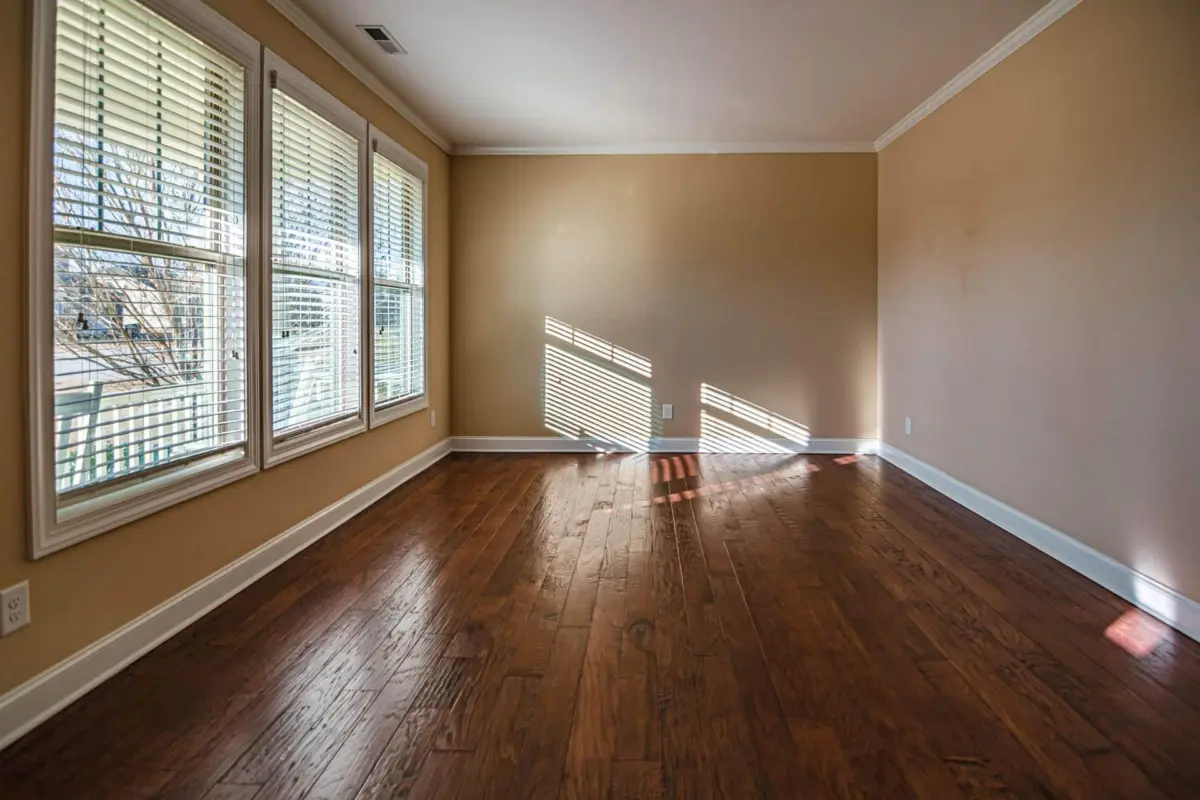
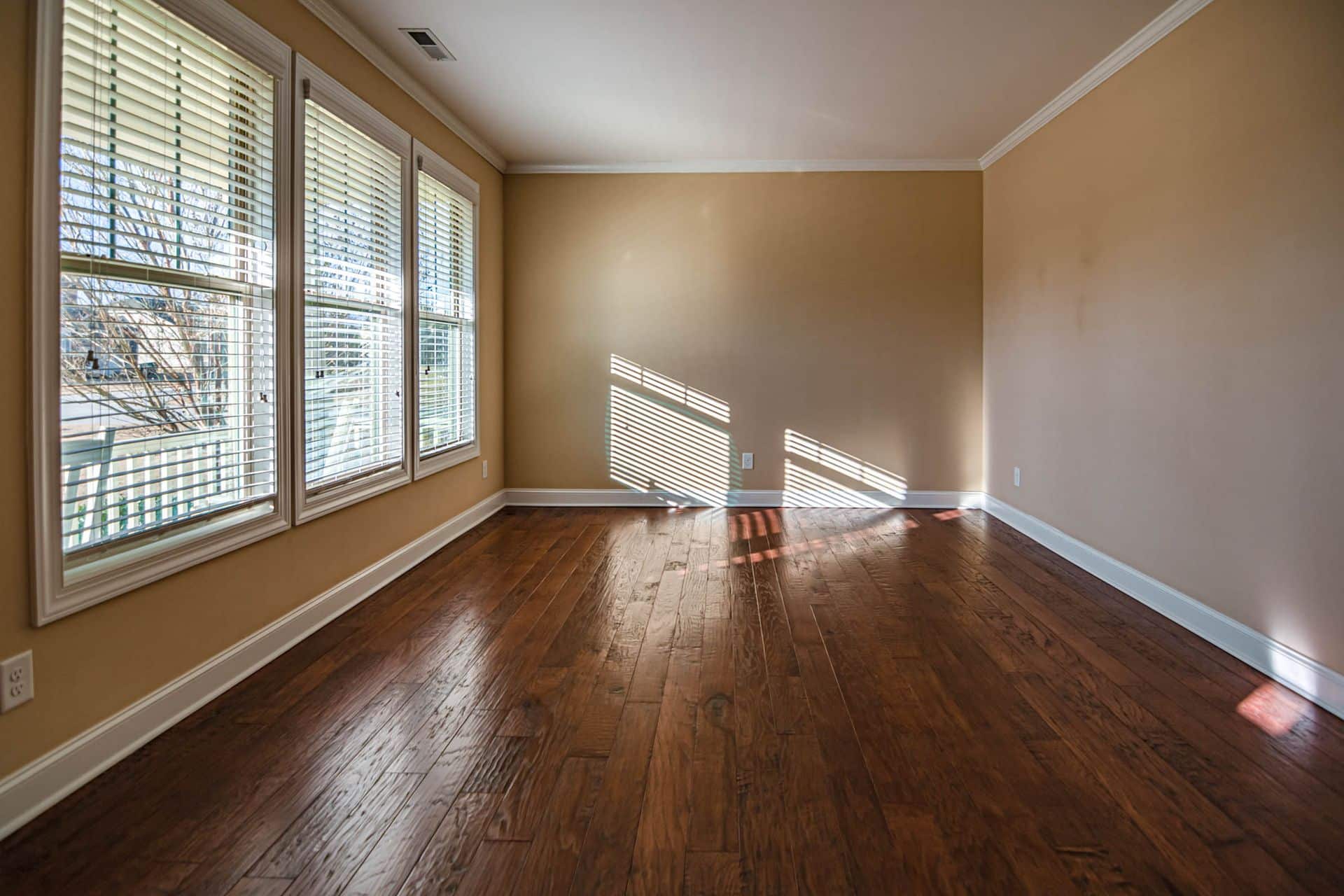
Arriving at her temporary quarters, she encountered a sparsely furnished space equipped only with minimal stock furniture. Having brought a tiny fraction of her belongings, she spent her first afternoon integrating her possessions into the sparse environment. This stark transition provided an immediate contrast to her usual living arrangements, offering unexpected lessons on how physical environments influence mental clarity and daily habits.
The first major realization centered around the concept of consumption and waste management. Furnished temporary housing often comes stocked with hotel-sized portions of everyday products. Accustomed to a hoarding mentality—the inclination to save tiny items for hypothetical future needs—Mia faced a choice upon bringing her own toiletries and cleaning supplies. Instead of accumulating the substandard complimentary items, she chose to use them up completely. By discarding the containers once empty, she immediately reduced the physical and mental clutter in her space. This experience transformed her outlook on "use it up" decluttering, proving that finishing undesirable products rather than saving them can free up valuable real estate in both the home and the mind.
Navigating the emotional adjustment of being away from home also reshaped her approach to interior styling. As a self-described homebody, adapting to unfamiliar surroundings proved initially jarring. To counteract this, she altered her strategy regarding personal mementos. Instead of folding away her colorful throw blanket or stacking her books neatly on a bedside table out of sight, she integrated these few cherished items directly into the living space. By allowing these personal belongings to serve a dual purpose—providing both utility and aesthetic warmth—she discovered a way to make the sparse apartment feel homelier without resorting to useless accumulation.
This philosophy of intentional utility extended even to basic kitchen utensils. Managing sensory issues that cause a severe aversion to the clinking sound of metal silverware, Mia initially relied on plastic takeout cutlery upon her arrival. The situation evolved when a visiting friend presented her with a small wooden spoon for her birthday. Paired with a simple set of chopsticks, this single wooden implement became her exclusive utensil, rendering the apartment’s entire drawer of standard silverware obsolete. The experience reinforced the principle that owning a single item perfectly suited to one’s needs brings far more value than maintaining a collection of mediocre alternatives.
Beyond physical possessions, the relocation drastically altered her social calendar and daily routine. With only a few local acquaintances nearby, her social schedule shrank considerably compared to her bustling life back home. While this initial reduction felt bittersweet given her affection for her friends, the resulting solitude proved remarkably energizing. Although she acknowledges the human contradiction of craving constant connection while simultaneously thriving on quiet independence, the unstructured time created a harmonious daily flow.
Without social obligations pulling her in multiple directions, her daily habits streamlined effortlessly. Morning gym visits became a seamless part of her routine, her temporary apartment remained consistently spotless, and she found significantly more time to prepare nutritious meals. Furthermore, the quiet environment afforded her the mental space needed to catch up on professional responsibilities, including the management of a business acquisition she completed a few months prior. While she intends to reintroduce social activities and hobbies—such as game nights with old friends and a return to fight training now that her energy has returned—she noted that the extended period of solitude provided unexpected professional and personal productivity.
However, the experiment also highlighted how quickly physical items can accumulate, even in a temporary space. Within just three weeks of arrival, the subtle threat of clutter began to materialize. Celebrating her birthday meant welcoming new gifts into her living quarters, including a small trampoline positioned nearby. A collection of saved plastic food storage containers quickly filled a kitchen cabinet, illustrating the natural inward flow of consumer goods characteristic of modern households. Recognizing that items will inevitably pile up permanently unless an intentional counter-flow is maintained, she quickly returned to her established passive decluttering practices to keep the accumulation at bay.
While the primary objective of the relocation—confirming whether her permanent home was the root cause of her health issues—has yielded positive preliminary results, the implications present a complex reality. Discovering that her environment plays a critical role in her well-being offers a clear path forward, albeit one tied to the complicated task of addressing her permanent living situation. For now, equipped with renewed mental clarity and insights drawn from weeks of minimalist living, she plans to continue managing her temporary routine while preparing for upcoming community projects, including a scheduled holiday decluttering challenge.