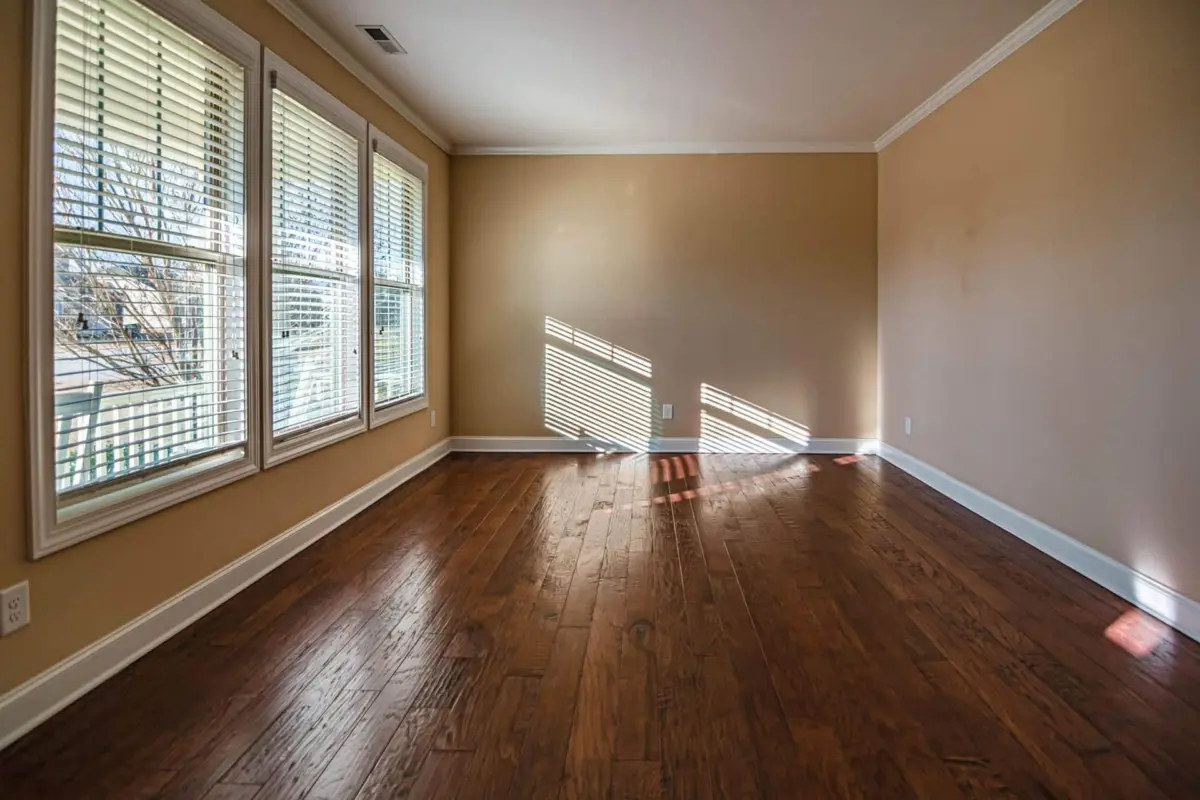
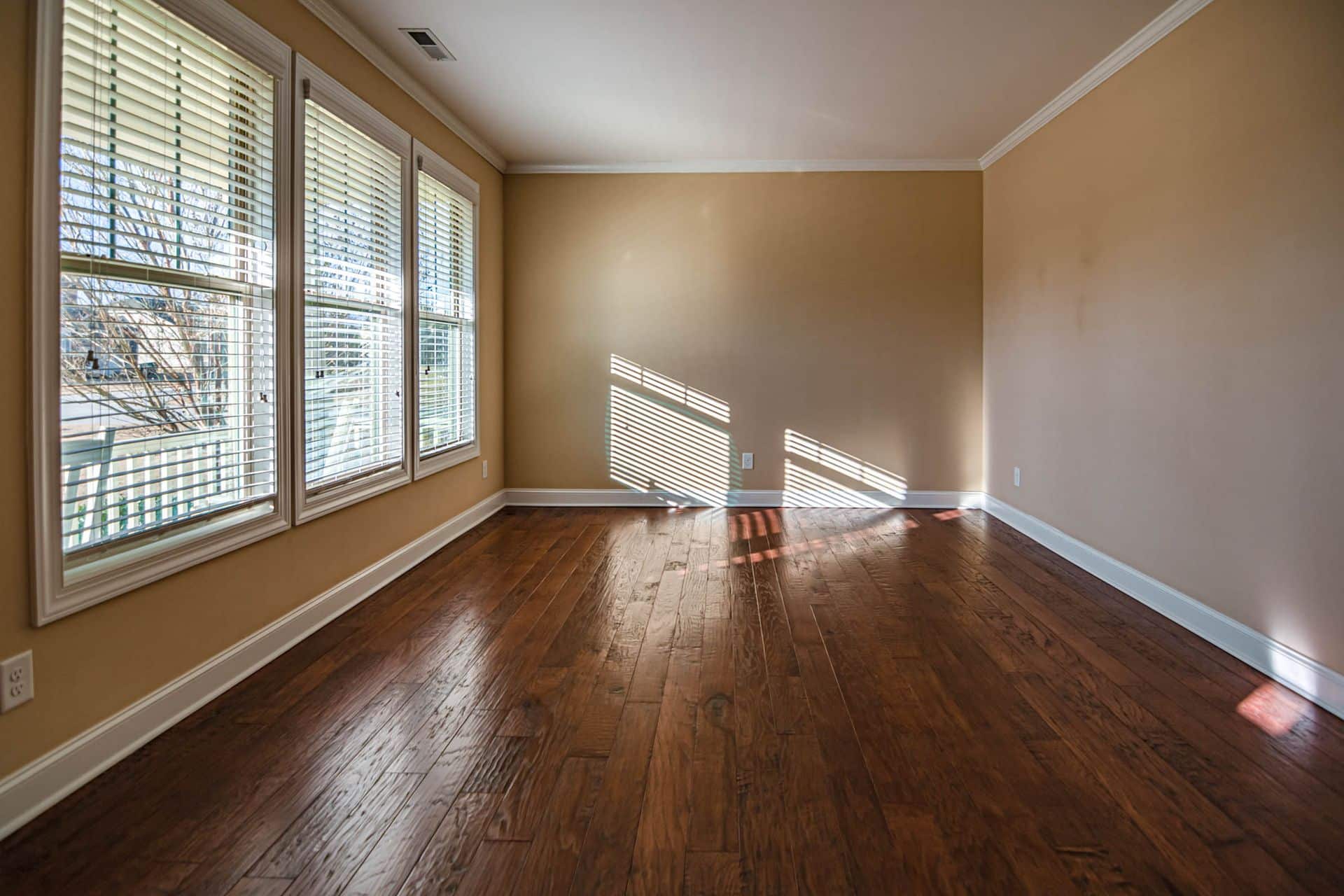
The relocation began a few weeks ago, requiring a deliberate paring down of belongings. Packing daily essentials, critical work equipment, and just enough personal items to maintain a sense of familiarity, Mia arrived at her new temporary residence to find a blank slate. The apartment offered only bare-bones stock furniture, forcing her to settle a minimal amount of personal property into a vast, empty space. This stark transition provided an unintentional laboratory for studying how physical environments influence human psychology, building on previous observations she has made regarding the psychological toll of living in cluttered surroundings.
For years, the writer admits, she carried a familiar hoarding mentality common in modern consumer culture—the instinctive urge to save small, inferior items for a hypothetical future moment of need. However, confronted with the hotel-sized portions of everyday toiletries and cleaning supplies left behind in the furnished rental, a different approach took hold. Rather than cataloging and preserving items that offered no genuine utility or aesthetic pleasure, she made the conscious choice to use them up completely. By burning through subpar products and discarding the empty containers immediately, she reduced the physical and mental footprint of unnecessary goods in her immediate surroundings. This practical exercise reinforced a philosophy of intentional consumption, emphasizing the psychological benefits of exhausting what one already owns before acquiring more.
The experiment also reshaped her relationship with interior decor and personal belongings. As a self-described homebody, adapting to an unfamiliar space presented a unique psychological hurdle. To bridge the gap between a sterile rental and a comforting home, she adopted a strategy of styling with functional items. Instead of folding away a colorful throw blanket or packing books neatly onto a bedside table out of sight, she allowed these personal objects to remain visible throughout the living space. By letting functional items serve a dual purpose—providing daily utility while simultaneously adding warmth and character—she discovered a way to make a sparse environment feel deeply personal without introducing arbitrary clutter.
This philosophy of prioritizing pure utility and personal resonance extended directly to everyday tools, most notably demonstrated by a recent birthday gift from a visiting friend. Dealing with sensory sensitivities that make the clink of traditional metal silverware a source of genuine physical nausea, Mia had initially resorted to saving plastic cutlery from takeout meals to avoid using the metal utensils provided by the apartment. The introduction of a perfectly sized, hand-crafted wooden spoon from her friend changed the dynamic entirely. Now relying exclusively on that single wooden spoon and a pair of chopsticks, she found that the remainder of the apartment’s utensil drawer had become entirely obsolete. The experience underscored a broader principle regarding material possessions: that owning a single item that serves its purpose flawlessly—and brings genuine joy in the process—is infinitely superior to maintaining a drawer full of mediocre alternatives.
Beyond material possessions, the relocation has had a profound impact on her social calendar and daily routine. While her social interactions are currently limited compared to her bustling life back home—a reality that initially felt difficult given her deep appreciation for her friends—the resulting solitude has proven remarkably energizing. Balancing a natural desire for constant connection with a genuine biological need for alone time, she found that a clear schedule and an easily manageable living space transformed daily life into a remarkably frictionless experience.
Morning routines, including walks to the gym for workouts, have become effortless. The apartment remains consistently spotless, leaving ample time and mental bandwidth for preparing healthy meals. Furthermore, this unexpected windfall of free time has allowed her to get ahead on professional obligations, including running a business she acquired a few months prior, while finally carving out the mental space necessary to resume writing. Although she intends to reintroduce social activities and hobbies into her routine as she settles in—such as hosting game nights with longtime friends and returning to fight training now that her physical energy has begun to return—the interim period of enforced quiet has highlighted the profound productivity and restorative power of solitude.
Yet, the experiment also offered a sharp reminder of how quickly physical disorder can accumulate within contemporary domestic spaces. Within just three weeks of arrival, the subtle threat of accumulating belongings became palpable. Following her recent birthday, new gifts and personal items—including a trampoline positioned nearby—began to occupy valuable floor space. Even a deliberate attempt to start with almost nothing resulted in a kitchen cabinet rapidly filling with plastic containers saved for food storage.
This rapid accumulation highlighted a structural reality of domestic life, particularly within the United States: the natural flow of consumer goods is relentlessly directed inward toward the home. Without establishing a deliberate, counteractive flow of items back outward, domestic spaces inevitably become saturated with possessions over time. To combat this, she has begun reintegrating passive decluttering strategies, utilizing habitual maintenance techniques to stay ahead of the accumulation curve before minor items harden into permanent clutter.
Crucially, the primary objective of this three-month displacement—assessing whether her living environment was the root cause of her chronic health issues—has yielded preliminary results. According to the writer, the experiment is actively helping, marking the first genuine improvement in her health that she has observed in years. While this brings welcome relief, it introduces a complex personal challenge, given that her primary residence remains tied to the environment she is currently attempting to escape. Processing that reality is a problem she intends to tackle utilizing the mental clarity afforded by her current surroundings. As she prepares for upcoming seasonal decluttering initiatives, the temporary relocation continues to serve as an intensive study in the tangible benefits of living with less.