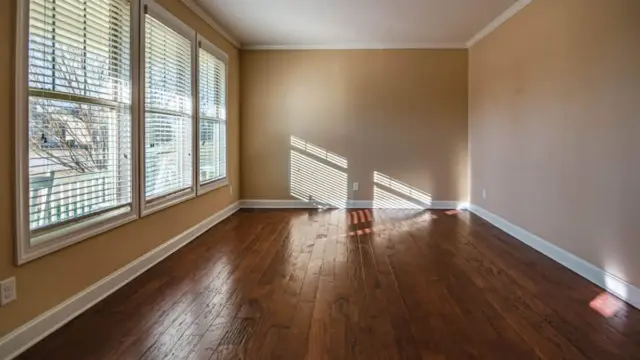

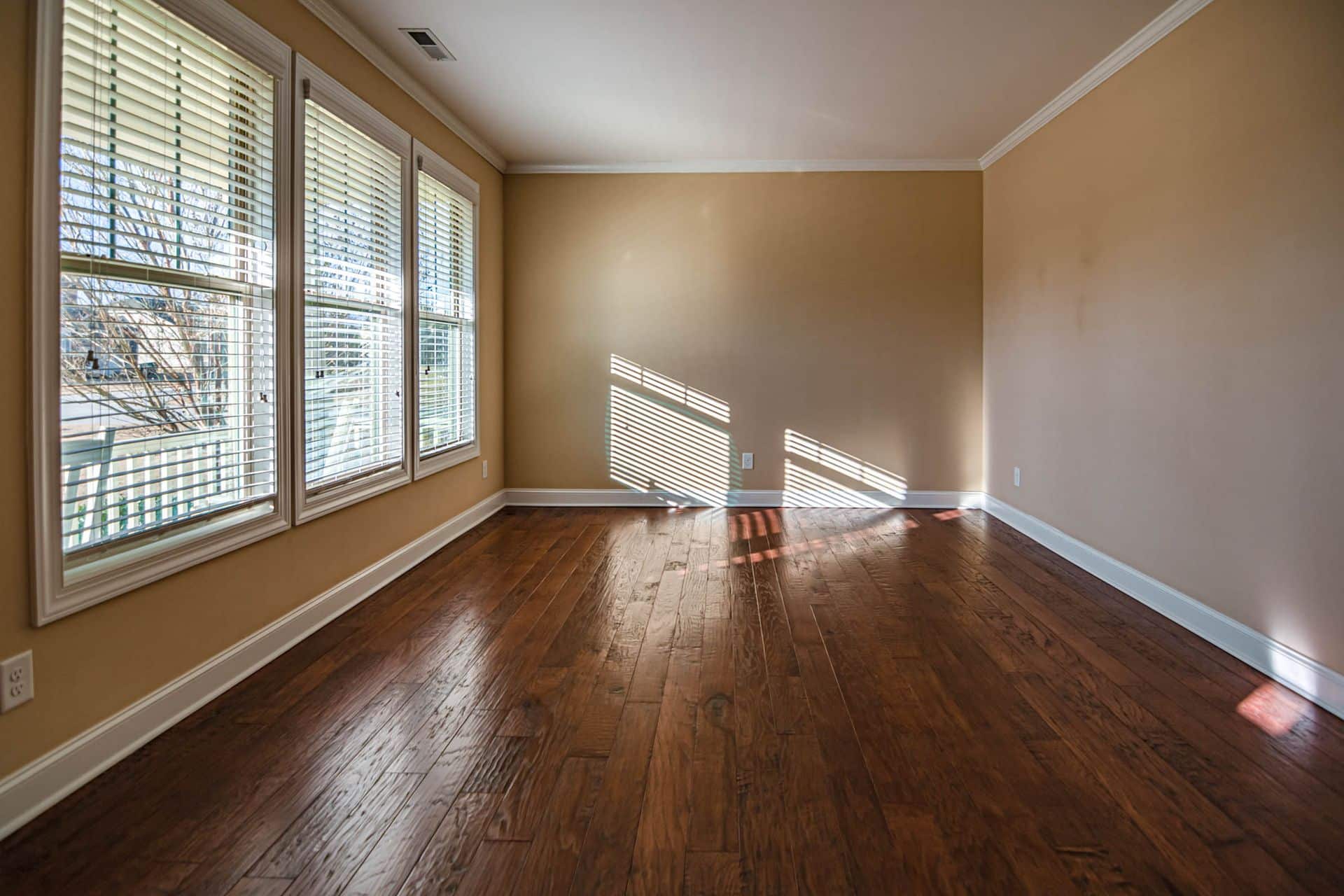
Stepping away from a permanent residence filled with years of accumulated belongings forced Mia into an immediate confrontation with space, utility, and clutter. Renting an apartment with minimal stock furniture meant settling her modest amount of personal items into a vastly reduced footprint. While the transition was stark, it provided an unexpected masterclass in intentional living, mirroring lessons she had previously learned from navigating cluttered environments. As she settles into the third week of her remote trial, the experience has yielded several notable realizations regarding consumption, daily habits, and the psychological weight of physical possessions.
Among the first lessons to emerge from the temporary living arrangement was the philosophy of exhausting existing supplies rather than hoarding them for a hypothetical future. Furnished temporary rentals typically stock hotel-sized portions of everyday products. Having brought her own toiletries and cleaning supplies from home, Mia found herself surrounded by redundant utility items. In the past, a hoarding mindset might have dictated saving these miniature containers for a time when they might miraculously prove useful. Instead, she chose to use them up completely. Recognizing that these were often the least appealing versions of everyday products, she reasoned that saving them offered zero enrichment to her life. By consuming them first, tossing the empty containers, and moving forward with fewer items, she immediately freed up both physical space and mental real estate.
The physical constraints of the temporary apartment also reshaped her approach to interior decor. As an avowed homebody, being displaced from her permanent residence and familiar surroundings proved to be a psychological challenge. To combat feelings of displacement, she adopted a strategy of functional decoration. Instead of folding away her colorful throw blanket into a storage chest, she draped it across the couch. Rather than cramming her books onto a crowded bedside table, she propped them purposefully throughout the living space. By allowing everyday items that looked warm and aesthetically pleasing to remain in plain sight rather than tucked away in drawers, she managed to humanize the sterile, temporary space. With only a few mementos on display, the approach avoided looking cluttered, demonstrating that styling with functional items allows them to serve a dual purpose without adding useless baggage to the home.
Personal comfort items also took on a new significance during the relocation, underscored by a birthday gift from a visiting friend. Dealing with sensory issues that make the clinking of metal silverware uniquely nauseating, Mia had initially resorted to saving plastic cutlery from takeout meals during her first days in the apartment. However, the arrival of a small wooden spoon gifted by a dear friend completely transformed her routine. The item not only solved a sensory challenge but also evoked a warm connection to home every time she used it. Relying exclusively on this particular spoon and a pair of chopsticks rendered the remainder of the apartment’s utensil drawer entirely obsolete. The experience reinforced the principle that a single item serving its purpose perfectly brings far more value than a drawer full of uninspired alternatives.
Beyond the physical environment, the relocation drastically restructured Mia’s social calendar and daily rhythms. With only a few acquaintances nearby compared to her bustling network back home, her social schedule shrank significantly. While initially daunting for someone who deeply values her friendships, the sudden solitude proved to be profoundly energizing. Navigating the delicate human contradiction of craving constant connection while simultaneously thriving on quiet alone time, she found her daily productivity soaring. Unburdened by complex household chores and extensive social obligations, her routine fell into a seamless pattern. Morning walks to the gym for workouts became effortless, her temporary apartment remained perpetually spotless, and she found significantly more time to prepare wholesome, nourishing meals.
The newfound mental bandwidth also allowed her to stay comfortably ahead on professional obligations, particularly managing a business she acquired a few months prior. This rare surplus of time and clarity finally provided the space to document her thoughts and experiences for her readership. While she harbors clear intentions to reintroduce structured social activities and physical training into her routine as she settles in—such as organizing game nights with friends back home and picking up fight training now that her energy has returned—the initial period of enforced solitude proved instrumental for her productivity and well-being.
Yet, the experiment also offered a stark reminder of how rapidly physical possessions can accumulate, even in a minimalist setting. Despite driving to her new residence with almost nothing, the natural cadence of daily life in the modern consumer landscape began exerting pressure within a matter of weeks. Celebrating her recent birthday brought new gifts into the home—including a small trampoline sitting nearby as she writes—while daily routines quickly populated kitchen cabinets with saved plastic food storage containers. Observing this rapid influx highlighted a fundamental truth about domestic spaces: the natural flow of items is perpetually directed inward. Without deliberate, sustained efforts to create a corresponding flow outward, possessions inevitably pile up indefinitely. To combat this impending tide, she quickly reinstated her regular passive decluttering practices, utilizing targeted strategies to stay safely ahead of the accumulation curve.
As for the broader objective of the relocation experiment, the results thus far have been encouraging. The noticeable improvement in her health marks the first genuine progress she has observed in years, validating her initial suspicions regarding her permanent home. At the same time, the reality remains complex, as the positive changes require her to reside far away from her established life. Processing these findings is a challenge she intends to tackle using the newly cleared mental space provided by her minimalist surroundings. Meanwhile, as she continues to monitor her health and adjust to her temporary environment, preparations for upcoming community initiatives—such as the planned Holiday Decluttering Challenge—remain actively underway.