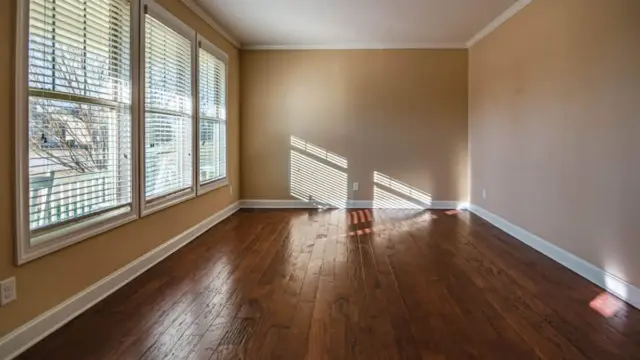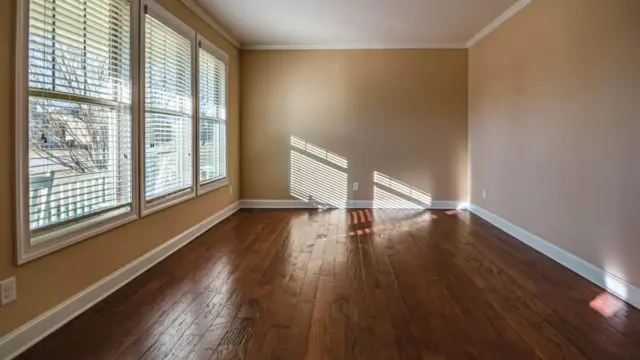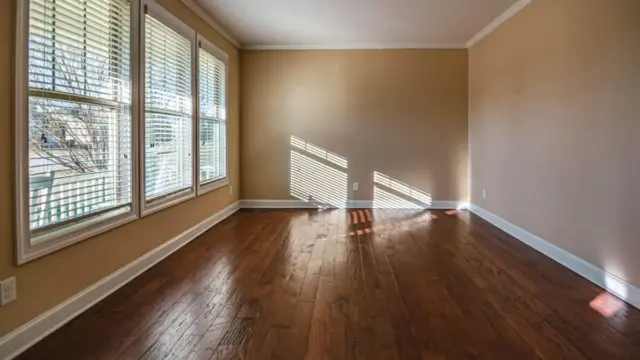
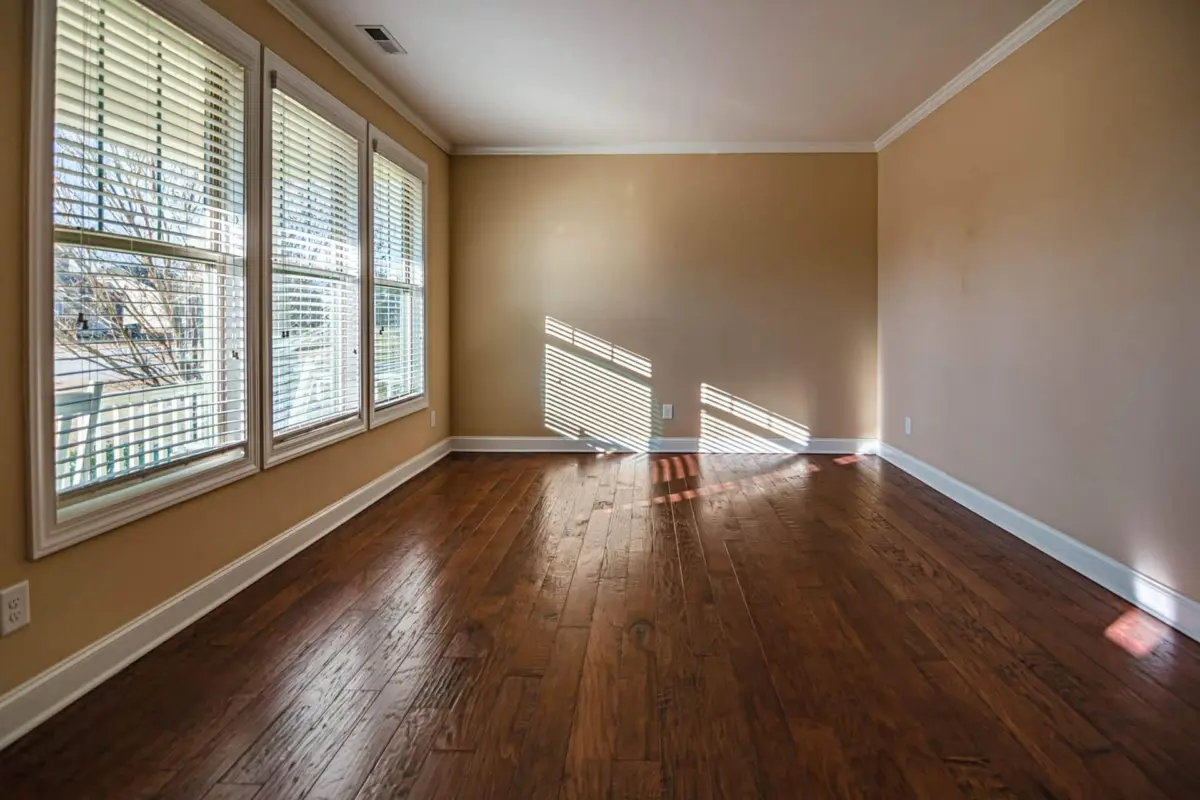
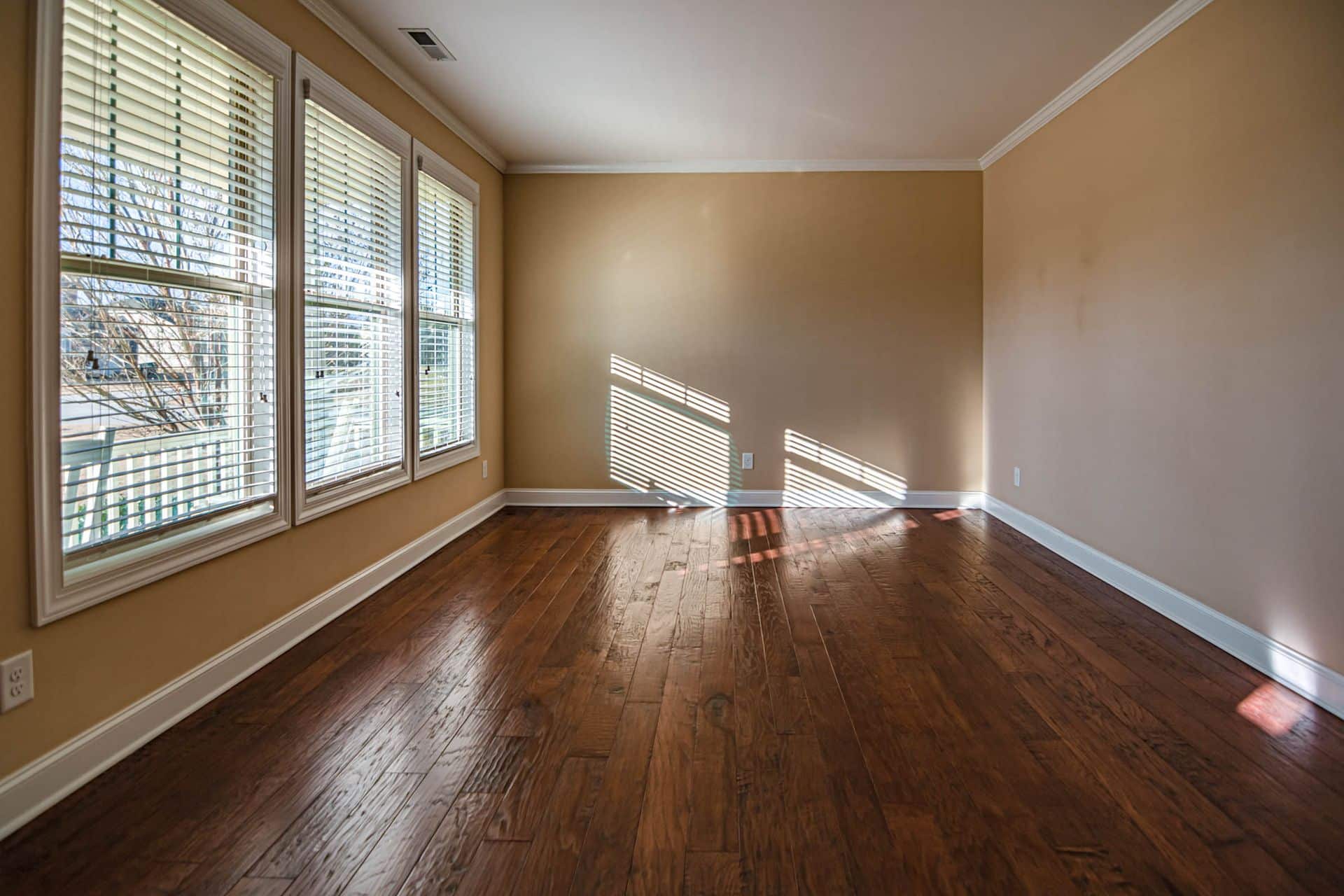
Arriving at her temporary home, she found a space equipped with minimal stock furniture. Spending her first afternoon settling a tiny fraction of her belongings into the sparse environment, she inadvertently opened the door to a profound lesson in clutter, spatial awareness, and minimalism—themes she has previously explored through her writing.
The early results of the health experiment have brought both relief and complexity. Mia reports that her health has shown its first real improvement in years, marking a significant development in a struggle that has lasted for a long time. However, the revelation that her primary residence may be contributing to her declining health introduces a complicated dilemma, one she intends to address utilizing the newfound mental clarity afforded by her current lifestyle.
Living in a spare, minimalist space for nearly a month has shifted her perspective on daily routines and personal consumption in several distinct ways.
Use It Up
Part of the typical experience of renting a furnished apartment involves encountering hotel-sized portions of everyday products. Having brought her own toiletries and cleaning supplies from home, Mia initially viewed these complimentary provisions as redundant extras.
In the past, she admits, a hoarding mentality might have taken over—the impulse to save tiny, disposable items for some hypothetical future moment of necessity. This time, however, she adopted a different strategy: she simply used them up. Recognizing that these products represented the bare minimum in quality and would not enrich her life if saved, she consumed them entirely, discarded the empty containers, and eliminated unnecessary clutter from both her physical environment and her mind. The experience has made her a stronger proponent of intentional depletion strategies than ever before.
Functional Decor
As a self-described homebody, transitioning away from her familiar surroundings and belongings presented a unique psychological hurdle. To bridge the gap, she chose to display the few personal items she brought along rather than tucking them away. She draped a colorful throw blanket over the couch instead of folding it neatly out of sight and propped her books throughout the apartment rather than stacking them on a bedside table.
Items that carried a homey, comforting aesthetic earned a visible place in the room. While such an approach might border on clutter in a heavily furnished home, among only a few cherished mementos, it served to warm up the sparse interior. By styling the space with functional items already in her possession, those objects served a dual purpose, making the temporary apartment feel like home without generating useless waste or visual noise.
Finding Utility in the Essentials
Personal preferences and physical sensitivities often dictate how we interact with our immediate environment. For Mia, who deals with sensory issues and experiences nausea from the sound of clinking silverware, standard metal utensils presented an immediate obstacle. On her first day in the apartment, she saved plastic cutlery from takeout orders to avoid using the metal utensils provided by the landlord.
The situation evolved when a visiting friend gave her a small wooden spoon for her birthday. Perfectly sized and deeply sentimental, the item immediately replaced her need for conventional cutlery. Because she now relies exclusively on that wooden spoon and a pair of chopsticks for her meals, the remainder of the apartment’s utensil drawer has been rendered entirely obsolete. The experience underscored the principle that a single item serving its purpose perfectly brings far more value than a drawer full of unused alternatives.
The Impact of Solitude and Simplified Schedules
The temporary relocation has also brought a dramatic contraction of her social calendar. While she has a few acquaintances nearby, her local network cannot compare to the community she left behind. Initially viewed as a downside, this reduction in social obligations has instead proven remarkably energizing.
Thriving on solitude while simultaneously cherishing her loved ones creates a human contradiction, yet the cleared schedule has imparted an unexpected sense of ease. With a living space that requires minimal maintenance, daily routines have streamlined. Mornings now feature effortless walks to the gym for workouts, the apartment remains consistently spotless, and significantly more time is dedicated to preparing healthy meals.
Furthermore, having acquired a business a few months prior—a venture that kept her largely quiet professionally—the additional spare time and mental space have finally enabled her to resume writing. While she plans to reintegrate social activities and hobbies, such as game nights with old friends and returning to fight training now that her energy has returned, the period of extended solitude has proven profoundly productive.
The Speed of Accumulation
Despite the minimalist environment, the experiment highlighted how rapidly physical possessions can multiply. Just three weeks into her stay, the subtle threat of accumulating clutter has already made its presence known.
Following her birthday, new gifts brought into the apartment instantly claimed physical territory—culminating in a trampoline positioned right beside her workspace. Despite driving to her temporary home with almost nothing, her kitchen cabinets have rapidly filled with plastic containers saved for food storage. Observers of modern consumer habits note that the natural flow of items within a household is inherently inward. Without a deliberate, matching flow of items leaving the home, possessions inevitably pile up over time.
To combat this phenomenon, she has resumed active decluttering practices, utilizing passive strategies to maintain control before clutter becomes an overwhelming problem.
As the three-month experiment continues, the preliminary success offers a clear path forward. While resolving the underlying issue tied to her primary residence remains a complex challenge, the mental space gained during this period provides the clarity needed to address it. Meanwhile, upcoming projects, including a planned holiday decluttering challenge, remain on the horizon as she navigates this transitional phase of her life and health journey.