
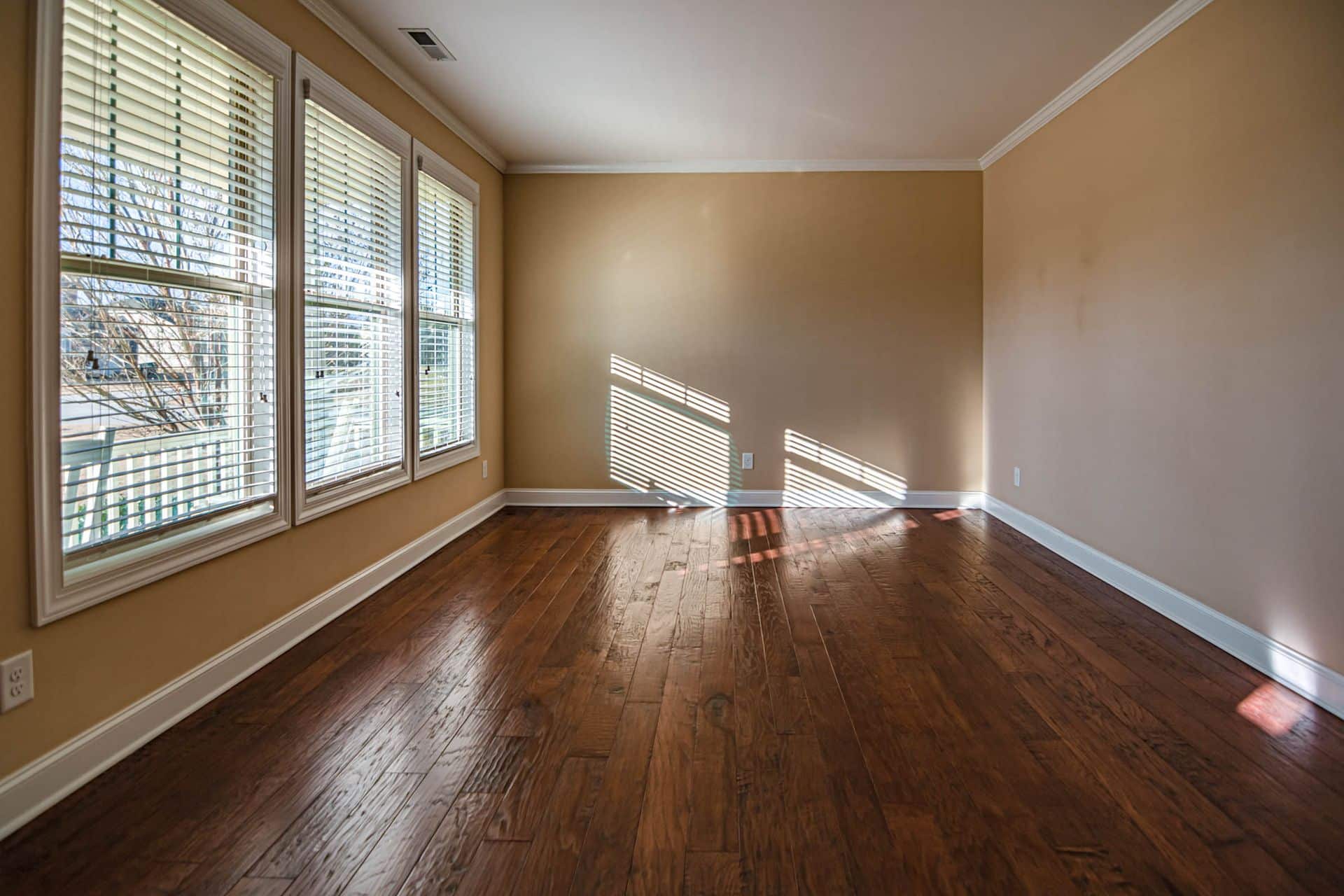
Arriving at her destination, she settled into a sparsely furnished apartment chosen specifically to facilitate the simplest possible transition. With her belongings taking up a fraction of the available space amidst the minimal stock furniture, the environment quickly became an accidental masterclass in clutter, minimalism, and intentional living. Three weeks into the three-month experiment, the shift has provided unexpected insights into daily habits, consumption, and the psychological weight of physical objects.
1. Use It Up
Part of the reality of renting a furnished short-term space is inheriting the remnant items left behind by previous occupants, including hotel-sized portions of everyday essentials. Having brought her own toiletries and cleaning supplies, Mia initially viewed these small products as redundant extras. In the past, she admits, a hoarding mentality might have taken over—the impulse to squirrel away tiny containers for some hypothetical future moment of need.
This time, however, the approach shifted entirely. Choosing to systematically use up the inferior hotel-sized products rather than saving them eliminated the mental clutter associated with maintaining unnecessary inventory. Because these items were often the least desirable versions of everyday goods, preserving them added no real value to her life. By consuming them first and immediately discarding the empty containers, she freed up both physical real estate in her temporary home and cognitive space in her daily routine. The experience cemented a stronger-than-ever preference for active decluttering through consumption rather than accumulation.
2. Functional Decor
As an admitted homebody, adjusting to life away from her familiar surroundings and personal belongings proved to be a psychological challenge. To combat the sterility of the bare-bones apartment, Mia adopted a strategy of displaying the few personal items she brought along, rather than tucking them away out of sight. A colorful throw blanket was draped casually over the couch instead of being folded away, and favorite books were propped up across various surfaces rather than stacked out of sight on a bedside table.
Any item possessing a semblance of warmth or aesthetic comfort was granted a visible spot in the living quarters. While such an approach might risk looking cluttered in a fully furnished home, against the backdrop of sparse stock furniture, it successfully imparted a sense of warmth and familiarity. By styling the living space with items that served a dual purpose—providing both utility and personal comfort—she managed to create a welcoming atmosphere without introducing useless clutter.
3. This Spoon
The challenges of sensory issues introduced unique hurdles to daily life in the new apartment. Particularly sensitive to the sound and sensation of clinking silverware, which frequently induces nausea, Mia initially relied on plastic cutlery saved from takeout meals during her first days in the space to avoid using the metal utensils provided by the landlord.
The situation shifted when a friend visited for her birthday and gifted her a small wooden spoon. Perfectly sized and inherently comforting, the item immediately solved her utilitarian needs while carrying sentimental value that brought a reminder of her friend with every use. Between this dedicated spoon and a trusty pair of chopsticks, her entire utensil needs were met, rendering the rest of the apartment’s cutlery drawer entirely obsolete. The experience reinforced the principle that a single item serving its purpose perfectly—especially one that brings genuine joy—is far superior to a drawer filled with conventional options that fall short of personal needs.
4. Alone Time
Among the most noticeable changes in the temporary environment is the dramatic reduction in social engagements. While she maintains contact with a few nearby acquaintances, her local social calendar is remarkably sparse compared to life back home. Although acknowledging a deep affection for her friends and a lingering initial reluctance, Mia discovered that the resulting solitude has proven profoundly energizing.
Balancing a desire to remain constantly connected with loved ones while simultaneously thriving on periods of intense alone time highlights a fundamental human contradiction. Yet, with her daily schedule largely freed from external obligations and her minimalist living space requiring minimal maintenance, daily life streamlined considerably. Mornings now feature effortless walks to the gym for regular workouts, the apartment remains effortlessly spotless, and significantly more time is dedicated to preparing healthy meals.
Furthermore, having purchased a business a few months prior—a development that kept her relatively quiet professionally—she has finally accumulated the spare time and mental space required to write and reflect. While she fully intends to reintroduce social activities and hobbies, such as game nights with friends from back home and resuming fight training now that her energy levels have rebounded, the intentional pause underscored the immense productivity and rejuvenation found in solitude.
5. Clutter Comes Fast
Despite arriving with almost nothing, the reality of how quickly physical possessions accumulate became apparent within just three weeks. Following her birthday, new gifts entered the apartment—bringing genuine happiness alongside an immediate footprint on her limited space, exemplified by a trampoline sitting nearby as she types. Similarly, a single trip to the kitchen resulted in an accumulating collection of saved plastic food storage containers.
This rapid influx highlighted a fundamental reality regarding household consumption patterns: the natural momentum of items within a home is consistently inward. Without establishing an equally deliberate outward flow, possessions inevitably accumulate indefinitely. To combat this phenomenon, she quickly reinstated regular decluttering habits, utilizing passive strategies that proved remarkably effective at staying ahead of potential accumulation before it becomes overwhelming.
So… Did It Help?
For those following the trajectory of the experiment, the preliminary results offer encouraging news. The relocation has yielded the first genuine, measurable improvement in her health in years. Yet, the revelation remains complex, carrying the sobering realization that her primary residence appears to be the underlying catalyst for her chronic physical struggles.
Processing these implications is a challenge she plans to tackle utilizing the newfound mental space afforded by her current lifestyle. For now, daily life continues with minimal distractions, ongoing preparations for an upcoming holiday decluttering challenge, and a steady return to her regular writing schedule.