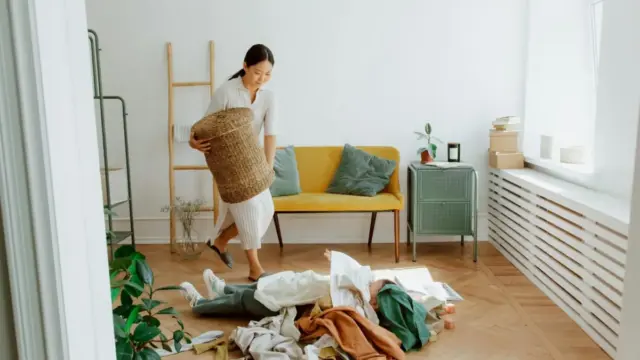
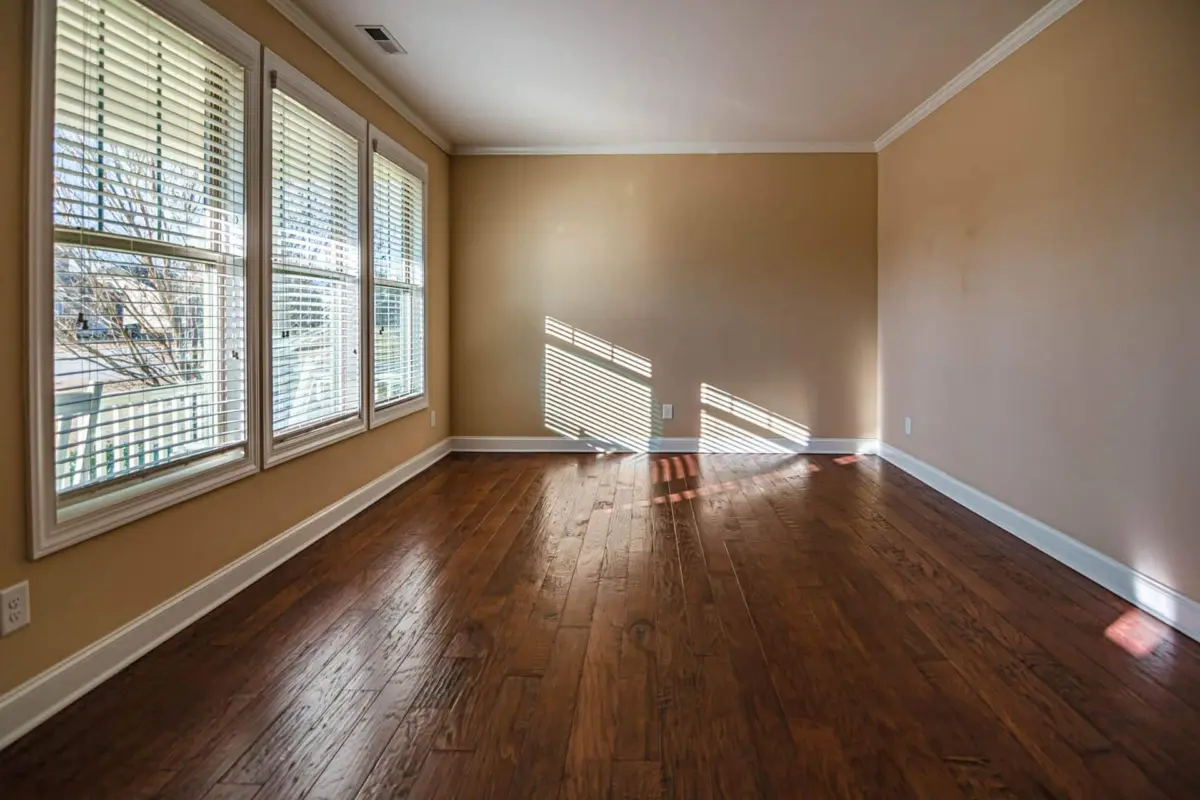
Upon arriving at her destination, she settled into a sparsely furnished temporary apartment designed for a simple, low-friction transition. Spending her first afternoon arranging her minimal belongings among the stock furniture provided valuable insight into the psychology of space. Living in a remarkably bare environment offered a distinct contrast to the cluttered conditions she had previously navigated, yielding several unexpected lessons about consumer habits, daily routines, and the psychological weight of physical objects.
1. Use It Up
Part of the typical furnished apartment experience involves inheriting hotel-sized portions of everyday convenience items. Although Mia had brought her own toiletries and cleaning supplies from home, these complimentary remnants sat in her cabinets as extras. In the past, she admits she would have fallen victim to a traditional hoarding mentality—saving tiny, inferior items for a hypothetical future moment when miniature provisions might somehow prove useful.
This time, however, she decided on a different approach: she simply used them up. Recognizing that these products were often the lowest quality versions of everyday essentials, saving them offered no genuine enrichment to her life. She had no enthusiasm for using them later, so consuming them immediately allowed her to discard the empty containers and clear both physical real estate and mental bandwidth. The experience transformed her into an even more ardent proponent of conscious, use-it-up decluttering strategies.
2. Functional Decor
As a self-described homebody, adapting to an unfamiliar space away from her personal belongings proved to be a psychological challenge. To combat this displacement, she chose to display the few sentimental items she had brought along, rather than hiding them away. A colorful throw blanket was draped casually over the couch instead of being folded into storage, and her personal book collection was propped purposefully throughout the apartment rather than stacked on a bedside table.
By giving everyday items with aesthetic value a visible home rather than banishing them to drawers, she made the sparse rental feel significantly warmer. While such a strategy could easily cross the line into visual clutter in a heavily furnished home, surrounding oneself with a restrained collection of mementos serves a dual purpose. It humanizes a sterile living environment without introducing useless, decorative baggage.
3. This Spoon
The importance of intentional utility was further highlighted by a birthday gift from a visiting friend: a small wooden spoon. Mia deals with sensory sensitivities, particularly a severe aversion to the sharp clinking sound of metal silverware against ceramic plates, which often triggers nausea. During her first days in the apartment, she had resorted to saving plastic takeout cutlery to avoid using the metal utensils provided by the rental.
The gifted wooden spoon solved this problem entirely. Because of her sensory needs, she now relies exclusively on this spoon and a pair of chopsticks, rendering the rest of the apartment’s utensil drawer functionally obsolete. The experience reinforced the idea that owning a single item that serves its purpose perfectly—especially one that brings genuine joy—vastly outperforms maintaining a drawer full of mediocre alternatives.
4. Alone Time
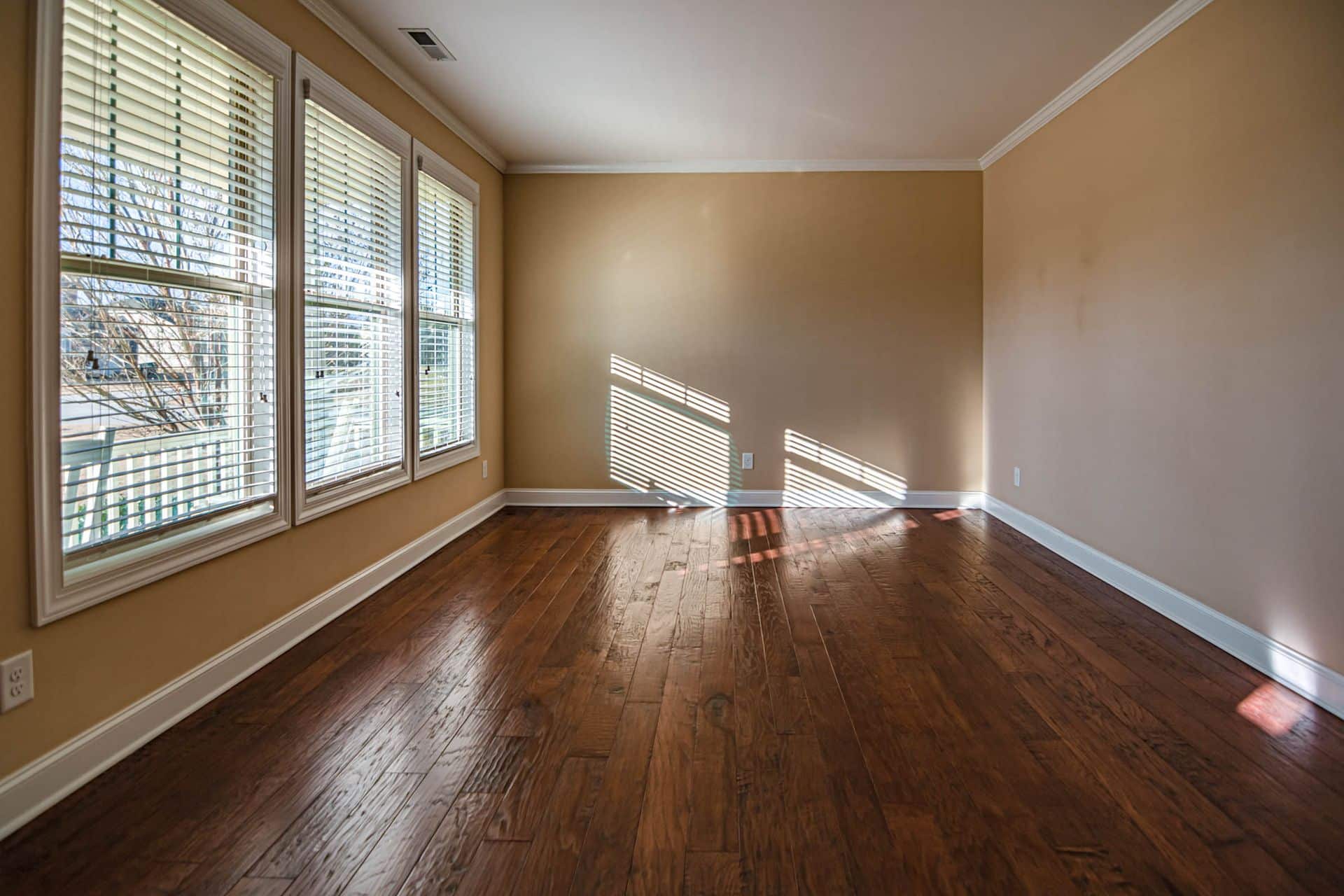
Another dramatic shift in her temporary lifestyle has been the sudden shrinking of her social calendar. While she has a few acquaintances nearby, her daily interactions pale in comparison to her bustling social life back home. Initially viewed as a minor drawback given her deep affection for her friends, this solitude has ultimately proven remarkably energizing.
Though she confesses to experiencing the very human contradiction of fiercely valuing her alone time while simultaneously resisting it in favor of constant socialization, the results speak for themselves. With a completely freed schedule and a living space that requires minimal maintenance, her daily life has grown remarkably streamlined. She effortlessly walks to the gym every morning for workouts, maintains a spotless apartment, and invests significantly more time into cooking healthy meals.
Furthermore, having acquired a business a few months prior—which kept her unusually quiet professionally—she has finally found the spare time and mental space to process her thoughts and write about her journey. While she plans to reintegrate regular social activities and hobbies, such as game nights with old friends and a return to fight training, the temporary retreat into solitude has unlocked unprecedented productivity and well-being.
5. Clutter Comes Fast
Despite the minimalist environment, Mia noted how quickly physical belongings attempt to reclaim their territory. Just three weeks into her stay, the natural accumulation of items had already begun. Following her birthday, new gifts brought into the apartment—such as a small trampoline sitting beside her desk—highlighted how rapidly possessions multiply.
Even a conscious effort to arrive with almost nothing resulted in a kitchen cabinet quickly filling up with saved plastic containers for food storage. This phenomenon underscores a broader cultural reality regarding the natural flow of consumer goods into households, particularly in the United States. Without an intentional, active flow of items back out of the home, clutter inevitably accumulates. To combat this, she has already begun re-implementing passive decluttering techniques to stay ahead of the curve.
So… did it help?
For those following her relocation experiment, the results thus far are encouraging. The move has yielded the first genuine, tangible improvements in her health that she has experienced in years, offering a promising confirmation of her initial suspicions about her permanent home.
At the same time, the realization presents a complex dilemma, given that her primary residence remains back across the country. It is a profound problem to solve, but one she is now uniquely equipped to tackle utilizing the newfound mental space and clarity provided by her experiment.
As she continues her three-month trial, she plans to maintain her writing schedule and prepare for upcoming community initiatives, including a planned holiday decluttering challenge for her audience.