A few weeks ago, writer and business owner Mia packed her compact Prius with daily essentials, work equipment, and a handful of personal items, embarking on a nineteen-hour drive to a completely new environment. The relocation was not born of wanderlust, but rather out of a pressing medical necessity: she suspects her permanent home may be the root cause of persistent, pervasive health issues that have eluded clear diagnosis for years.
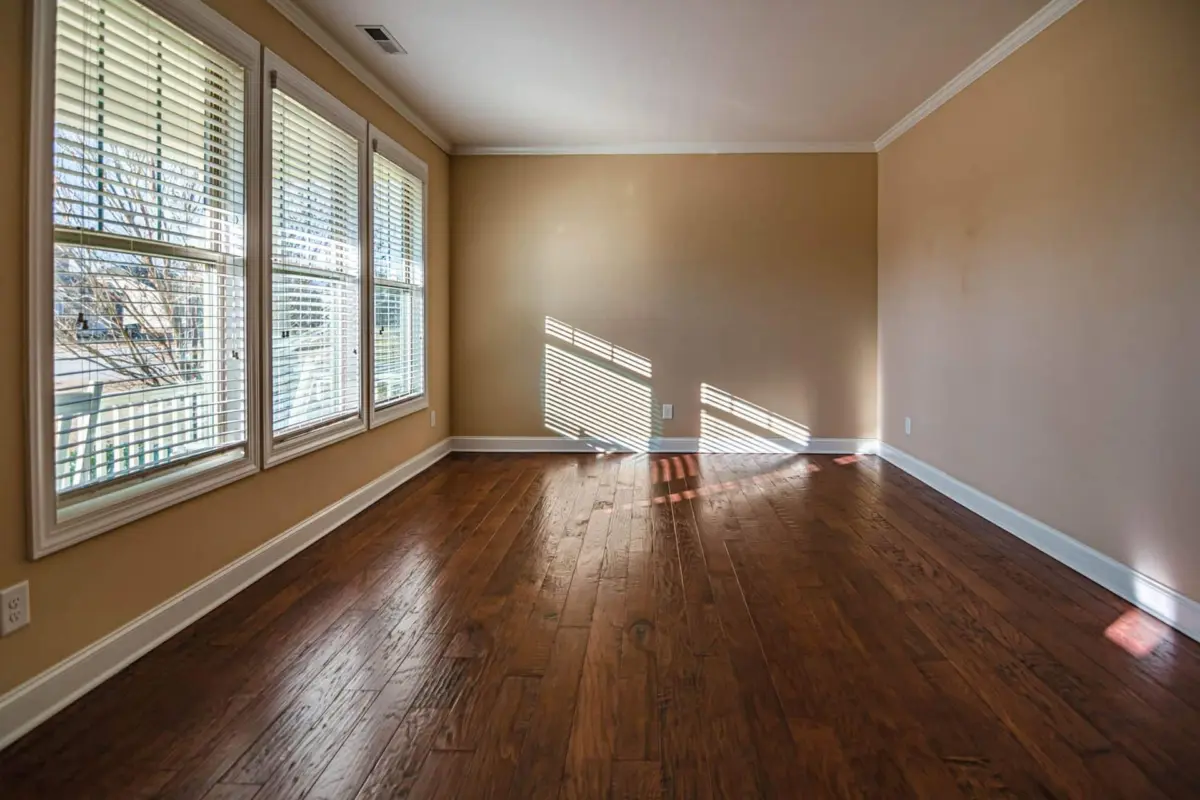
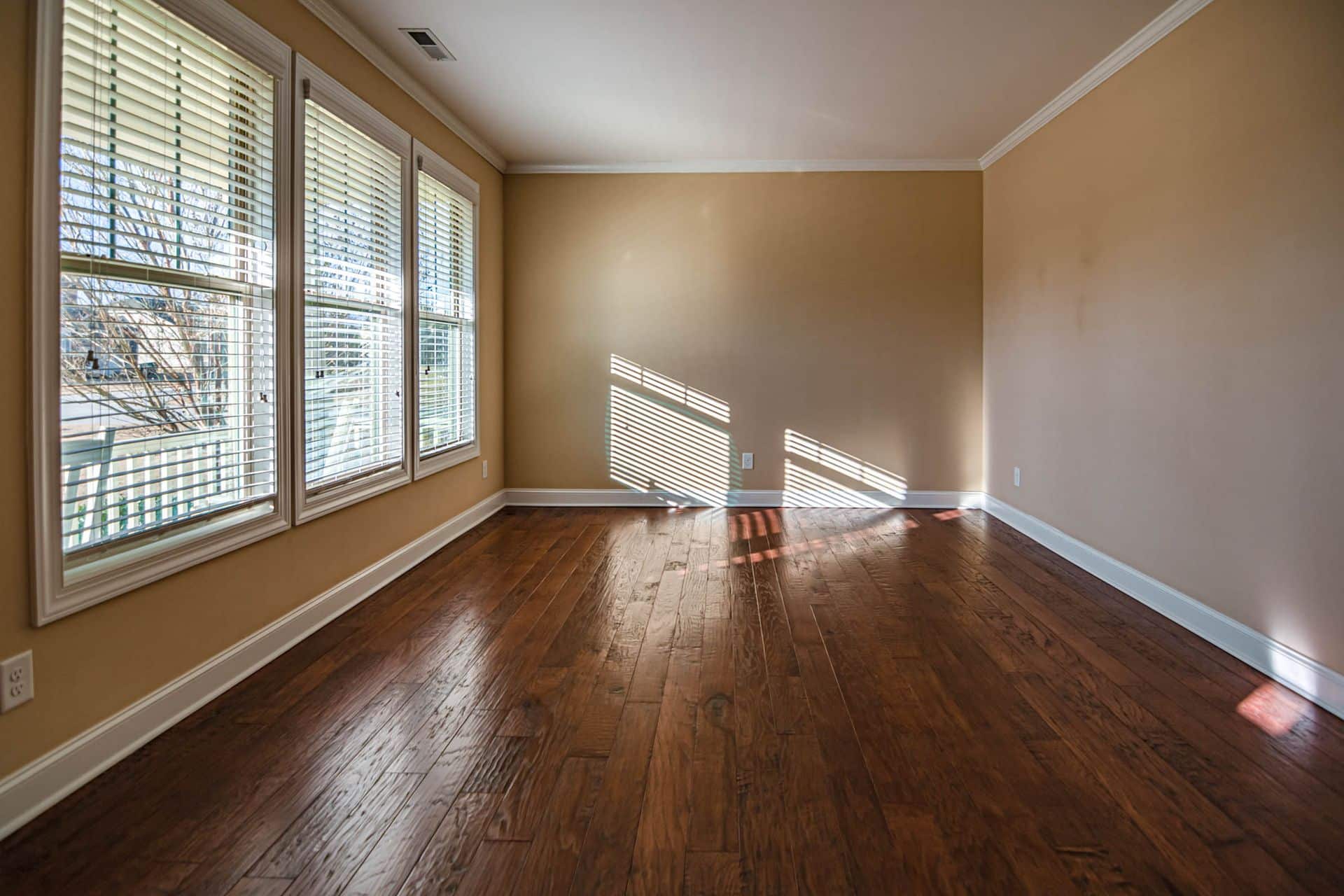
Rather than making an immediate, permanent move, Mia opted to run a controlled life experiment. She rented a sparsely furnished apartment three states away, planning to stay for three months to see if a change of scenery would alleviate her symptoms. Walking into the bare-bones space with only a tiny fraction of her usual belongings, she began settling into a minimalist routine among stock furniture. That transition, she reports, has offered unexpected insights into the psychological weight of clutter, the nature of daily habits, and the unexpected benefits of dramatic downsizing.
Early results from the health experiment have brought a mix of relief and logistical complications. Mia notes that the temporary relocation has yielded the first real improvement in her health in years. While the positive medical trajectory is welcome news, it introduces a complex long-term problem given that her primary residence remains back home. Fortunately, the mental space afforded by her simplified lifestyle may provide the clarity needed to address that challenge when the time comes.
1. Use It Up
Arriving at a furnished corporate apartment often means inheriting a collection of hotel-sized toiletries and leftover everyday items. Although Mia had brought her own toiletries and cleaning supplies, the apartment came stocked with these miniature extras.
In the past, she admits, she might have fallen into a hoarding mentality, saving the tiny containers for some hypothetical future scenario where miniature items might prove useful. This time, however, she decided on a different approach: she simply used them up. Recognizing that these products were often the lowest quality versions of everyday essentials, she understood that saving them would do nothing to enrich her life. By prioritizing their immediate use, she rapidly emptied the containers, discarded them, and freed up both physical space and mental real estate. The experience has made her a stronger proponent of conscious consumption and "use it up" decluttering strategies than ever before.
2. Functional Decor
As a self-described homebody, adapting to an unfamiliar space without her personal belongings proved to be a psychological challenge. To bridge the gap, Mia utilized the few personal items she had packed, displaying them intentionally rather than hiding them away. She draped her colorful throw blanket across the couch instead of folding it into a closet and propped her books throughout the rooms rather than stacking them on a bedside table.
By giving everyday personal items a visual presence rather than stashing them in drawers, she found a way to warm up the stark, minimal apartment. While such an approach could easily veer into visual clutter in a home filled with possessions, working with a strictly limited inventory allowed her personal mementos to serve a dual purpose. They added a comforting, homey atmosphere to the temporary living space without introducing useless clutter.
3. This Spoon
Sensory sensitivities can deeply influence how a person interacts with their environment. For Mia, the sound and feel of clinking silverware can induce nausea, a sensory hurdle that presented itself immediately upon arrival at the rental property. To avoid using the metal utensils provided with the apartment, she initially saved plastic cutlery from local takeout restaurants during her first day in town.
The situation shifted when a friend visited for her birthday the following week and gifted her a small wooden spoon. Perfectly sized and carefully crafted, the gift immediately resolved her utensil dilemma while serving as a daily reminder of her friend. Complementing the wooden spoon with a simple pair of chopsticks, she found that her entire culinary utensil needs were met by just two items, rendering the apartment’s standard cutlery drawer obsolete. The experience reinforced the idea that owning a single item that serves its purpose perfectly—especially one that brings genuine joy—is far more valuable than maintaining a drawer full of mediocre alternatives.
4. Alone Time
The most striking structural change in Mia’s daily routine has been the dramatic reduction in her social calendar. While she has a few friends living nearby, her current social life bears little resemblance to the bustling community she left behind.
Although she deeply values her relationships and initially viewed the quiet calendar as a downside, the solitude has proven remarkably energizing. Balancing a natural desire to be surrounded by loved ones with a personal need for intense alone time is a human contradiction she continues to navigate. However, the combination of a simplified schedule and an easy-to-manage living space has made daily life remarkably smooth.
Without the friction of complex household maintenance, she finds herself effortlessly waking up, walking to the gym for regular workouts, and keeping her apartment spotless. The surplus of time has also allowed her to cook healthier meals and get significantly ahead on professional responsibilities, including managing a business she acquired a few months prior. With her workload stabilized and her energy returning, she plans to gradually reintroduce social activities, including game nights with old friends and a return to fight training, while carrying forward the productivity born from intentional solitude.
5. Clutter Comes Fast
Despite moving into the apartment with almost nothing, Mia noted that the physical accumulation of items began almost immediately. Within three weeks of her arrival, celebrating her birthday introduced new gifts into the space—such as a small trampoline sitting next to her desk—while everyday living naturally generated its own inventory, including a kitchen cabinet rapidly filling with saved plastic food containers.
Observing how quickly items flow into a modern home highlighted the fundamental mechanics of domestic clutter. Without a deliberate, ongoing counter-flow of items leaving the household, possessions inevitably pile up over time. To combat this phenomenon, she has begun implementing passive decluttering techniques to stay ahead of the accumulation before it becomes overwhelming.
As her three-month experiment continues, Mia plans to maintain her focus on health monitoring and sustainable daily habits, with ongoing community projects like the upcoming Holiday Decluttering Challenge still firmly on her professional horizon.