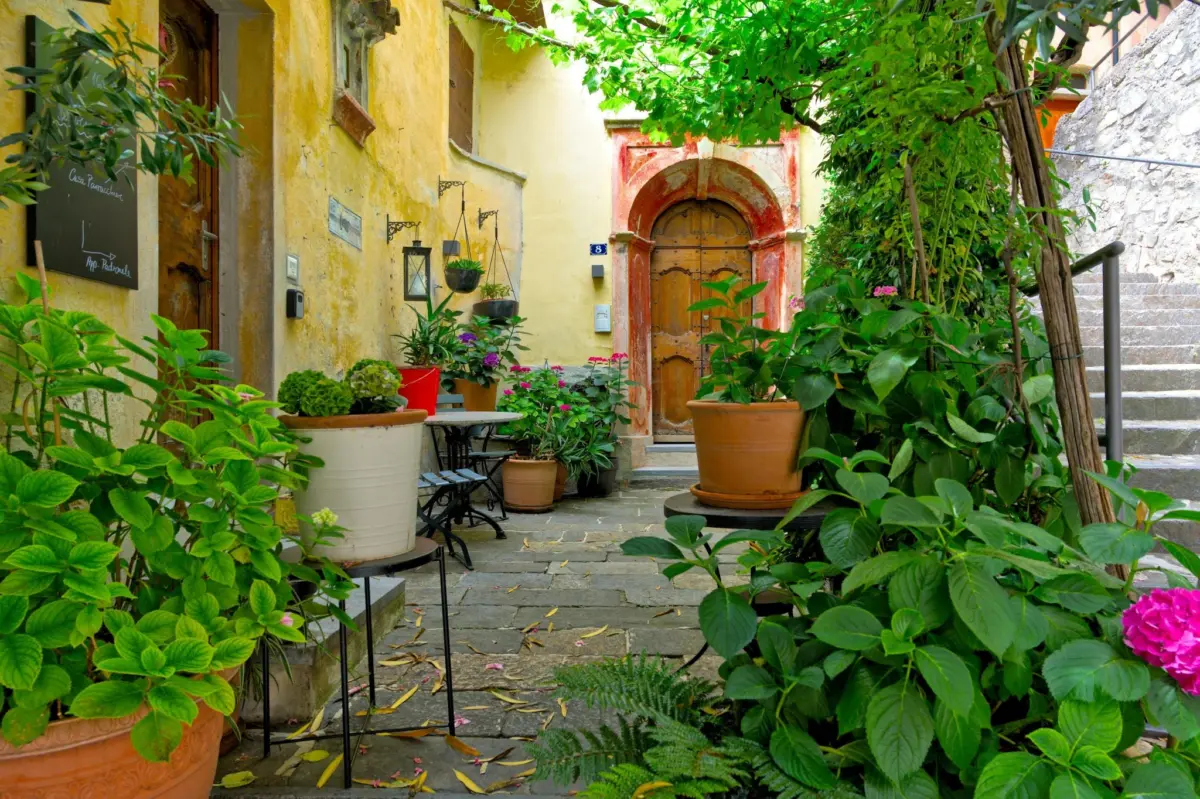
Landscape critics and urban homesteaders alike are increasingly pointing out that the traditional suburban lawn has evolved into a part-time job that homeowners essentially pay money to maintain. Between mowing, edging, watering during peak drought hours, fertilizing, and weeding, the modern yard often consumes entire weekends. Furthermore, maintaining a single species of manicured grass requires continuous chemical and water inputs while providing virtually no support to the surrounding local ecosystem.
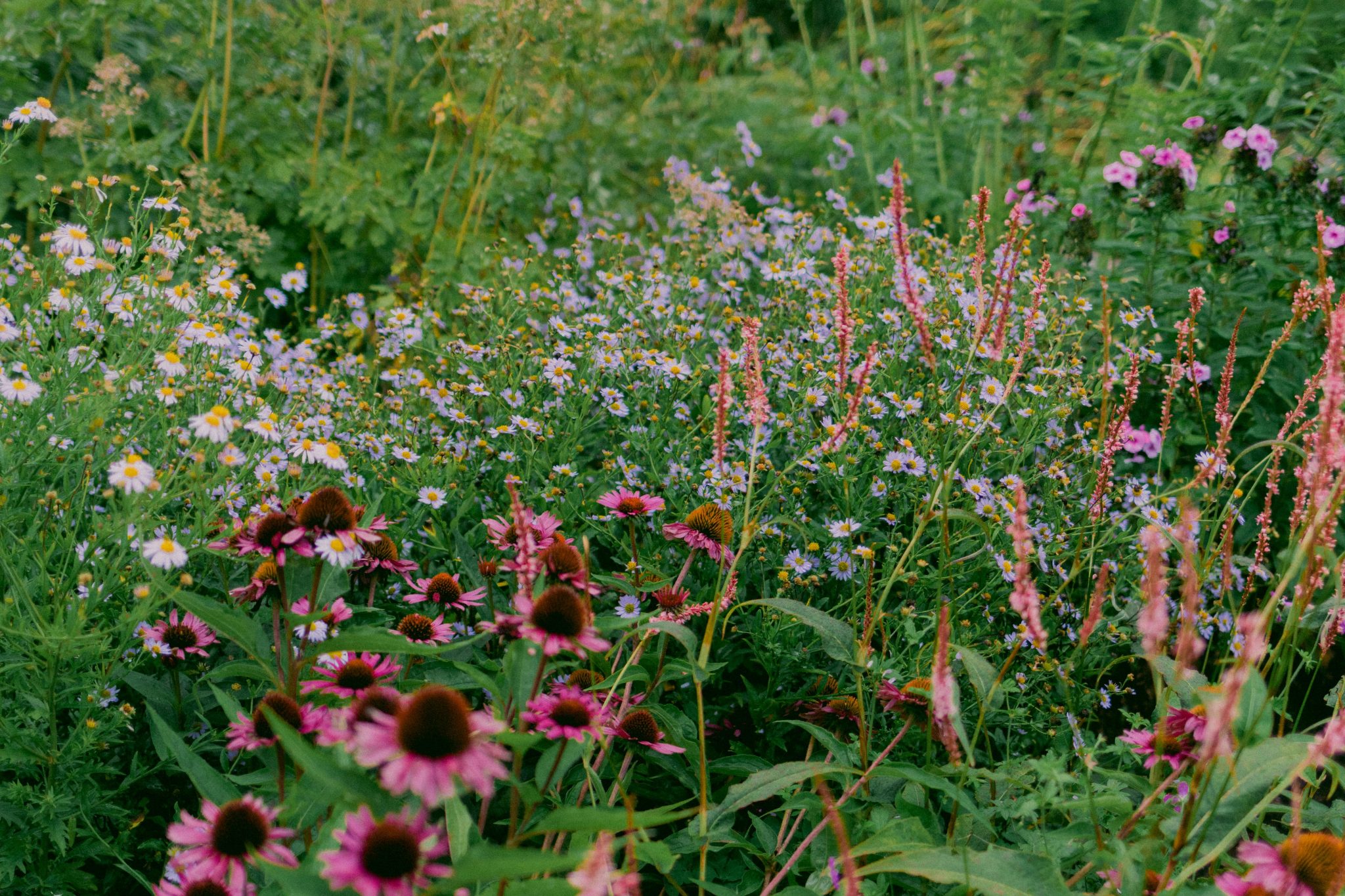
This realization has fueled a broader movement toward minimal landscaping and sustainable minimalism. Rather than leaving properties barren or neglected, minimal landscaping focuses on designing yards that cooperate with local climates, personal schedules, and environmental realities. By moving away from resource-heavy lawns, homeowners are finding that outdoor spaces can be both aesthetically striking and remarkably low-maintenance.
The Roots of the Traditional Lawn
Historical context plays a significant role in modern landscaping choices. Traditional monoculture lawns in the United States trace their origins partly to historical class structures, where possessing unused, highly manicured land served as a visible indicator of financial success and leisure. Maintaining a space entirely devoid of utilitarian crops signaled an abundance of wealth, as the owner could afford to allocate land and labor to something entirely ornamental.
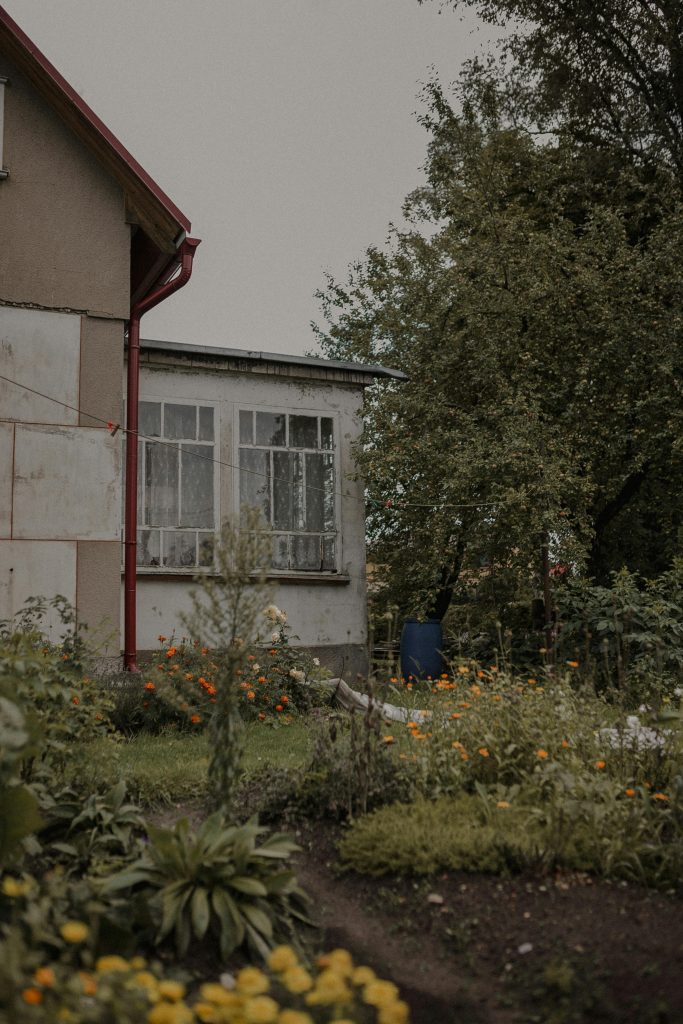
Over time, this aesthetic became deeply embedded in suburban culture, supported by societal expectations and homeowners associations. However, environmental pressures, including severe water shortages and rising utility costs, are forcing a reassessment. Watering grass during peak daylight hours—when much of the moisture simply evaporates before reaching the soil—is increasingly viewed as unsustainable.
In response, a growing number of property owners are exploring alternative approaches that reduce resource consumption while reclaiming their weekends.
Practical Strategies for Minimalist Landscaping
Transitioning away from a traditional lawn does not require an immediate, total overhaul of a property. Instead, landscape designers and minimalists advocate for gradual, strategic changes that align with individual lifestyles and environmental conditions.
Xeriscaping and Low-Water Design
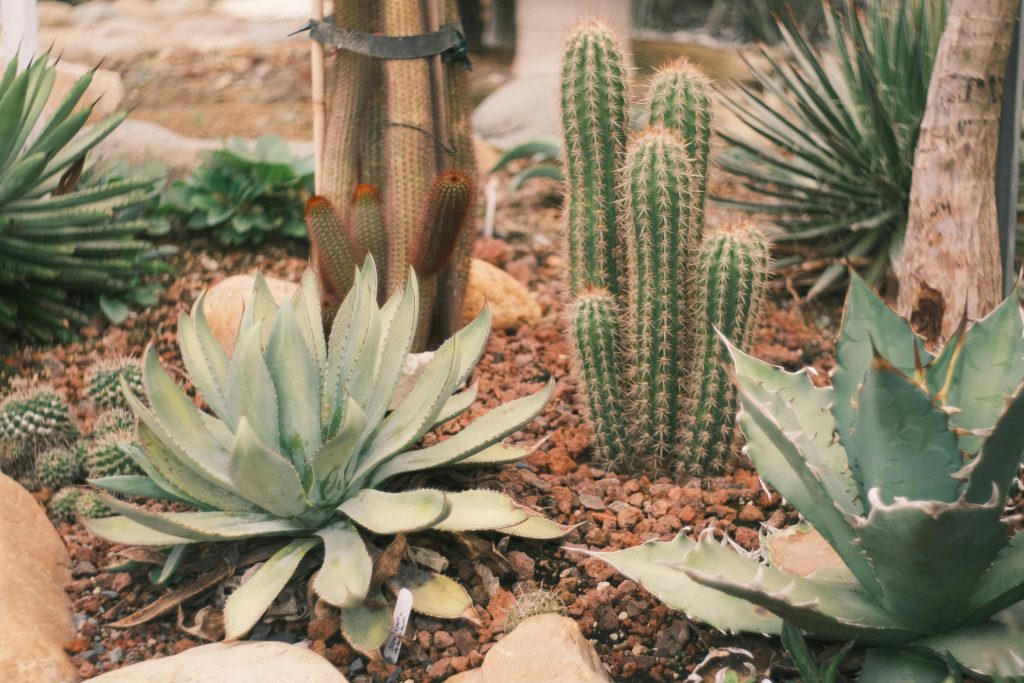
Xeriscaping is landscaping specifically tailored for low water consumption. Far from resembling a paved parking lot, effective xeriscaping incorporates gravel pathways winding among drought-tolerant perennials such as silver-leaved sage, lavender, yarrow, and ornamental grasses. By grouping plants according to their specific moisture requirements, homeowners can create resilient outdoor spaces that require minimal intervention once established.
The Strategic Use of Rock Features
Incorporate rock elements can drastically reduce maintenance while adding structural definition to a yard. River rock dry creek beds solve drainage issues while maintaining a natural appearance, and large boulders provide instant focal points. Additionally, materials like pea gravel, crushed granite, and flagstone offer cost-effective alternatives to traditional paver patios, requiring no watering, pruning, or seasonal replacement.
Embracing Native Plants
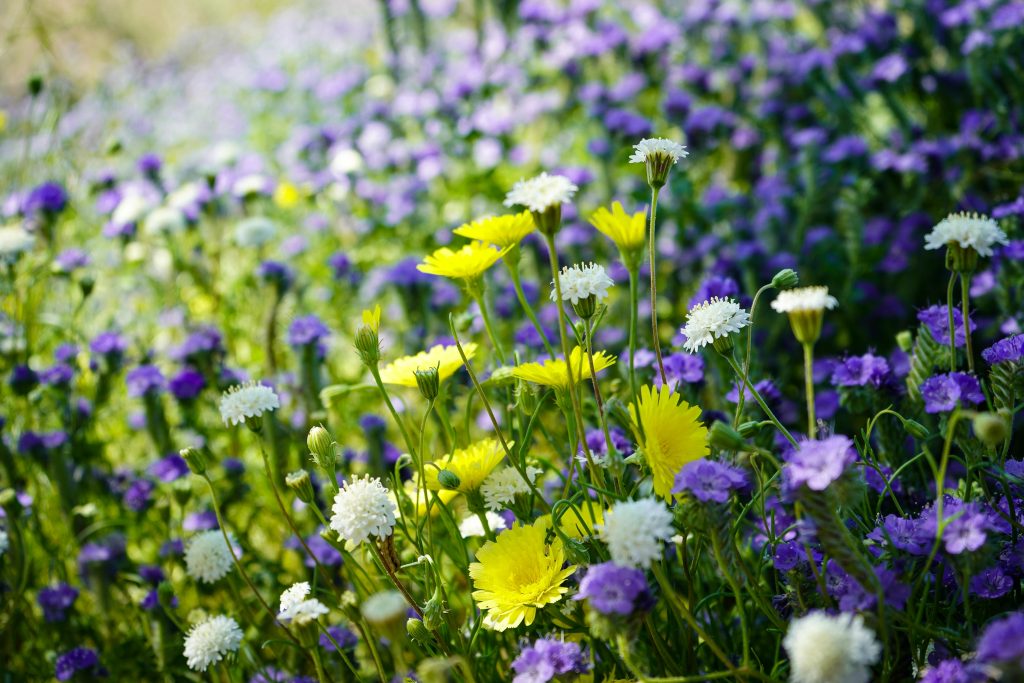
Planting native species acts as an ecological shortcut. Having evolved alongside local soil compositions, rainfall patterns, and native insects, indigenous plants are inherently adapted to thrive without artificial fertilizers or excessive watering. Once established, they support local pollinators and birds, which naturally help manage pest populations without chemical intervention.
Gradual Lawn Reduction
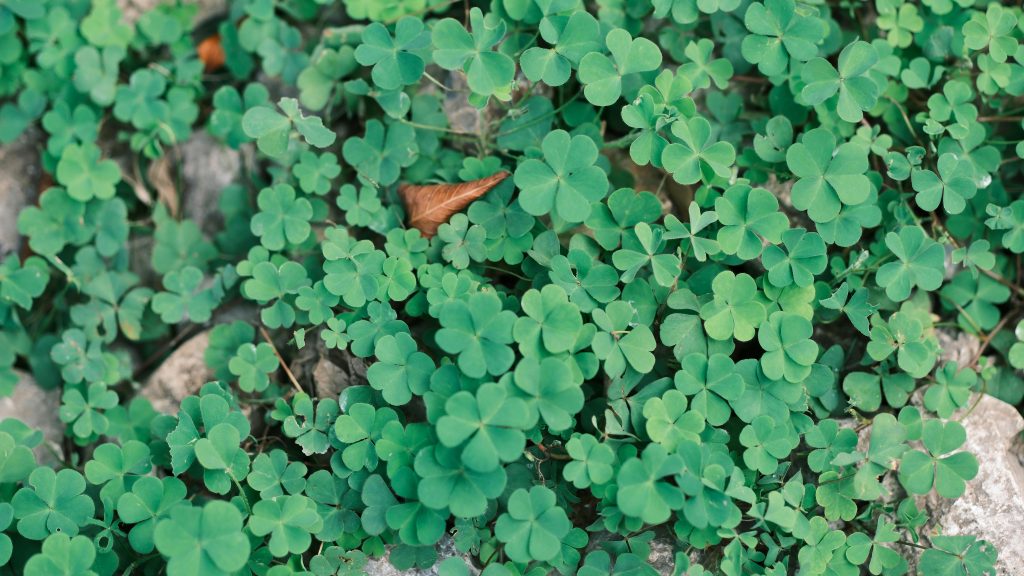
For many homeowners, completely eliminating a lawn feels too drastic. A more manageable approach involves shrinking the lawn incrementally by targeting the most awkward or underutilized areas—such as narrow strips along driveways, shaded corners under trees, or steep slopes. Transforming these spaces into native perennial beds, clover patches, or mulched garden areas reduces mowing and watering responsibilities year by year.
Efficient Irrigation and Mulching
When supplemental watering is necessary, modern drip irrigation systems offer a significant efficiency upgrade over traditional overhead sprinklers. By delivering water directly to plant root zones on a timed schedule, drip systems minimize loss through evaporation.
This water conservation is further amplified by heavy mulching. Applying a thick layer of wood chips, shredded leaves, or bark suppresses weed growth, regulates soil temperature, and retains moisture. Many municipal tree services and community programs even supply wood chips at little to no cost, turning organic waste into valuable garden resource.
Shifting Toward Ecosystem Gardening and Edibles
Rather than isolating individual plants within sterile rings of mulch, natural ecosystems rely on layers of varying heights, from ground-covering species to tall shrubs. Mimicking this natural layering creates self-sustaining environments that suppress weeds and feed pollinators naturally.
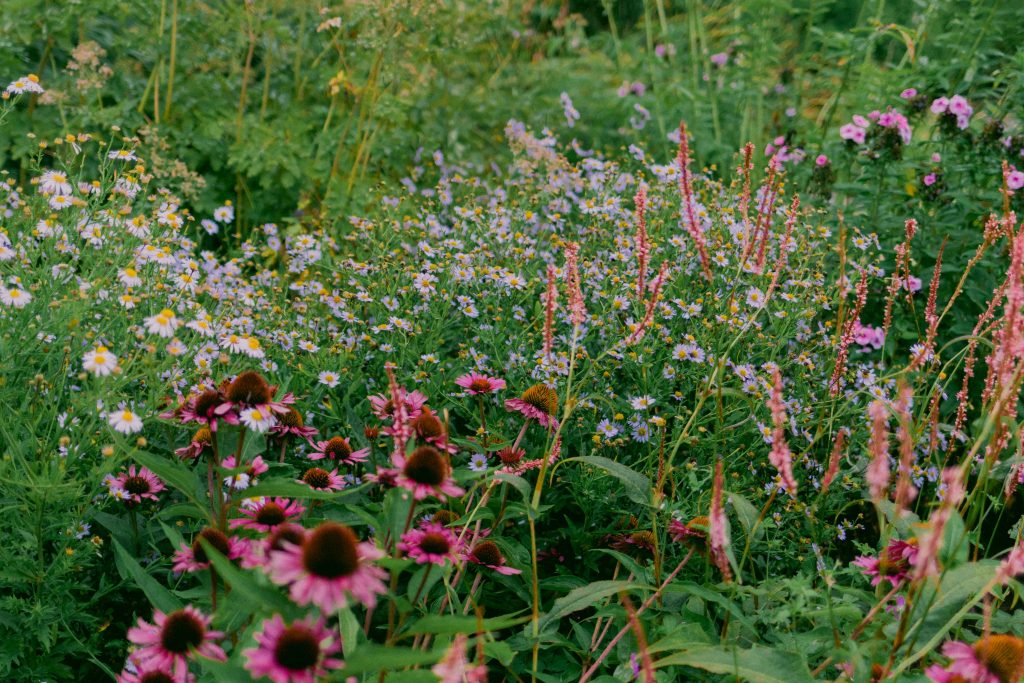
Furthermore, integrating edible plants into landscape design allows homeowners to merge utility with aesthetics. Fruit trees double as shade providers, berry bushes function as flowering shrubs, and culinary herbs like rosemary and thyme thrive as decorative border plants. This approach blurs the line between ornamental yards and productive food forests.
Decluttering the Outdoor Space
Ultimately, minimal landscaping extends beyond plant selection to encompass overall property management. Just as interior minimalists clear out unnecessary belongings, outdoor minimalists are learning to eliminate broken patio furniture, rusted tools, unused containers, and unwanted plants that generate chronic maintenance chores.
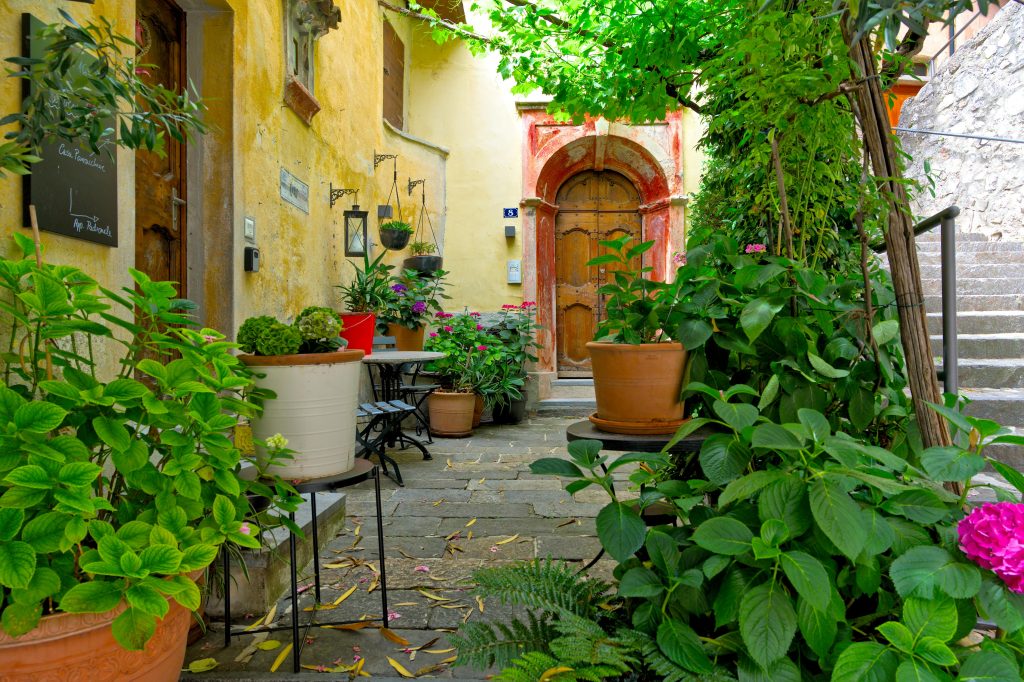
By treating the yard as an extension of the living space rather than a perpetual project, homeowners are discovering that sustainable minimalism offers a practical path toward an outdoor environment that supports daily life rather than consuming it.