Rather than attempting an overnight overhaul of household habits, a growing movement focuses on practical, incremental swaps. By addressing everyday routines room by room—starting with the most resource-heavy space in the home, the bathroom—individuals are discovering that sustainable living can be both achievable and financially sensible. Experts suggest that the secret lies not in perfection, but in a philosophy of mindful reduction and strategic replacement.
Sustainable Beauty and Hygiene Routine Standards
Creating an eco-friendly bathroom routine does not require purchasing an entirely new suite of specialty products. Instead, consumer advocates emphasize a foundational shift in how people view personal care and consumption.
The primary rule of thumb in sustainable living is simple: less is more. Streamlining a daily regimen by reducing the total number of products used ultimately saves money, lessens environmental impact, and frequently benefits skin health. Dermatological observations often note that aggressive attempts to manage skin conditions with layered products can exacerbate the very issues they aim to fix, proving that minimalist routines are often the most effective.
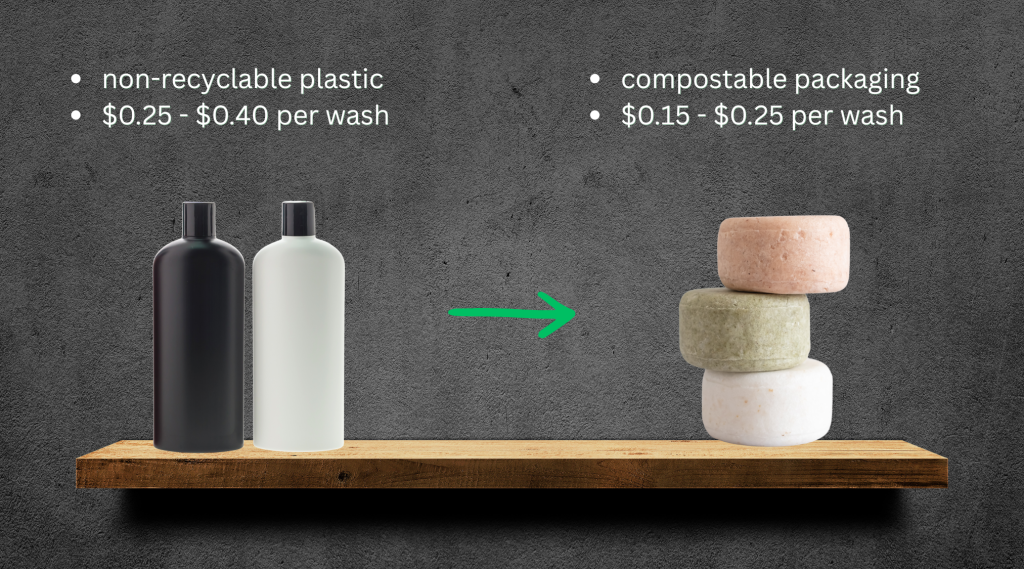
Another critical consideration involves avoiding the hidden costs of water dilution. A significant percentage of conventional liquid personal care items—ranging from body washes to shampoos—consist of roughly 80 percent water. Consumers are essentially paying a markup for liquid volume, along with the inflated costs of heavy plastic packaging and shipping weight. Transitioning to concentrated, undiluted alternatives, such as traditional bar soaps, drastically cuts down on both financial expenditure and single-use plastic waste.
Timing is equally important when making the transition. Experts strongly advise against discarding perfectly functional products in a rush to adopt eco-friendly alternatives. The most ethical, sustainable, and affordable approach is always to use up what is already owned. Preparing to make an informed, intentional switch only when current supplies run out ensures that items are not needlessly sent to landfills prematurely.
Finally, avoiding burnout requires taking the transition one step at a time. Remaking an entire bathroom overnight can be financially daunting and psychologically exhausting. Focusing on a single product category, evaluating what works, and gradually moving forward ensures long-term success.
Razors and Shaving Cream
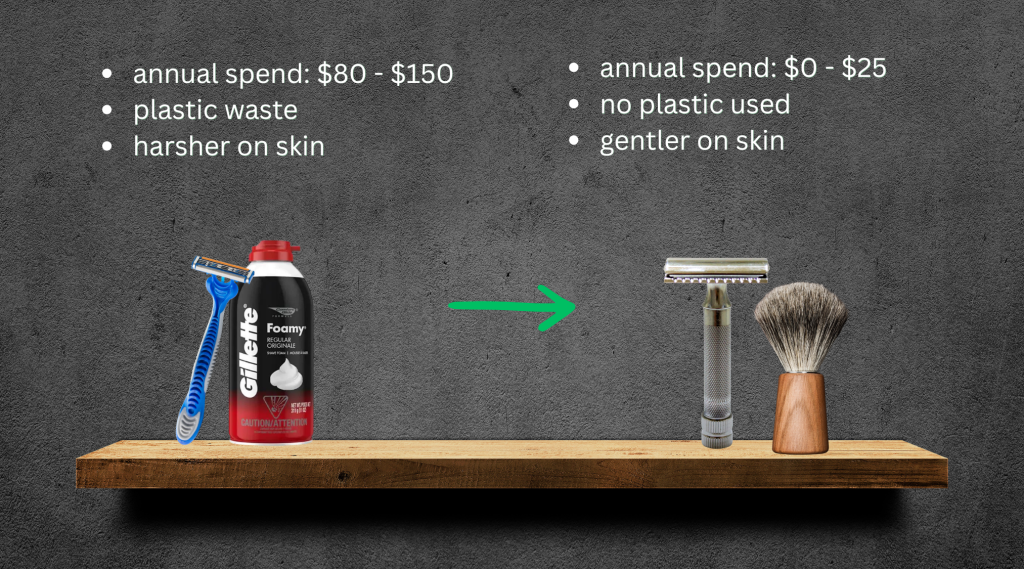
Hair removal routines are often dominated by disposable plastic handles, short-lived plastic cartridges encased in plastic packaging, and pressurized cans of shaving cream that deplete within weeks. For those who choose to shave, transitioning to a safety razor offers a permanent alternative. Quality safety razors are built to last indefinitely, with replacement blades costing a fraction of traditional multi-blade plastic cartridges.
For lathering, traditional shaving soaps and brushes present an economical alternative to canned creams. Shaving sticks, which are rubbed directly onto wet skin before being whipped into a lather with a brush, can last for years with minimal financial investment. Beyond products, some consumers are reevaluating the cultural necessity of hair removal entirely, considering whether personal grooming practices are driven by personal preference or societal expectation.
Shampoo and Conditioner
The prevalence of water-diluted products is particularly evident in hair care aisles, where plastic bottles dominate store shelves. While consumers often express hesitation regarding shampoo bars due to concerns about lathering quality, product formulations have evolved significantly. Natural shampoo bars offer concentrated cleansing ingredients paired with minimal, compostable packaging, often outlasting multiple bottles of liquid shampoo despite a potentially higher initial price point.
Conditioner bars present a similar option, though efficacy varies depending on individual hair types, particularly for those with curly or dry hair who may require specialized formulations.
Hand Soap and Body Wash
While traditional bar soap remains the most straightforward option for hand washing and bathing, liquid alternatives can still be approached sustainably. Foaming hand soap tablets dissolved in warm water inside a reusable glass or durable dispenser offer a non-toxic solution that eliminates single-use plastic pump bottles. For body cleansing, standard bar soaps eliminate the need for plastic containers altogether while providing a longer-lasting, cost-effective clean.
Brushes, Loofahs, and Body Care
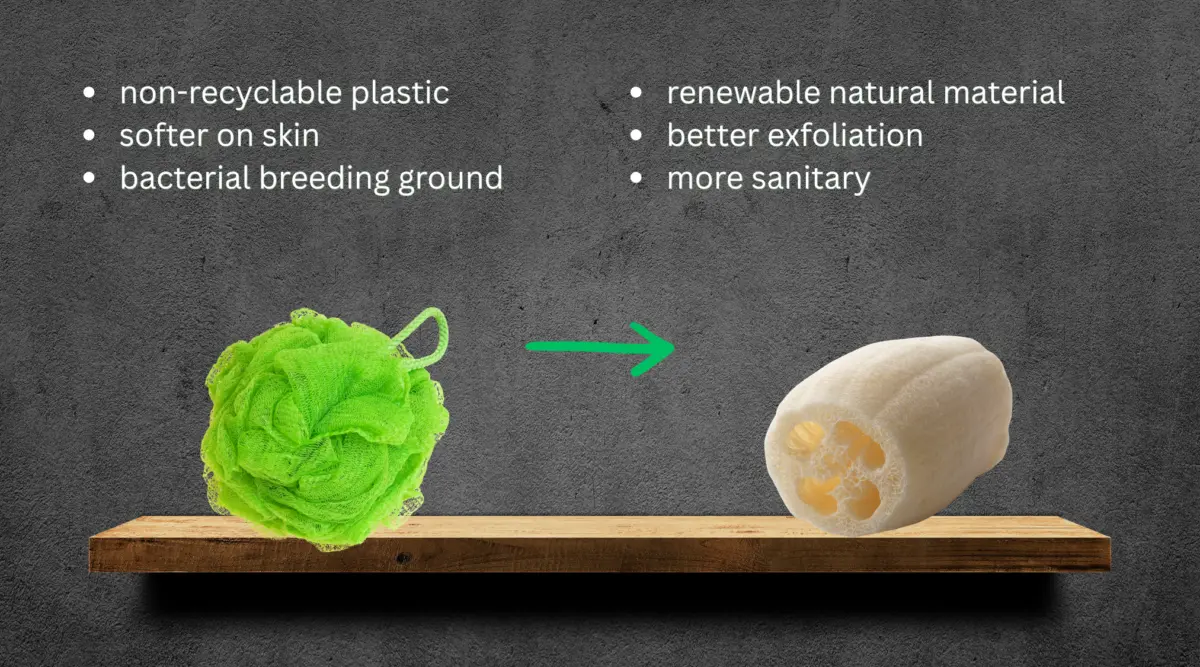
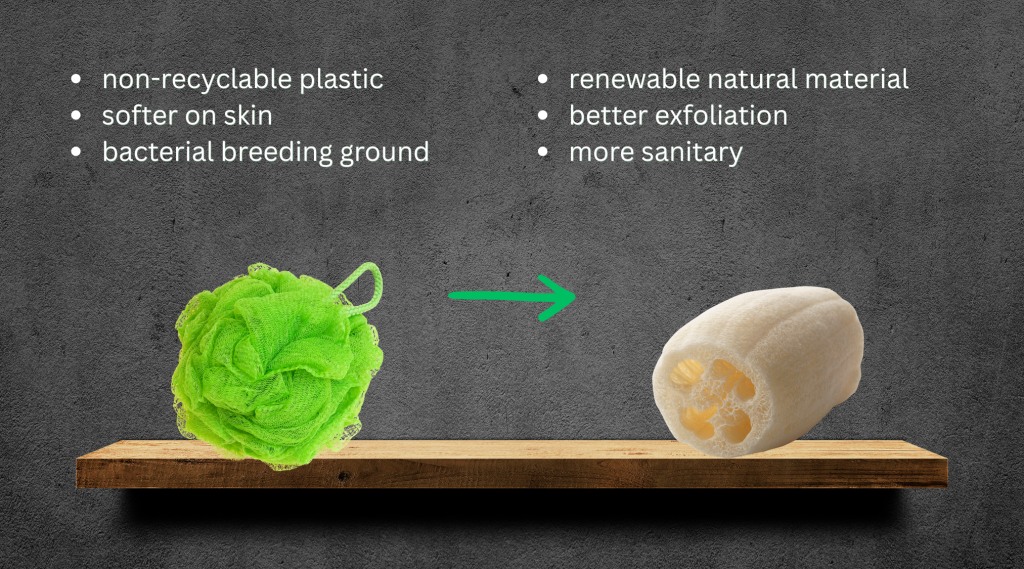
Plastic shower puffs and synthetic loofahs are frequently discarded after short lifespans, shedding microplastics down the drain. Natural alternatives, such as sea sponges and plant-based luffas, provide biodegradable options. Gardeners can even cultivate their own luffa gourds from seeds, harvesting natural sponges that are fully compostable and gentle on the skin.
When addressing moisturization, consumers are increasingly turning to raw, single-ingredient options such as jojoba oil, shea butter, coconut oil, or aloe vera gel. These versatile products reduce reliance on complex formulations housed in multi-material packaging, allowing users to control precisely what touches their skin.
Skincare and Makeup Removal
The skincare market is heavily driven by overconsumption, yet dermatologists and minimalists alike advocate for a pared-down approach consisting of a gentle cleanser, a moisturizer, and sun protection. Once an effective regimen is established, continuous experimentation can often cause more harm than good to the skin barrier.
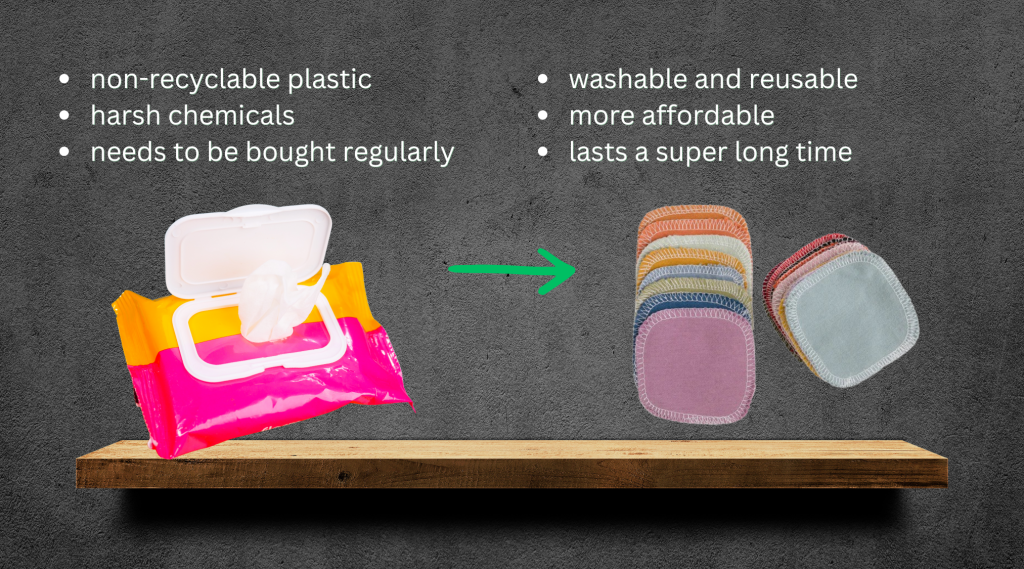
For makeup removal, disposable wipes contribute heavily to landfill waste. Reusable cotton rounds, scraps of old cotton fabrics, or simple natural oils like jojoba can efficiently remove cosmetics without generating unnecessary trash.
Oral Hygiene and Grooming
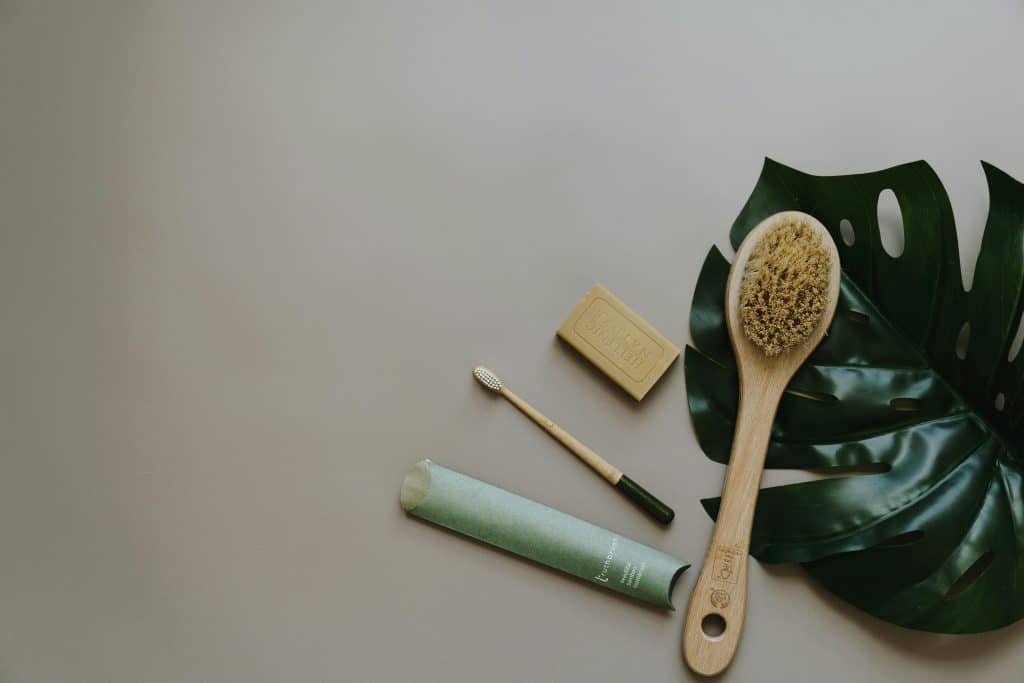
Oral care routines offer several opportunities for waste reduction. Bamboo toothbrushes and bamboo replacement heads for electric toothbrushes replace traditional plastic handles. Toothpaste tablets, which are chewed before brushing, eliminate water waste and are packaged in compostable or recyclable containers. Similarly, biodegradable bamboo silk floss stored in refillable glass containers replaces conventional plastic monofilament floss packaged in single-use plastic cases.
For hair maintenance, non-plastic brushes crafted from bamboo provide a durable alternative to synthetic styling tools once existing plastic brushes reach the end of their usability.
Menstrual Products and Bathroom Maintenance
Menstrual hygiene represents a significant area for waste and recurring expense. Reusable menstrual cups, disks, period underwear, and washable cloth pads drastically reduce the environmental footprint associated with disposable tampons and pads. While the upfront investment for these alternatives is higher, they typically pay for themselves within a few cycles, equalizing annual costs to what would otherwise be a monthly expenditure.
In the realm of bathroom maintenance, installing a bidet significantly reduces toilet paper consumption while improving personal hygiene. For cleaning, basic household staples such as vinegar, baking soda, rubbing alcohol, and concentrated cleaning tablets used with refillable spray bottles offer effective alternatives to conventional chemical cleaners housed in single-use plastic trigger bottles.
Ultimately, transitioning toward a sustainable bathroom does not require drastic lifestyle disruptions or excessive financial investment. By monitoring products as they run out, utilizing existing supplies, and making thoughtful, incremental upgrades, consumers can build lasting habits that benefit both personal well-being and the environment.