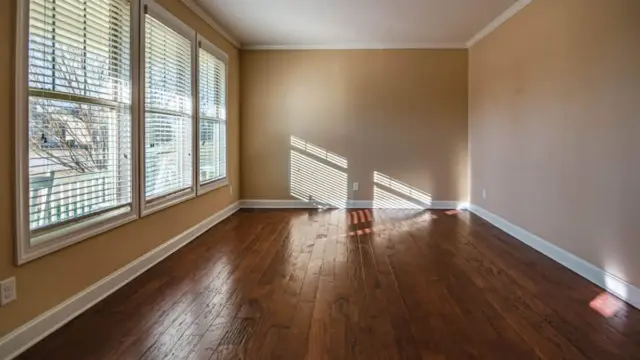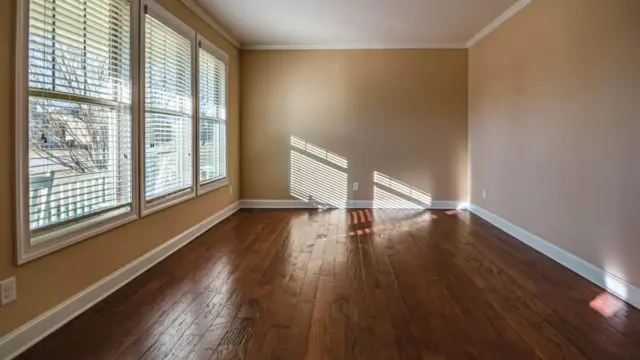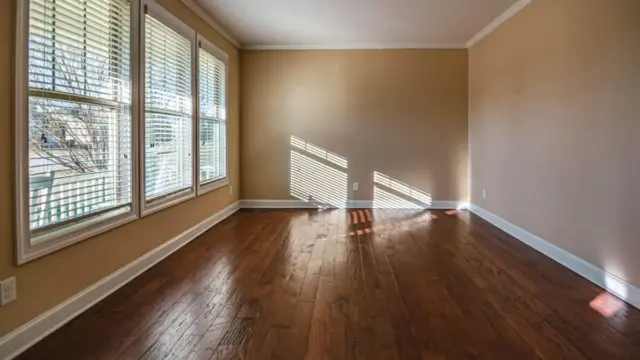
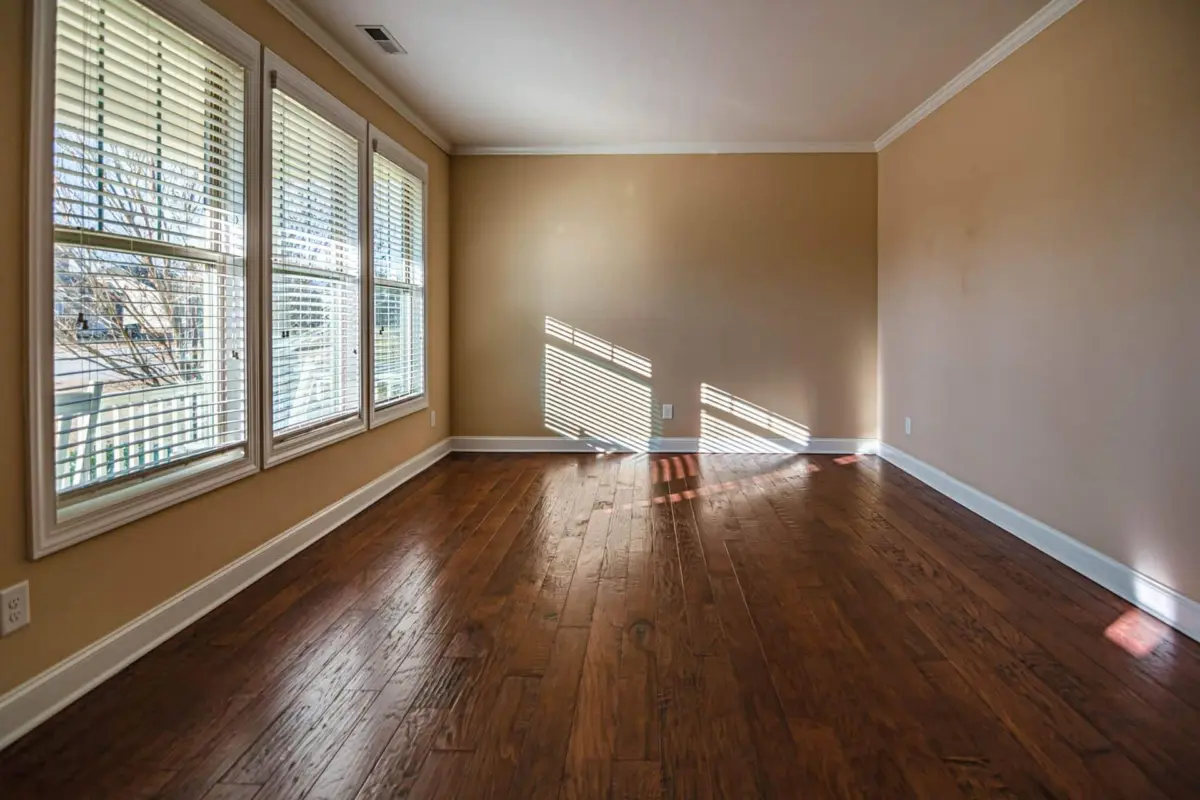
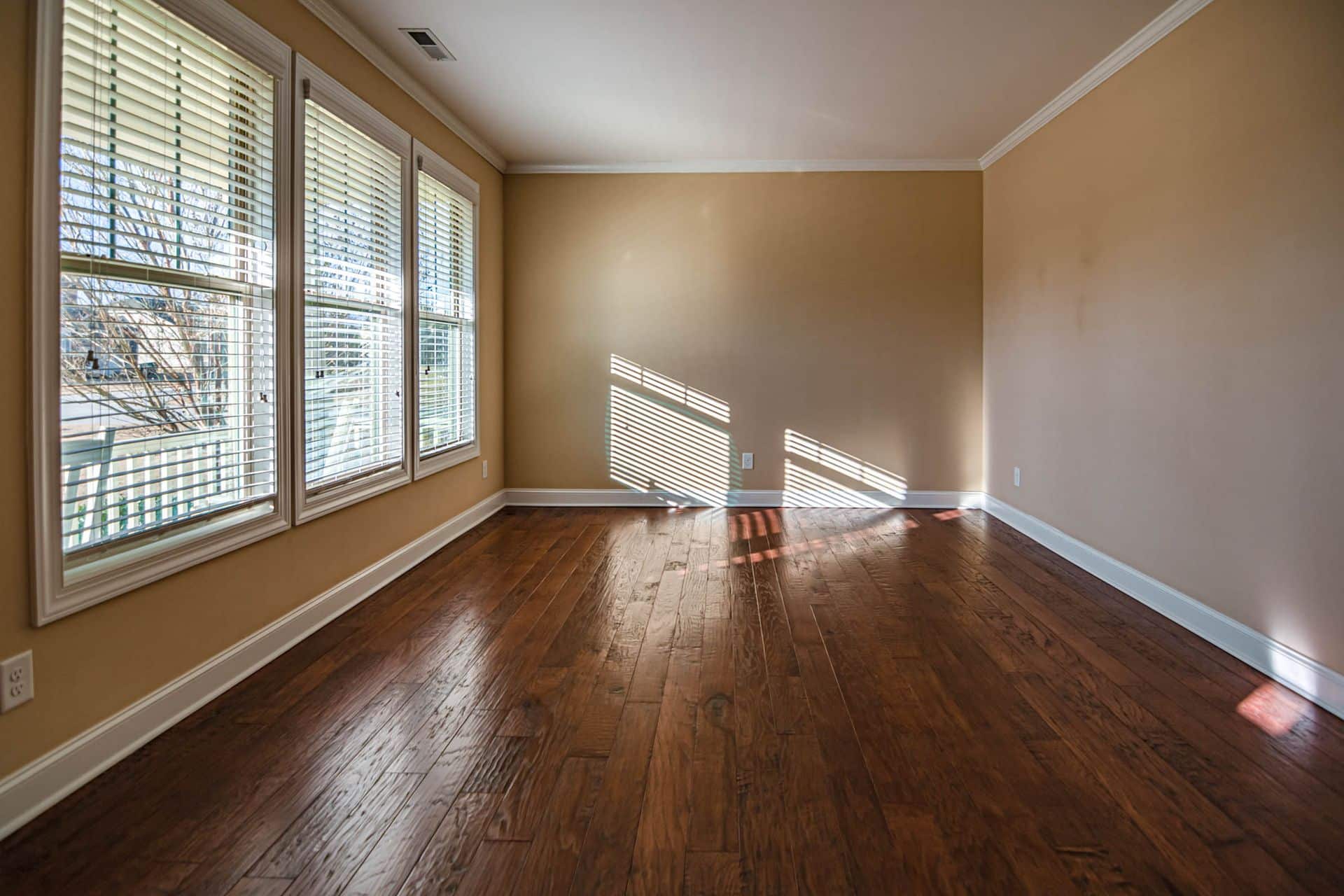
Upon arriving at her destination, Mia moved into a minimally furnished rental apartment designed for a frictionless transition. Spending her first afternoon integrating her meager possessions into the spare, stock-furnished environment turned out to be an enlightening exercise in spatial psychology. Having previously written about the psychological weight of living in cluttered spaces, this forced immersion in sparse living conditions offered fresh perspective on material consumption, lifestyle habits, and mental clarity.
The initial weeks away from home have yielded several unexpected insights into how physical environments dictate daily behavior and psychological well-being.
1. Use It Up
Part of the standard furnished apartment experience involves inheriting hotel-sized portions of everyday products. Although Mia had brought her own toiletries and cleaning supplies, the rental came stocked with various complimentary conveniences.
Historically, she admits to harboring a hoarding mentality—the common urge to save miniature items for a hypothetical future scenario where tiny products might prove uniquely useful. This time, however, she adopted a different philosophy: simply use them up.
Recognizing that these were often the lowest-quality versions of everyday items, saving them offered no genuine enrichment to her life. By prioritizing their immediate use and promptly discarding the empty containers, she eliminated clutter from both her physical surroundings and her mental landscape. The experience has made her a stronger proponent of proactive consumption decluttering, demonstrating the peace of mind that comes from eliminating redundant low-value items.
2. Functional Decor
As a self-described homebody, the abrupt transition away from her permanent residence and familiar belongings presented a distinct psychological challenge. To bridge the gap between a sterile rental and a comforting environment, she strategically displayed the few personal items she had brought along. Instead of neatly folding away a colorful throw blanket, she draped it across the couch. Rather than stacking her books tightly on a bedside table, she propped them throughout the apartment.
Any personal memento that possessed a semblance of aesthetic warmth was granted a visible spot in the room rather than being relegated to a drawer. In a crowded home, such tactics might quickly devolve into visual clutter, but when working with only a handful of cherished items, the approach imbues the space with warmth and personality. Styling a room with functional items allows them to serve a dual purpose, making an unfamiliar space feel habitable without accumulating useless possessions.
3. This Spoon
The psychological impact of small, intentional objects was further underscored by a birthday gift from a visiting friend: a small wooden spoon.
Having lived with sensory issues that make the clinking sound of traditional metal silverware a source of physical nausea, Mia had initially resorted to saving plastic cutlery from takeout meals during her first days in the apartment to avoid using the metal utensils provided by the landlord. The arrival of the wooden spoon provided an immediate, comforting solution.
Now relying exclusively on that spoon and a pair of chopsticks, the remainder of the apartment’s utensil drawer has been rendered entirely obsolete. The experience reinforced a core minimalist principle: possessing a single item that serves its purpose flawlessly—particularly one that brings genuine joy—infinitely surpasses owning a drawer full of uninspired alternatives.
4. Alone Time
Another radical shift in Mia’s temporary lifestyle involves her social calendar. While she has a few acquaintances nearby, her local network is vastly smaller than the one she left behind.
Though initially feeling like a drawback given her deep affection for her friends, the solitude has proven remarkably energizing. Acknowledging the human contradiction of thriving on alone time while simultaneously resisting isolation in favor of constant companionship, she found that a simplified social schedule altered her daily rhythm profoundly.
With a streamlined schedule and an easy-to-maintain living space, daily routines became effortless. Morning walks to the gym for workouts happen organically, the apartment remains perpetually spotless, and significantly more time is dedicated to preparing wholesome meals. Furthermore, having caught up on professional obligations—including the acquisition of a business a few months prior—she finally found the mental bandwidth to write and reflect on her experiment.
While she intends to reintegrate social activities and hobbies into her routine now that she is fully settled—including game nights with friends back home and returning to fight training—the enforced solitude has provided a powerful catalyst for productivity and rest.
5. Clutter Comes Fast
Despite arriving with almost nothing, the reality of material accumulation quickly reasserted itself. Within three weeks of occupancy, the subtle threat of clutter began to materialize.
Following her birthday, new gifts entered the apartment—items that brought genuine happiness but immediately claimed physical space, culminating in a small trampoline sitting next to her desk. Similarly, a kitchen cabinet quickly filled with plastic containers saved for food storage.
This rapid influx highlighted a fundamental reality of modern consumer culture: the natural flow of household items is strictly unidirectional, moving inward. Without establishing an intentional flow outward, possessions inevitably accumulate indefinitely. Recognizing this pattern prompted her to immediately reengage her established passive decluttering strategies to intercept the accumulation before it became unmanageable.
Assessing the Experiment
For those following the trajectory of her relocation experiment, the results thus far have been encouraging. The change of scenery has produced the first genuine, measurable improvement in her chronic health issues in years.
At the same time, the realization that her primary residence may be the environmental root of her physical ailments introduces a complex set of logistical and emotional challenges. Processing those realities is a problem she can now address with the mental space afforded by her temporary surroundings.
As she continues to navigate her three-month experiment, preparations are also underway for upcoming community initiatives, including a planned holiday decluttering challenge, signaling a gradual return to regular public engagement as she determines her next steps.