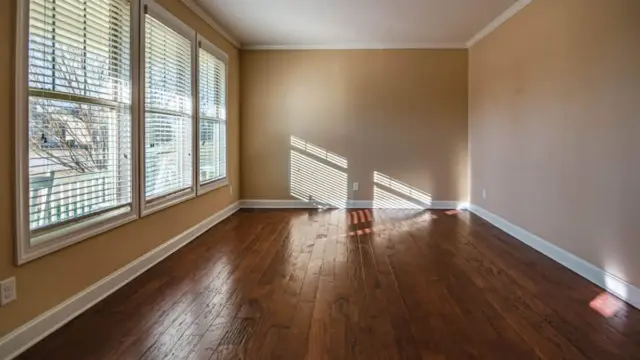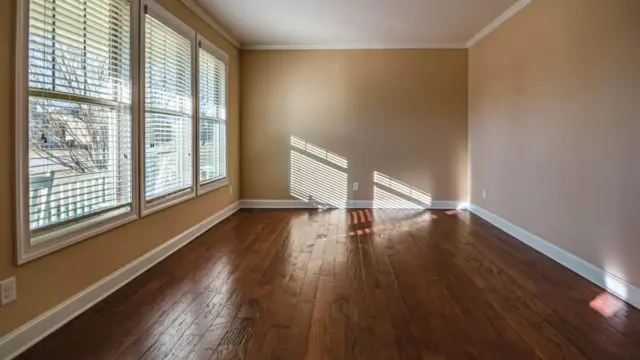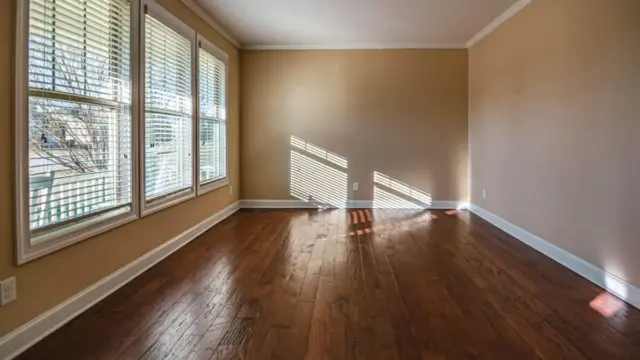
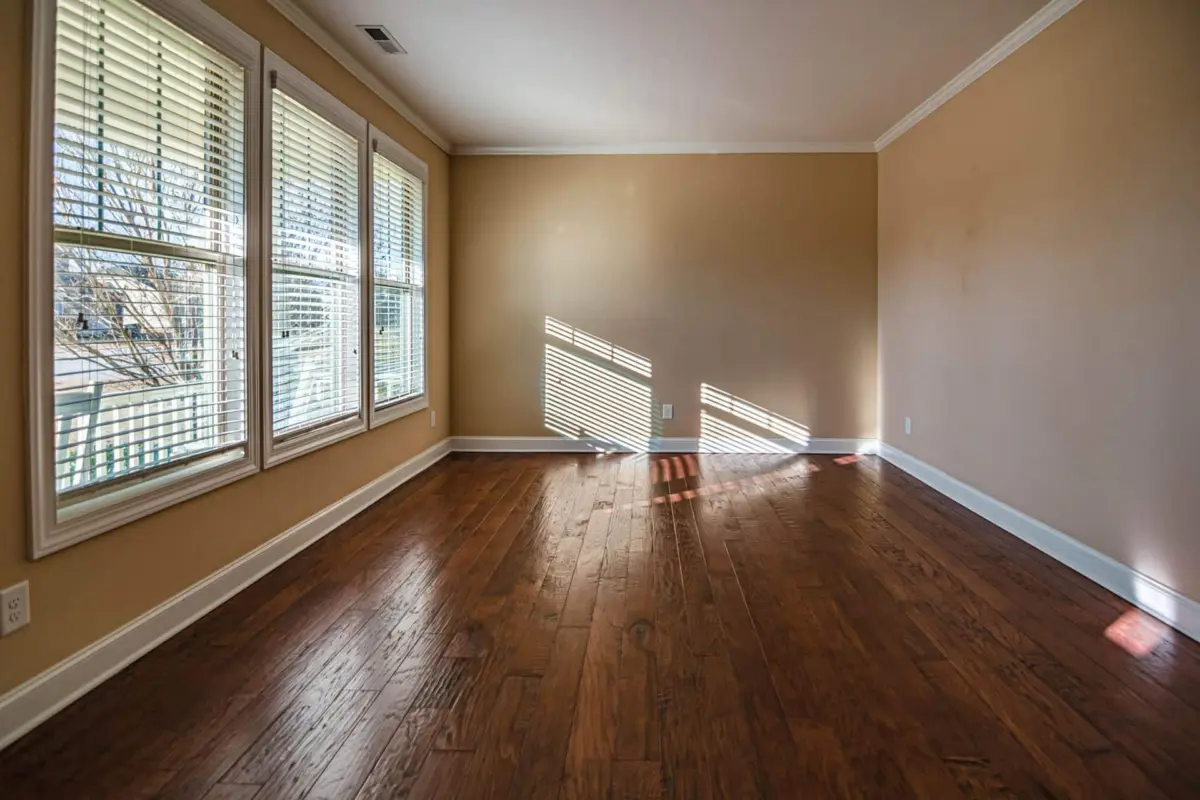
Arriving at her destination, she settled into a sparsely furnished rental apartment designed to make the transition as simple as possible. With only a minimal stock of furniture and three square feet of personal belongings, Mia spent her first afternoon navigating the reality of a truly stripped-down living environment. Living in such a spare space provided unexpected insights into the psychology of clutter and minimalism—lessons that mirrored, yet sharply contrasted, her previous experiences with overfilled spaces.
1. Use It Up
Part of the typical furnished apartment experience involves inheriting hotel-sized portions of everyday items left behind by previous occupants. Having already brought her own toiletries and cleaning supplies from home, Mia initially viewed these leftover items as mere redundancy. In the past, she admitted, she would have fallen victim to a traditional hoarding mentality—the reflexive urge to save tiny, inconsequential items for a hypothetical future moment when miniature provisions might miraculously be needed.
This time, however, she chose a radically different approach: she simply used them up. Recognizing that these products were often the lowest tier of everyday items, she realized that hoarding them offered no real enrichment to her daily life. She felt zero excitement about using them at a later date. By consciously working through them first, quickly tossing the empty containers, and refusing to let them occupy physical real estate in her temporary home or mental real estate in her thoughts, she experienced a profound shift. The experience cemented her status as a staunch proponent of "use-it-up" decluttering, proving that finishing what is already on hand can be far more liberating than saving things for a rainy day that never comes.
2. Functional Decor
As a self-described homebody, adapting to an unfamiliar space away from her personal belongings proved to be a psychological challenge. To combat the sterility of the rental property, Mia deliberately displayed the few personal mementos she had brought along. Rather than folding away her colorful throw blanket into a designated storage bin, she draped it casually over the couch. Instead of cramming her books into a precarious stack on a bedside table, she propped them purposefully throughout the apartment.
Anything that brought a sense of warmth and familiarity was given a prominent spot in view rather than being relegated to a hidden drawer. While such an approach in a fully furnished home might easily tip over into visual clutter, working with a strictly limited inventory of mementos transformed the sparse rental into a welcoming environment. The strategy highlighted the power of styling with functional items, allowing everyday objects to serve a dual purpose: making a temporary space feel like home without generating useless, extraneous clutter.
3. This Spoon
The delicate balance of her minimalist environment was thrown into relief around her birthday, when a visiting friend presented her with a small wooden spoon. For Mia, who struggles with sensory processing issues and experiences genuine nausea at the sharp clinking sound of traditional metal silverware, the gift arrived at an opportune moment. On her very first day in the apartment, she had resorted to hoarding plastic takeout cutlery to entirely avoid using the metal utensils provided by the rental.
The new wooden spoon offered an immediate sensory reprieve. Perfectly sized and deeply personal, it instantly reminded her of her dear friend every time she used it. Between the wooden spoon and a trusty pair of chopsticks, Mia found herself exclusively bypassing the rest of the kitchen’s inventory, rendering the apartment’s entire utensil drawer functionally obsolete. The episode underscored a broader minimalist philosophy: owning a single item that serves its purpose flawlessly—and brings genuine joy in the process—is infinitely superior to maintaining a drawer full of uninspired backups.
4. Alone Time
Another striking element of Mia’s temporary lifestyle has been the dramatic reduction in her social calendar. While she has a few friends living nearby, her daily interactions pale in comparison to the bustling social life she maintains back home. While the superficial absence of her primary social circle felt disappointing at first due to her deep affection for her loved ones, the solitude has proven remarkably energizing.
Recognizing that she naturally thrives on alone time—even when she consciously fights against it out of a desire to constantly surround herself with people—she confronted a classic human contradiction. With her schedule cleared of social obligations and her minimalist living space requiring virtually zero maintenance, daily life suddenly became remarkably frictionless. She began waking up every morning to effortlessly walk to the gym for her workouts. Her apartment remained perpetually spotless, and she found herself dedicating significantly more time to cooking nutritious, healthy meals.
Furthermore, having acquired a business a few months prior—a milestone that explained her recent quiet period professionally—the newfound surplus of free time and mental bandwidth allowed her to catch up on work and finally sit down to write about her experiences. Although she fully intends to reintroduce social activities and hobbies into her routine now that she is firmly settled, including hosting game nights with her hometown friends and returning to fight training as her energy levels permit, the period of prolonged solitude proved exceptionally productive and rejuvenating.
5. Clutter Comes Fast
Despite the intentional simplicity of her temporary setup, Mia noted that the threat of accumulation emerged with surprising speed. Having lived in the rental for only three weeks, she could already feel the subtle, creeping pressure of incoming clutter. Her recent birthday brought a wave of thoughtful gifts into the apartment—items that brought her genuine happiness but immediately began claiming physical space, leaving her working alongside a small trampoline positioned right next to her desk.
Even though she had arrived with almost nothing in her Prius, a single kitchen cabinet had already filled to capacity with plastic containers saved for food storage. This rapid accumulation highlighted an underlying cultural dynamic: the natural flow of consumer goods within households is overwhelmingly directed inward. Without a conscious, deliberate effort to establish an outgoing flow, possessions inevitably pile up indefinitely. Consequently, she quickly reintegrated her established passive decluttering strategies, utilizing routines that had previously proven remarkably effective for keeping spatial overwhelm at bay.
Early Results and Next Steps
As for the primary question driving the entire cross-country experiment—whether relocating would alleviate her persistent health issues—the early returns have been remarkably encouraging. For the first time in years, Mia has observed tangible, measurable improvements in her overall well-being.
Yet, the positive health update brings an inherent complication, given that her primary life, home, and established routines remain rooted back where her symptoms originally flared. Navigating that complex reality is a challenge she intends to tackle utilizing the newfound mental clarity and space afforded by her experiment. For now, as she continues to manage her business and prepares for upcoming community projects like the planned Holiday Decluttering Challenge, the temporary relocation has offered invaluable lessons in what it truly means to live with less.