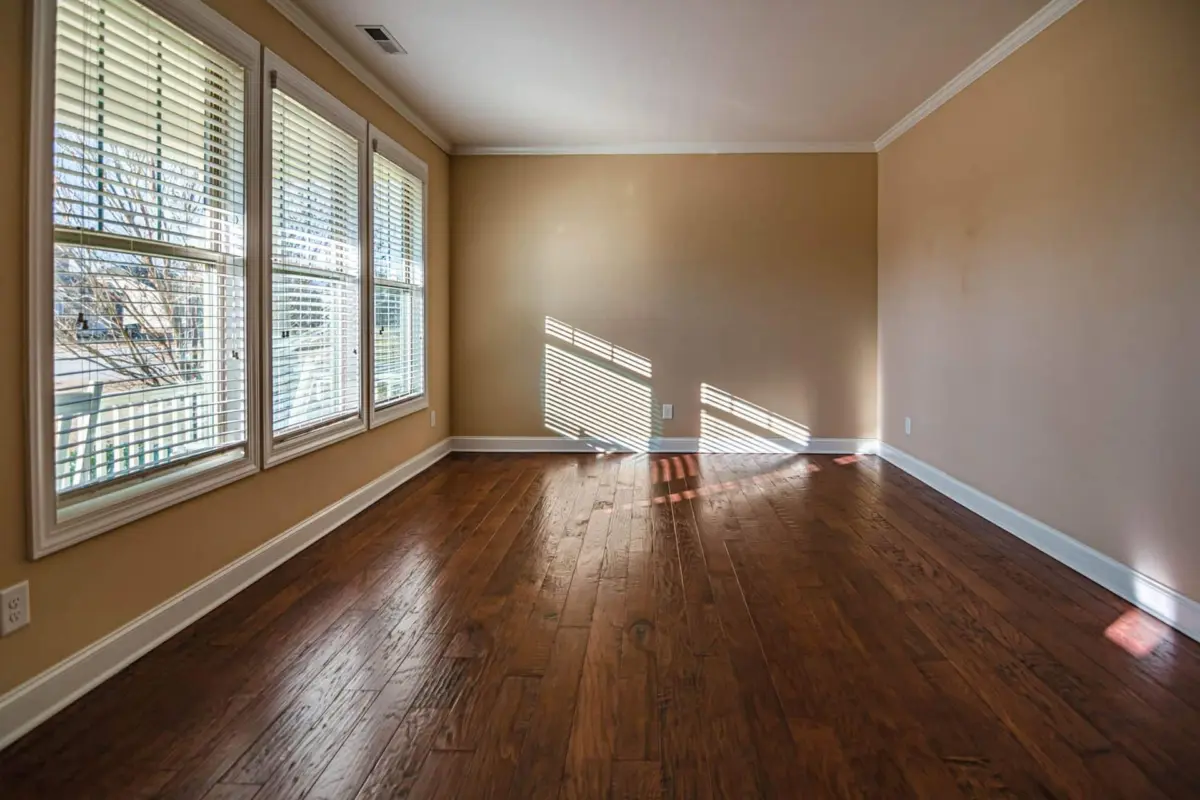
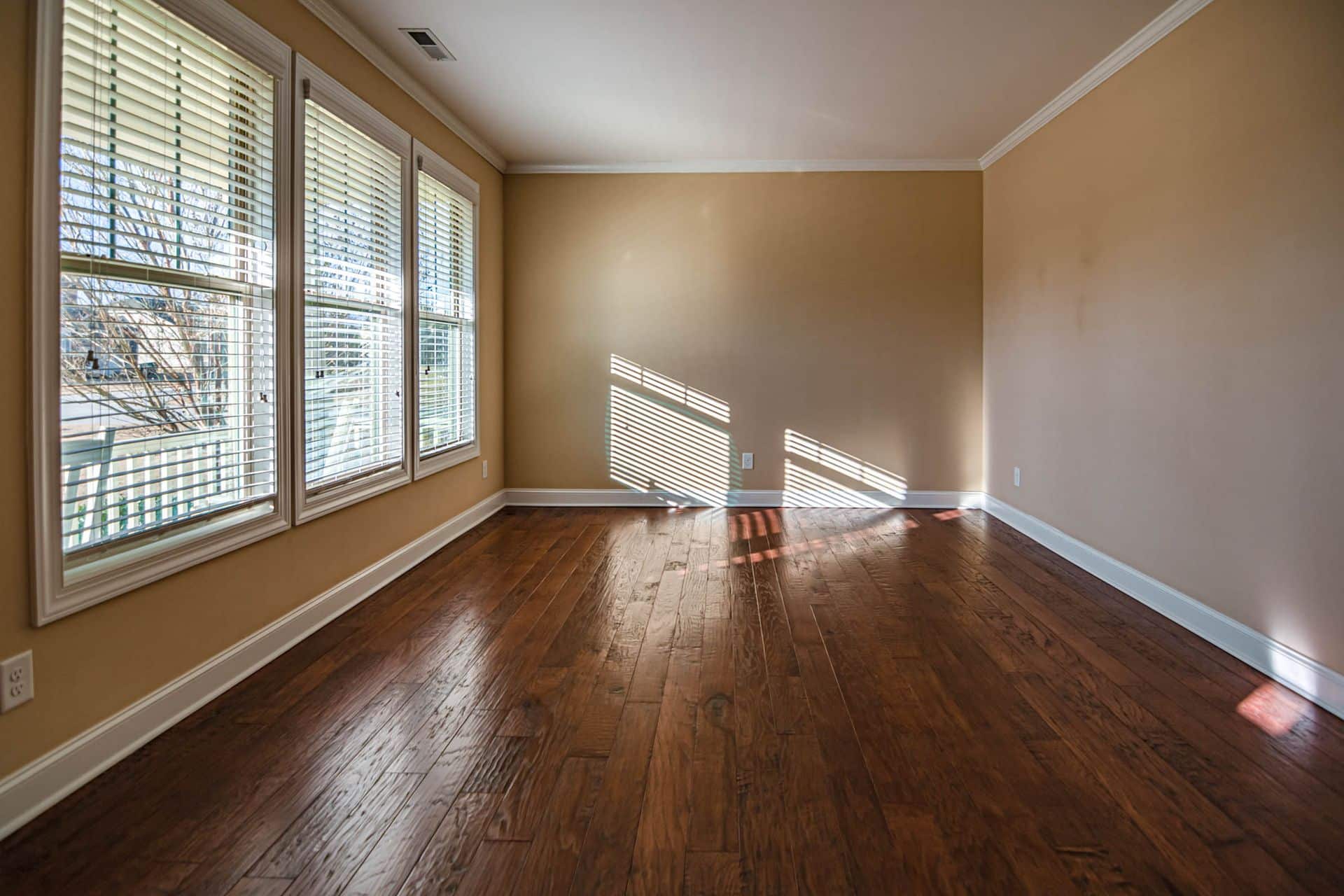
Arriving at her temporary destination, she found an apartment equipped with only the barest stock furniture. Spending her first afternoon settling a tiny fraction of her belongings into the sparsely decorated rooms offered an unexpected lesson in spatial awareness. Having previously explored the psychological weight of living in a cluttered environment, this sudden transition to an ultra-minimalist space provided fresh insights into how physical surroundings directly influence mental well-being and daily habits.
The first major realization came in the form of everyday consumables. Like many temporary rentals, the apartment was stocked with hotel-sized portions of basic items. Having brought her own toiletries and cleaning supplies, Mia initially viewed these complimentary hotel provisions as redundant extras. Under normal circumstances, a hoarding mentality might have dictated saving the miniature items for some hypothetical future scenario. However, faced with a clean slate and a desire for simplicity, she decided to use them up immediately. Recognizing them as inferior versions of everyday products that offered no long-term value, she quickly depleted the supplies, discarded the empty containers, and liberated both physical space and mental energy. This practical exercise reinforced the concept of proactive consumption over passive hoarding.
Being a dedicated homebody, adapting to an unfamiliar space surrounded by unfamiliar objects presented a psychological challenge. To bridge the gap between temporary lodging and a comforting sanctuary, she adopted a strategy of functional decor. Rather than tucking her few personal mementos away into drawers, she displayed them prominently throughout the apartment, draping a colorful throw blanket over the couch and scattering her books across surfaces instead of stacking them away on a bedside table. While such an approach might border on clutter in a heavily furnished home, integrating a small number of cherished items allowed them to serve a double purpose, warming the atmosphere without generating unnecessary mess.
Personal comfort also extended to the kitchen, shaped in part by sensory sensitivities. Experiencing nausea from the metallic clinking of silverware, she had initially resorted to saving plastic cutlery from takeout orders during her first days in the apartment. The situation shifted dramatically when a visiting friend celebrated her birthday by gifting her a perfectly sized wooden spoon. The handmade utensil not only eliminated her sensory discomfort but also served as a daily reminder of her friend. Now relying exclusively on that single wooden spoon and a pair of chopsticks, the rest of the apartment’s silverware drawer remains entirely unused, highlighting the principle that a single item serving its purpose perfectly outweighs a drawer full of uninspired alternatives.
Beyond physical reorganization, the relocation brought a profound shift in her social and professional life. Her social calendar contracted sharply, leaving her with only a couple of nearby acquaintances compared to the vibrant community she left behind. While acknowledging a deep fondness for her friends and the initial sting of isolation, she recognized the unexpected energetic benefits of solitude. Although managing a newly acquired business had kept her busy, the combination of a simplified living space and a quieter schedule created an unprecedented sense of ease. Daily routines, such as morning walks to the gym and cooking healthy meals, fell effortlessly into place. The reduction in domestic friction allowed her to get ahead on professional obligations, finally freeing up the mental bandwidth required to write and reflect on her experiences.
Yet, the experiment also highlighted how quickly the modern domestic environment accumulates possessions. Just three weeks into the trial, the subtle threat of accumulating clutter had already manifested. Following her birthday, new gifts brought into the apartment—including a trampoline sitting nearby—began occupying physical volume. A kitchen cabinet quickly filled with plastic food storage containers saved over a brief period. Observing this trend underscored a fundamental reality of contemporary domestic life: the natural flow of consumer goods moves steadily inward. Without an intentional, opposing flow of items leaving the home, accumulation is inevitable. To combat this, she quickly re-engaged passive decluttering techniques to stay ahead of potential mess.
As the three-month experiment continues, the preliminary results offer a mixture of encouragement and complexity. The relocation has yielded the first genuine improvement in her health in years, validating her initial hypothesis about her primary residence. At the same time, the realization that her health issues are tied to her permanent home presents a complex logistical challenge to address once the trial concludes. For now, equipped with newfound mental clarity and proven minimalist strategies, she continues her temporary stay while preparing for future community activities and upcoming seasonal decluttering projects.