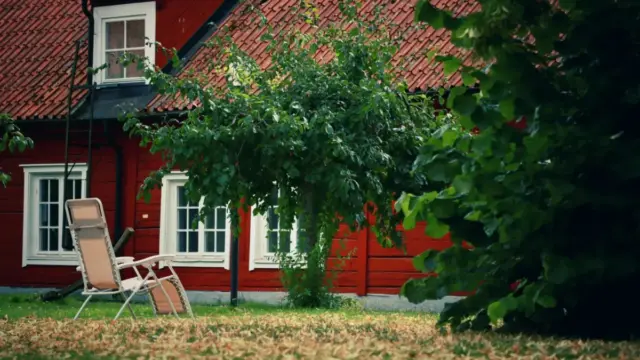

Sociologists and community advocates point to a complex convergence of factors fueling this phenomenon. Pandemic-era isolation, deepening political polarization, and the structural design of contemporary neighborhoods—often characterized by privacy fences, garage-door entries, and car-centric architecture—all play a role. Yet, regardless of the underlying causes, the resulting reality remains consistent: modern communities are facing an unprecedented deficit of social cohesion, leaving many individuals uncertain about how to mend the fractured fabric of their local neighborhoods.

Well-meaning civic organizers often urge citizens to "engage with the community" or "build neighborhood ecosystems." However, such broad directives offer little practical utility for individuals who simply lack the foundational social skills required to initiate contact. For many younger adults, these interpersonal mechanics were never formally taught. Consequently, community advocates and social researchers are increasingly focusing on demystifying the process of basic neighborhood interaction, framing it as a learnable skill rather than an innate trait. Experts emphasize that it is entirely acceptable for adults who missed out on these lessons to begin cultivating them later in life, noting that community connection remains vital to individual and collective well-being.
Why Neighborhood Connections Matter
Establishing even casual bonds with those who live nearby yields profound tangible and psychological benefits. First and foremost, community support serves as a vital buffer against economic uncertainty. Historically and economically, tightly knit communities demonstrate a capacity to withstand hardship far beyond the capabilities of isolated individuals or nuclear families operating in a vacuum.
Furthermore, healthy socializing requires a diverse ecosystem of relationships. While modern younger demographics frequently concentrate their social investments on immediate circles—such as parents, siblings, and a small cohort of close friends—human well-being thrives on social diversity. A robust social network incorporates multiple tiers, ranging from the most vulnerable inner circle of family and lifelong confidants to looser connections formed by teammates in recreational sports leagues, colleagues, book clubs, classmates, and, crucially, neighbors.

Research indicates that even micro-social interactions significantly enhance mental health. While deep friendships are essential, the tiny, low-stakes exchanges occurring throughout a routine day—exchanging a brief greeting with a neighbor, sharing a lighthearted remark with a passerby, or nodding to a postal carrier—play a powerful biological role. These fleeting moments of recognition help decrease cortisol levels, regulate the nervous system, and foster a more optimistic outlook on life. Thus, even without deep emotional intimacy, maintaining friendly terms with nearby residents yields measurable personal dividends.
Neighborhood familiarity also enhances home security and community safety. Personal anecdotes from urban and suburban living alike highlight how observant neighbors act as an informal, benevolent watch system. When neighbors are familiar with daily routines, they notice anomalies—such as an unexpected absence, unfamiliar visitors near a property, or uncollected mail—and act as a protective layer for homes and vehicles alike. This organic vigilance creates an environment of shared security that formal surveillance systems alone cannot replicate.
Finally, intergenerational interaction plays a critical role in the aging process. Younger residents often provide essential physical assistance to elderly neighbors, helping with heavy lifting, transportation, or digital navigation. In return, older residents offer wisdom, childcare support, and institutional memory. This exchange creates a symbiotic ecosystem where different life phases support one another, preparing younger generations for their own eventual aging process within a supportive local framework.

Practical Approaches to Cultivating Local Familiarity
Transitioning from isolated residency to community integration does not require sweeping gestures or immediate deep friendships. Instead, experts suggest starting with organic, low-pressure adjustments to daily routines.
The first step often involves heightening personal visibility. Spending time on a front porch, tending to a yard, or taking walks without headphones naturally increases opportunities for casual encounters. Similarly, participating in local events, block parties, or neighborhood yard sales places individuals in environments primed for spontaneous interaction.
For those who experience hesitation about initiating conversations, starting small is paramount. Breaking the habit of avoiding eye contact—shifting instead toward slowing down, offering a smile, or a simple wave—lays the groundwork for verbal greetings. Once basic acknowledgments are established, individuals can progress to brief comments about the weather, local surroundings, or observations about a neighbor’s well-maintained garden or pet. Asking for advice serves as a particularly effective conversational bridge; whether inquiring about a local service, a flower-fertilizing technique, or dog-training recommendations, seeking input allows neighbors to share expertise while naturally building rapport.

Acts of reciprocal sharing and seeking small favors further accelerate connection. Psychologists note that when an individual performs a small favor for another, their brain naturally seeks to justify the action, often concluding that they performed the favor because they hold positive feelings toward the recipient. Allowing neighbors a modest opportunity to help, or offering a small surplus—such as fresh garden produce or baked goods—invites positive engagement without imposing heavy social obligations.
Learning and retaining names remains one of the most effective tools for community building. Maintaining simple notes regarding neighbors’ names, household members, pets, and key interests helps bridge the gap between casual acquaintance and genuine familiarity. Furthermore, leveraging natural catalysts like pets or children provides an organic reason to be outdoors and initiates effortless conversations with passersby. Establishing consistent walking routes or identifying a "third place"—such as a local park, library, or coffee shop—further solidifies an individual’s presence as a familiar, approachable fixture in the local landscape. While digital platforms and neighborhood apps can offer initial awareness of local happenings, experts caution against substituting online forums for face-to-face interaction.
Ultimately, integrating into a neighborhood is not about forcing fast friendships or conforming to a specific social mold; it is about weaving oneself into the collective fabric of a shared space. Rejection or indifference from certain neighbors is a normal part of the process and requires nothing more than a graceful acceptance. Introversion is likewise not a barrier; successful community integration requires only recognizability, presence, and mutual respect. By shifting the focus from a daunting social project to an ongoing daily practice of showing up, individuals can begin rebuilding the modern village, one small interaction at a time.