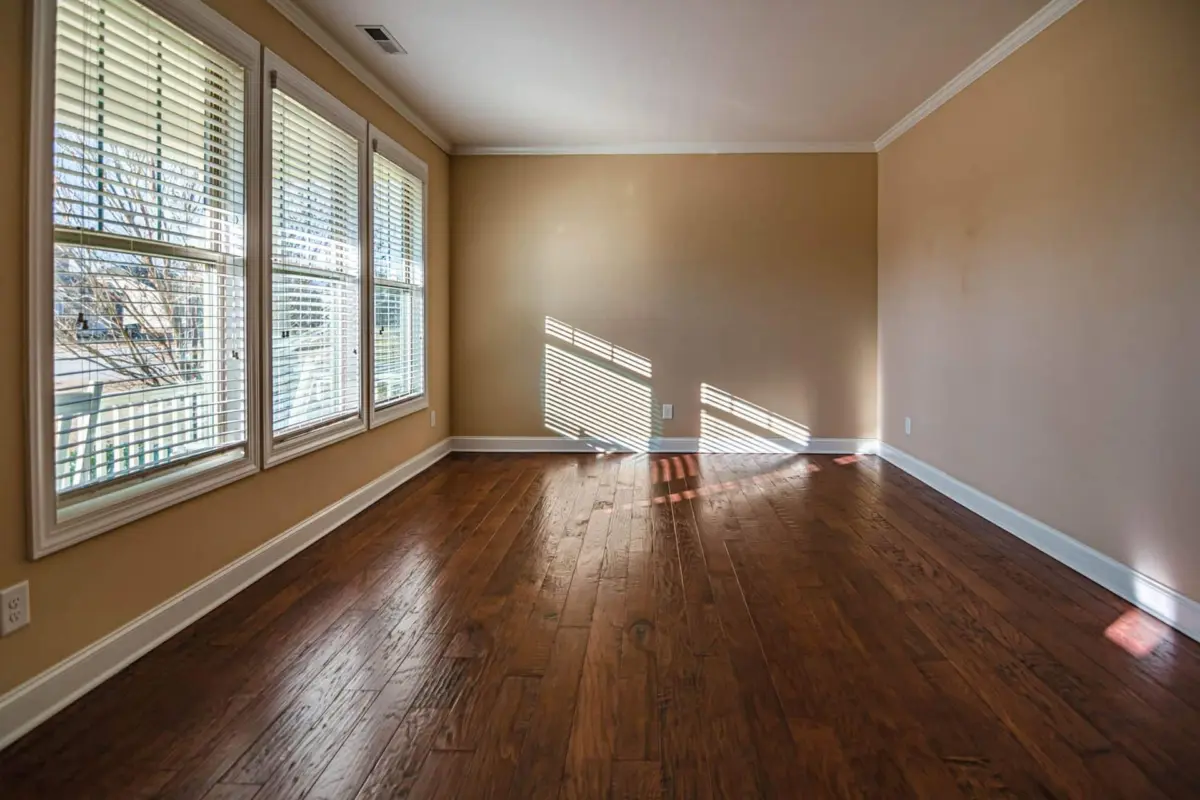
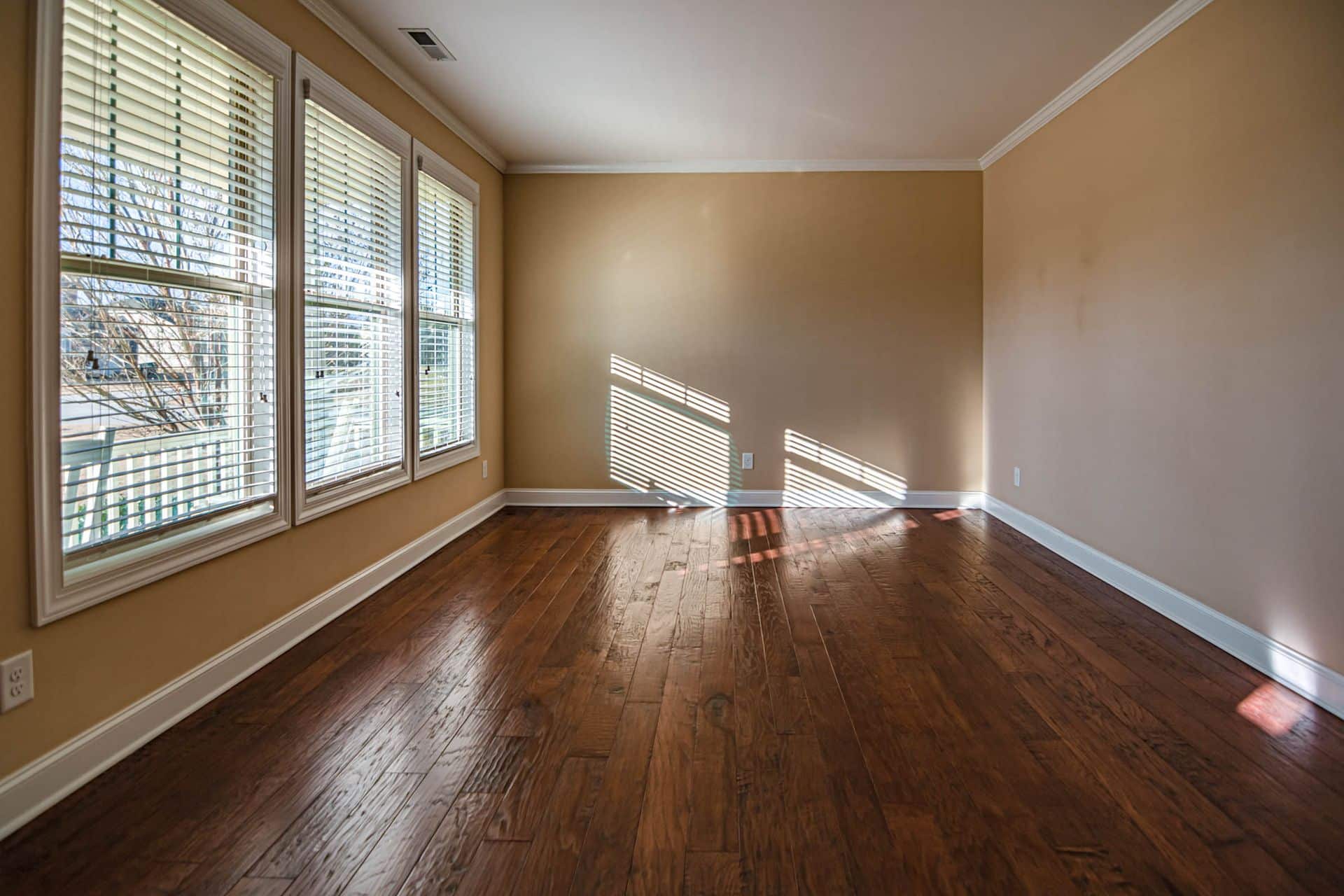
Upon arrival, she settled into a sparsely furnished apartment chosen specifically to facilitate the simplest possible transition. With her belongings occupying a tiny fraction of the space amid the minimal stock furniture, the temporary relocation unexpectedly transformed into a deep dive into the psychology of clutter, minimalism, and daily consumption. Now, roughly three weeks into the trial, she has shared several key insights regarding how physical environments shape our habits, mental clarity, and overall well-being.
1. Use It Up
Part of the standard furnished apartment experience involves inheriting hotel-sized portions of everyday items. Having brought her own toiletries and cleaning supplies, Mia initially viewed these complimentary provisions as redundant extras. In the past, she admits, a lingering hoarding mentality would have compelled her to save the miniature products for some hypothetical future scenario where tiny items might prove useful.
This time, however, she chose a different path, deciding simply to use them up. Recognizing that these products represented the bare minimum in terms of quality and utility, she realized that saving them would do nothing to enrich her life. By prioritizing their immediate use and promptly discarding the empty containers, she successfully removed items that were occupying unnecessary real estate in both her physical living space and her mind. The experience has made her a stronger proponent of what she calls "use it up" decluttering than ever before.
2. Functional Decor
As a self-described homebody, adapting to unfamiliar surroundings and being separated from the vast majority of her personal belongings proved to be a psychological challenge. To combat the sterility of the temporary space, she adopted a strategy of styling her environment with the few mementos she had brought along. Rather than folding away her colorful throw blanket or stacking her books neatly on a bedside table, she draped the blanket over the couch and propped her books throughout the apartment.
Any item that offered a touch of warmth and personality was given a visible home rather than being relegated to a drawer. While a strategy like this risks looking cluttered for someone surrounded by an abundance of possessions, working with only a handful of cherished items successfully made the sparse apartment feel significantly warmer and more inviting. By treating everyday items as functional decor, they were able to serve a dual purpose: injecting personality and comfort into the space without contributing to useless clutter.
3. The Power of a Single Purpose
The reality of living with minimal provisions also highlighted the psychological weight of everyday objects, particularly when addressing personal sensory needs. Celebrating her birthday last week during a visit from a close friend, Mia received a unique gift: a small wooden spoon.
Dealing with sensory issues that make the clinking of metal silverware profoundly nauseating, she had initially resorted to saving plastic cutlery from takeout orders during her first days in the apartment to avoid using the provided metal utensils. The gift of a perfectly sized wooden spoon completely shifted her routine. Because the new spoon—along with a simple pair of chopsticks—fulfills her daily needs completely, the remainder of the apartment’s utensil drawer has been rendered entirely obsolete. The experience reinforced the idea that owning a single item that serves its purpose flawlessly brings far more value than maintaining a drawer full of unused alternatives, especially when it carries sentimental resonance.
4. The Unexpected Benefits of Solitude
Beyond physical possessions, the temporary relocation has drastically altered Mia’s social landscape. With only a couple of acquaintances nearby, her social calendar has shrunk dramatically compared to her bustling life back home. While she deeply values her friendships, the sudden drop in social obligations has proven remarkably energizing. Juggling the human contradiction of thriving on solitude while simultaneously craving the constant company of loved ones, she found that her new rhythm unlocked unexpected productivity.
With a simplified daily schedule and a living space that requires minimal maintenance, daily life streamlined considerably. Morning gym visits became effortless, the apartment remained consistently spotless, and she found significantly more time to prepare wholesome meals. Furthermore, having recently acquired a business—a development that kept her unusually quiet on public channels—she finally secured the necessary mental space and spare time to document her experiences and catch up on writing.
While she intends to reintroduce social activities and hobbies into her routine, including game nights with friends back home and returning to martial arts training, the extended period of solitude has proved instrumental in restoring her energy levels.
5. The Relentless Flow of Clutter
Despite the intentional minimalism of her current setup, Mia noted that the threat of accumulating clutter emerged almost immediately. Marking her birthday brought new gifts into the apartment, which, while deeply appreciated, quickly consumed physical space—a reality emphasized by the presence of a trampoline currently sitting beside her desk.
Having arrived with virtually nothing, she observed that her kitchen cabinets rapidly filled with plastic containers saved specifically for food storage. This phenomenon highlighted a fundamental rule regarding domestic spaces, particularly within the United States: the natural flow of consumer goods is perpetually directed into the home. Without establishing a deliberate, counteractive flow sending items back out, living spaces will inevitably accumulate clutter over time. To combat this, she has resumed active implementation of passive decluttering strategies, finding that staying ahead of the accumulation curve yields immediate, noticeable benefits.
Evaluating the Health Experiment
When addressing the central question of whether the drastic relocation experiment has achieved its primary goal, Mia reports encouraging news. The decision to temporarily leave her primary residence has yielded the first genuine health improvements she has experienced in years.
While the positive health outcome offers a major breakthrough, it presents a complex personal dilemma, given that the underlying source of the improvement ties directly to the fact that she is currently living elsewhere. Resolving that logistical and environmental puzzle is a challenge she plans to tackle using the newly recovered mental clarity afforded by her minimalist surroundings. As she continues to navigate her temporary living arrangement, plans remain underway for future community projects, including the upcoming holiday decluttering challenge for her followers.