A few weeks ago, Mia packed her compact Prius with daily essentials, work equipment, and a small selection of personal items for a 19-hour drive across the country. The relocation was not born of wanderlust or a spontaneous desire for a change of scenery, but rather out of necessity. Struggling with pervasive, long-term health issues that she suspected might be tied to her permanent residence, she decided to run a drastic environmental experiment to confirm her suspicions before making any major life decisions.
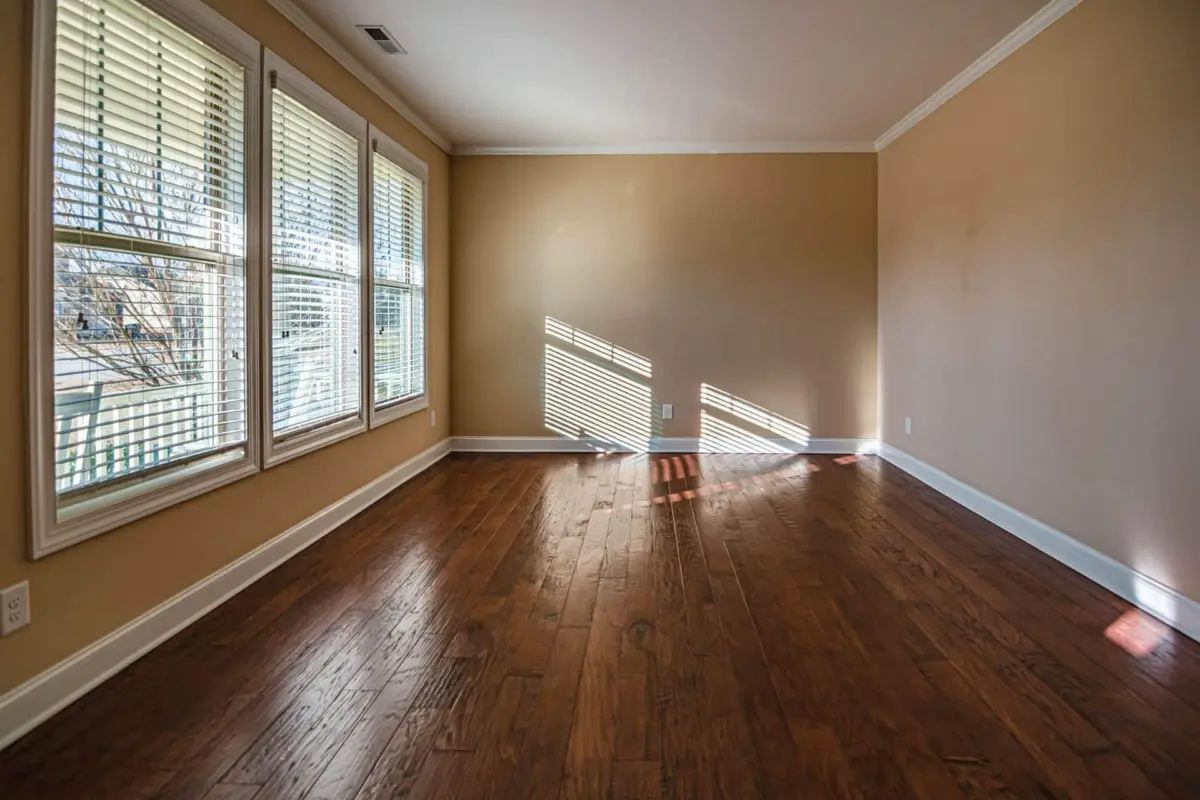
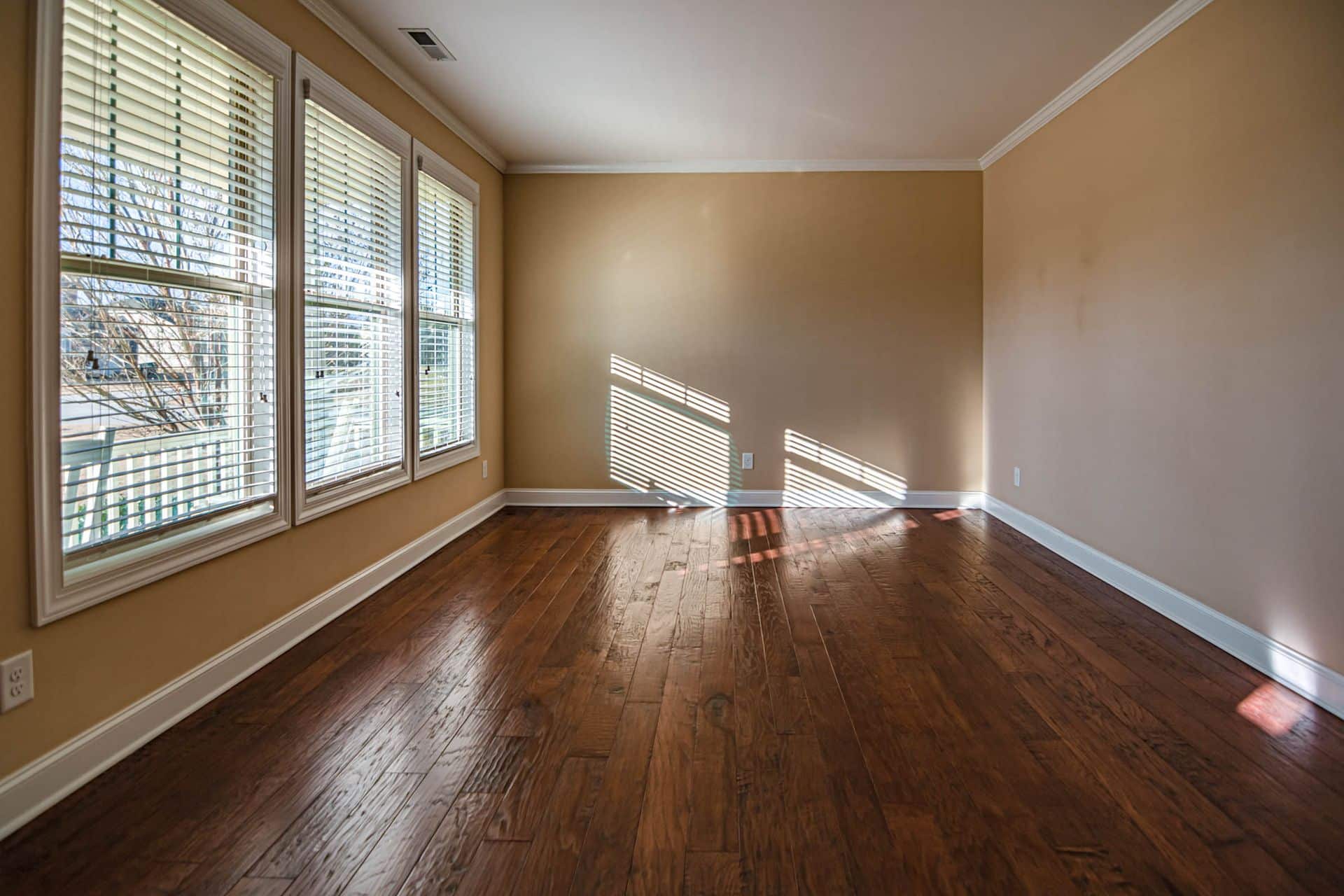
Arriving at her destination, she settled into a sparsely furnished apartment chosen specifically for its simplicity. With only a minimal stock of furniture provided by the rental, she integrated her meager belongings into the space, discovering early on how drastically a bare environment alters daily routines and psychological well-being. For someone who recently acquired a business—a development that kept her occupied and quiet behind the scenes—the transition offered an unexpected laboratory for observing consumer habits, physical clutter, and the restorative power of environmental reduction.
Use It Up
Among the first lessons of the sparse apartment living experience involved the handling of everyday consumables. Furnished short-term rentals frequently come stocked with hotel-sized portions of basic amenities. Having brought her own toiletries and cleaning supplies, Mia found herself facing a collection of redundant, travel-sized items.
In the past, a hoarding mentality might have prevailed—the instinct to preserve tiny, low-quality items for some hypothetical future emergency. Instead, she chose a philosophy of immediate consumption. Recognizing that these products were often the least appealing versions of everyday necessities, saving them added no genuine value to her life. By deliberately using them up first and immediately discarding the empty containers, she reduced the physical and mental real estate dedicated to trivial items. The experience reinforced a growing commitment to intentional consumption and immediate depletion of lingering stocks rather than indefinite storage.
Functional Decor
As a self-described homebody, adapting to an unfamiliar space devoid of familiar comforts presented a psychological hurdle. To bridge the gap between a sterile rental and a comfortable environment, she adopted a strategy of functional decoration. Rather than stashing her limited personal mementos away in drawers or keeping her books stacked out of sight on a bedside table, she integrated them directly into the living space.
A colorful throw blanket was draped casually over the couch instead of being folded away; books were propped across accessible surfaces throughout the apartment. While such an approach risks looking cluttered in a heavily populated home, with only a handful of cherished items, it lent immediate warmth and personality to the sterile rooms. By allowing everyday items to serve double duty—functioning as practical necessities while simultaneously acting as decor—she managed to create a homey atmosphere without introducing redundant clutter.
The Value of a Single Purpose
The reality of living with minimal provisions also highlighted how specialized tools can replace an excess of redundant items. Last week, during a visit from a friend for her birthday, she received a small wooden spoon as a gift.
Dealing with sensory issues that make the clinking sound of traditional metal silverware a trigger for nausea, she had initially resorted to saving plastic cutlery from takeout orders during her first days in the apartment. The addition of the perfectly sized wooden spoon provided an immediate alternative. Between that single wooden spoon and a pair of chopsticks, her culinary needs were entirely met, rendering the rest of the apartment’s provided utensil drawer completely obsolete. The situation underscored a broader realization about material possessions: owning a single item that serves its purpose perfectly—and brings genuine psychological comfort—surpasses keeping a drawer full of mediocre alternatives.
The Paradox of Alone Time
One of the most pronounced shifts during the relocation has been the dramatic reduction in her social calendar. While she maintains relationships with a few local acquaintances, her daily interactions pale in comparison to her bustling social life back home.
Initially viewed as a drawback given her deep affection for friends, the isolation quickly proved to be a powerful source of energy. Thriving on solitude despite an innate human desire for constant community, she found that a clear schedule radically streamlined her daily existence. Waking up to effortlessly walk to the gym for regular workouts, maintaining an immaculate apartment, and dedicating extended hours to preparing healthy meals became frictionless routines.
The newfound mental space also allowed her to catch up significantly on the administrative demands of the business she purchased a few months prior, ultimately providing the bandwidth required to document her journey. While she intends to reintroduce social gatherings and active hobbies, such as game nights with old friends and fight training, into her routine now that she is settled, the period of enforced solitude proved remarkably productive.
The Velocity of Clutter
Despite conscious efforts to maintain simplicity, the experiment highlighted how rapidly physical items accumulate within modern domestic spaces. Merely three weeks into her stay, the subtle threat of clutter began to materialize.
Following her recent birthday, new gifts brought into the apartment—ranging from sentimental items to recreational gear like a small trampoline sitting nearby—instantly claimed physical territory. Similarly, a kitchen cabinet quickly filled with plastic food storage containers saved from daily meals. The natural flow of consumer goods within the United States is persistently directed inward toward the domestic sphere. Without establishing a deliberate, counteractive flow of items moving back out of the home, accumulations are inevitable. Consequently, she resumed active participation in passive decluttering strategies to preemptively manage the influx before it became overwhelming.
Evaluating the Experiment
As for the core question driving the 19-month-old move—whether her living environment was the root cause of her chronic health issues—the preliminary results are encouraging. The experiment is proving successful so far, marking the first genuine improvement in her health that she has observed in years.
Yet, the news remains bittersweet, pointing to complex logistical realities regarding her permanent residence and long-term living arrangements. Addressing those realities will be the next challenge, one she is now better equipped to tackle utilizing the mental clarity and peace afforded by her minimalist experiment.