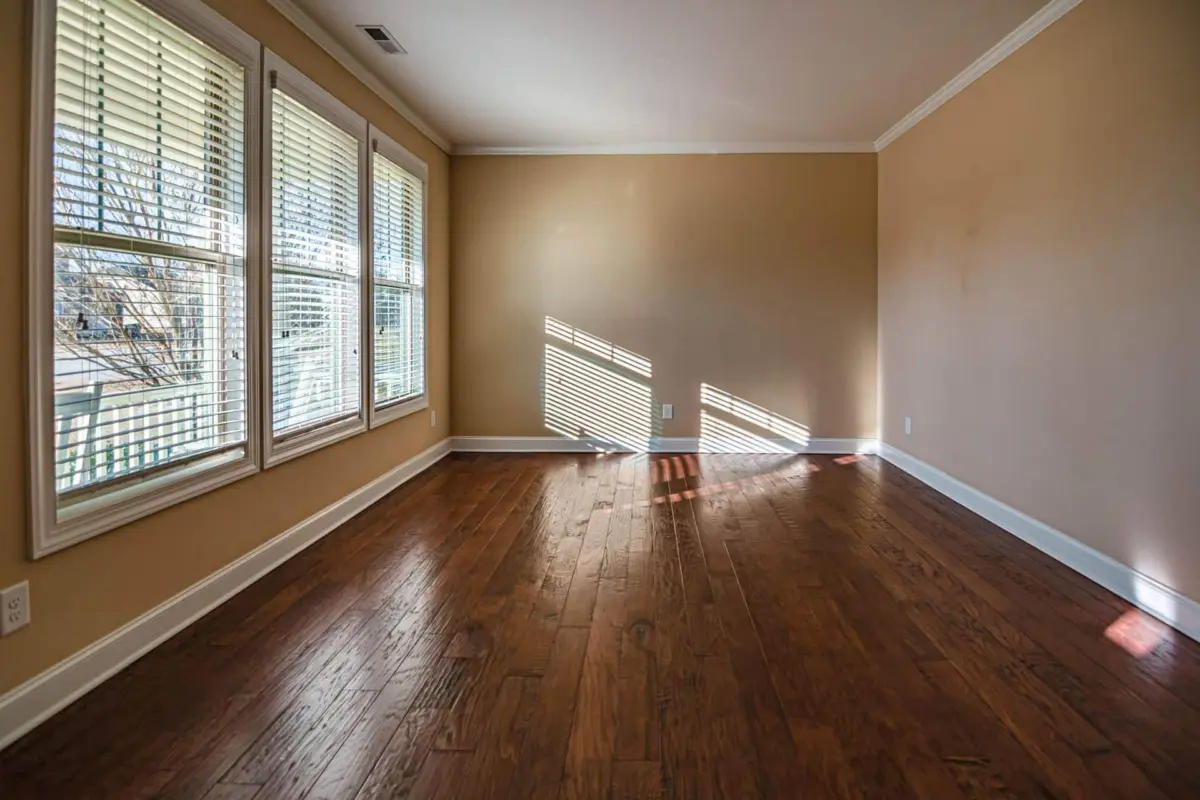
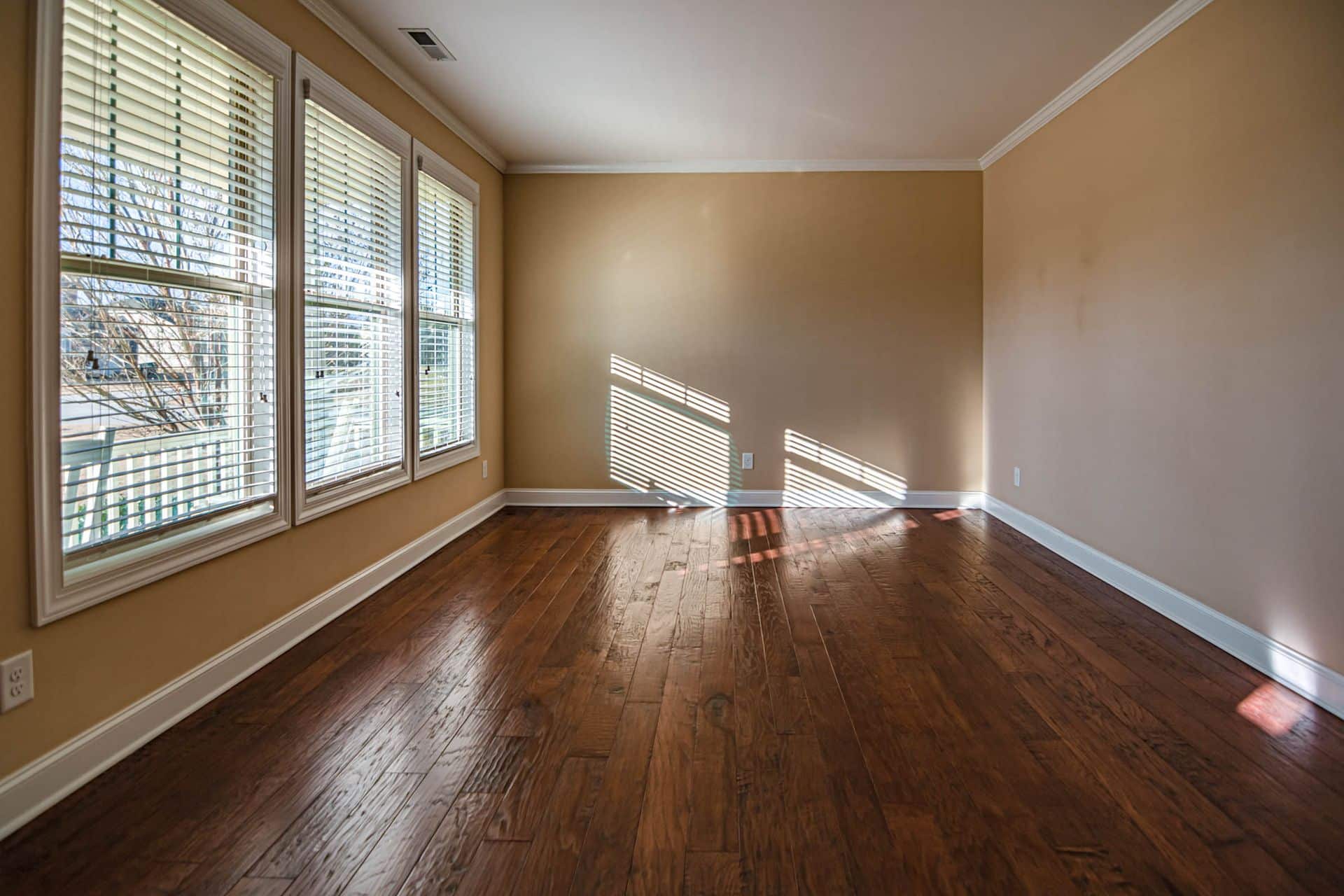
The destination was a sparsely furnished apartment chosen specifically to facilitate a simple, low-stress transition. Upon arrival, Mia spent her first afternoon integrating her minimal belongings into the stark stock environment. Living in a spare, unadorned space has since offered unexpected insights into the psychology of clutter and minimalism, echoing lessons she previously gathered from navigating overly crowded living spaces.
1. Use It Up
One of the defining realities of staying in a furnished, temporary rental is the abundance of hotel-sized portions of everyday items left behind for tenants. Having brought her own toiletries and cleaning supplies from home, Mia initially viewed these complimentary items as redundant extras.
In the past, she admits, a hoarding mentality might have taken over—the impulse to stockpile tiny amenities for some hypothetical future scenario where miniature products might prove useful. However, facing a minimalist environment, she adopted a different philosophy: she simply used them up.
Recognizing these items as the most basic versions of everyday necessities, she realized that saving them would not enrich her life or bring any joy to future routines. By consuming them first and immediately discarding the empty containers, she cleared physical and mental real estate. The experience has made her a stronger proponent of proactive decluttering through consumption than ever before.
2. Functional Decor
As a self-described homebody, adapting to an unfamiliar space away from her personal belongings presented a psychological challenge. To combat the sterility of the rental, Mia strategically displayed the few sentimental items she brought along, such as draping a colorful throw blanket over the couch rather than folding it away out of sight.
Books were propped thoughtfully around the apartment instead of being stacked in tight piles on a bedside table. By allowing items that looked visually comforting to remain in plain view rather than tucked into drawers, she warmed up the atmosphere.
While such an approach might risk looking cluttered in a heavily furnished home, surrounding oneself with a minimal selection of mementos serves a dual purpose. It infuses a temporary space with warmth and personality without introducing useless clutter.
3. This Spoon
The challenges of sensory issues often dictate daily comfort in subtle ways. For Mia, the sound of clinking silverware is a persistent trigger that induces physical nausea. Upon arriving at the apartment, she initially preserved plastic cutlery from takeout meals to avoid using the metal utensils provided by the rental.
The situation shifted when a close friend visited to celebrate her birthday and gifted her a small wooden spoon. Perfectly sized and deeply personal, the item serves as a constant, comforting reminder of her friend whenever it is used.
Relying exclusively on this wooden spoon and a pair of chopsticks has rendered the rest of the apartment’s utensil drawer entirely obsolete. The experience underscored a broader minimalist principle: possessing a single item that fulfills a purpose flawlessly—especially one that brings genuine joy—vastly outweighs owning a drawer full of mediocre alternatives.
4. Alone Time
A dramatic shift accompanied Mia’s relocation: a drastically simplified social calendar. While she has a few acquaintances nearby, her local network is sparse compared to the vibrant community she left behind.
Although initially feeling like a drawback given her deep affection for friends, the solitude has proven profoundly energizing. As a person who naturally thrives on alone time—even while occasionally resisting it out of a desire to remain constantly connected to loved ones—she found the balance liberating.
With a lighter schedule and an easily manageable living space, daily routines became effortless. Morning walks to the gym resumed seamlessly, the apartment remained consistently spotless, and time dedicated to preparing healthy meals expanded. Furthermore, having acquired a business a few months prior, the newfound mental space and quiet allowed her to catch up significantly on professional responsibilities and return to writing.
While plans are underway to reintegrate social activities and hobbies into her routine—such as hosting game nights with distant friends and resuming fight training now that her energy has returned—the period of intense solitude has yielded undeniable productivity and rejuvenation.
5. Clutter Comes Fast
Despite arriving with almost nothing just three weeks prior, Mia noted the rapid, almost imperceptible accumulation of belongings. Following her recent birthday, new gifts brought warmth and happiness into the apartment, yet immediately claimed physical space—exemplified by a trampoline currently positioned beside her workspace.
Even basic daily survival functions to pull items inward; a kitchen cabinet quickly filled with plastic containers saved for food storage. Observing that the natural economic and domestic flow within the United States consistently brings items into the home, she emphasized the necessity of actively engineering a flow outward to prevent permanent accumulation.
To combat this, she has resumed her established passive decluttering techniques, noting their rapid and effective impact when applied proactively before clutter becomes an overwhelming problem.
Assessing the Results
Reflecting on the overarching purpose of the move, Mia notes that the relocation experiment is yielding positive results. For the first time in years, she is observing genuine, tangible improvements in her chronic health issues.
At the same time, the realization brings a complex set of personal considerations, given that her primary life and permanent home remain tied to her original location. Navigating those long-term implications is a challenge she intends to tackle utilizing the mental clarity gained during her time away.
As she settles into the remainder of her three-month stay, preparations continue for upcoming community initiatives, including a planned Holiday Decluttering Challenge for her readership.