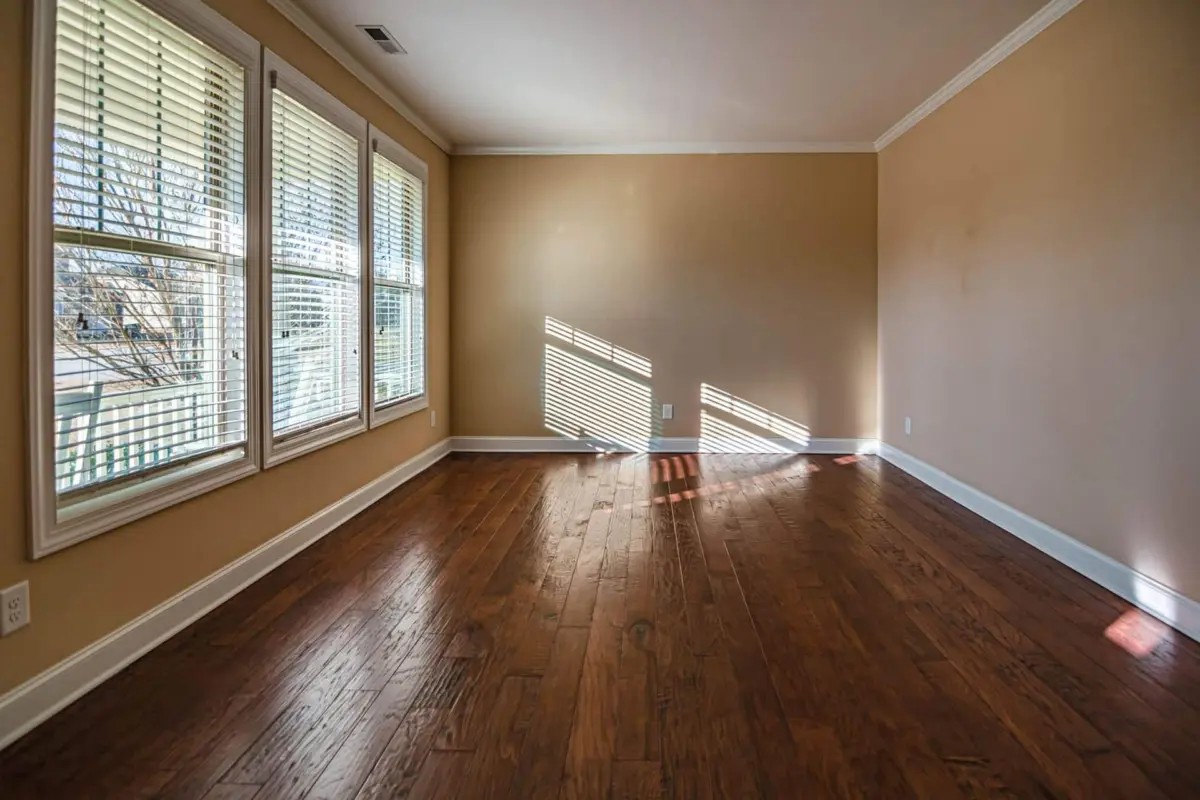
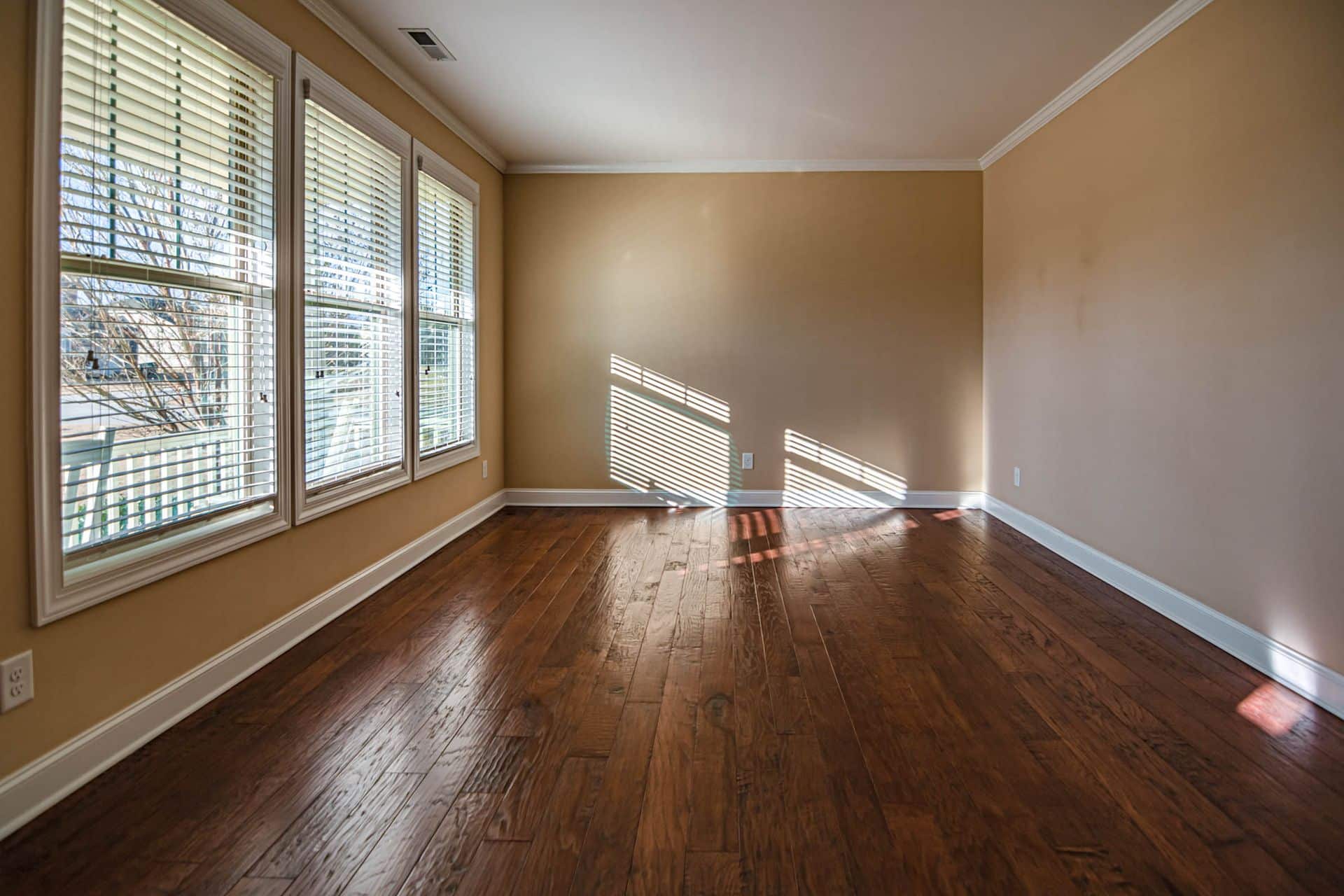
Renting a sparsely furnished apartment for the sake of a simple and uncomplicated transition, Mia spent her first afternoon integrating her minimal belongings into the stark stock environment. Living in a spare, unadorned space has since offered unexpected lessons on physical clutter, consumer habits, and the psychological benefits of radical simplicity. While the experiment is still ongoing, the initial results have provided her with the first genuine health improvements she has experienced in years, alongside a fresh perspective on intentional living.
1. Use It Up
The reality of staying in a furnished rental often includes an array of hotel-sized toiletries, complementary soaps, and basic cleaning supplies left behind by previous occupants. Having brought her own toiletries and cleaning products, Mia initially viewed these residual items as mere redundancy. In the past, she admits, a lingering hoarding mentality might have prompted her to save the tiny containers for a hypothetical future scenario where miniature items could prove useful.
Instead, she chose to use them up completely. Recognizing that these generic products were far from ideal and would never truly enrich her daily routine, she systematically worked through them, discarding the empty containers along the way. By eliminating these minor items, she successfully reduced the physical and mental real estate occupied by clutter, reinforcing her belief in intentional consumption and depletion over accumulation.
2. Functional Decor
Transitioning to an unfamiliar environment as a self-described homebody presented a unique psychological challenge. To counter the sterile atmosphere of the temporary apartment, Mia integrated the few personal mementos she had packed into her daily living space. Rather than folding away her colorful throw blanket or stacking her books neatly out of sight on a bedside table, she draped the blanket over the couch and propped her reading material throughout the rooms.
By allowing items that looked visually warm and comforting to remain in plain view, she transformed a stark rental into a welcoming environment. Styling with items that serve a practical, daily purpose allows them to perform double duty, offering a sense of home without accumulating into extraneous, decorative clutter.
3. This Spoon
The subtle friction of everyday routines can become glaringly apparent when living with sensory sensitivities. Mia, who experiences severe discomfort at the sound of clinking silverware—a sensory trigger that frequently induces nausea—took immediate steps to avoid the metal utensils provided with the apartment by saving plastic cutlery from takeout meals during her first days in the space.
The situation shifted when a close friend visited for her birthday and gifted her a small, perfectly sized wooden spoon. The item not only bypassed her sensory aversion but also served as a comforting reminder of her friend every time it was used. Relying exclusively on this wooden spoon and a pair of chopsticks rendered the remainder of the apartment’s utensil drawer completely obsolete, highlighting the principle that a single item fulfilling a purpose perfectly yields greater satisfaction than an abundance of mismatched alternatives.
4. Alone Time and Productivity
The geographic relocation also triggered an immediate and dramatic reduction in Mia’s local social calendar. While she deeply values her relationships and maintains close ties with friends back home, the sudden isolation created a surprisingly energizing dynamic. Although balancing a desire for constant community with a genuine biological need for solitude remains a perpetual human contradiction, the resulting lifestyle shift proved remarkably frictionless.
With her daily schedule largely free of external obligations and a living space that required minimal maintenance, her routine simplified considerably. Daily gym workouts became effortless, her apartment remained consistently spotless, and she found significantly more time to prepare wholesome meals. Furthermore, the newfound mental space allowed her to get comfortably ahead on the demands of a business she had acquired a few months prior, ultimately providing the bandwidth necessary to resume writing and blogging.
While she intends to reintroduce social activities and hobbies—such as game nights with old friends and a return to fight training—into her schedule now that she is fully settled, the extended period of solitude has proven deeply productive.
5. The Rapid Accumulation of Clutter
Despite entering the temporary residence with virtually no possessions, Mia observed how quickly physical objects begin to accumulate within a household. Within three weeks of arrival, her recent birthday gifts—including a small trampoline positioned nearby—alongside a growing collection of saved plastic food containers in the kitchen, demonstrated the natural, persistent flow of items into a home.
Without a deliberate, counteractive flow of items leaving the living space, physical goods inevitably pile up over time. Recognizing this rapid trajectory, she quickly reinstated her established passive decluttering practices to maintain control over her environment before the accumulation could become unmanageable.
Assessing the Experiment
The primary objective of the relocation—determining whether her original home environment was contributing to her chronic health issues—has yielded promising early results. Observing tangible health improvements for the first time in years has provided encouraging validation for the experiment, even as it presents the complex reality of living away from her permanent residence.
For now, Mia plans to utilize her renewed mental clarity to process these developments while continuing her temporary lifestyle. Alongside managing her newly acquired business, she is preparing for upcoming community initiatives, including a planned holiday decluttering challenge for her readers and followers.