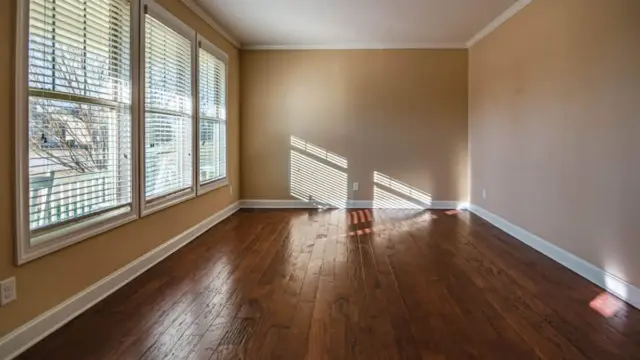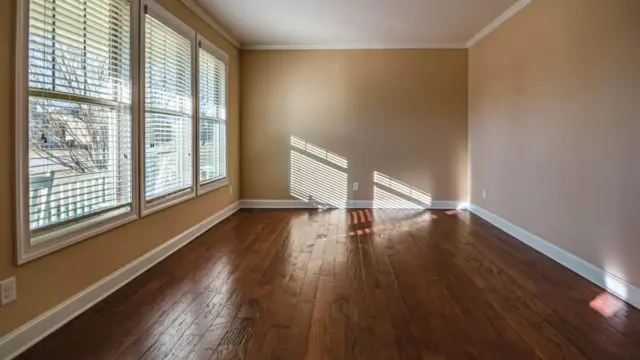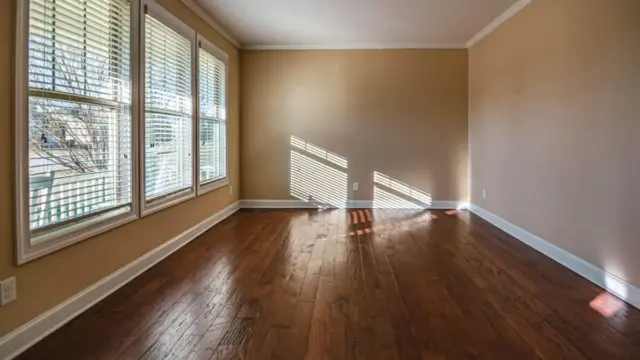

A nineteen-hour drive later, she arrived at her temporary home for the next three months—a sparsely furnished apartment chosen specifically to facilitate the simplest possible transition. Upon arrival, she spent the afternoon integrating her minimal belongings into the stark, stock furniture provided by the rental. Living in such a bare space unexpectedly offered a fresh perspective on clutter, minimalism, and daily habits, mirroring some of the lessons she had previously encountered while living amidst disarray.
The first major realization came quickly through the concept of using items up completely rather than hoarding them out of a sense of obligation. Like many furnished rentals, the apartment was stocked with hotel-sized portions of everyday products. Bringing her own toiletries and cleaning supplies meant these items were entirely superfluous. In the past, Mia admits she might have fallen into a hoarding mentality, saving tiny containers for some hypothetical future scenario where miniature toiletries might prove useful.
This time, however, she chose a different path. Recognizing that these products were often the lowest tier of quality and would certainly not enrich her life or bring any joy to use later, she simply used them up first. Once finished, she tossed the containers, immediately freeing up physical space and mental real estate. The experience transformed her perspective on consumable clutter, making her an even stronger proponent of intentional depletion strategies than she had been before the move.
Being a self-described homebody, adapting to life away from her familiar surroundings and belongings also required a creative approach to personal comfort, leading to her second observation regarding functional decor. To combat the strangeness of the experiment, she deliberately displayed the few personal mementos she had brought along. Instead of folding away her colorful throw blanket, she draped it casually over the couch. Rather than stacking her books tightly on a bedside table, she propped them up throughout the apartment.
Any item that offered a touch of warmth and hominess was given a visible home rather than being relegated to a drawer. While such an approach might border on clutter in a heavily furnished environment, with only a handful of cherished items, it succeeded in making the sterile temporary space feel welcoming. Styling with functional items allowed them to serve a dual purpose, softening the atmosphere without generating useless waste or visual noise.
A particularly poignant example of intentional living emerged during a birthday visit from a close friend the previous week. The friend presented Mia with a small wooden spoon, a gift that unexpectedly solved a deeply personal daily challenge. Because of severe sensory issues, Mia experiences intense nausea from the sound of clinking silverware. On her very first day in the apartment, she had resorted to saving plastic cutlery from takeout meals to avoid using the metal utensils provided with the rental.

The gifted wooden spoon provided an immediate, elegant solution. Perfectly sized and deeply sentimental, it instantly brought her friend to mind with every use. Between the wooden spoon and a trusty pair of chopsticks, Mia found her culinary needs completely met, rendering the rest of the apartment’s utensil drawer entirely obsolete. The experience reinforced the idea that owning a single item capable of serving its purpose perfectly—especially one that brings genuine joy—vastly outweighs maintaining a drawer full of unused or problematic alternatives.
Perhaps one of the most striking adjustments during the relocation has been the dramatic shift in her social calendar. Currently, her local social engagements are sparse compared to the bustling network she left behind at home. While initially disappointing given her deep appreciation for her friends, this scarcity of scheduled obligations has proven remarkably energizing. Balancing a natural inclination toward alone time with a simultaneous desire to remain constantly connected to loved ones is a classic human contradiction, but the breathing room has yielded profound benefits.
With a simplified schedule and an effortless living space, daily life has assumed an unprecedented ease. Morning routines now feature effortless walks to the gym for workouts. The apartment remains remarkably spotless, and the extra time has allowed for a significant increase in cooking healthy, nourishing meals. Furthermore, having acquired a business a few months prior—a venture that had kept her relatively quiet online—she finally found the spare time and mental bandwidth necessary to catch up on work and pen her reflections.
Plans are already underway to reintegrate social activities and hobbies once fully settled, ranging from game nights with her hometown friends to resuming fight training now that her energy levels have rebounded. Nonetheless, the period of enforced solitude has proven exceptionally productive and revitalizing.
Yet, the experiment also underscored how rapidly clutter accumulates, even in the most minimal environments. Just three weeks into her stay, the subtle threat of accumulating possessions has become palpable. Fresh birthday gifts, while deeply appreciated, immediately began claiming physical surface area, highlighted by a trampoline sitting right beside her as she typed her reflections.
Driving to the location with virtually nothing, she quickly found her kitchen cabinets filling with saved plastic containers designated for food storage. This phenomenon highlighted a fundamental truth about domestic life: the natural flow of consumer goods, particularly within the United States, is strictly directed inward toward the home. Without establishing a deliberate, counteracting flow moving outward, items inevitably pile up indefinitely. Consequently, she quickly reinstated her regular decluttering practices, utilizing passive maintenance techniques that have proven remarkably effective at keeping accumulation at bay.
As for the core question driving the entire relocation—whether the environment was indeed the root cause of her chronic health issues—the early verdict is cautiously positive. The experiment is genuinely helping, marking the first real, measurable improvement in her health that she has witnessed in years. Naturally, the news brings a layer of complexity, given that her permanent home remains located elsewhere, presenting a significant logistical puzzle for the future. For now, however, she intends to utilize her newly cleared mental space to navigate that challenge when the time comes.
While future blog updates will resume as the timeline permits, preparations for the upcoming Holiday Decluttering Challenge remain firmly on track, promising continued engagement with her community.