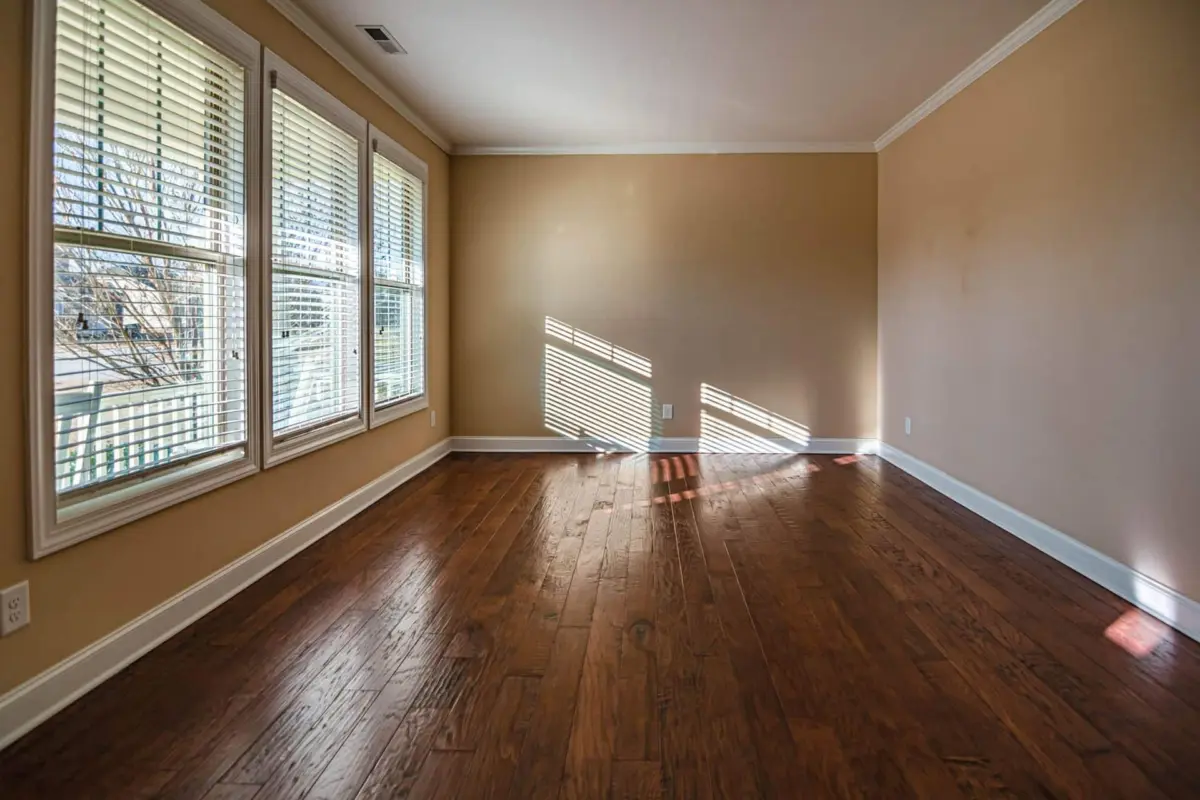
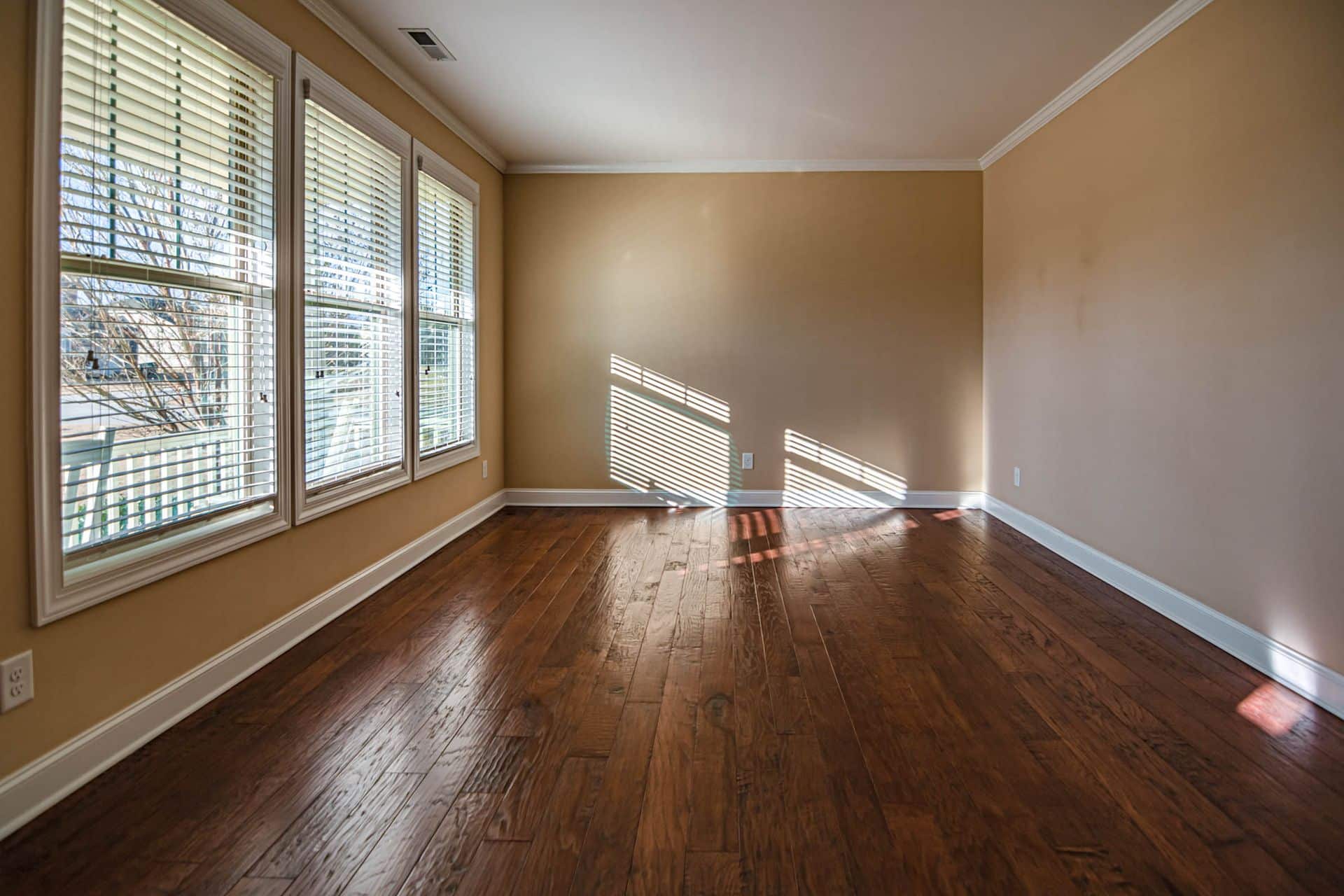
In a drastic move to uncover the root cause of persistent, unexplained health issues, author and business owner Mia recently packed up her compact Prius and drove nineteen hours to begin a three-month relocation experiment. Renting a sparsely furnished apartment with minimal stock items, she left behind her primary residence to test a growing suspicion that her home environment might be the hidden catalyst behind her chronic physical struggles.
The transition into a bare-bones living space, populated only by daily essentials, work equipment, and a few personal items, has offered unexpected insights into minimalism, consumer culture, and the psychology of domestic space. Three weeks into the trial, the experiment has yielded its first major breakthrough: her health has begun to improve for the first time in years. However, this promising development introduces a complicated reality regarding her permanent living situation.
The journey began with the logistics of packing light and adapting to a temporary home equipped with only the bare necessities. Upon arrival, Mia found herself immediately confronted with the hotel-sized portions of everyday toiletries and cleaning supplies left behind in the rental property. Rather than succumbing to a habitual hoarding mentality—saving minor items for theoretical future emergencies—she adopted a deliberate "use it up" approach. By prioritizing these inferior products first and immediately discarding the empty containers, she experienced firsthand the psychological relief of eliminating physical and mental clutter. This philosophy of aggressively consuming existing provisions before acquiring replacements has transformed her perspective on daily resource management.
Living in a temporary space also forced a reexamination of personal belongings and interior styling. As a self-described homebody, Mia initially found the separation from her familiar belongings challenging. To combat this, she integrated her few personal items directly into the apartment’s sparse layout, draping a colorful throw blanket over the couch rather than folding it away and scattering books across surfaces instead of stacking them on a bedside table. This strategy of functional decor allowed everyday items to serve a dual purpose, making the sterile rental space feel warm and lived-in without introducing useless clutter.
The minimalist environment also highlighted the profound impact of intentional object selection, particularly regarding sensory comfort. Managing sensory issues that cause a severe aversion to the clinking sound of metal silverware—which often induces nausea—she had initially relied on plastic takeout cutlery during her first days in the apartment. The situation shifted when a visiting friend gifted her a small wooden spoon for her birthday. Perfectly sized and deeply sentimental, the wooden utensil, paired with a single set of chopsticks, rendered the apartment’s entire drawer of metal silverware obsolete. The experience reinforced the principle that owning a single item tailored to absolute functional and emotional needs outweighs maintaining a collection of mediocre alternatives.
Beyond physical space, the relocation dramatically reshaped Mia’s social schedule and daily routine. With a drastically smaller local network compared to her hometown, her social calendar cleared entirely, opening the door to an unexpected period of solitude. Though she deeply values her friendships, the mandated alone time proved remarkably energizing and productive. Freed from extensive social obligations and the demands of maintaining a large home, her daily life streamlined significantly. Morning gym visits became effortless, her temporary apartment remained consistently spotless, and she found significantly more time to prepare healthy meals.
Furthermore, the newfound mental clarity and flexible schedule allowed her to get ahead on professional obligations, specifically managing a business she acquired a few months prior, while finally carving out the headspace to document her experiences. While she intends to reintegrate social activities and hobbies—such as hosting game nights with friends back home and resuming fight training—the period of intense solitude underscored the vital connection between environmental simplicity and personal productivity.
Yet, the experiment also exposed the relentless velocity at which domestic clutter accumulates in modern society. Even after arriving with virtually no belongings, Mia observed an immediate influx of items within three weeks. Recent birthday gifts, while cherished, quickly claimed physical territory, resulting in items like a small trampoline occupying space in her living area. Similarly, a collection of saved plastic food storage containers rapidly filled a kitchen cabinet. This rapid accumulation highlighted the persistent inward flow of goods native to contemporary consumer environments, emphasizing that without a deliberate, counterbalancing outward flow, possessions inevitably multiply. To combat this, she began actively implementing passive decluttering strategies to maintain control over her immediate surroundings.
Ultimately, the ongoing experiment has delivered both the validation and the complication she anticipated. The noticeable improvement in her health represents a major turning point, marking the first tangible progress she has experienced in years. Yet, because the root of the recovery is tied to her temporary displacement, it poses complex questions about her long-term living arrangements—a problem she now has the mental clarity and physical energy to address. As she continues her three-month stay, plans remain underway for future community projects, including a scheduled holiday decluttering challenge, signaling a return to her broader professional commitments as she navigates this transitional chapter.