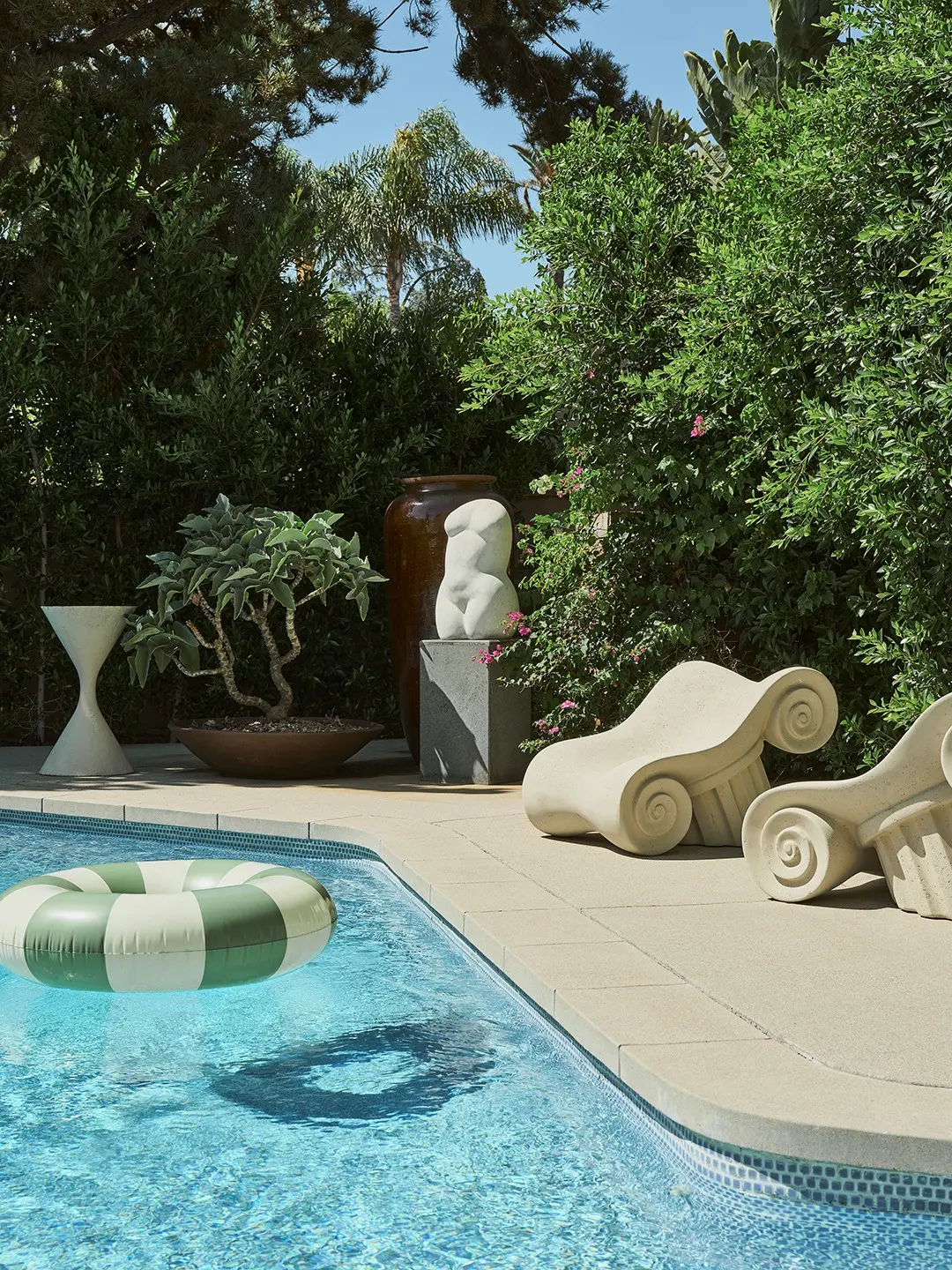
Following a preview of this year’s slate of exhibitions, open houses, interactive installations, and panel discussions, observers have begun looking closely at which emerging concepts might outlive the temporary nature of the festival. To understand where interior aesthetics are heading, a cross-section of Los Angeles-based designers, artists, stylists, and shop owners were asked about the materials, colors, and decorating philosophies currently capturing their attention.
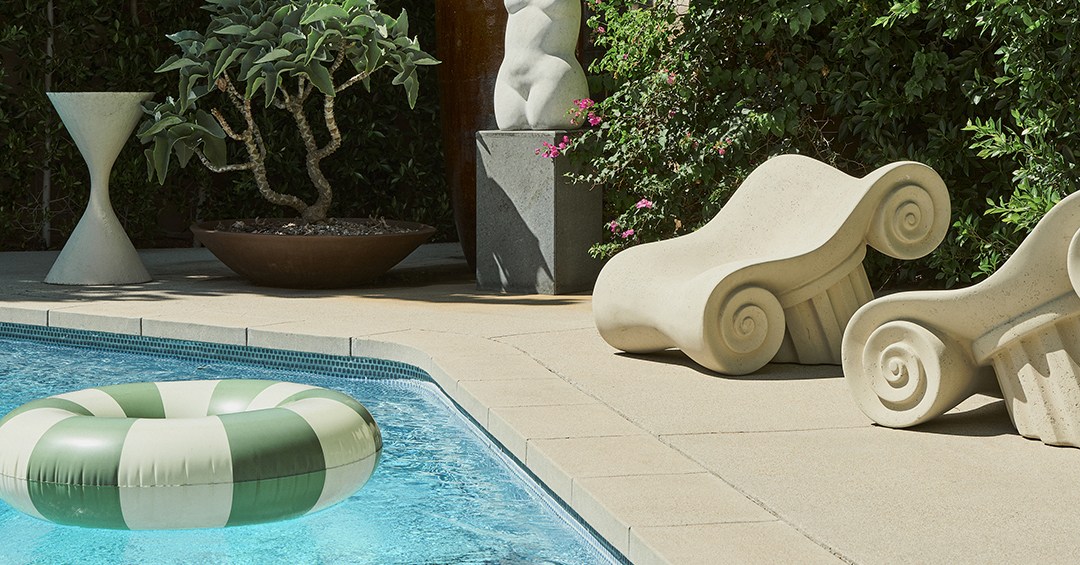
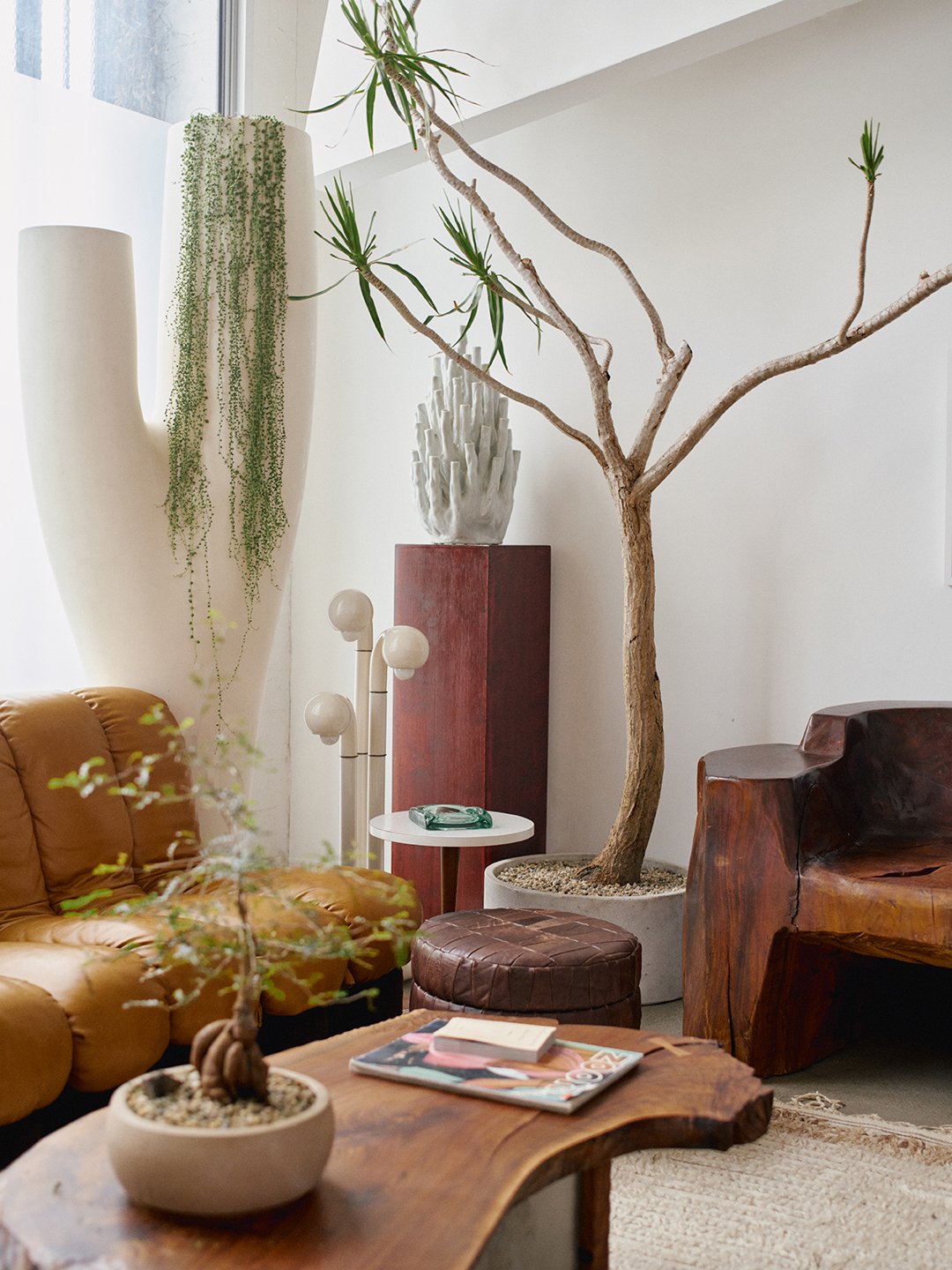
The prevailing forecast across the board points away from sterile perfection and toward deeply personal spaces. In an era increasingly influenced by automated technology and digital homogenization, local creatives are championing a return to tactile, eccentric, and unmistakably human environments.
Meghan McNeer: Embracing Trompe l’Œil and the Hand of the Maker
For Meghan McNeer, co-founder and creative director of LA Design Week/end, the core of contemporary decorating lies in the element of surprise. As a self-described maximalist who embraces curated clutter over minimalist emptiness, McNeer looks for moments that challenge perception. She points to the work of designer Sam Klemick, who crafts wooden furniture disguised as unexpected textures, such as chairs that mimic supple leather or side tables tied with rigid wooden bows. Similarly, design studio Oforo creates shiny Mylar stools shaped like balloons; the brain naturally expects them to compress, yet they provide sturdy seating.
"I love that tiny moment when your eyes and your brain disagree," McNeer notes.
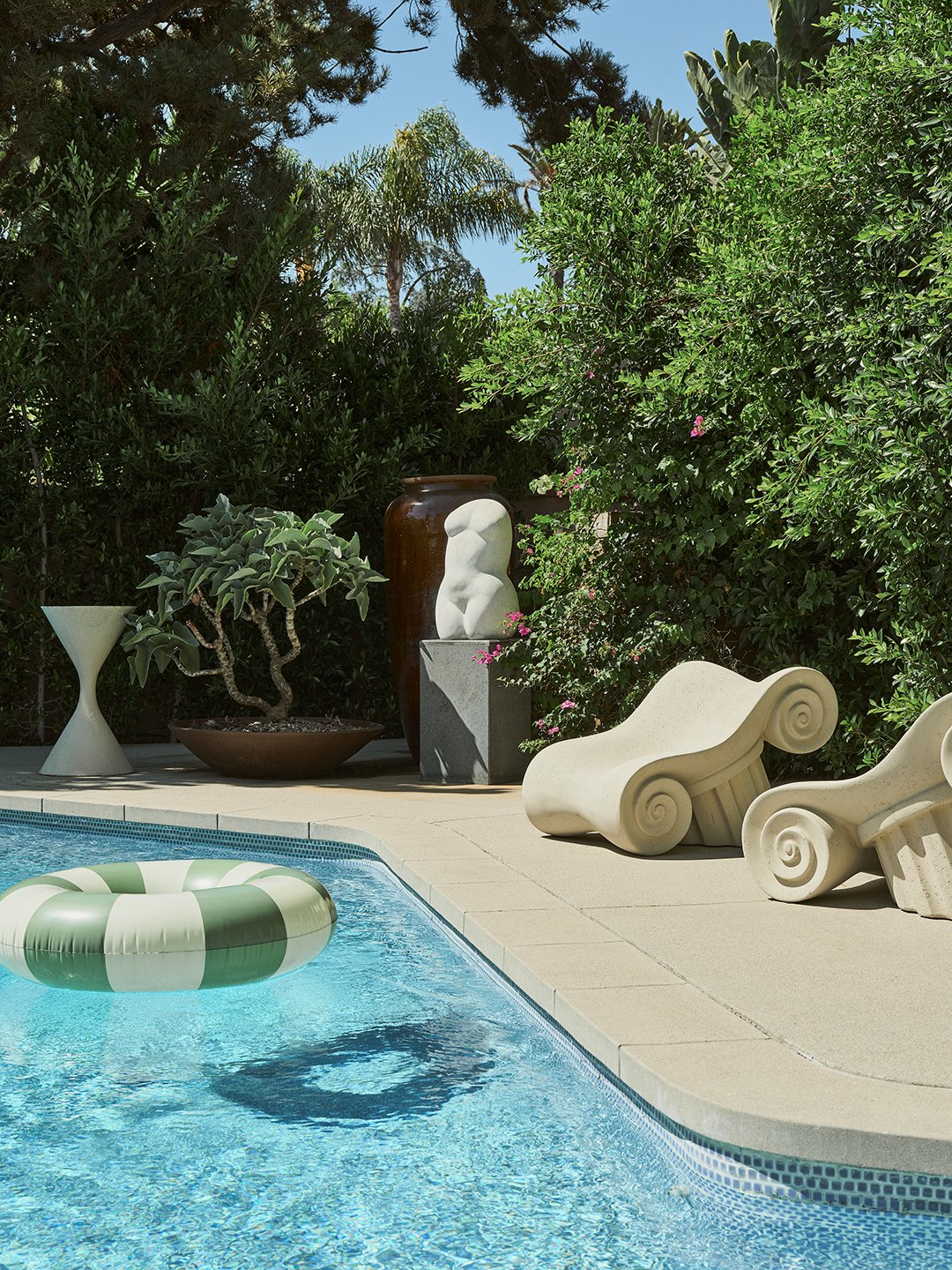
Looking ahead, McNeer believes residential interiors will increasingly prioritize human connection over algorithmic symmetry. The proliferation of decorative candelabras, she suggests, signals a collective desire for spaces that feel lived-in, slightly disheveled, and inherently social. To channel this local energy at home, she recommends investing in handmade lighting, such as the glossy, bulbous ceramic lamps crafted by Jonathan Entler in Los Angeles or handwoven fixtures from Twenty One Tonnes, both of which carry a palpable sense of the human hand behind the object.
Hopie Hill: Warm Wood, Pleated Skirts, and Historical Tension
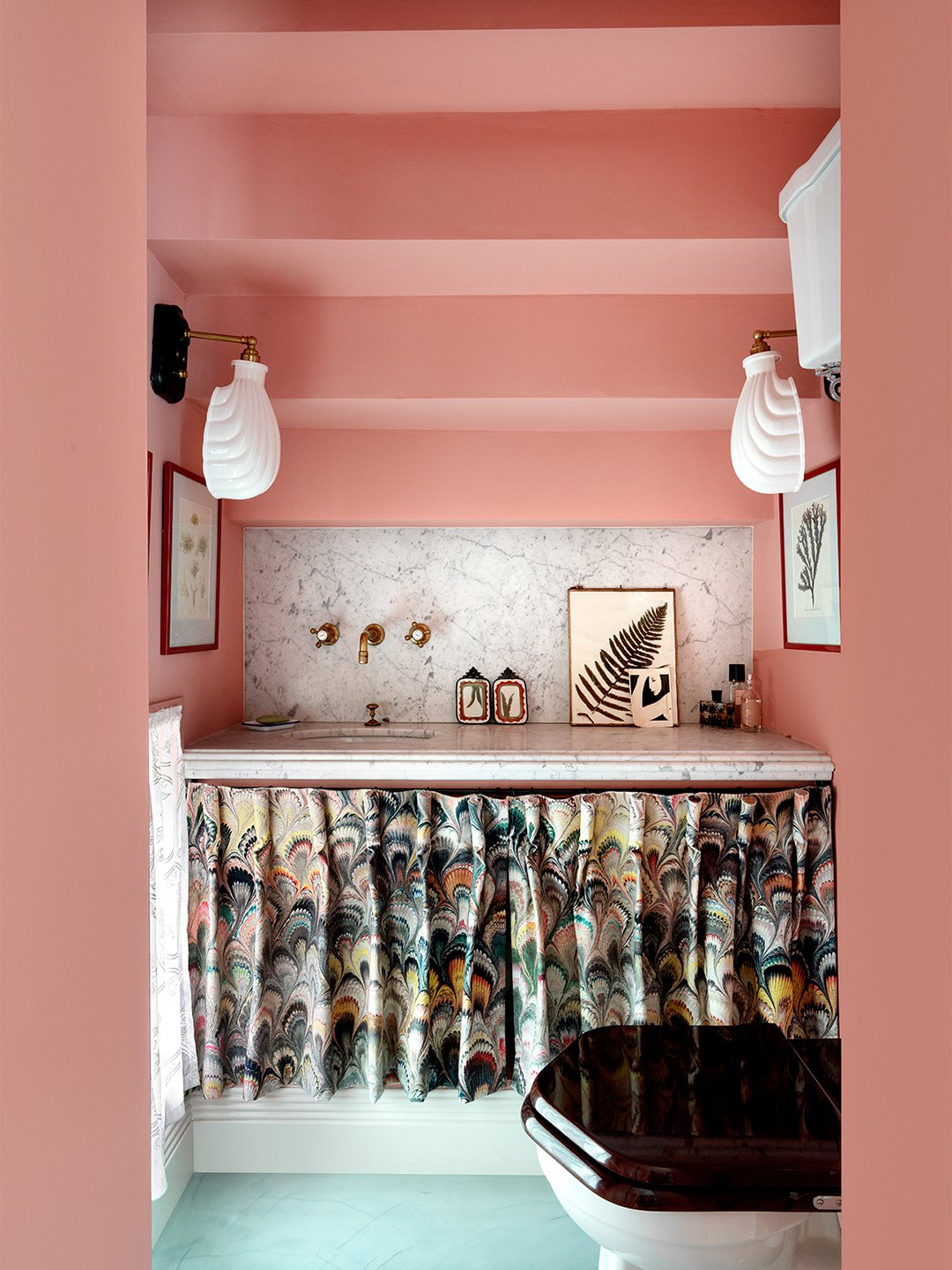
Hopie Hill, co-founder of Block Shop, has observed a distinct gravitation toward elemental materials in recent interior projects. Warm wood-clad walls and ceilings, reminiscent of the iconic Blunk House, are staging a major comeback alongside softer, traditional flourishes like fabric skirts tucked beneath bathroom sinks or framing bedframes.
Hill anticipates that upcoming design trends will lean heavily into playful juxtapositions across different eras. Designers are increasingly mixing the clean, crisp lines of the 1980s with wild color palettes, 1970s warm woods, weathered plaster, and turn-of-the-century chintz. Rather than matching every element within a single epoch, these rooms cultivate a happy tension through objects with genuine historical narratives. Fittingly, Block Shop used the festival window to debut new block-printed upholstery fabrics and wallpapers specifically engineered to help patterns and time periods coexist. For a simple entry point into this aesthetic, Hill suggests installing a pleated skirt around a powder room sink to transform a utilitarian corner into a charming, considered focal point.
Ben Warwas: The Surreal Simplicity of Laminate and Cozy Curtains
Architectural designer Ben Warwas, founder of Byben, finds current inspiration in the understated utility of laminate. By utilizing laminate in inventive ways across kitchen and bathroom cabinetry, designers can achieve a nearly surreal, unified single-color moment that breaks from traditional wood grains.
During the festival, Warwas opened the doors to a recently completed JADU—a compact accessory dwelling unit measuring under 500 square feet—outfitted with furniture from DEN, local ceramics, and his own custom window treatments featured at exhibition space The Feel. Warwas predicts a definitive retreat from the stark minimalism of past decades, making room for more tile countertops, saturated colors, and architectural whimsy. To introduce this warmth into domestic spaces, he champions the use of textured, fringed curtains that frame views and soften a room’s overall perimeter.
Jonathon Burford: The Rise of Red and the Value of Patina
Designer and creative director Jonathon Burford observes that the color red is finally claiming a definitive space in contemporary interiors, stepping out from the shadows of oxblood and maroon into its own vibrant identity. Beyond color theory, Burford anticipates a broader cultural swing away from severe perfectionism and toward expressive whimsy.
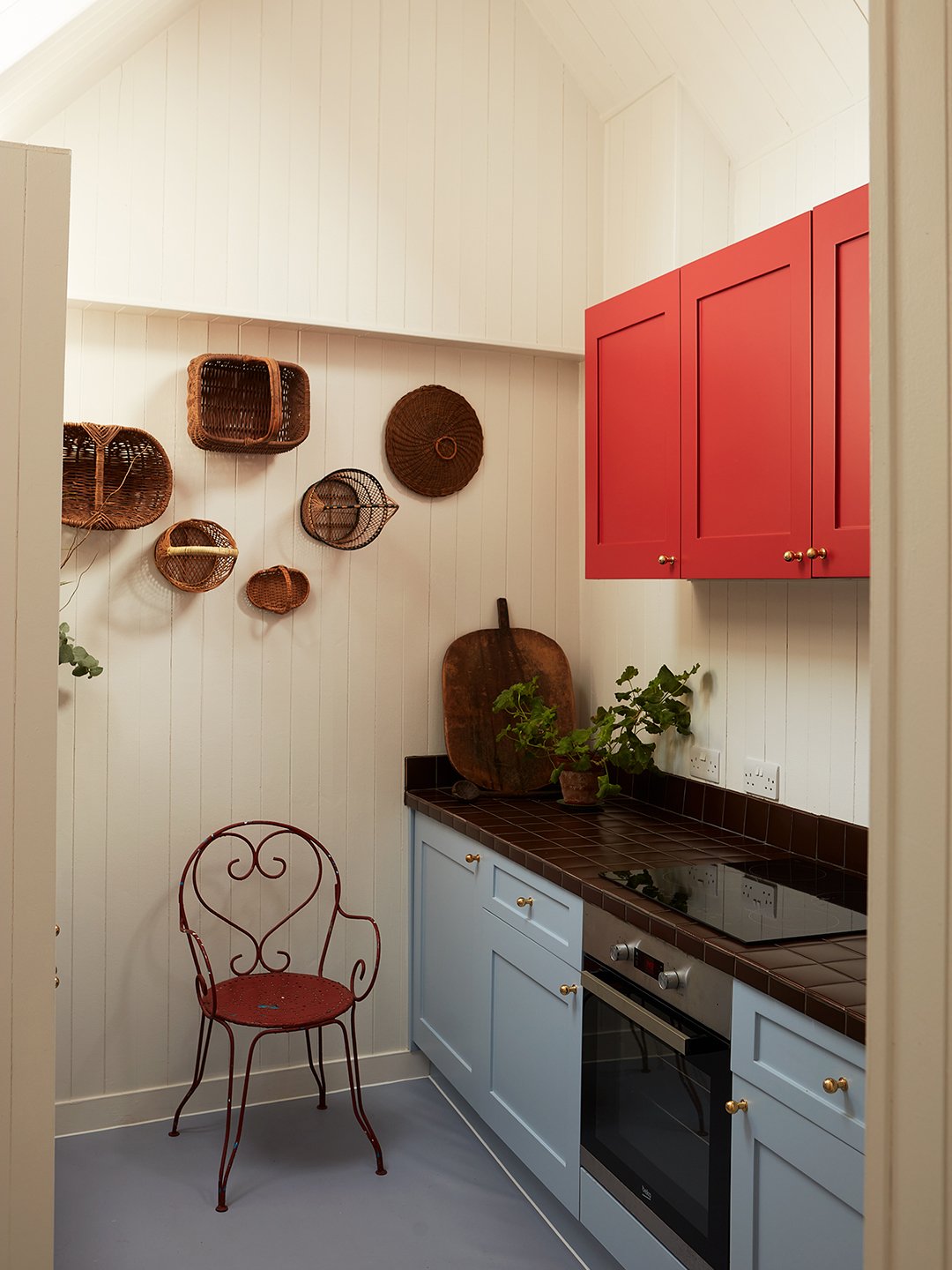
"Everything has been so perfect and serious," Burford says. "I’m excited for things to get messy again. I want to see the mark of the hand in objects."
For homeowners looking to implement this philosophy, Burford advises acquiring pieces purely out of an emotional connection rather than adherence to a fleeting trend. Embracing patina on a chipped heirloom or repairing a broken treasure, he argues, allows a home to accumulate meaningful character over time.
Olivia Lopez: Rituals of Daily Ceremony and Eastern Traditions
Drawing inspiration from international travel, decorator and interior stylist Olivia Lopez has turned her attention to the ceremonial presentation of everyday objects. Following a recent trip to South Korea, she noted the meticulous attention paid to culinary and domestic rituals—from silk fabric covers resting over tea cups to wood-carved serving trays and distinctive cutlery.
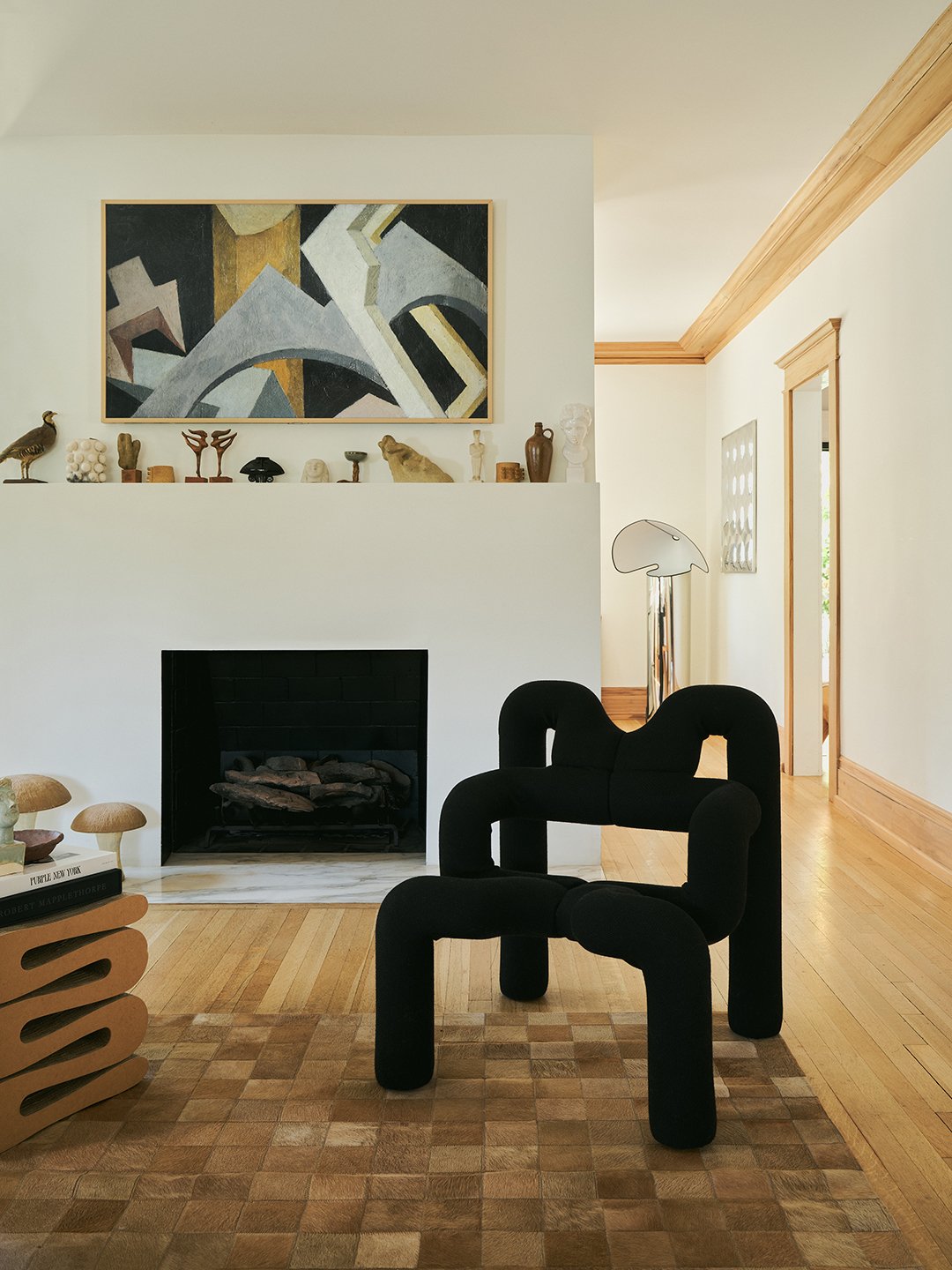
Lopez sees this heightened appreciation for craftsmanship translating into a broader surge of Eastern traditions entering Western design capitals like Los Angeles, New York, and Paris. Japanese silk screens, sheer Korean textiles, and pearl-inlay techniques rooted in Philippine and South Pacific craft traditions are increasingly finding a home in contemporary projects. She encourages decorators to incorporate diverse ceramic vases and vessels, noting how local clays and regional material cultures instantly ground a space in authentic history.
Denise Portmans and Sara Marlowe Hall: The Fluidity of Ceramics
As co-founders of Merchant Modern, Denise Portmans and Sara Marlowe Hall have positioned themselves at the intersection of fine art and functional design. The duo curated two distinct exhibitions during the festival: Objects in the Garden, which scattered sculpture and ceramics throughout the garden and showroom at Highland Park’s ORCA, and Katie Thompson’s In the Window, featuring ceramic vessels alongside bronze sculptures.
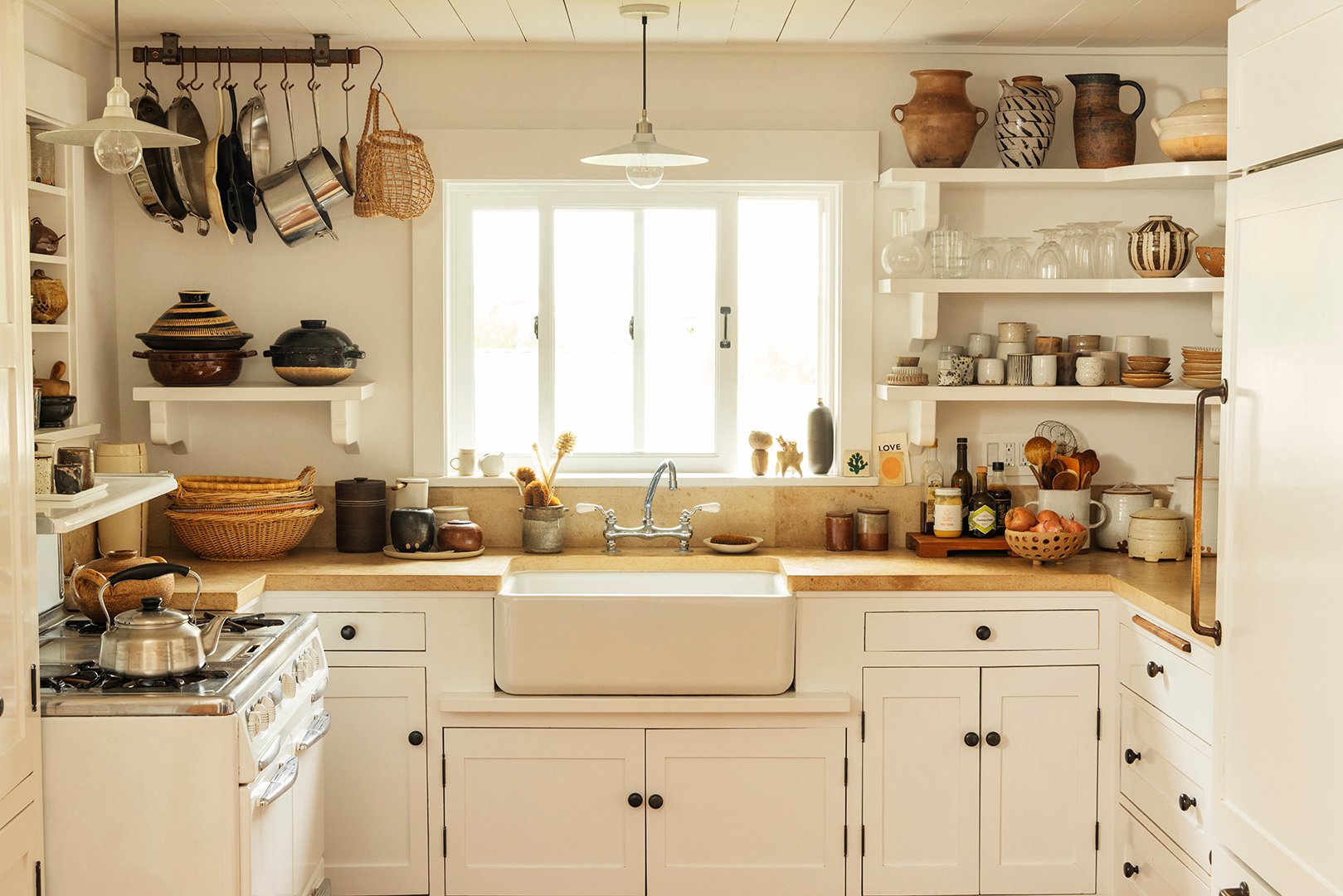
Portmans and Hall emphasize that clay’s remarkable adaptability allows artists to push the medium far beyond traditional vessels into furniture, architectural lighting, and sculpture. They predict that the boundaries separating art, craft, and functional design will continue to blur, encouraging homeowners to pair a unique vintage sculpture with a standalone chair rather than relying on uniform, matching sets.
Andre Herrero: Glossy Paint and Art Nouveau Accents
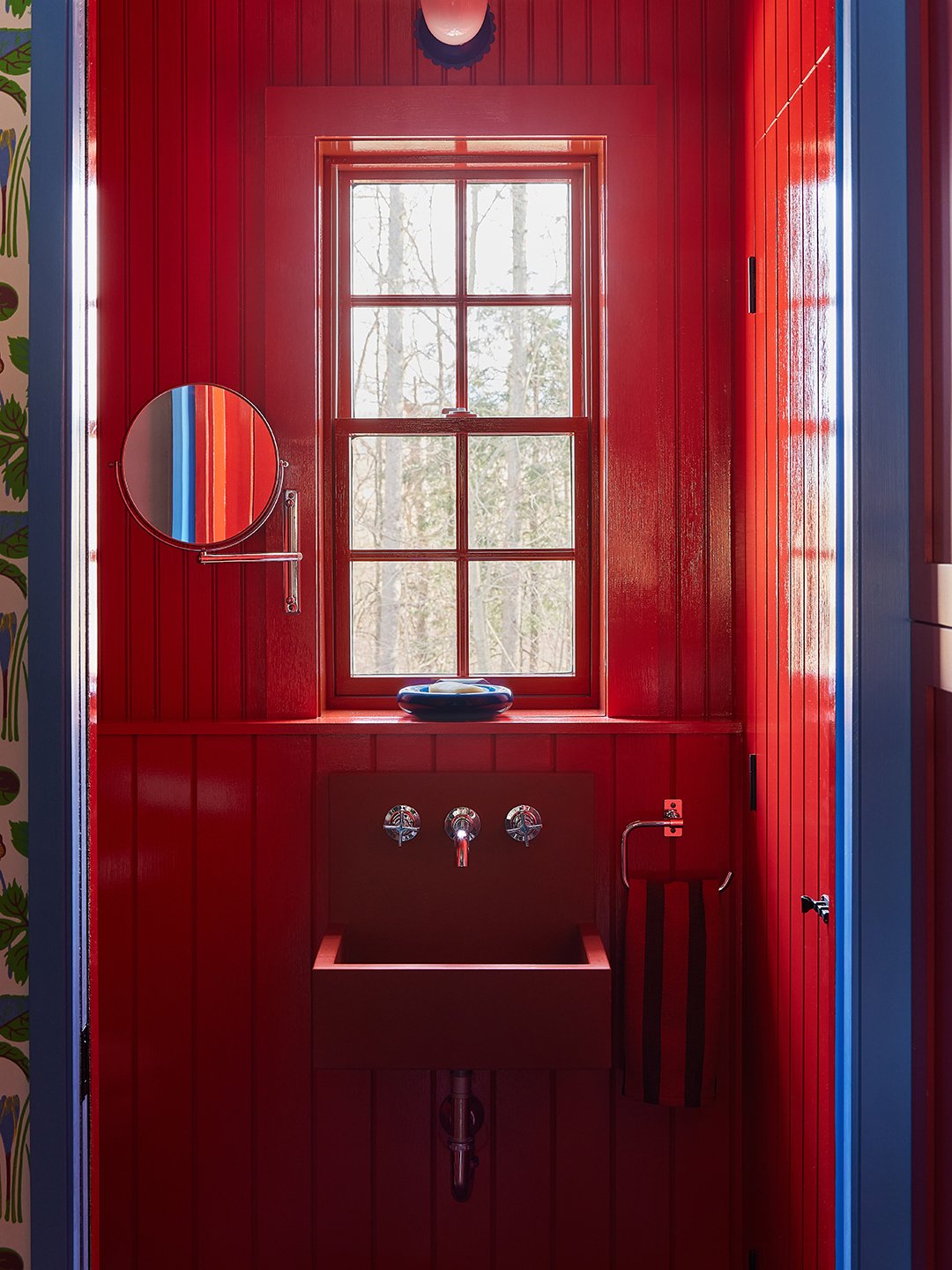
For Andre Herrero, co-founder of Charlap Hyman & Herrero, glossy red paint remains a recurring touchstone, offering a finish that is simultaneously energizing and deeply grounding depending on the architectural context. Looking forward, Herrero forecasts an influx of Art Nouveau accessories integrated into spaces that do not otherwise adhere to the historical movement. To experiment with this spirit at home, he suggests exploring unconventional bedroom still lifes, such as utilizing folding screens as headboards or repurposing industrial elements as bed frames.
Bryan Young: Hybrid Aesthetics and Material Continuity
Bryan Young, founder of Young Projects, approaches design through the strategic layering of disparate elements. His studio has been experimenting with finish and color as devices to visually merge objects originating from entirely different historical periods within a single vignette.
Young defines this forward-looking movement as "hybrid aesthetics"—an approach that fuses historical sensibilities with contemporary fabrication techniques to create forms that elude easy categorization. For those seeking to replicate this layered narrative at home, Young recommends working with miniature dioramas or thoughtfully curated vignettes where historical references and fictional elements intersect.
Madelynn Scheinberg: Painted Floors and Traditional Craft
Madelynn Scheinberg, founder of HAKO Vintage, found immediate inspiration in foundational color when launching her studio this past year, opting to paint the floors a rich brick red to introduce warmth and visual energy. Scheinberg echoes the sentiment that the rise of automated digital tools and artificial intelligence has sparked a fierce counter-movement in favor of human touch, traditional manufacturing, and honest materials. She advocates outfitting interiors with a mix of handcrafted modern furniture and well-provenanced vintage pieces that celebrate local craftsmanship.
Candace Shure: Graphic Wood Finishes and Collected Spaces
Candace Shure, founder of Shure Design Studio, has turned her focus toward cerused wood, pushing the traditional white-on-oak finish into saturated, unexpected territory. By highlighting wood grains with deep burgundy, cobalt, chartreuse, lavender, or rich chocolate, a classic woodworking technique transforms into a graphic and playful design element. Shure reiterates that contemporary interiors are shifting away from matchy-matchy formalism toward eccentric shapes, playful ceramics, and sculptural lighting that foster a genuinely collected aesthetic.
Laura Niles: Adaptive Design and Contextual Reuse
Laura Niles, designer and curator of Showroom LA, centers her practice on repurposing existing materials and shifting their contextual meaning. Participating in the festival exhibition Our Joy is Resistance, Niles showcased Farmette, a three-sided steel table featuring an integrated planter for microgreens that bridges furniture design with alternative living practices.
Niles believes adaptability will dictate the future of interior architecture, with modular systems, folding furniture, and multi-purpose objects taking center stage. Rather than imposing rigid minimalism, she champions flexible objects that resist fixed definitions. To test this adaptability in a domestic space, Niles suggests introducing a single high-impact element—such as an aggressively chartreuse carpet—that temporarily redefines the room’s entire chromatic identity without requiring permanent architectural renovations.