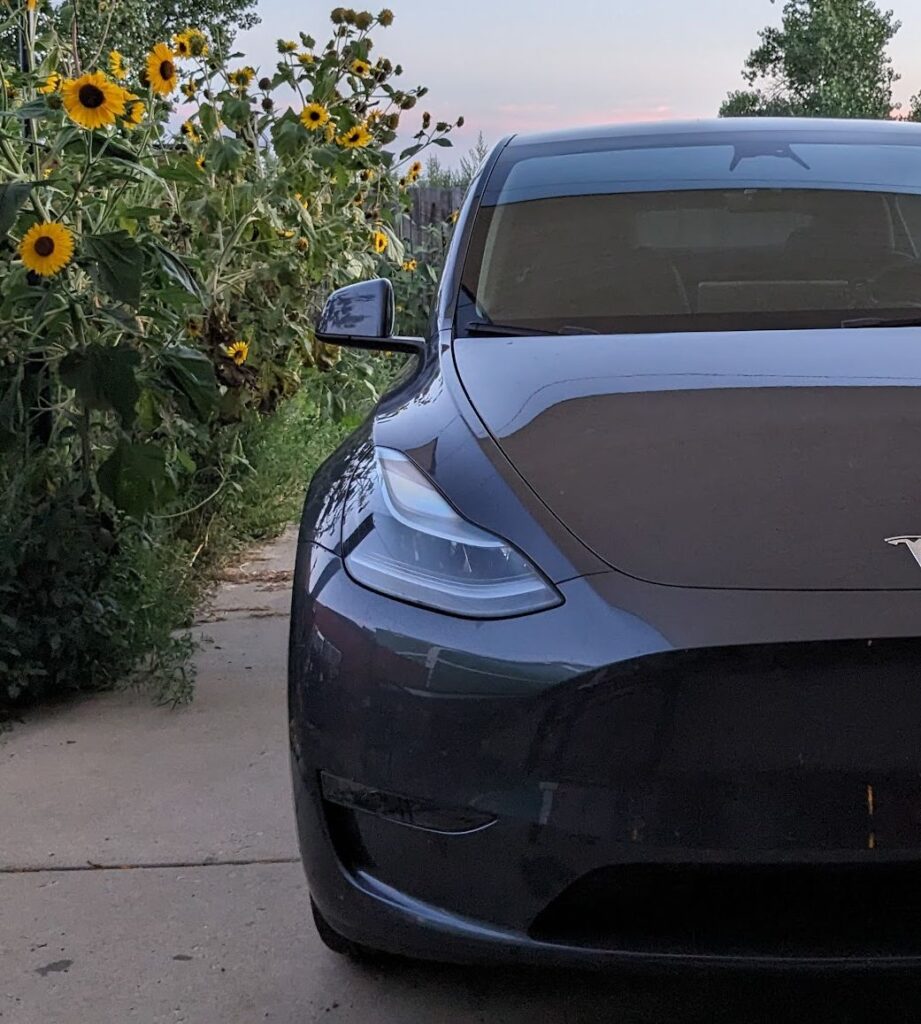
A couple of years ago, Adeney raised eyebrows among his dedicated following of lean-FI (Financial Independence) enthusiasts when he published a blog post detailing an active initiative to spend a bit more money, kicking off the lifestyle adjustment by purchasing a Tesla Model Y. At the time, the financial commentator humorously reflected on his middle-aged impulse to shake up his deeply ingrained habits and realign his consumption for the decades ahead.
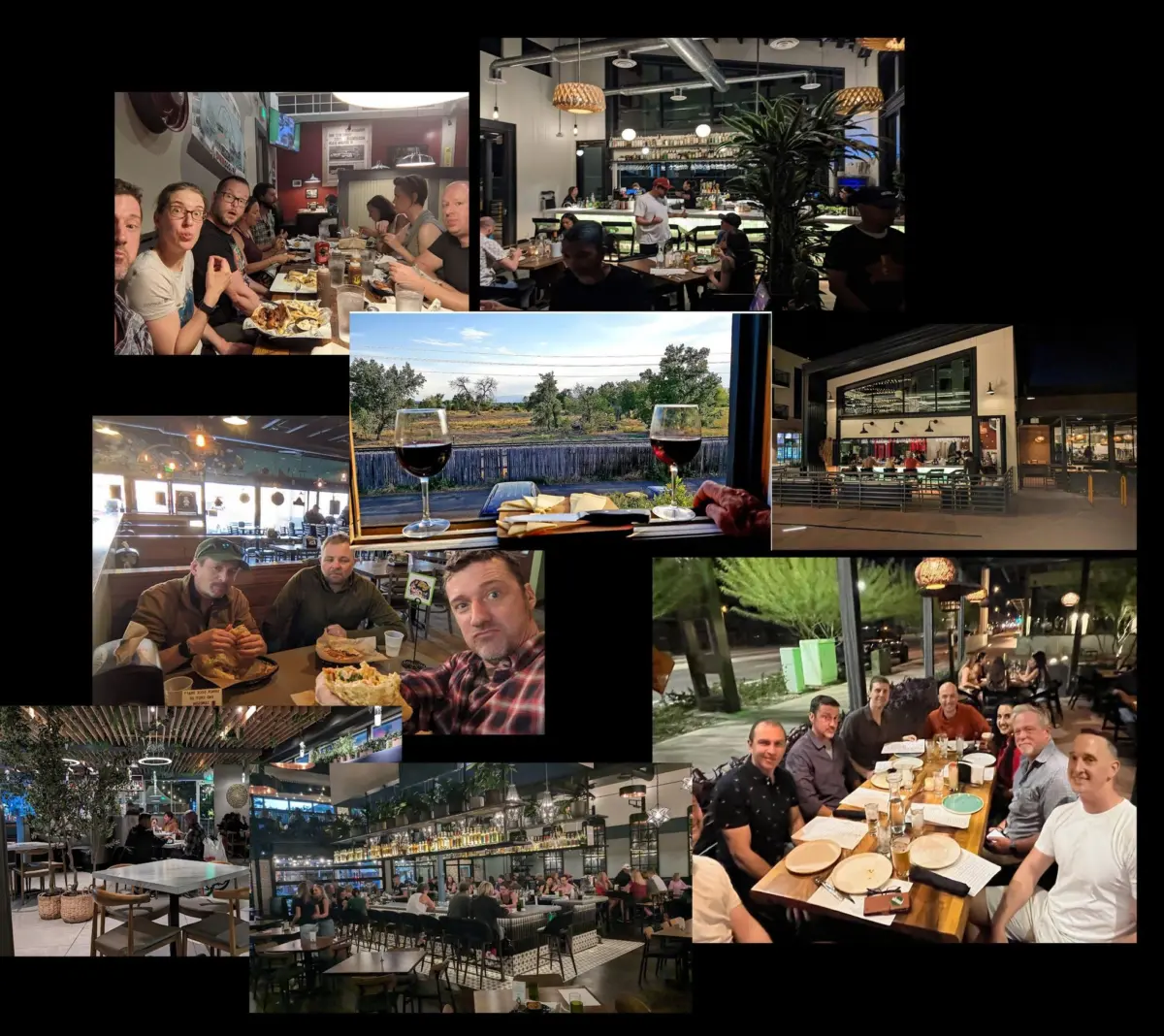
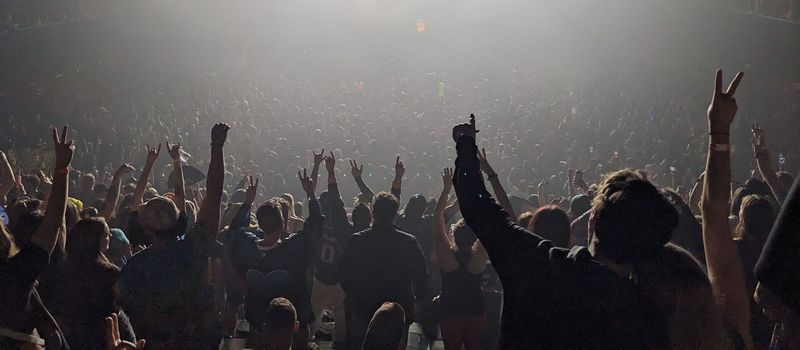
What followed was a two-year period defined by a heightened sense of abundance. Adeney embraced a more lavish lifestyle characterized by frequent travel, visits to stylish restaurants, and accommodations chosen for comfort rather than cost. He routinely opted for upgraded airline seating, frequented upscale grocery chains like Whole Foods alongside his traditional warehouse club memberships, and enjoyed various entertainment outings, including late-night electronic dance music concerts and immersive art installations with his son.
Operating with a wide-open schedule as a single man for much of the year, Adeney traveled extensively, including a Christmas Day road trip from his winter base in Tempe, Arizona, to Las Vegas. Despite engaging in what he described as flashy spending and assuming his budget would swell into conventional consumer territory, he largely avoided tallying the mounting transactions while enjoying the ride.
The reality check finally arrived when Adeney engaged in informal coaching with a friend, prompting both to compile and compare their spending figures for the preceding twelve months. Sorting through his records and calculating the final sum ultimately yielded surprising results for the prominent FIRE advocate.
While his overall expenditures had indeed risen—particularly within travel-related categories—the macro-level impact remained remarkably modest. Depending on adjustments for vehicle and business-related expenses, Adeney’s annual personal spending shifted from approximately $20,000 to roughly $30,000, not including the fundamental financial subsidy of a fully paid-off home.
This modest spending level remains easily sustainable through a standard $1 million investment nest egg under the classic four percent rule. Given that his actual investment portfolio sits substantially higher—bolstered by robust economic growth and a prolonged stock market rally—Adeney remains comfortably beneath his financial targets. Although he jokingly noted that he "failed" to elevate his spending to the levels traditionally recommended for older, wealthy individuals, the experiment left him satisfied with the psychological shift toward an abundance mindset.
To provide transparency to his followers, Adeney detailed the precise breakdown of his financial year, separating personal and business-related expenditures. His grocery spending totaled $5,960.39, covering food for himself, his young adult son approximately half the time, and occasional guests. Restaurant expenditures reached $2,243.59, a category reserved specifically for special entertainment rather than routine sustenance. Travel costs constituted a significant portion of his outlays at $6,158.77, which encompassed business-related travel to events such as the Camp Fi conference.
Utility expenses amounted to $1,909.51, while a combined Amazon and house maintenance category totaled $3,554.10, roughly three-quarters of which represented construction materials for client projects that were subsequently reimbursed via invoice. Spending on wine and alcoholic beverages for entertaining stood at $250.67. Healthcare costs reached $3,536.66, kept relatively low through a combination of a Direct Primary Care subscription and a health-sharing organization, alongside elective advanced blood screening tests.
Automobile expenses, covering insurance and vehicle registration, totaled $2,425.21, though depreciation could be factored in for absolute accuracy. Combined phone and internet services cost $1,410.56, featuring high-speed gigabit internet alongside a modest monthly mobile bill. Finally, property taxes accounted for $2,577.30, a figure Adeney noted as surprisingly reasonable given the prevailing market values of homes in his neighborhood. Across all categories, personal card spending accounted for $20,284.67, while business cards covered $9,742.09, bringing the grand total to $30,026.76.
Comparing these figures to his previously published spending data from 2019, Adeney observed that his expenses have remained stable despite recent inflationary pressures. While he spent notably more on travel and leisure, his home renovation costs decreased because extensive travel limited his availability for DIY projects. The introduction of structured healthcare costs also represented a new baseline expense compared to his earlier years of self-insurance.
A critical structural element keeping his expenses low is the complete absence of housing payments. Having paid off his mortgage long ago, Adeney handles his own home maintenance, eliminating regular bills for lawn care, plumbing, tree pruning, and handyman services. While he acknowledges that from a purely mathematical perspective, taking out a low-interest mortgage during the low-rate environment of 2021 and investing the principal in stock index funds would have yielded higher returns, the psychological peace of mind derived from a mortgage-free property remains invaluable to him. Additionally, avoiding standard homeowner’s insurance saves him roughly $2,000 annually.
Regarding healthcare, Adeney continues to benefit from good fortune and robust physical health, resulting in minimal actual medical interventions. Rather than relying on traditional, high-premium health insurance, he maintains a hybrid model consisting of a Direct Primary Care clinic membership costing $107 per month and a high-deductible healthcare-sharing plan through Sedera for $201 monthly. Totaling $308 per month, this configuration costs less than standard bronze-tier insurance while providing personalized primary care with zero deductibles and a safety net for major medical emergencies.
Reflecting on the broader philosophy of resource allocation, Adeney emphasized that money serves fundamentally as a tool for survival and self-actualization. Citing the psychological principle that resolving persistent problems yields greater happiness than doubling down on existing comforts, he noted that his primary daily friction point is physical space limitations. Engaging in space-intensive hobbies like carpentry and music within a relatively compact two-car garage workshop has created domestic clutter. While he occasionally ponders the acquisition of a larger workshop, a mountain compound, or additional properties, he remains hesitant to introduce unnecessary operational complexity into an already fulfilling daily routine.
As he looks toward the broader economic landscape, Adeney also drew attention to the current market conditions surrounding electric vehicles. With potential policy shifts looming regarding the $7500 federal EV tax credit, he suggested that current market pricing for models like the Tesla Model Y and Model 3 represents an opportune window for prospective buyers navigating the intersection of transportation and personal finance.