
Historically, working from the road involved hunched postures over cramped tables in hostel common rooms or engaging in frustrating disputes with vacation rental hosts who claimed their internet was exceptionally fast, only for it to fail at loading a basic email. These friction points often transformed what should have been an exciting adventure into a stressful juggling act between productivity and exploration.
However, as remote work has expanded significantly in the post-pandemic era, a new ecosystem of coliving spaces has emerged to address these exact pain points. These properties successfully combine the functional infrastructure of a professional coworking space with the vibrant social atmosphere of a hostel, omitting the cramped dorm-style accommodations of the past. They cater directly to digital nomads who require a comfortable, reliable place to live and work while also offering opportunities to connect with fellow travelers, mitigating the isolation that often accompanies working alone abroad.
Among the various platforms operating in this space, Outsite has grown to become one of the most prominent networks for remote workers, featuring a diverse portfolio of properties located around the globe. A recent stay at the company’s location in Bordeaux, France, offers a clear window into how these modern coliving models operate and how they are changing the landscape of remote work.
What is Outsite?
Founded in 2015, Outsite is an international network of coliving and coworking spaces tailored specifically for remote workers, location-independent entrepreneurs, and digital nomads. The enterprise began with a single residential house in Santa Cruz, California, created for individuals who wanted to combine surfing with remote employment. In the years since its inception, the network has expanded to encompass more than 5,000 members and a collection of roughly 50 properties worldwide.
While any traveler can book a stay at an Outsite property, individuals who choose to join the network gain access to additional perks and preferential pricing models. Membership options include an annual fee of $199 or a one-time payment of $499 for lifetime access. Benefits associated with membership include admission to exclusive members-only locations, one week of free accommodation in newly launched destinations, steep discounts during flash sales, reduced rates for extended stays, new member networking mixers, access to a dedicated job and sublet board, and various lifestyle perks.
The booking process is designed to be straightforward. Users navigate the platform’s digital interface, filter properties by destination or desired environmental vibe—such as beachside, urban, or mountain settings—and secure a private room for their travel dates.
How Does Outsite Work?
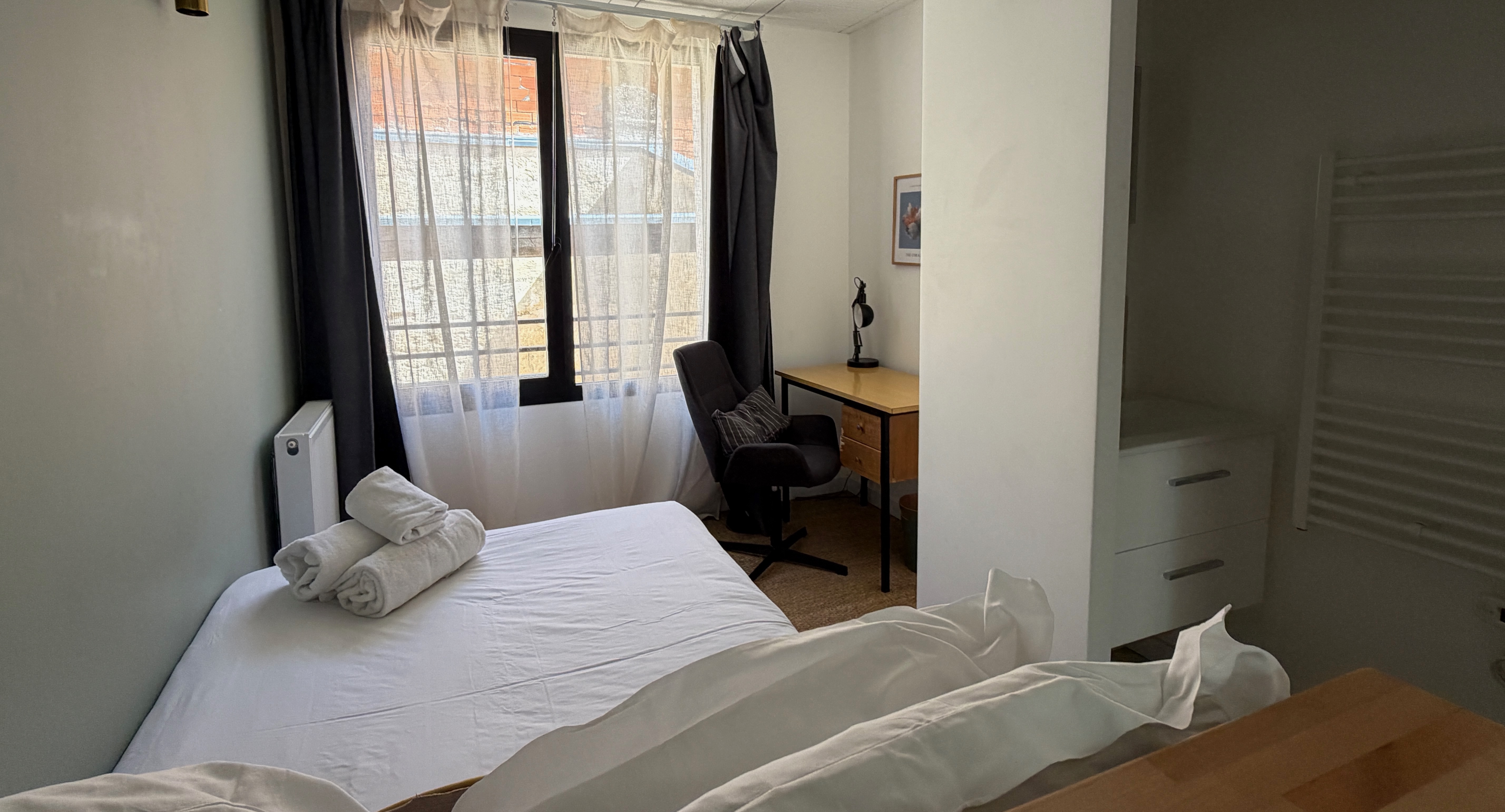
In practice, Outsite functions as a hybrid between a boutique hotel and a professional shared workspace. When guests book a stay, they are reserving a private bedroom. The majority of these rooms feature private en-suite bathrooms, though a selection of more budget-friendly options utilizes a bathroom shared with just one other resident.
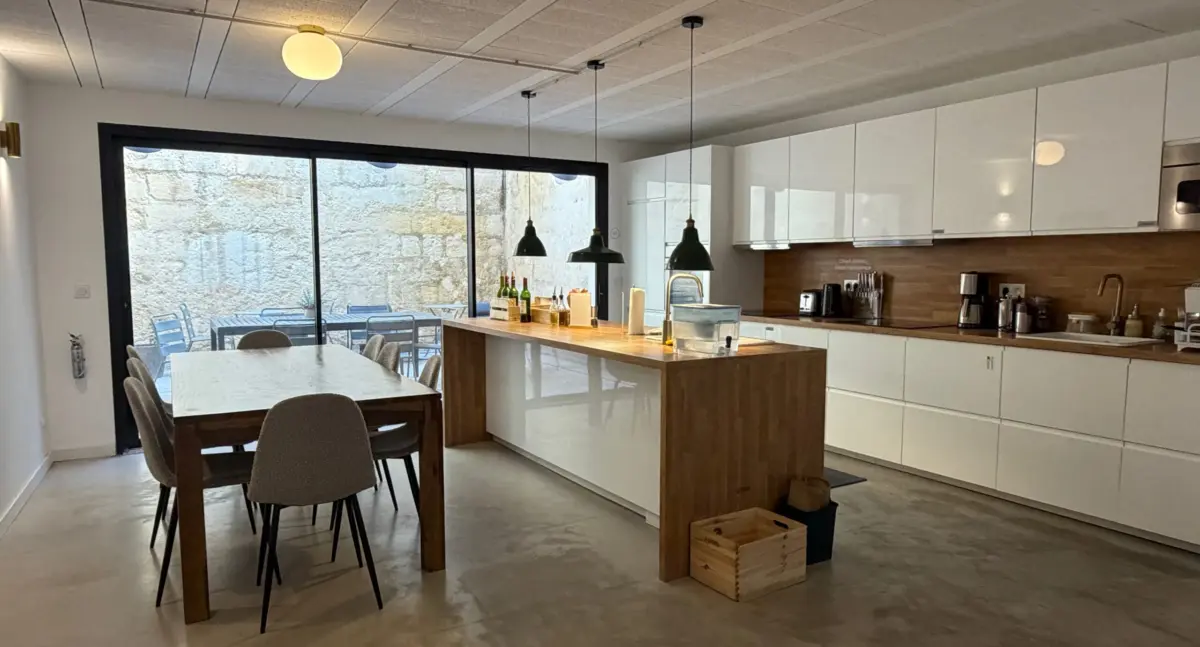
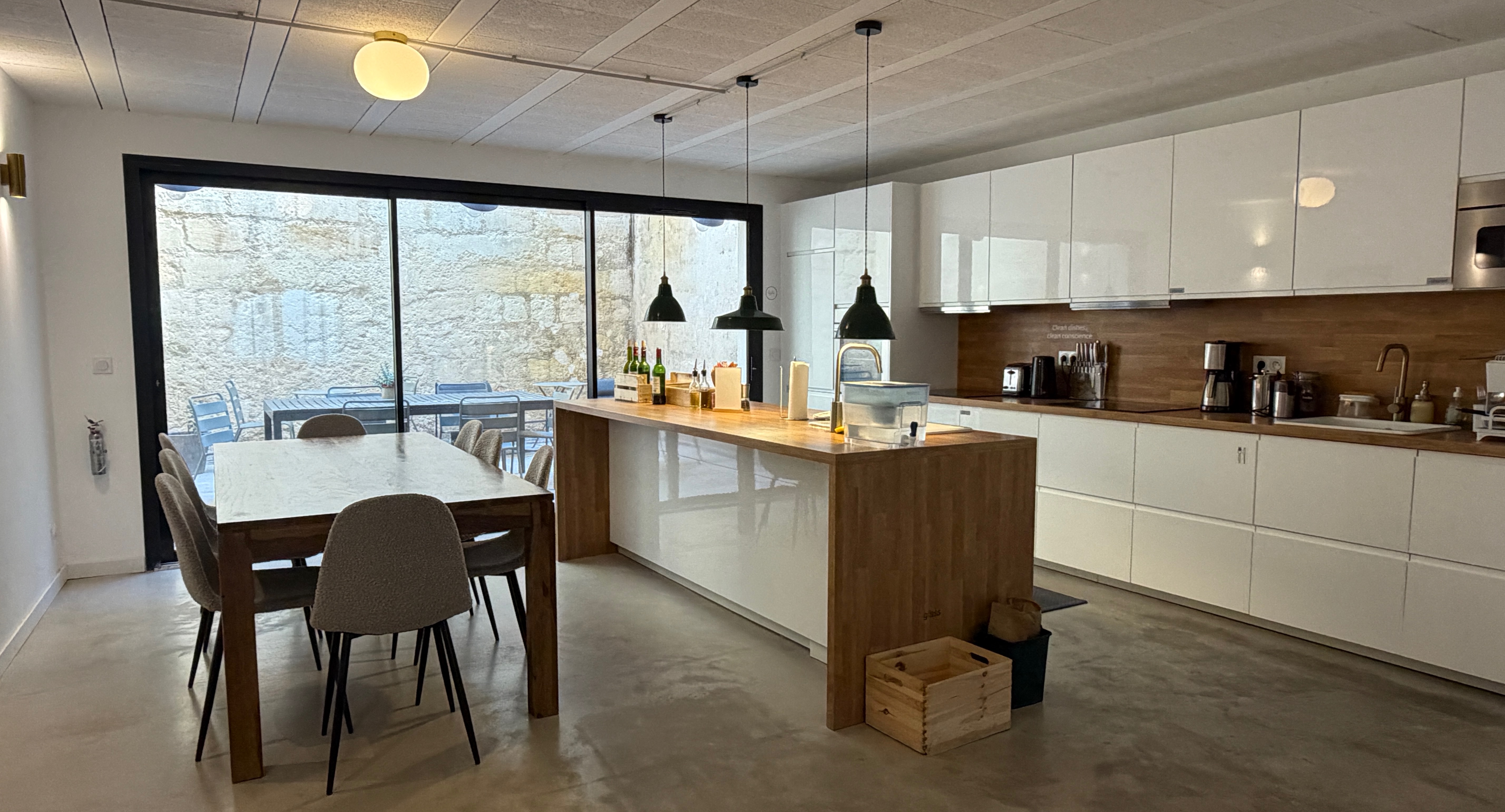
Beyond the private sleeping quarters, every property boasts expansive, professionally furnished communal zones. Guests have access to fully equipped chef-grade kitchens that far exceed the amenities typically found in standard short-term rental apartments. These shared spaces also include generous living rooms, outdoor patios, and, depending on the specific geography, features like rooftop decks or swimming pools.
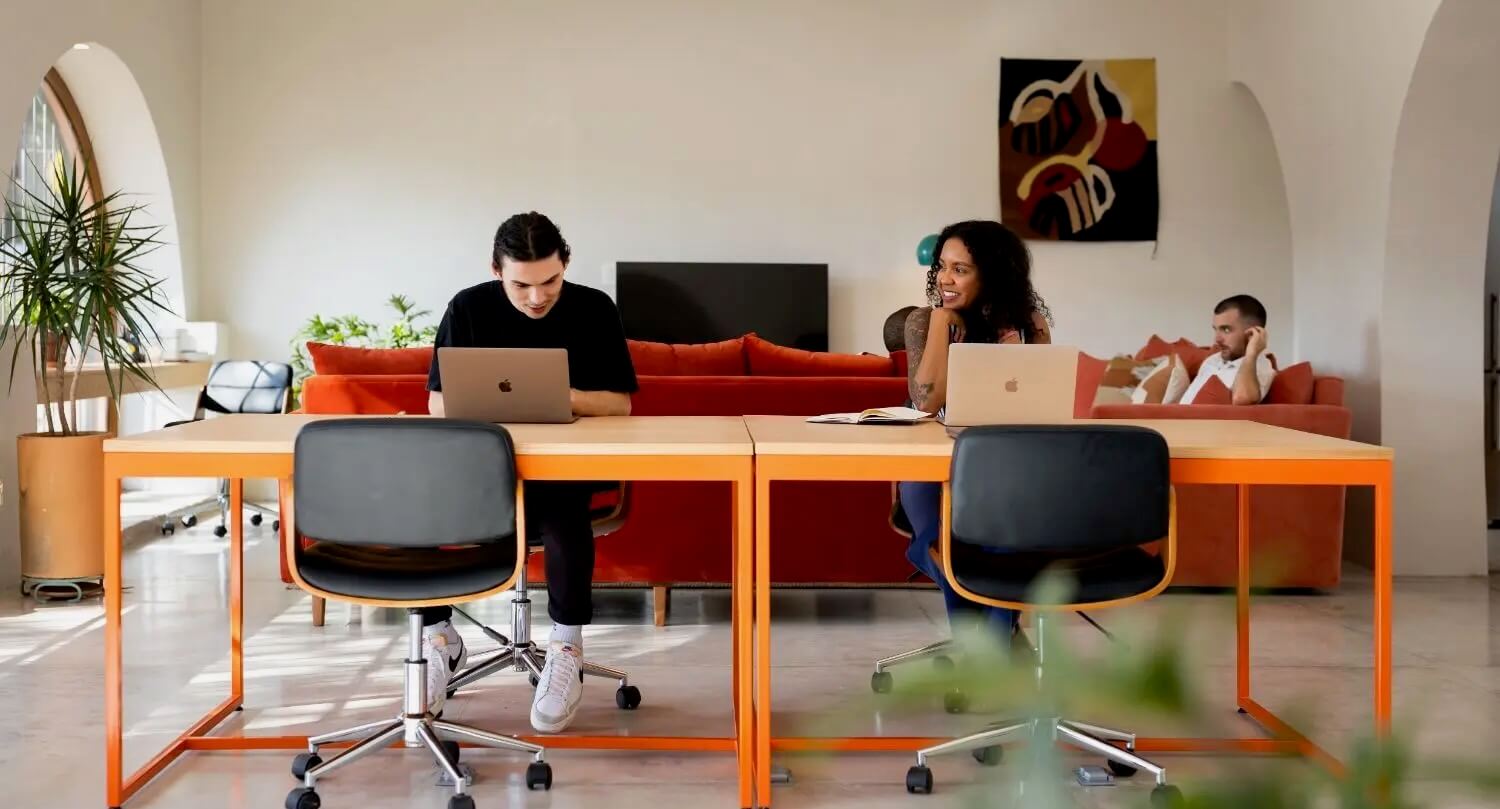
Crucially, every location integrates a dedicated workspace directly into the property. These areas are outfitted with ergonomic seating, abundant electrical outlets, external monitors available for connection, and enterprise-grade, high-speed Wi-Fi. This setup allows residents to transition seamlessly from their morning routine to a productive, deep-focus work environment within minutes.
In addition to physical infrastructure, the properties emphasize a strong social framework. Each location employs a dedicated Community Manager who coordinates onboarding before arrival, including integration into a local WhatsApp group. These managers organize regular weekly events such as family-style dinners, weekend excursions, Friday evening tapas crawls, and morning yoga sessions, giving residents ample opportunities to integrate socially.
During a stay in Bordeaux, the local community manager served as an invaluable resource, offering neighborhood insights, dining recommendations, and on-site assistance to ensure a smooth transition for arriving guests.
The Appeal of Coliving for Remote Professionals
The primary advantages of the coliving model center on the quality of the properties and the built-in community. The Bordeaux location, for instance, featured modern interior design, comfortable workstations, on-site laundry facilities, and a compact fitness area. Private rooms offered functional desks, comfortable beds, and high-quality bathrooms with strong water pressure.
Shared kitchens are maintained through daily cleaning services and offer expansive counter space, making meal preparation straightforward and enjoyable, complemented by complimentary coffee and tea provisions. The design aesthetic consistently favors natural light, indoor greenery, and local artwork, creating an atmosphere that feels distinct from the sterile environment of traditional corporate hotels.
Yet, for many travelers, the most compelling draw is the social dimension. Remote work is frequently an isolating endeavor, often conducted in solitude within hotel rooms or cafes where meeting peers is difficult. At Outsite, residents find themselves surrounded by like-minded professionals who understand the realities of a location-independent career. Unlike traditional backpackers who may question why a traveler spends daylight hours at a computer screen, fellow coliving guests share a mutual understanding of balancing professional output with leisure.
With many guests staying for extended periods—such as two weeks or more at the Bordeaux location—organic bonds form naturally, reinforced by structured weekend programming designed to encourage exploration and connection.
Considerations for Prospective Travelers
Despite the clear benefits, coliving is not designed to serve every travel style or budget. Outsite is not positioned as a budget-oriented backpacking alternative. Travelers accustomed to inexpensive dormitory beds in regions like Southeast Asia will find coliving prices significantly higher, as they are paying a premium for private quarters, guaranteed workspace infrastructure, and curated community management. However, when factoring in the combined expenses of securing a private rental apartment and purchasing a monthly subscription to an independent coworking hub, the overall financial investment often becomes comparable.
Additionally, high demand means popular properties book out rapidly. Securing accommodation during peak travel windows, such as summer in European cities or winter in tropical destinations, requires planning months in advance, leaving little room for spontaneous travel adjustments.
Frequently Asked Questions
Booking policies allow non-members to reserve stays, though frequent travelers often find that the annual membership fee offsets itself quickly through reduced nightly rates. While there is no strict upper age limit, guests must meet minimum age requirements of 18 or 21 depending on the specific jurisdiction. The demographic profile largely consists of working professionals in their late twenties, thirties, and forties, skewing older and more career-focused than traditional youth hostels.
Minimum stay durations typically start at two nights, accommodating weekend travelers, though certain locations subject to strict municipal housing regulations—such as New York City—enforce thirty-day minimum stays. Pet policies generally prohibit animals across most locations to maintain the cleanliness of shared kitchens and living spaces and to prevent potential allergy complications for incoming guests.
Ultimately, navigating a location-independent career no longer requires sacrificing professional efficiency, personal comfort, or social connectivity. By bridging the gap between private domestic comfort, office-grade productivity, and hostel-style community building, modern coliving networks continue to reshape how remote professionals experience the world.