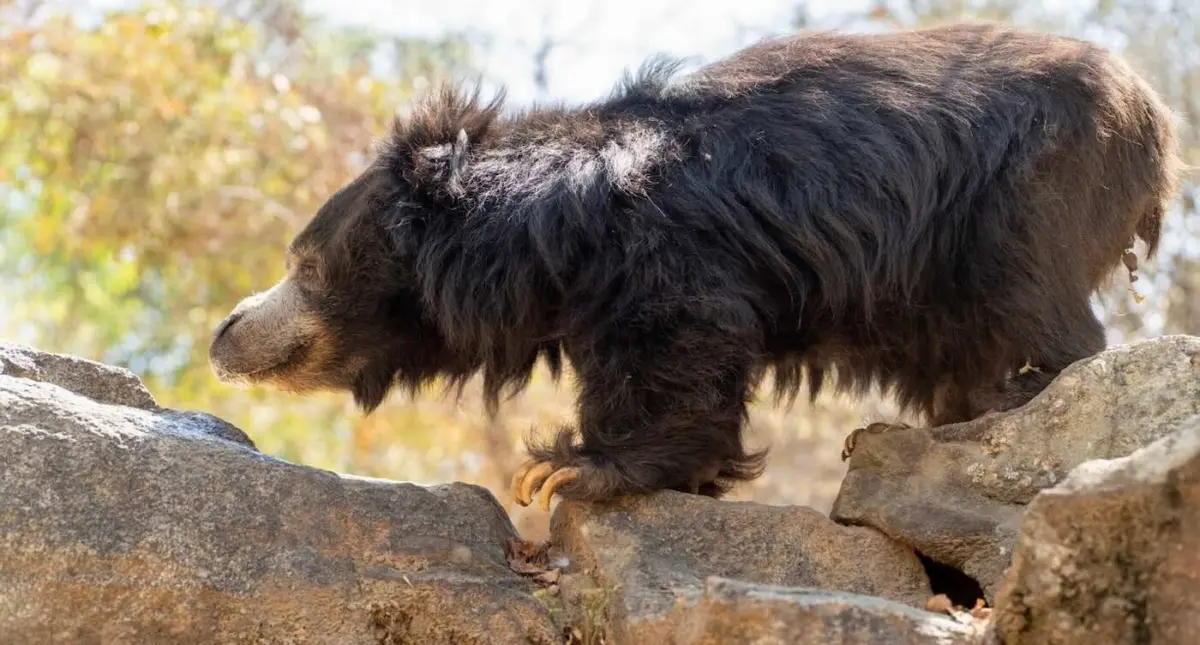
Now estimated to be 26 years old, Odum resides at the Bannerghatta Bear Rescue Centre in India, a specialized facility managed by Wildlife SOS in collaboration with international partners. His current daily routine is a stark contrast to the grueling reality he faced in his youth. Today, his days are characterized by calm contentment, whether he is enjoying a sweet, ripe muskmelon, taking a refreshing splash in his personal pool, or dozing peacefully in a hammock that has been custom-made for his comfort by dedicated caretakers.
The story of Odum’s rescue dates back to 2009, a period when Julia Roberts was on location in India filming the cinematic adaptation of Elizabeth Gilbert’s bestselling memoir, Eat, Pray, Love. During a break in her busy filming schedule, the Academy Award-winning actress visited an animal sanctuary in India and learned about the plight of dancing bears—a cruel and illegal practice where sloth bears were poached from the wild as cubs, their sensitive muzzles pierced with hot iron pokers to insert ropes, and forced to perform for tourists while spending the remainder of their lives confined to cramped, filthy cages. Deeply moved by the plight of one particular bear who had been saved from this harsh existence, Roberts took the meaningful step of giving him a name. She chose Odum, which is believed to be an old family name, sealing a bond that would indirectly draw global attention to the broader fight to eradicate the dancing bear trade in India.
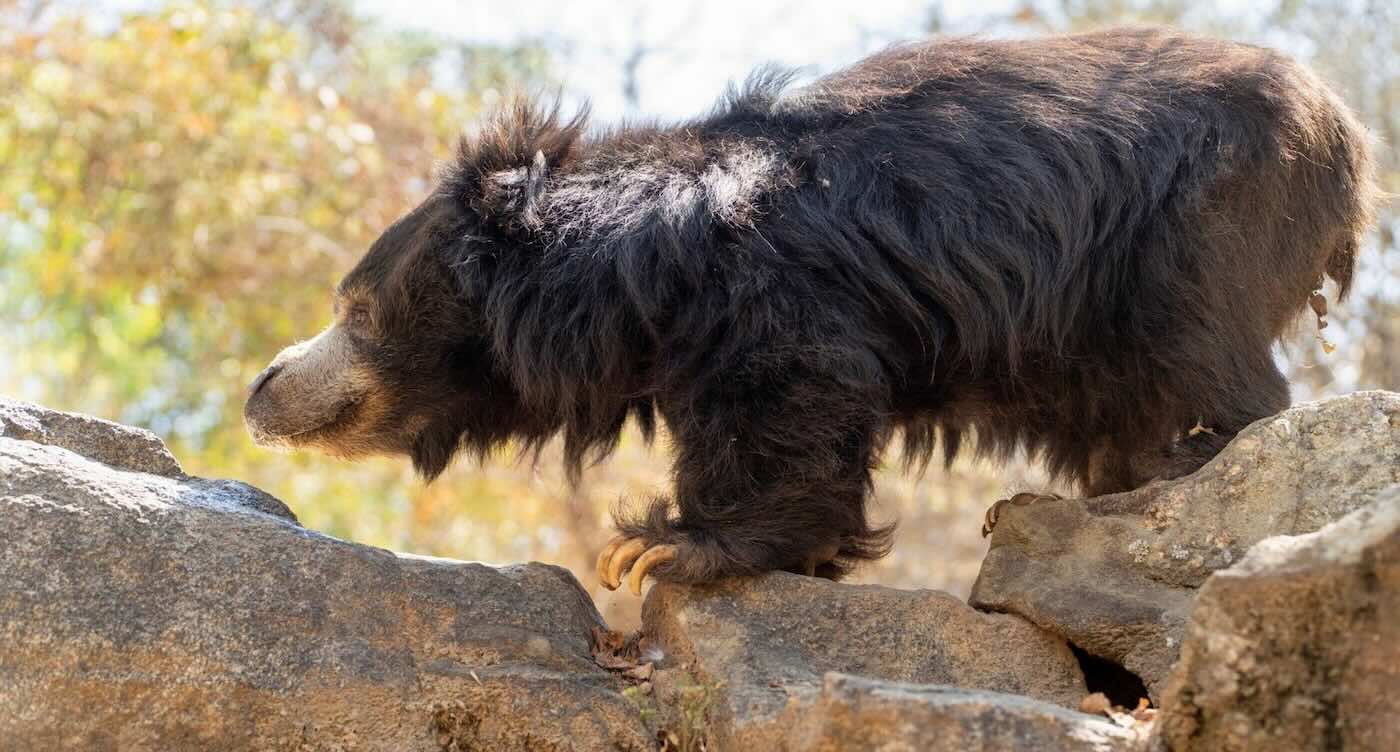
The release of Odum’s updated photographs and care reports serves a dual purpose for the conservation community. While it offers a reassuring update for animal lovers worldwide who followed his early story, it also emphasizes the profound, long-term responsibilities that animal rescue organizations undertake when an animal is brought into their custody.
Alan Knight, president of International Animal Rescue, reflected on this enduring commitment, noting how Odum’s journey encapsulates the true meaning of animal welfare. He pointed out that an organization’s duty of care does not simply conclude the moment an animal is successfully removed from an abusive situation or reaches the physical safety of a sanctuary gate. Instead, as sanctuary residents grow older, they often develop age-related health conditions and specific needs that require an ongoing investment of patience, medical expertise, kindness, and specialized resources. In Odum’s case, maintaining his high quality of life in his senior years demands the same level of dedicated attention that was required to nurse him back to physical and psychological health nearly two decades ago.
The remarkable turnaround seen in Odum’s life is part of a broader, ongoing effort by organizations like Wildlife SOS and International Animal Rescue to protect and rehabilitate India’s vulnerable sloth bear population. Sloth bears, native to the Indian subcontinent, face numerous threats in the wild, including habitat fragmentation, human-wildlife conflict, and historical poaching for the illegal wildlife trade. Although the practice of keeping dancing bears has been largely dismantled in India through rigorous enforcement and the rehabilitation of both bears and their former owners—who were often provided alternative livelihoods—the legacy of that era lives on in sanctuaries like Bannerghatta, where elderly survivors like Odum live out their remaining years in safety and dignity.
For animal welfare advocates and supporters who wish to contribute to the ongoing medical care, diet, and enrichment activities required for aging sanctuary residents, International Animal Rescue continues to coordinate support through its official platforms, encouraging wildlife enthusiasts to learn more about Odum’s story and participate in safeguarding the future of rescued bears.