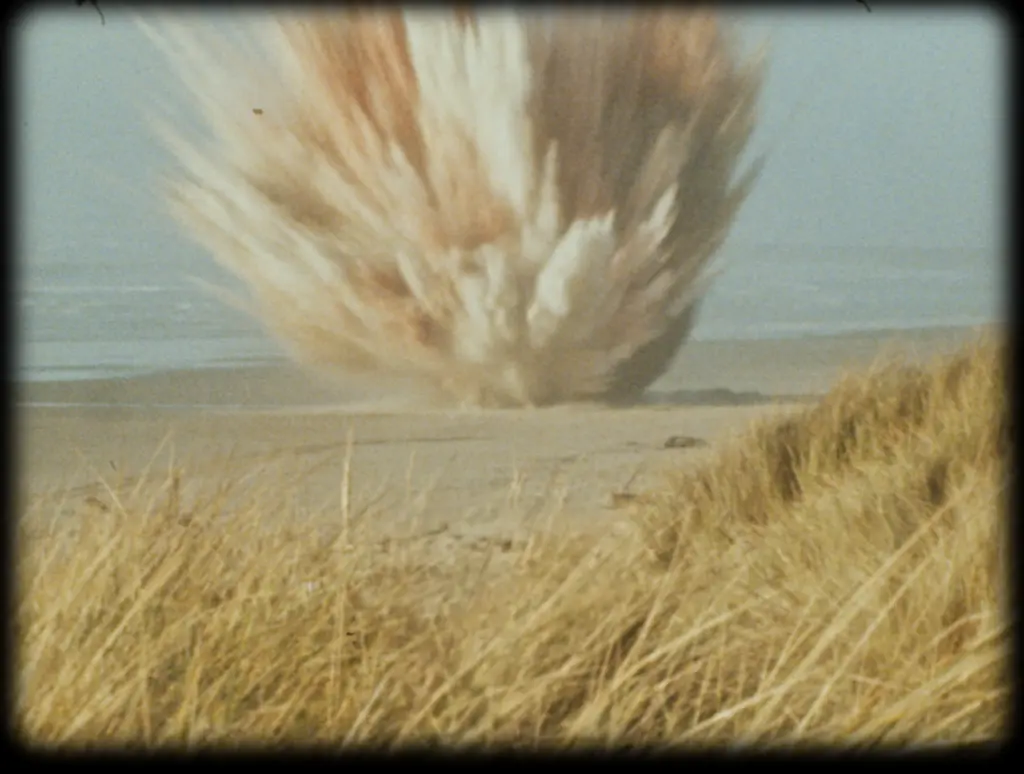
When television newsman Paul Linnman delivered that unforgettable line from an overcast Oregon beach in November 1970, he could not have imagined that people would still be repeating it to him everywhere he goes more than half a century later. Decades after a local highway department’s misguided attempt to dispose of a decomposing sperm whale with dynamite went hilariously and messily wrong, the incident remains a foundational pillar of internet lore. Now, that bizarre piece of local television history is the subject of Oh Whale!, a critically acclaimed documentary short that has captured the attention of festival circuits and earned a prestigious Critics’ Choice nomination.
Oh Whale! is part of the JoyDrops series, a collaborative initiative championed by the Good News Network to spotlight awards-eligible documentary shorts that place joy at their center. While the documentary category in film awards is often overwhelmingly dominated by tragedy and heavy societal issues, JoyDrops seeks to counterbalance that weight by celebrating stories that offer inspiration, humor, and a refreshing viewing experience. For director Winslow Crane-Murdoch, diving into the archives to chronicle the infamous event became an unexpected journey into the heart of human resilience, local journalism, and the unpredictable nature of fame.
The film
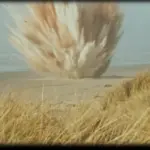
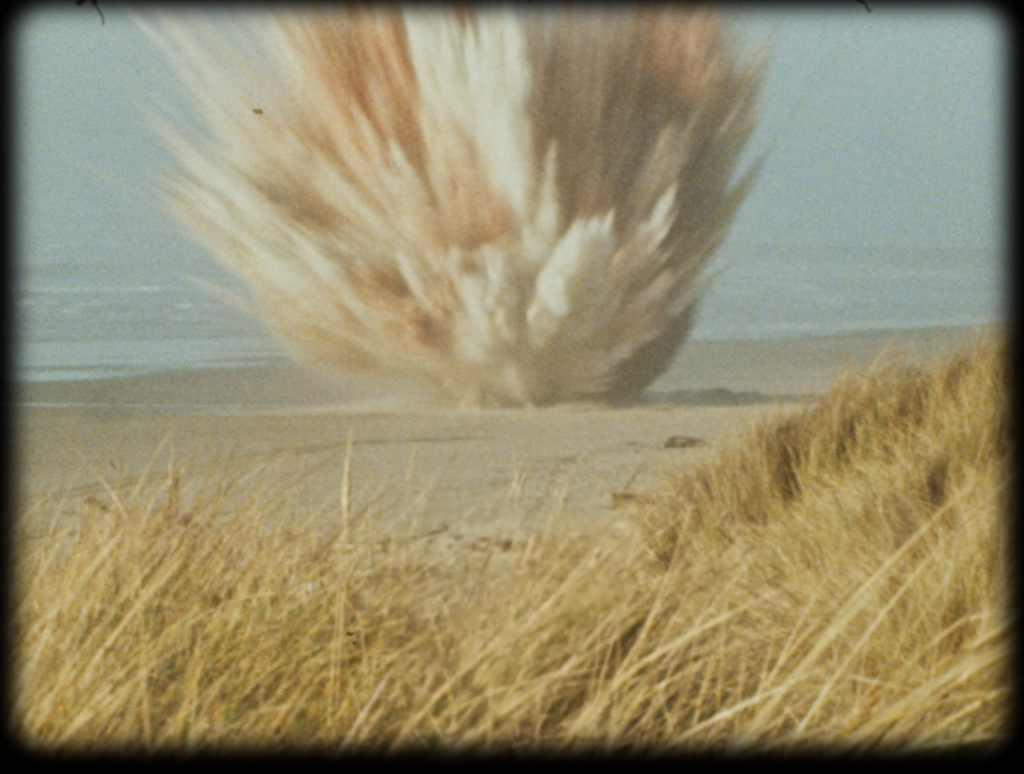
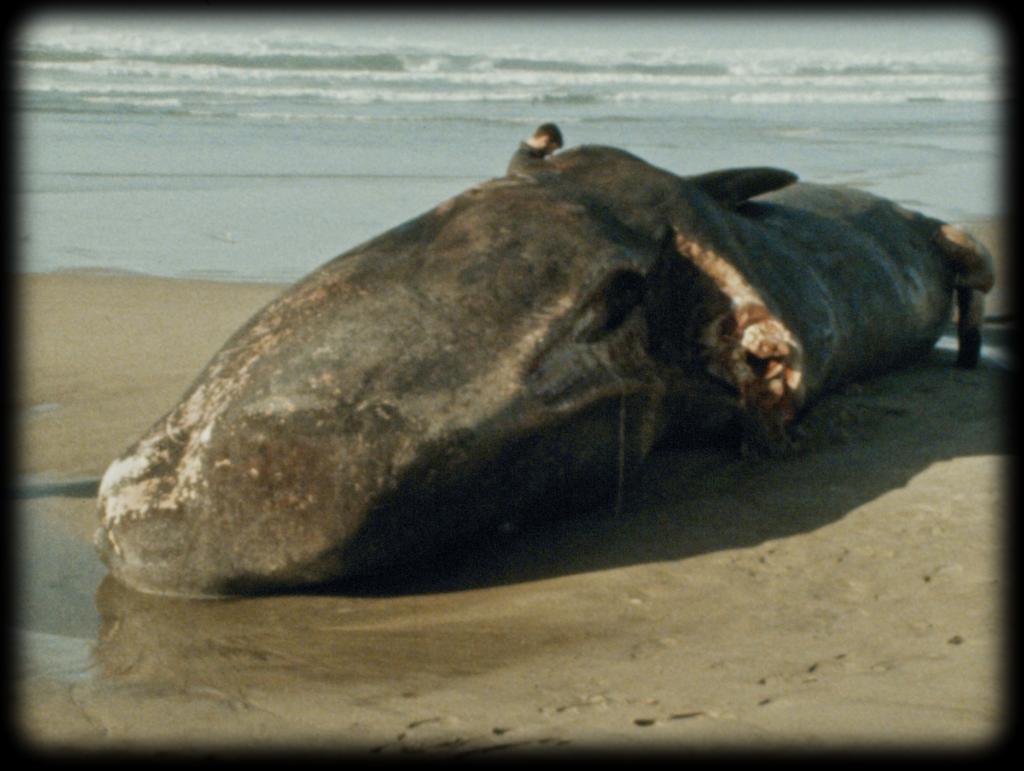
The peculiar saga began on November 12, 1970, when a massive dead whale washed ashore near the coastal town of Florence, Oregon. Faced with the daunting task of clearing the massive carcass from the public beach, local officials with the Oregon State Highway Division settled on a creative, if catastrophically flawed, solution: they decided to disintegrate it using a half-ton of dynamite.
As Crane-Murdoch notes, it was about as bad of an idea as anyone could possibly imagine. To cover the spectacle, a young Portland newscaster named Paul Linnman was dispatched to the scene alongside a cameraman named Doug Brazil. Standing at what they assumed was a safe distance, the news crew recorded the detonation—only to watch in horror as pulverized blubber rained down across the beach, crushing a nearby car and sending onlookers scrambling for their lives. The resulting news report, driven by Linnman’s sharp wit and deadpan delivery, ultimately defined his entire career and evolved into one of the earliest and most enduring viral news stories of all time.
Crane-Murdoch, who relocated to Oregon in 2017, first encountered the legendary footage on YouTube years later when the local news station released a remastered, high-definition version to mark the incident’s 50th anniversary. He admits he was quite literally blown away—employing a pun that the filmmakers utilize multiple times throughout the short documentary. As he dug deeper into the history behind the viral clip, he uncovered a much richer narrative. For many years, Linnman experienced a complicated relationship with the broadcast, often feeling a sense of resentment that this one absurd day on the beach overshadowed the rest of his serious journalistic career. Over time, however, he came to terms with his unique legacy, and Oh Whale! follows that personal evolution.
The film has since been released to widespread acclaim in partnership with The New Yorker and Switchboard Magazine, introducing a historic moment of televised absurdity to a brand-new generation of viewers.
The audience decides
Over the span of fifty-six years, the exploding whale clip has achieved persistent viral status through every technological evolution imaginable. In the decades following the broadcast, people flooded the television station with requests for physical film reels and VHS tapes. Later, the footage circulated as one of the very first viral email attachments and early blog videos, eventually cementing its status as an internet phenomenon on YouTube.
Crane-Murdoch attributes the enduring longevity of the clip to exceptional craftsmanship. Linnman famously wrote his script in a single draft and recorded his voiceover just in time for the piece to air the following evening. Faced with numerous ways to approach the assignment, Linnman deliberately chose to frame the tragicomic event with humor, a creative decision that remains the primary reason audiences continue to watch and share the segment today.
Working on the documentary served as a powerful reminder for Crane-Murdoch of just how incredible local news production can be when reporters are given the freedom to capture authentic human experiences. In the film, Linnman reflects on the nature of media production, noting that the creator of a story ultimately does not get to choose how the public responds; the audience always decides.
That philosophy proved true for Oh Whale! as well. While the production team initially viewed the project as a fun side endeavor, it quickly exceeded all expectations, embarking on a robust festival run, securing numerous awards, and landing a coveted Critics’ Choice nomination. Sitting in crowded theater screenings and listening to audiences laugh and share a collective sense of joy has been a profoundly moving experience for the director, proving that genuine community can be born around even the most unconventional stories.
That sense of community is perhaps nowhere more visible than in Florence, Oregon, which now marks the anniversary with an unofficial annual Exploding Whale Memorial Day. Local residents even showed up to a special screening in Portland carrying a comical fake stick of dynamite and wearing a full whale costume to welcome the arriving crowd.
Joy first
Crane-Murdoch embarked on Oh Whale! after spending seven grueling years co-directing The Quiet Epidemic, a heavy and complex feature-length documentary chronicling chronic Lyme disease. Suffering from deep creative burnout, he was searching for a lighter project that would give him the opportunity to fall back in love with the craft of filmmaking. While he maintains a firm belief in the importance of issue-driven documentaries that transport viewers into difficult and vital places, he also recognizes the immense value of films like those featured on the JoyDrops slate.
These films still carry meaningful messages at their core, Crane-Murdoch explains, but they deliver those insights by putting joy first. This approach invites audiences into deeper and more expansive conversations without forcing them to enter exclusively through the gateway of trauma.
Delving into comedy, however, proved to be a humbling experience. The director expressed genuine surprise at how challenging it is to make people laugh effectively, noting that crafting humor is often significantly harder from a technical standpoint than working with inherently sadder subject matter.
What began as an exploration of pure absurdity ultimately revealed a surprising amount of heart. At its core, the film explores the nature of legacy and what individuals leave behind when their work takes on a life of its own. Its guiding logline captures that sentiment precisely: humanity does not get to choose its fate, only what it decides to make of that fate.
Still, whenever the conversation wanders too deep into philosophy, Crane-Murdoch is happy to return to pure amusement. When he asked Doug Brazil, the original cameraman, what ultimate lesson should be drawn from the entire saga, the response was simple and pragmatic: never underestimate the power of explosives.
Expressing deep gratitude for the opportunity, Crane-Murdoch emphasizes how proud he is to be part of a broader cinematic conversation dedicated to bringing a sense of joy into the viewing experience and offering audiences something genuinely refreshing and fun.