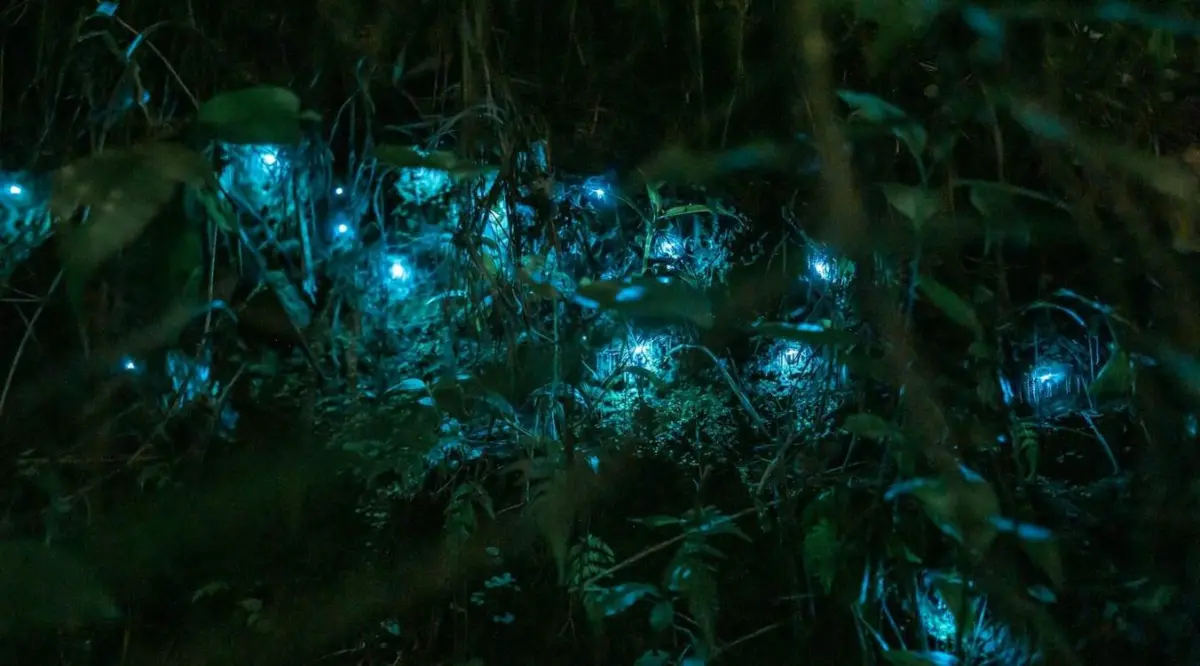
In a quiet garden shed, Peter Cooper spends his spare time collecting, caring for, and breeding glowworms before releasing their delicate larvae into a protected reserve in North Yorkshire. For the first time in a hundred years, these bioluminescent insects have been reintroduced to a habitat where they had long been considered locally extinct. The reserve’s management has credited Cooper’s raw passion and enthusiasm for relighting these living fairy lamps after a century-long absence from the local landscape.
The reintroduction is taking place at the Nosterfield Nature Reserve, which is widely described by ecologists and conservationists as one of North Yorkshire’s most important wetland wildlife sites. Stretching across roughly 600 acres, the reserve occupies a landscape shaped by old limestone quarries. Over time, these industrial pits have been either naturally reclaimed by nature or deliberately rewilded by the Lower Ure Conservation Trust, a nonprofit organization dedicated to preserving regional biodiversity. Today, the reserve provides a specialized, thriving habitat that has proven to be ideal for members of the Lampyridae family of bioluminescent insects.
The Lampyridae family encompasses the fascinating creatures commonly known as fireflies, lightning bugs, and glowworms. Historically, these insects have captured the human imagination for generations. The 19th-century poet Edmund Bogg famously described them as appearing like lamps lit by the hands of fairy folk, evoking a sense of enchantment during twilight hours in the British countryside.
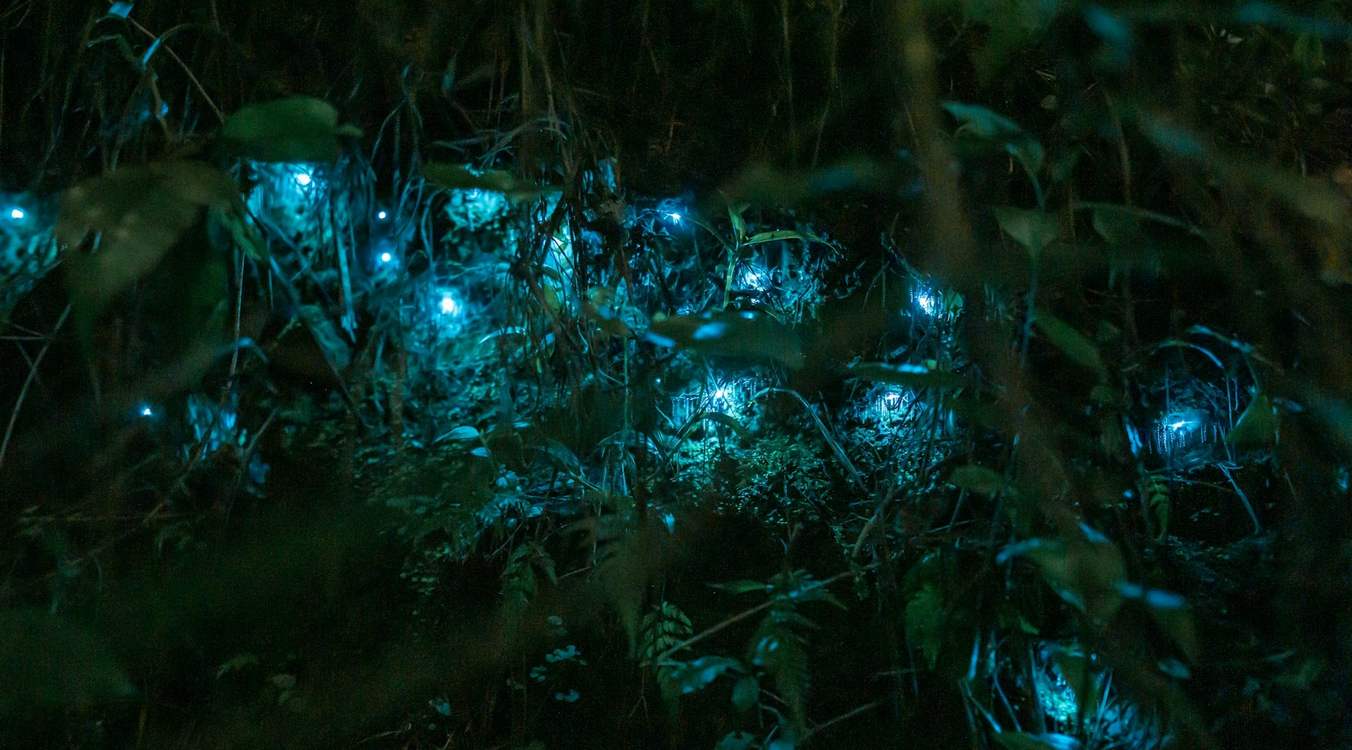
According to reports from outlets like The Guardian, glowworms were once abundant across the entirety of Britain, illuminating meadows, hedgerows, and woodlands during the warm summer months. However, changing land use, habitat fragmentation, and environmental pressures have caused them to go dark across wide swaths of the island. Today, they are notoriously difficult to re-establish once they disappear from a region, making local conservation efforts exceptionally challenging.
Despite these hurdles, Cooper and a dedicated network of volunteers—affectionately referred to by fellow conservationists as "glow-getters"—have slowly built up a high level of expertise in the delicate, meticulous art of rearing glowworm larvae in captivity. Rather than relying on large-scale institutional funding or corporate backing, these passionate individuals are leveraging their hard-earned knowledge to brighten the Yorkshire weald and restore a missing piece of the region’s natural heritage.
The return of the glowworms has sparked immense enthusiasm among local conservationists and nature lovers who have tracked the project’s progress. Simon Warwick, the manager of the Nosterfield Nature Reserve, expressed his amazement to the media regarding the historic milestone. He noted that the insects are incredibly rare in the region and emphasized just how excited the reserve’s volunteers have been to witness the return of a species absent from the landscape for a century.
The reintroduction effort is far from a one-time event; it is part of a carefully managed, multi-year conservation strategy. Cooper has successfully counted 1,900 larvae in his garden shed that are scheduled for release at Nosterfield. However, conservation scientists caution that the process requires immense patience and long-term monitoring. Cooper points out that the true success of the reintroduction cannot be definitively confirmed until the wild-bred offspring of these shed-reared larvae reach maturity and begin to shine their own bioluminescent lights in the Yorkshire darkness, a milestone not expected until sometime around 2030.