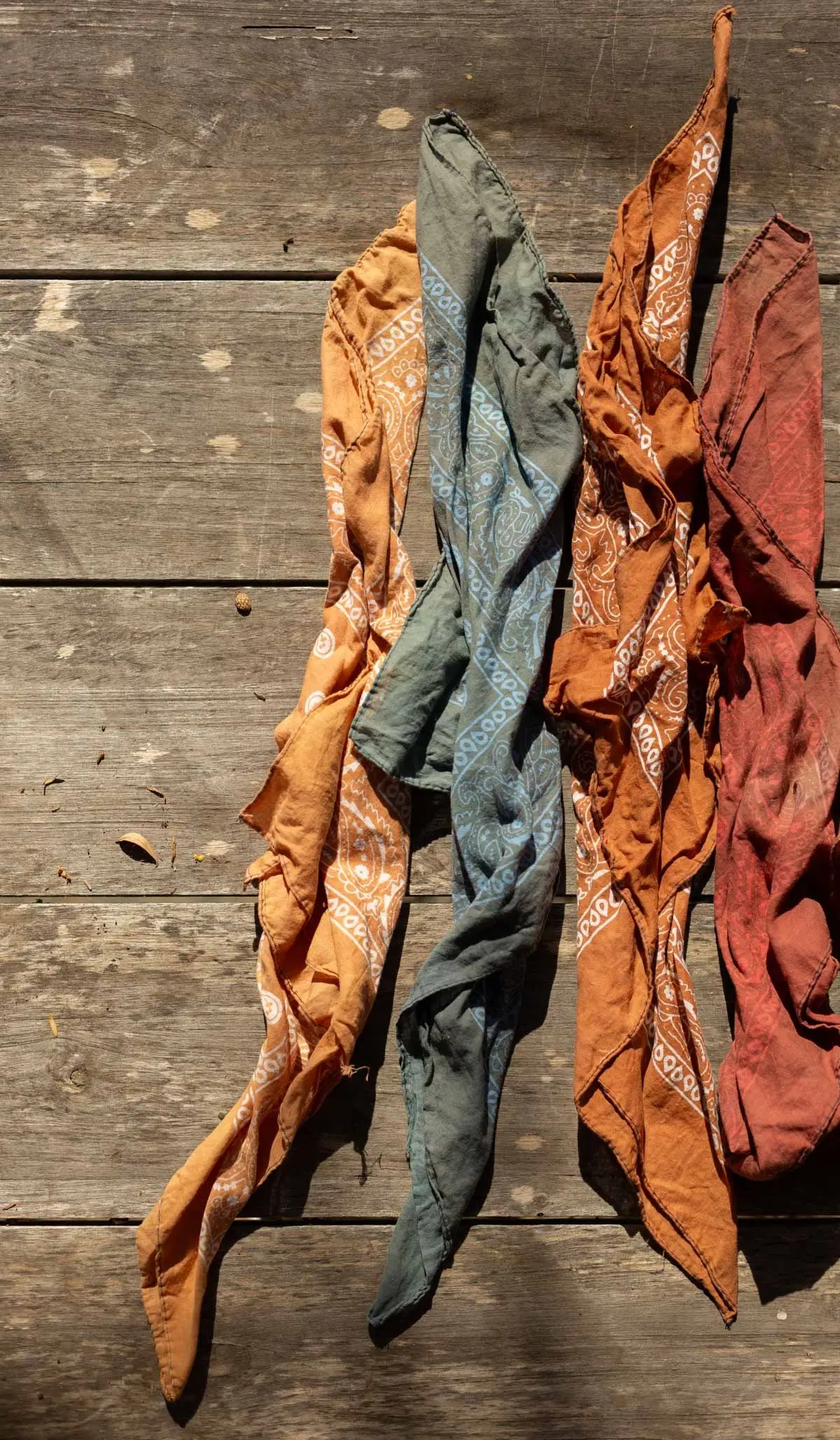
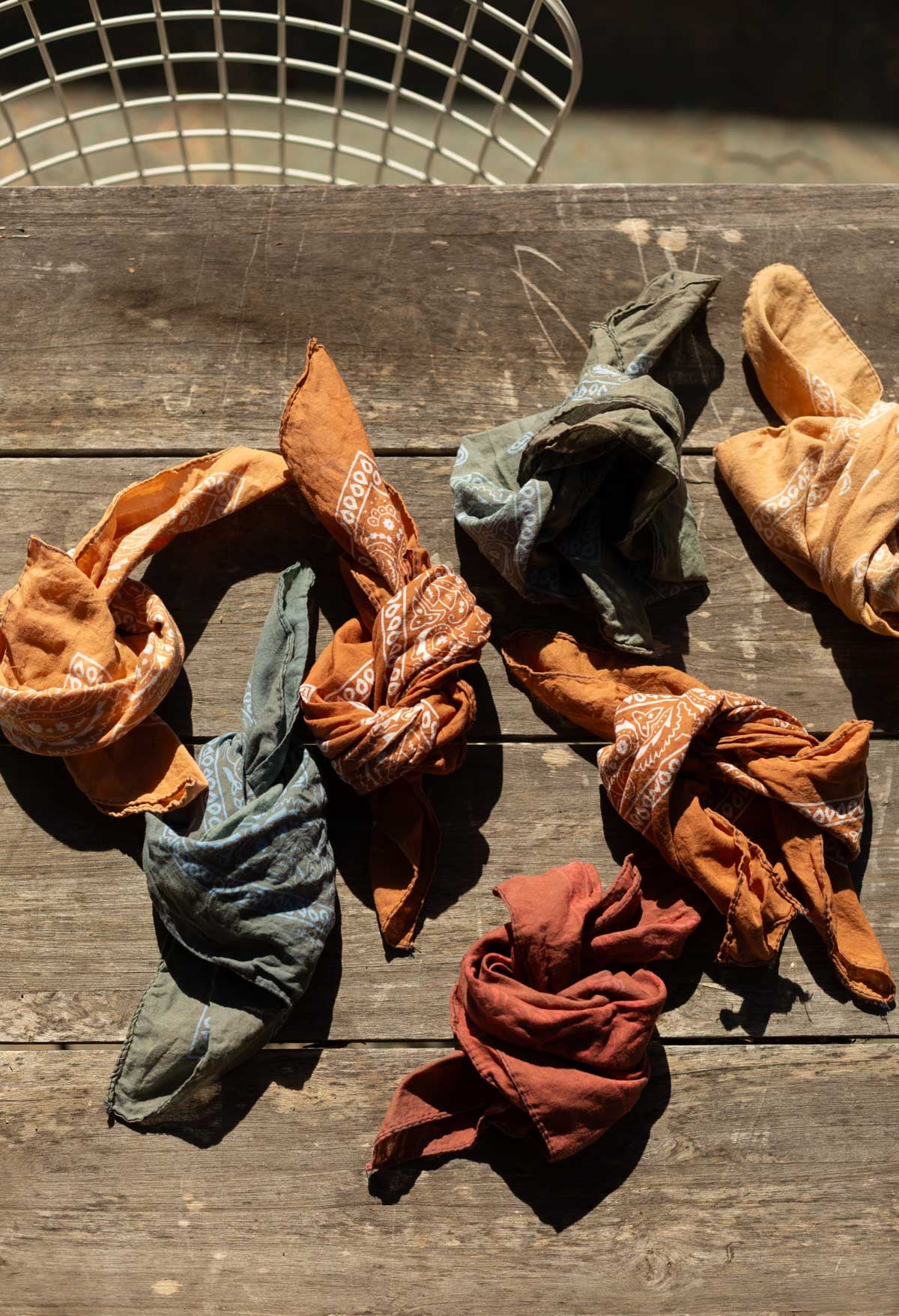
What began as a casual experiment with free materials evolved into an efficient method for shifting synthetic-looking dark textiles into organic, dusty neutral shades. The resulting process offers a blueprint not just for party favors, but for transforming a wide variety of cotton wearables using basic household supplies and a multi-step chemical and color treatment.
Rethinking Surplus Textiles
The motivation behind the project stemmed from the specific aesthetic needs of a school camp-themed party. Standard black bandanas rarely fit the rustic, outdoorsy palette typically associated with camp aesthetics, which heavily favor browns, muted greens, warm tans, and weathered rusts. Confronted with a bundle of free accessories, the organizer recognized an opportunity to test a low-stakes textile alteration. Because the base items cost nothing, any experimental missteps would carry no financial penalty, removing the hesitation often accompanying fabric modification projects.
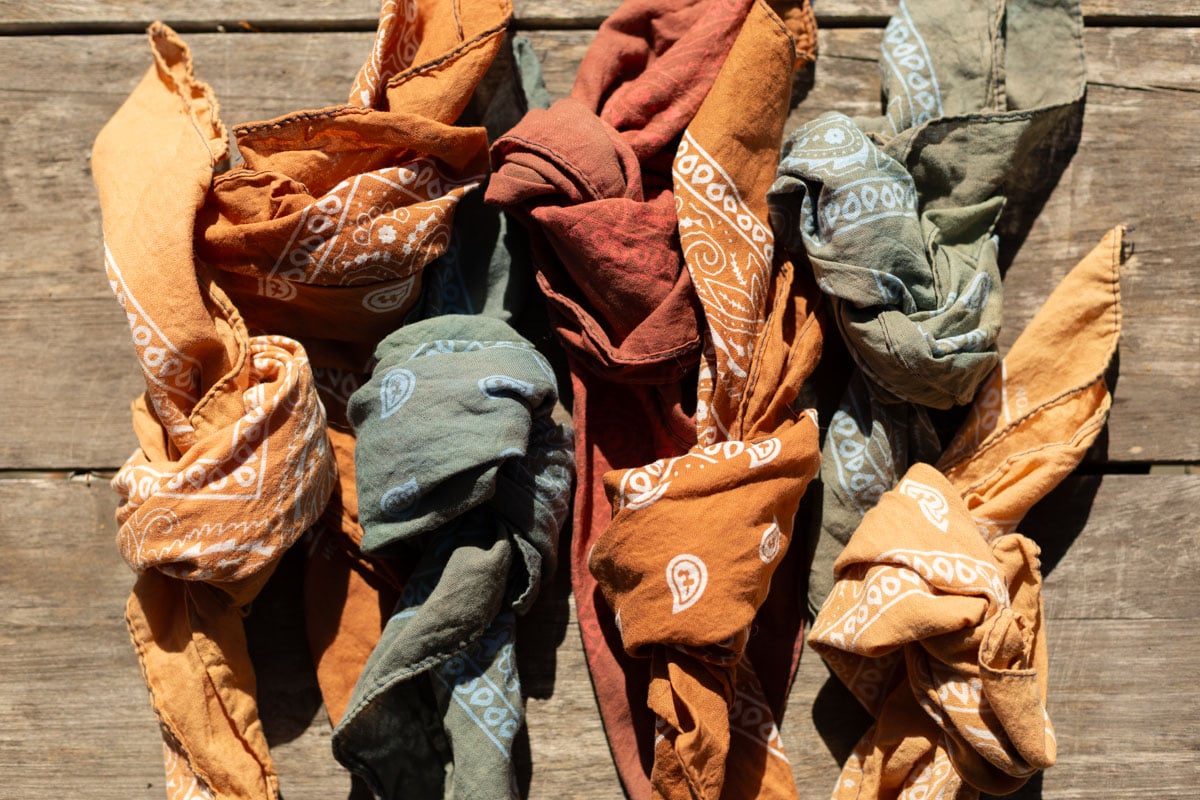
While bleach tie-dye techniques and Shibori resist-dyeing methods have long been staple approaches for altering fabric patterns, this particular technique introduces a crucial chronological shift. Instead of relying solely on bleach application to create final patterns or subdued tones, the method uses bleaching strictly as a reduction step to strip out the heavy dark dye, followed by a secondary re-dyeing phase to introduce sophisticated, earthy hues. This dual-phase approach bypasses the unpredictable orange or yellow tones that frequently result from incomplete bleaching, laying down a clean neutral foundation before introducing the final color profile.
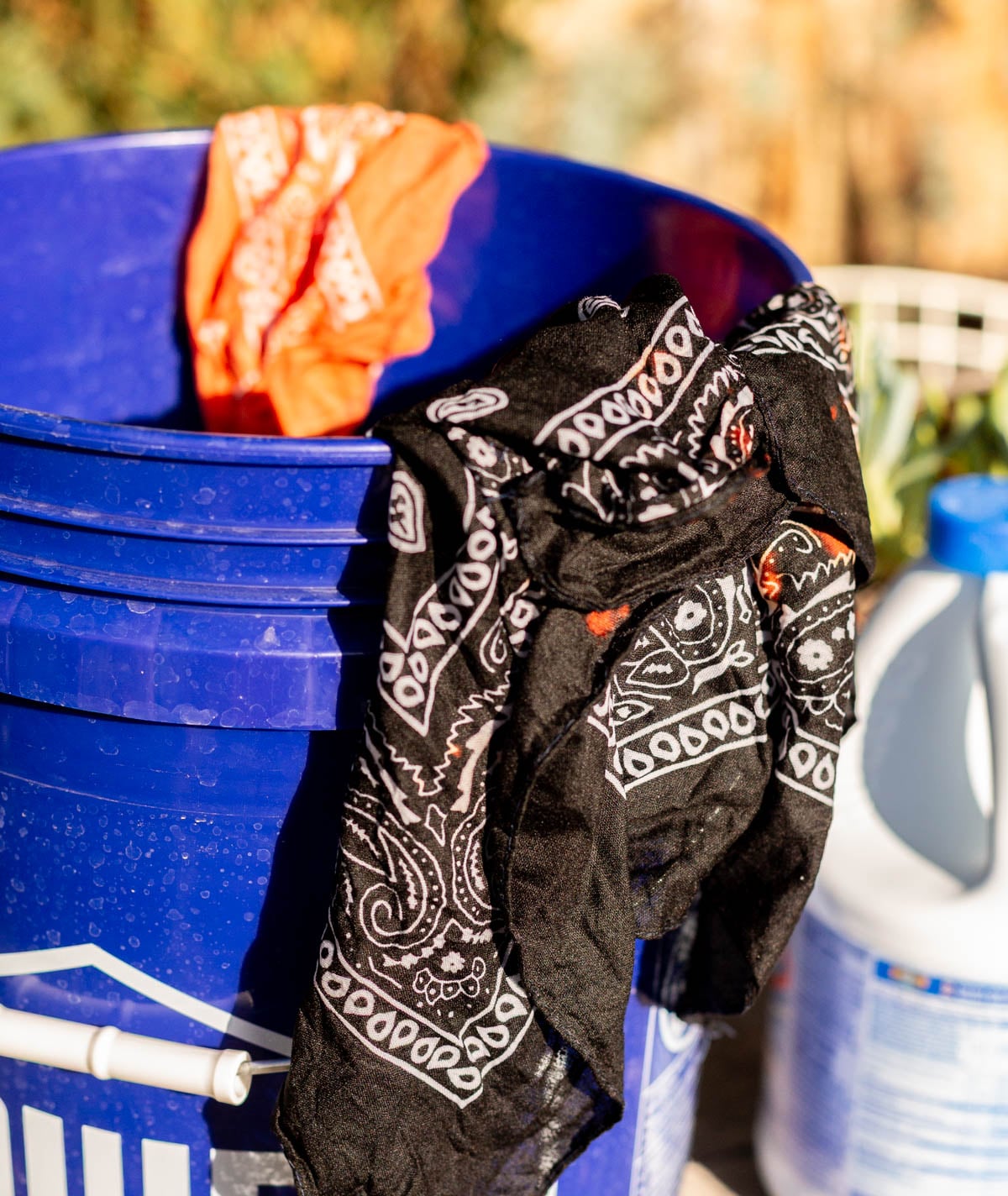
The Transformation Process: Stripping and Restoring Color
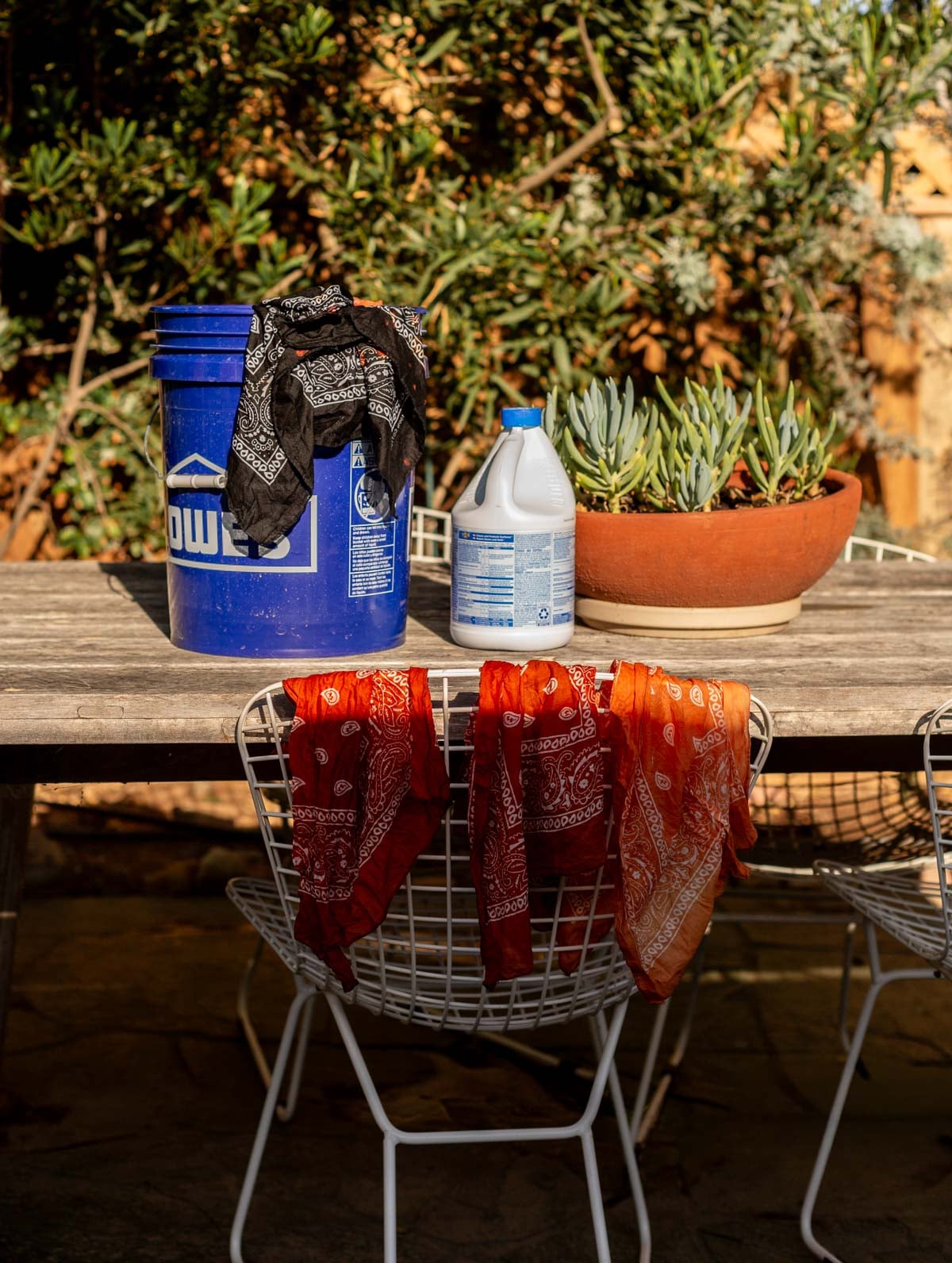
Executing the transformation requires careful adherence to safety protocols, primarily due to the active chemical agents involved. Because the process utilizes standard household bleach, performing the work outdoors or in an exceptionally well-ventilated space is essential to prevent the accumulation of harsh fumes.
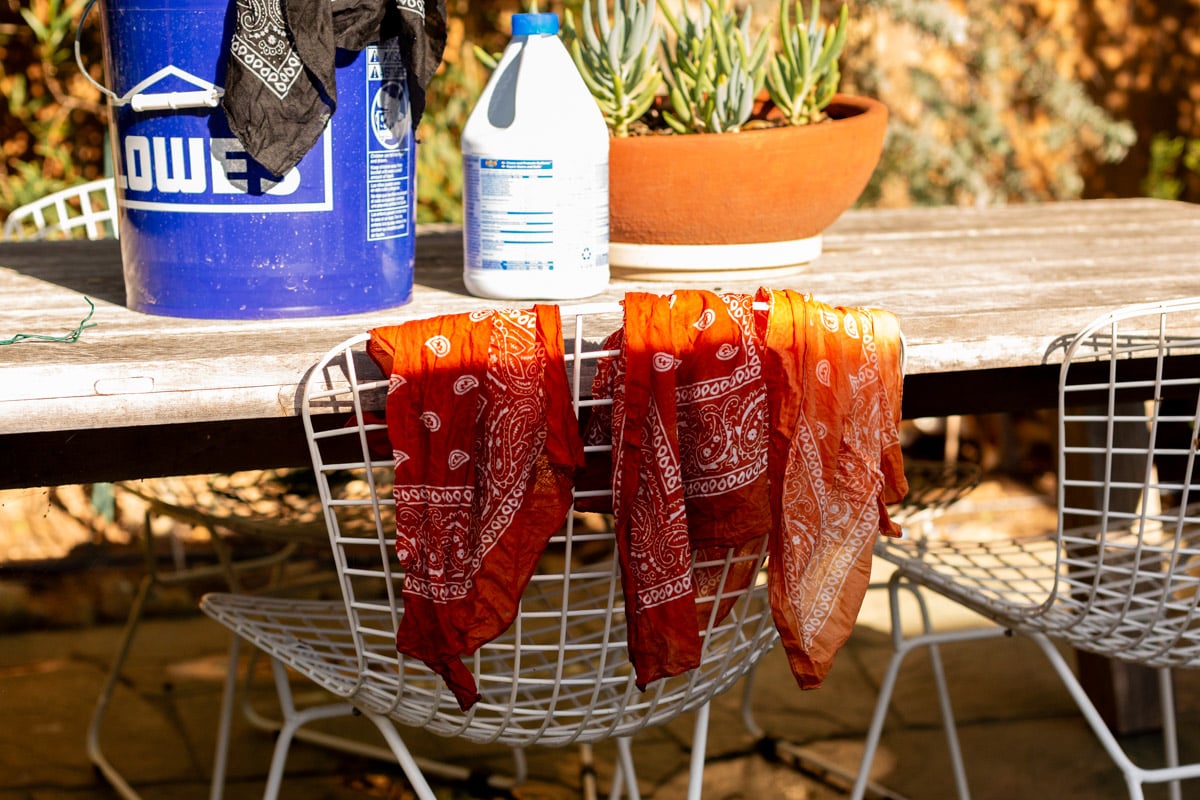
The procedure begins with preparation: the cotton bandanas are thoroughly saturated with water and then wrung out to remove excess moisture, ensuring the fabric absorbs solutions evenly. In a large outdoor container or bucket, a sufficient quantity of liquid bleach is prepared to fully submerge the damp fabric, with protective gloves donned before handling the chemical.
Timing is the most critical variable in the bleaching phase. When the damp bandanas are introduced to the bleach bath, the dark black dye begins to lift almost immediately. Unlike traditional tie-dye where fabrics may soak for extended periods, the reaction here occurs rapidly, often within thirty seconds to a minute. Removing the fabric promptly is vital not only for achieving the desired shade of subdued gray, taupe, or soft tan, but also for preserving the structural integrity of the cotton fibers. Prolonged exposure to bleach breaks down cellulose fibers rapidly, compromising the durability of the textile.

Once the desired level of color reduction is achieved, the bandanas are immediately removed, wrung out to eliminate excess chemical residue, and rinsed thoroughly under cold running water for one to two minutes. To ensure all active chemical traces are neutralized, the items are then run through a standard washing machine cycle and dried completely.

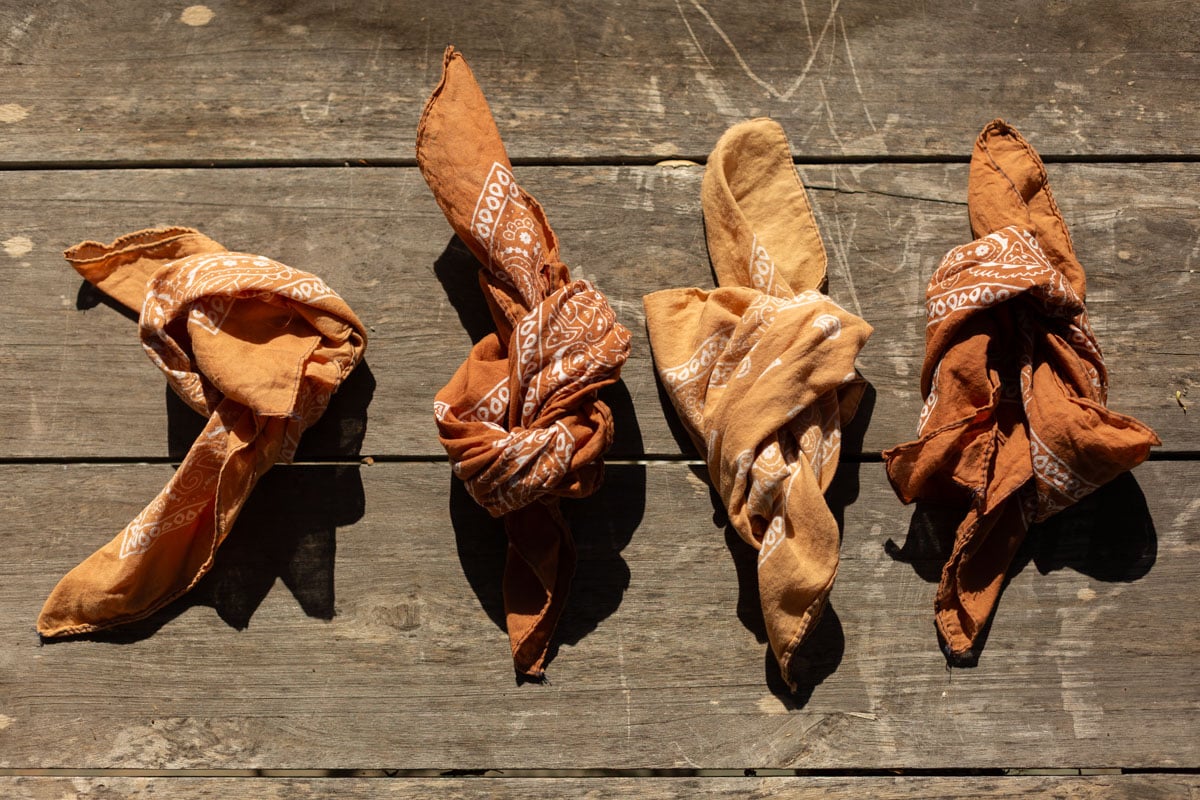
With the fabric stripped to varying shades of neutral gray and off-white—depending on the exact duration of the bleach bath—the bandanas are ready for the secondary coloration phase. By applying a standard fabric dye following established textile dyeing procedures, the bleached cotton readily
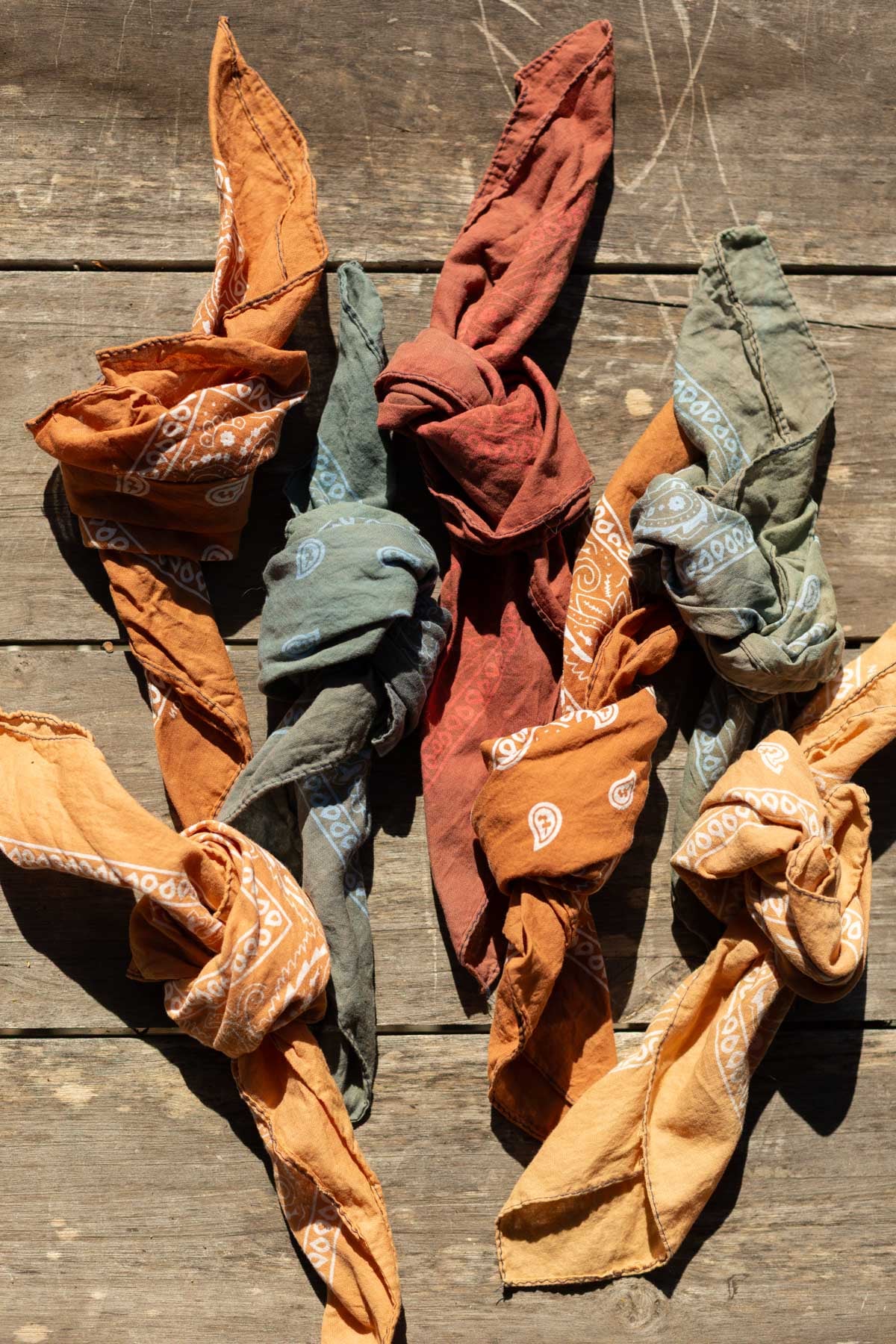
accepts new pigments, resulting in dusty, sophisticated earth tones that appear far more organic than commercially produced bright accessories.
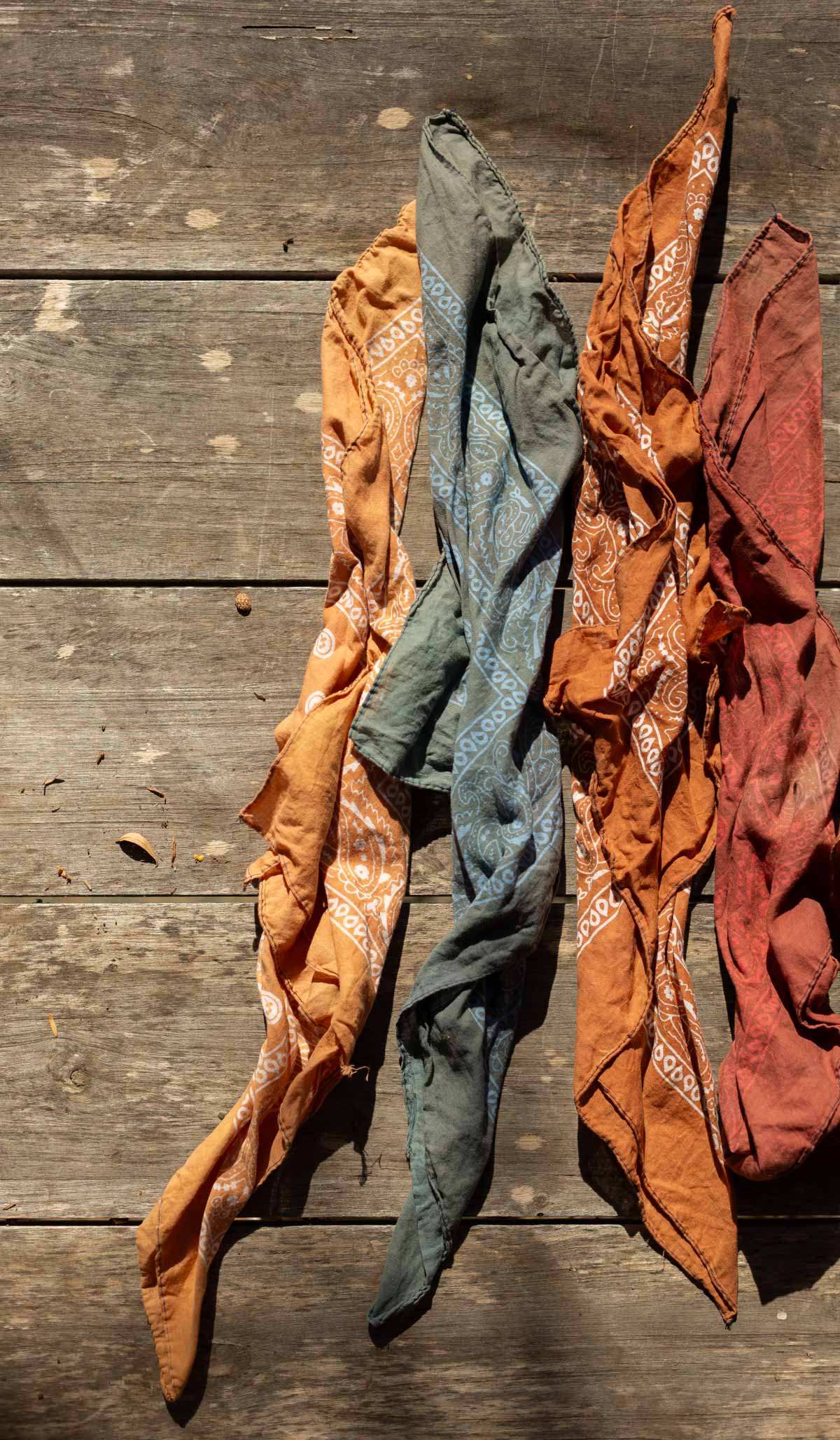
Practical Applications and Community Impact
The utility of these upcycled bandanas extended directly from the crafting table to the school event itself. During the camp-themed party organized for the children, the newly colored textiles served a dual purpose. Placed at each child’s individual place setting, the bandanas functioned primarily as decorative rustic napkins that contributed to the overall outdoor aesthetic of the gathering.
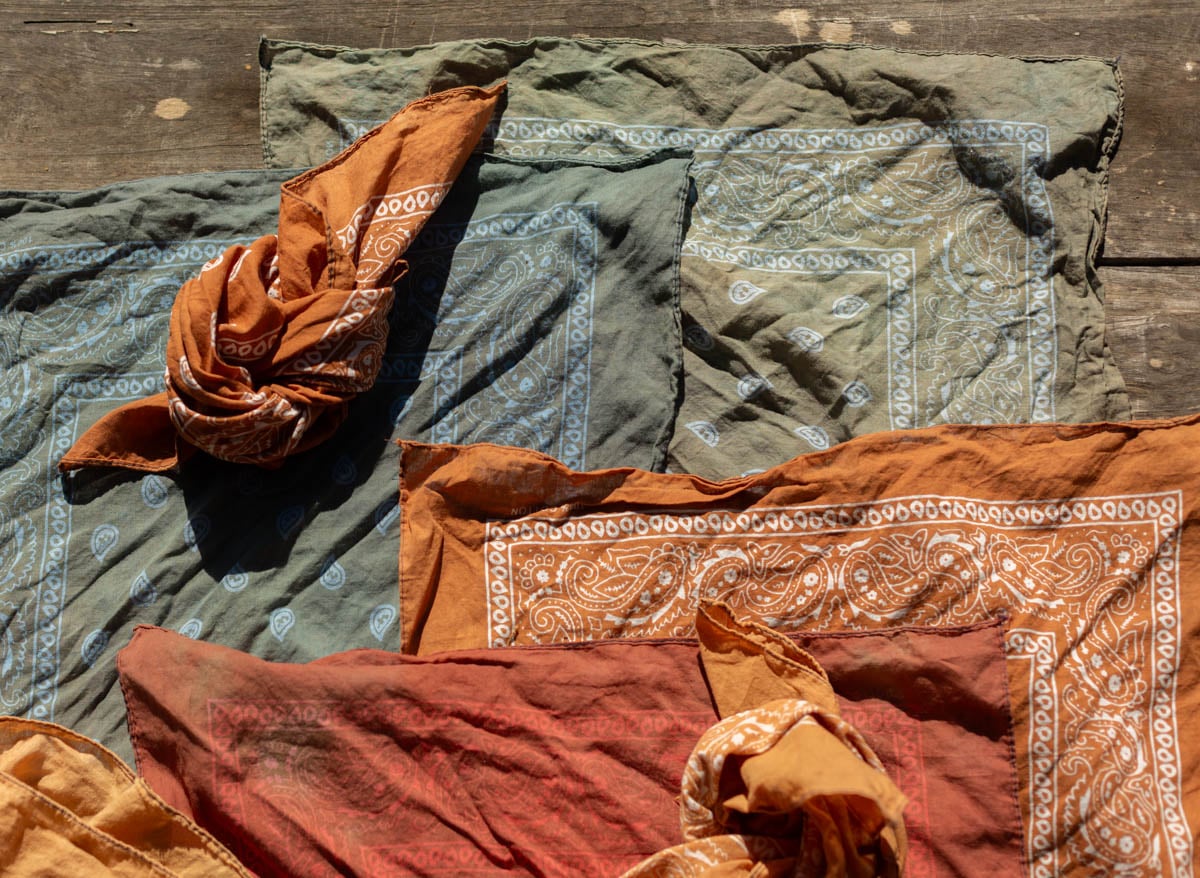
However, practical considerations during the event revealed a humorous twist in how children interact with styled tableware. Alongside the cloth bandanas, organizers had provided standard paper napkins. Rather than soiling the carefully crafted earth-toned fabric with food and beverages, the children instinctively treated the bandanas as wearable accessories, tying them around their necks or heads while reserving the paper napkins for actual cleanup duties.
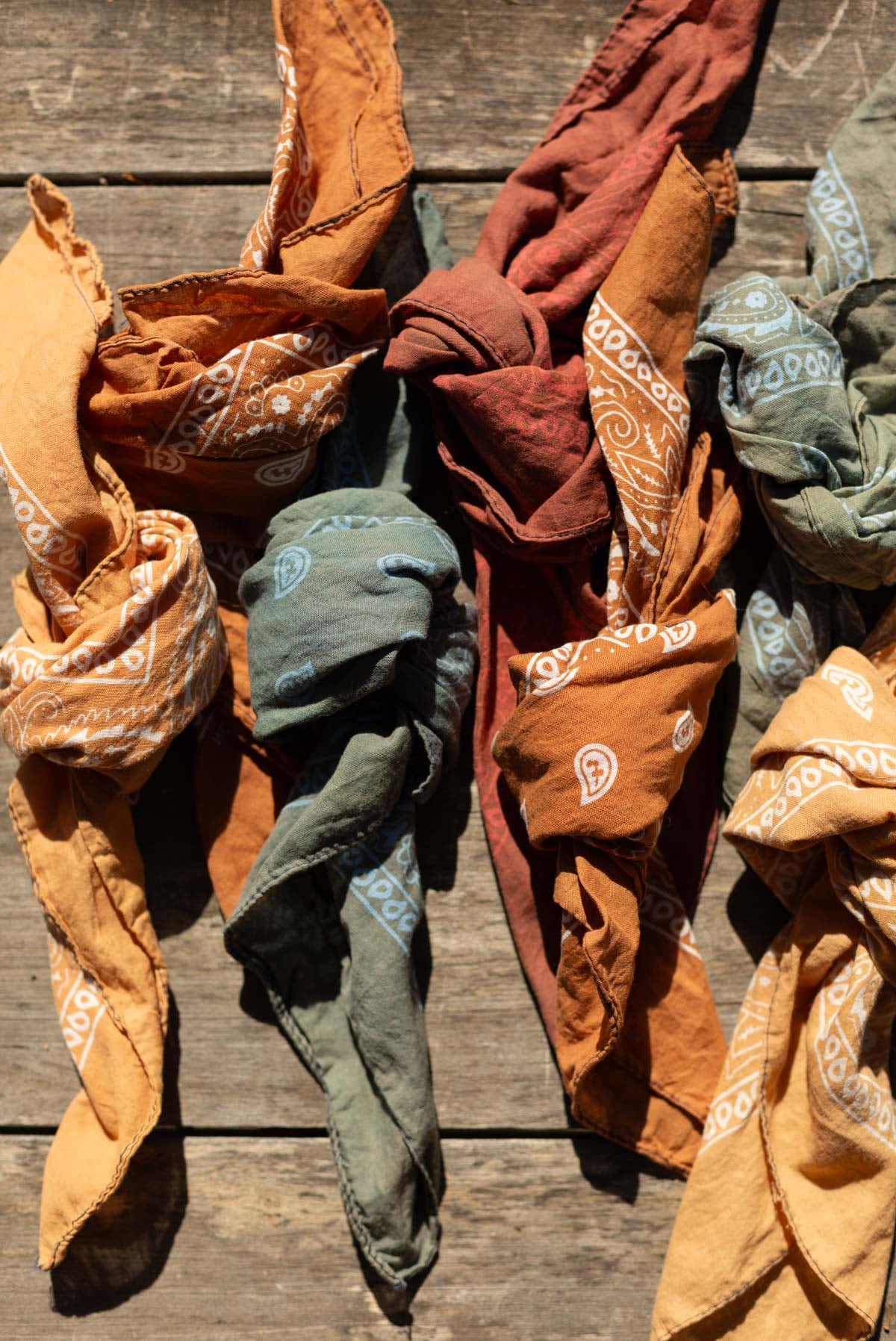
Following the conclusion of the school event, a few leftover bandanas remained in the organizer’s possession. Finding a final use for the surplus, one of the neutral-toned accessories was repurposed as a pet accessory, fitted onto the household dog. While the canine recipient displayed a mild, characteristic indifference toward wearing fashion items, the resulting look successfully carried the rustic, organic aesthetic full circle.
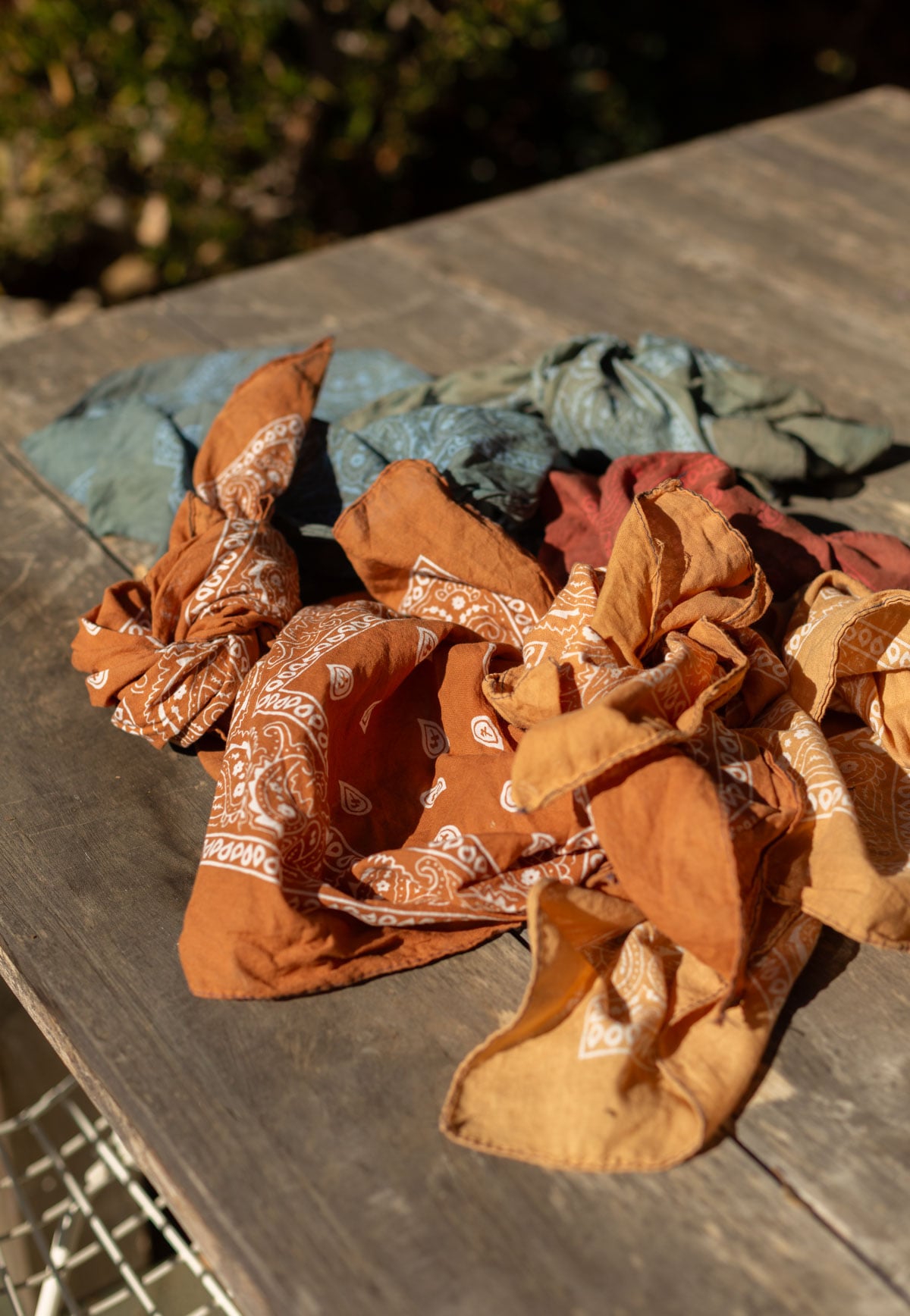
By demonstrating that low-cost, surplus materials can be systematically altered through controlled chemical reduction and secondary dyeing, the project highlights practical methods for textile upcycling. Whether applied to party accessories, everyday clothing, or pet gear, the technique provides a straightforward pathway for turning unwanted items into customized, natural-looking wearables.