The first chapter of this medical journey began 25 years ago, unfolding just months after the tragic events of September 11, 2001, when the World Trade Center towers fell. Receiving a cancer diagnosis during a period of intense national grief and uncertainty added an extra layer of shock to an already overwhelming personal crisis. Adding to her anxiety was the complete absence of a family history of the disease, making the diagnosis feel entirely unexpected. As the mother of three children—two daughters and a son—her immediate fears extended beyond her own health to the potential implications for her daughters’ futures.
Medical statistics underscore just how common this vulnerability is among women. Current health data indicates that approximately one in eight women in the United States will develop invasive breast cancer over the course of their lifetime, with statistical risks increasing steadily with age. Overall, the national incidence rate hovers around 132.5 cases per 100,000 individuals, while male breast cancer remains relatively rare, accounting for fewer than one percent of all diagnosed cases.
My First Diagnosis
The initial diagnosis twenty-five years ago identified ductal carcinoma in situ, commonly known as DCIS. This non-invasive or pre-invasive condition is characterized by abnormal cells lining a milk duct within the breast. In her case, the cancer was caught early, and medical evaluations confirmed there was no lymph node involvement, sparing her from more aggressive therapies at that time.
However, her experience years later would prove vastly different. Despite maintaining a consistent routine of annual mammograms, a second diagnosis arrived just two years ago when she was 70 years old. This time, physicians identified invasive lobular breast cancer, a form known for being significantly more serious and aggressive than her initial brush with DCIS. Unlike her first encounter with the disease, this diagnosis involved the lymph nodes, necessitating a comprehensive and intensive treatment plan.
To combat the aggressive cancer, she underwent a mastectomy and subsequent reconstructive surgery, followed by a course of radiation therapy. Furthermore, because laboratory testing revealed that her specific cancer was estrogen-driven, her ongoing medical management required monthly injections of fulvestrant, a specialized medication designed to reduce the body’s number of estrogen receptors and suppress recurrence risks.
Dealing with Mastectomy and Reconstruction
Navigating the physical realities of undergoing multiple mastectomies and subsequent reconstruction involves confronting permanent changes to one’s physical body. For this survivor, navigating those profound changes was significantly aided by a supportive partner who consistently offered reassurance, emphasizing enduring beauty and celebrating her survival.
The medical professionals involved in her care also played a crucial role in her physical and psychological transition. Reflecting on her first reconstruction, she recalls a plastic surgeon who went beyond standard clinical care to help her reclaim a positive body image. Recognizing her background as a writer, he encouraged her to maintain a detailed journal to process her experiences. Additionally, he urged her to invest in sexy lingerie and gradually reintroduce provocative clothing into her wardrobe, starting privately around the house before wearing them out in public.
Yet, physical reconstruction cannot always restore every aspect of sensory experience. Another challenging hurdle associated with mastectomy and reconstruction is the complete loss of sensation in the nipple and surrounding areas. For this patient, the nerve damage resulted in a total absence of erotic sensation, leaving the tissue entirely numb. While her primary surgeon had noted that some patients eventually regain sensation, that recovery never occurred for her, though she occasionally experiences phantom nerve sensations.
Dealing with Emotions
While the physical scars of major cancer surgeries are permanent, the emotional toll often requires an even longer period of healing. During her early postoperative days, she prioritized her mental health by working with a nurse-therapist who specialized in helping breast-cancer patients navigate the psychological complexities of losing a breast. From their very first session, the therapist introduced creative-visualization techniques and provided healing audio tapes for her to listen to each night. The therapist also encouraged her to take recovery one day at a time and grant herself permission to focus entirely on her own needs.
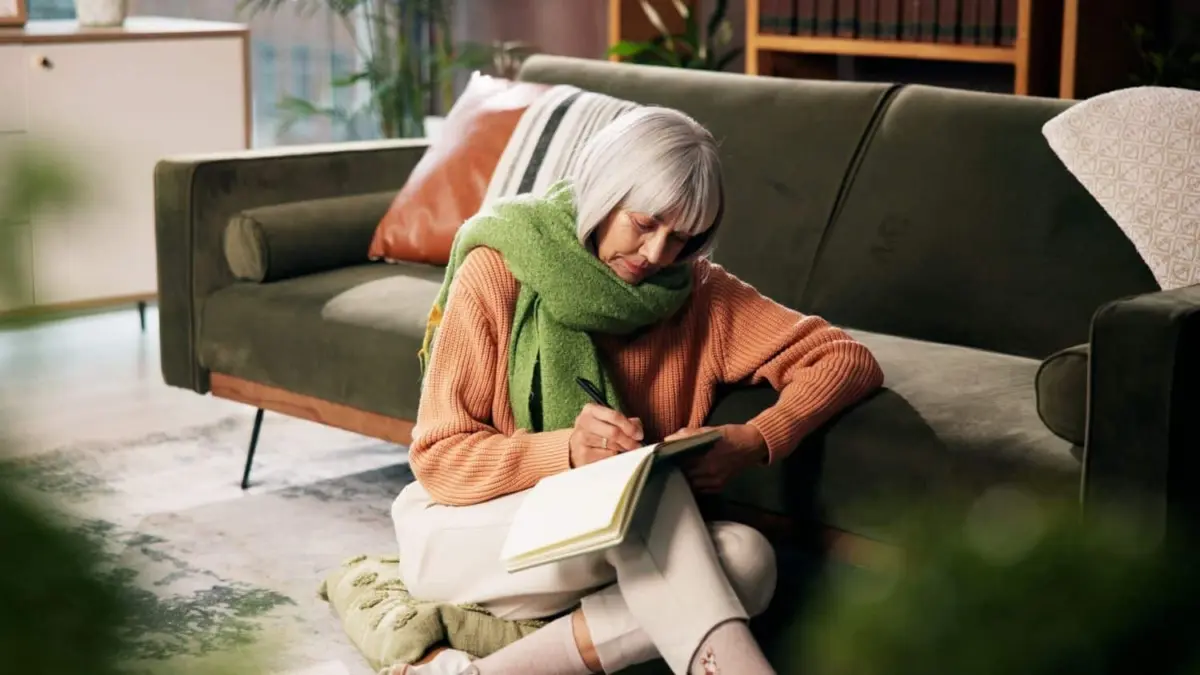
Solitude became a vital component of that emotional recovery. She frequently spent quiet hours in her backyard, journaling and writing reflective letters to loved ones who had passed away. Those private journal entries eventually transcended personal therapy, evolving into published works designed to help other women confront their own fears regarding breast cancer. Her second memoir, Healing with Words, which incorporates practical journaling prompts at the end of every chapter, emerged directly from that period of reflection. The book recently marked its fifteenth anniversary since publication.
Writing has been a lifelong anchor. She has nurtured a passion for journaling since the age of ten, when her mother presented her with her first journal, and she later carried that passion into teaching writing to others. Today, she refers to her journal as a writer’s notebook—a secure space for absolute honesty, where she can record shifting feelings, thoughts, fears, and the daily observations of life.
By maintaining a disciplined routine of journaling and meditation, she developed effective coping mechanisms for managing her history with cancer. Rather than dwelling on the hardships, she deliberately concentrates on the positive pillars of her life: a devoted husband, three children and their partners, six grandchildren, and a fulfilling professional career.
Empowered by Life’s Journeys
Reflecting on the totality of her experiences, she believes that coming to terms with life’s hardships ultimately brings a sense of empowerment. She views her trials not as permanent roadblocks, but as catalysts that have pushed her forward through difficult decades. Her journey reinforced the reality that emotional recovery frequently outlasts physical healing, prompting her to curate her social circle carefully, surrounding herself with positive energy while distancing herself from negativity.
Although societal stigma surrounding cancer has diminished significantly compared to decades past, the reality of the disease remains a formidable milestone for anyone diagnosed. She notes that while it is counterproductive to fixate constantly on a history of breast cancer, it is equally important never to forget the lessons learned along the way.
Ultimately, navigating life as a woman involves a complex landscape of concerns, decisions, hurdles, and milestones. Yet, balanced against those challenges are numerous high points and victories worth pausing to acknowledge and celebrate. As she continues her journey two decades after her first diagnosis, she encourages others to reflect on their own resilience, asking how they choose to remember and honor the hardships they have faced and the triumphs they have achieved.