
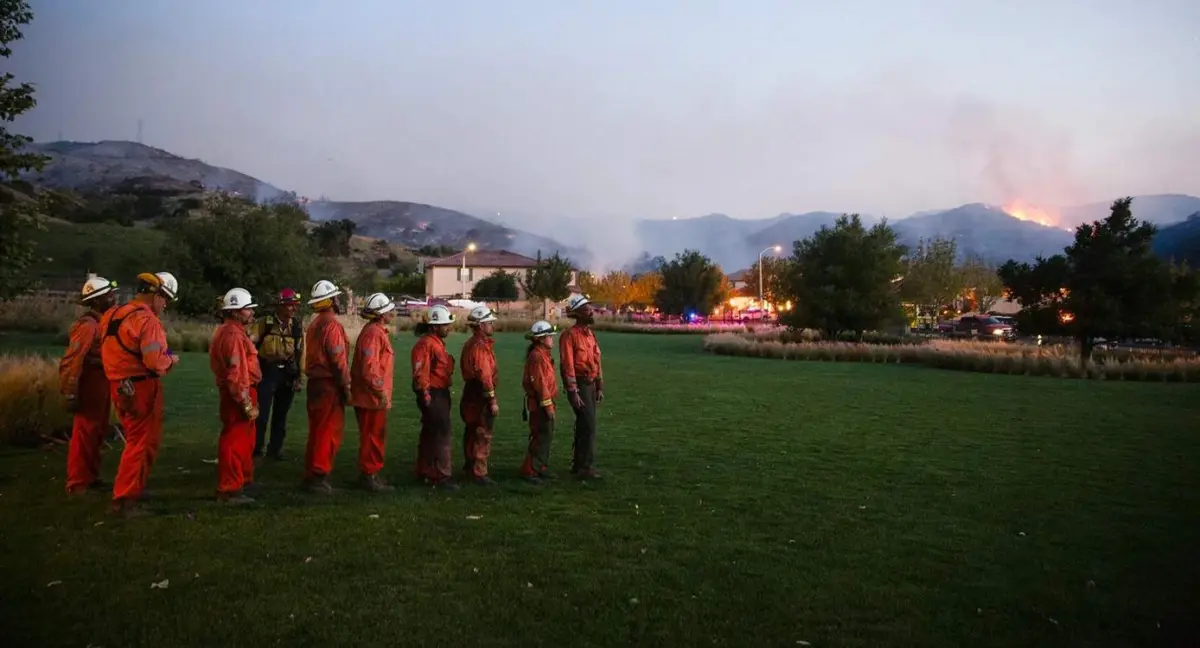
Now, following the successful legislative stewardship and eventual signature of a landmark bill by Governor Gavin Newsom, formerly incarcerated firefighters will no longer face bureaucratic roadblocks upon reentering society. Instead, they will step into a direct career pipeline designed to honor the grueling, high-stakes experience they gained behind bars.
Tracked closely by journalists at CalMatters, the passage of Assembly Bill 2483—officially known as the Formerly Incarcerated Firefighter Certification and Employment Program—introduces two critical systemic updates. First, it establishes standardized certification protocols for firefighting training completed within the correctional system. Second, it grants priority hiring status for certain entry-level positions at Cal Fire, the state’s premier firefighting force, specifically for individuals who were previously imprisoned.
The policy change addresses a long-standing paradox in California’s criminal justice and labor systems. While incarcerated crews have routinely risked their lives alongside professional firefighters to protect communities from devastating blazes, returning citizens previously found that their specialized skills and hours of hands-on experience did not easily translate into civilian employment due to licensing restrictions, social stigma, and a lack of formal credential recognition.
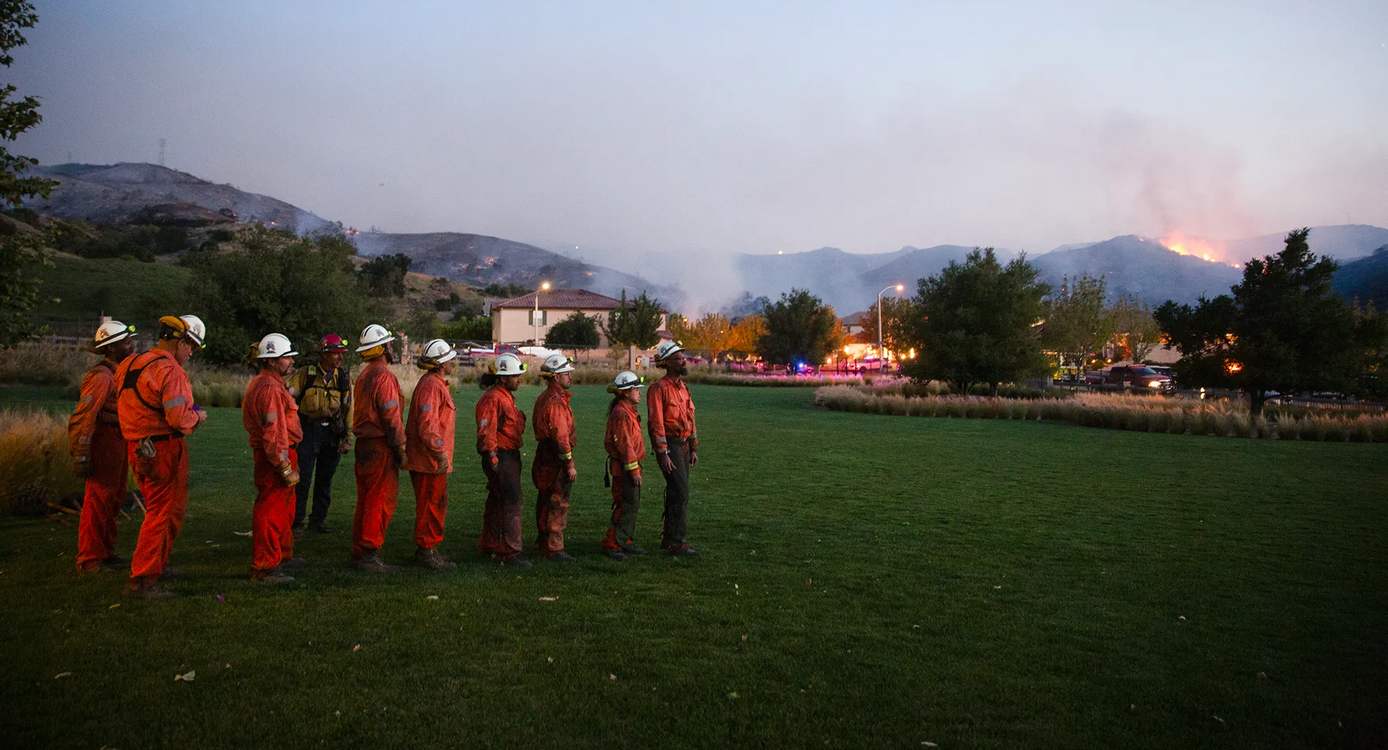
Royal Ramey, the chief executive of the nonprofit Forestry and Fire Recruitment Program, understands these barriers intimately. Ramey is himself a formerly incarcerated firefighter who once stood on the front lines of California wildfires. However, when he completed his service and looked toward a civilian career, he encountered a frustrating reality. The certificate documenting his training explicitly stipulated that it was earned while he was incarcerated, making him reluctant to include it on his curriculum vitae for fear of immediate rejection or discrimination.
Rather than relying on the credentials he earned while locked up, Ramey chose to go through a traditional, civilian firefighting academy from scratch. His personal experience fueled a professional mission: to convince California’s state assembly to pass AB 2483 so that future generations of incarcerated firefighters would feel genuine pride and confidence in their service. Under the new law, certificates of training and operational experience received during incarceration will serve as genuine assets rather than professional liabilities as individuals transition back to society.
Ramey’s nonprofit organization played an instrumental role in the legislative battle, working hand-in-hand with Assemblymember Sade Elhawary, a Los Angeles Democrat, to shepherd the complex bill through the rigorous committee process. The legislative victory was not achieved overnight; Ramey and Elhawary drew valuable lessons from a previous, unsuccessful attempt by Elhawary to pass similar legislation. Armed with those insights, the coalition engaged directly with stakeholders to address and resolve outstanding concerns raised by the union representing Cal Fire employees, smoothing the path toward compromise and eventual approval.
The impact of the legislation is scheduled to materialize fully by 2028. By that milestone, returning citizens who dedicated their time in prison to fighting dangerous wildfires will encounter a meaningful, unbarred pathway toward a fulfilling civilian career. Officials note that these positions can lead to potential six-figure incomes and secure state pensions, offering a profound second chance at financial stability and long-term security.
By bridging the gap between correctional rehabilitation and professional emergency services, the new law fundamentally alters what it means to serve time on California’s fire lines, transforming a temporary sentence into a permanent professional future.