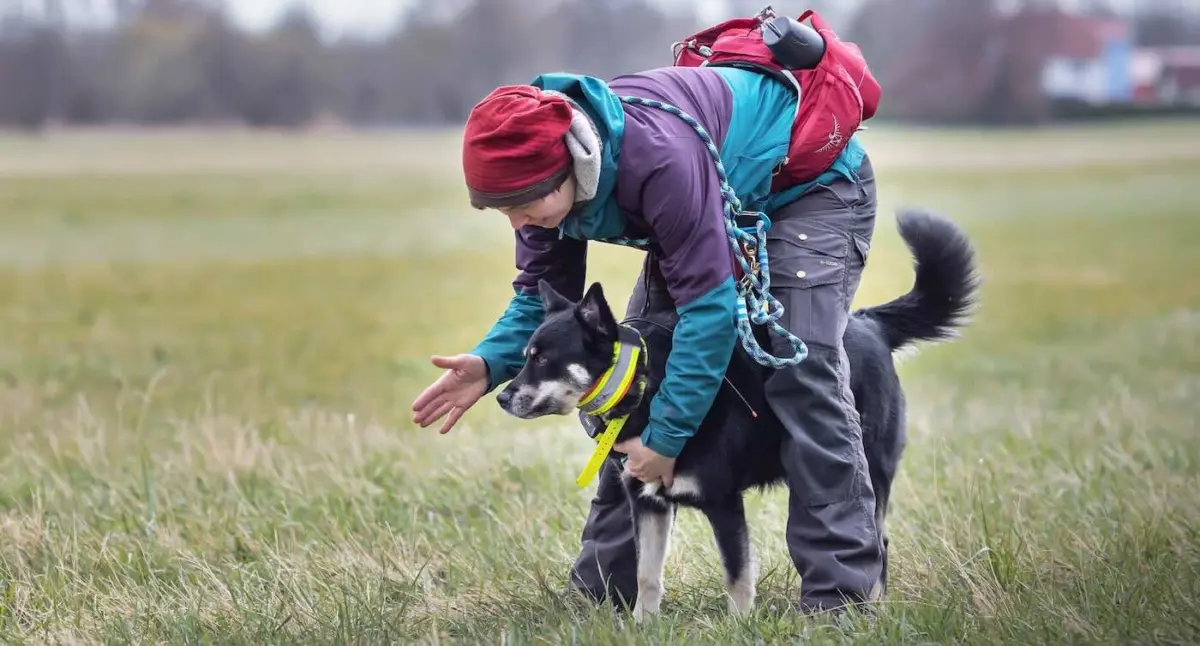
However, a pioneering study conducted in Germany by researchers at the Helmholtz Centre for Environmental Research (UFZ) in Leipzig has revealed an innovative, cost-effective, and highly engaging solution. Scientists evaluated whether everyday dog owners and their canine companions could be successfully trained to act as ecological detectives. The results of the feasibility study demonstrated that volunteer dog-handler teams could locate invasive plants in the wild with an impressive 75% accuracy rate, opening up entirely new possibilities for community-led conservation efforts.
Led by Dr. Annegret Grimm-Seyfarth, the research team at UFZ set out to test the viability of a structured volunteer dog-handler training program that would empower citizen scientists to actively participate in the ongoing fight against ecological degradation. Between 2021 and 2023, a cohort of 31 dogs and their human handlers underwent specialized training focusing on three particularly problematic and destructive invasive plant species found in the region: Himalayan balsam, common ragweed, and members of the knotweed family, such as the infamous Japanese knotweed. Scientifically categorized as Impatiens glandulifera, Ambrosia artemisiifolia, and the Fallopia spp. complex, these aggressive non-native plants are notorious for crowding out native vegetation, damaging infrastructure, and causing severe health issues like allergic reactions in humans.
The comprehensive training program culminated in a rigorous field test designed to evaluate the dogs’ real-world capabilities to locate their target species in natural environments. Out of the 31 original participants, 12 teams successfully completed the intensive training and advanced to the field test phase. Of those 12 teams, an extraordinary 11 passed the evaluation, achieving an average detection success rate of 75 percent.
The findings from this groundbreaking feasibility study were subsequently published in the peer-reviewed scientific journal PLOS One. Buoyed by the success of the trials, the research team utilized the data collected to develop a comprehensive set of recommendations aimed at improving the effectiveness of future conservation initiatives. These recommendations focus heavily on optimizing volunteer selection processes, enhancing community coordination, refining specialized dog training techniques, and structuring initial deployments to maximize ecological impact.
"Our study shows that trained volunteer dog-handler teams have real potential to support the early detection of invasive plants," said Dr. Grimm-Seyfarth in a media release detailing the project. She emphasized the unique and satisfying nature of the program, noting that it harnesses activities people already enjoy doing in their daily lives. "What we find particularly exciting is the opportunity to turn something people already love doing—spending time outdoors with their dogs—into a meaningful contribution to biodiversity conservation."
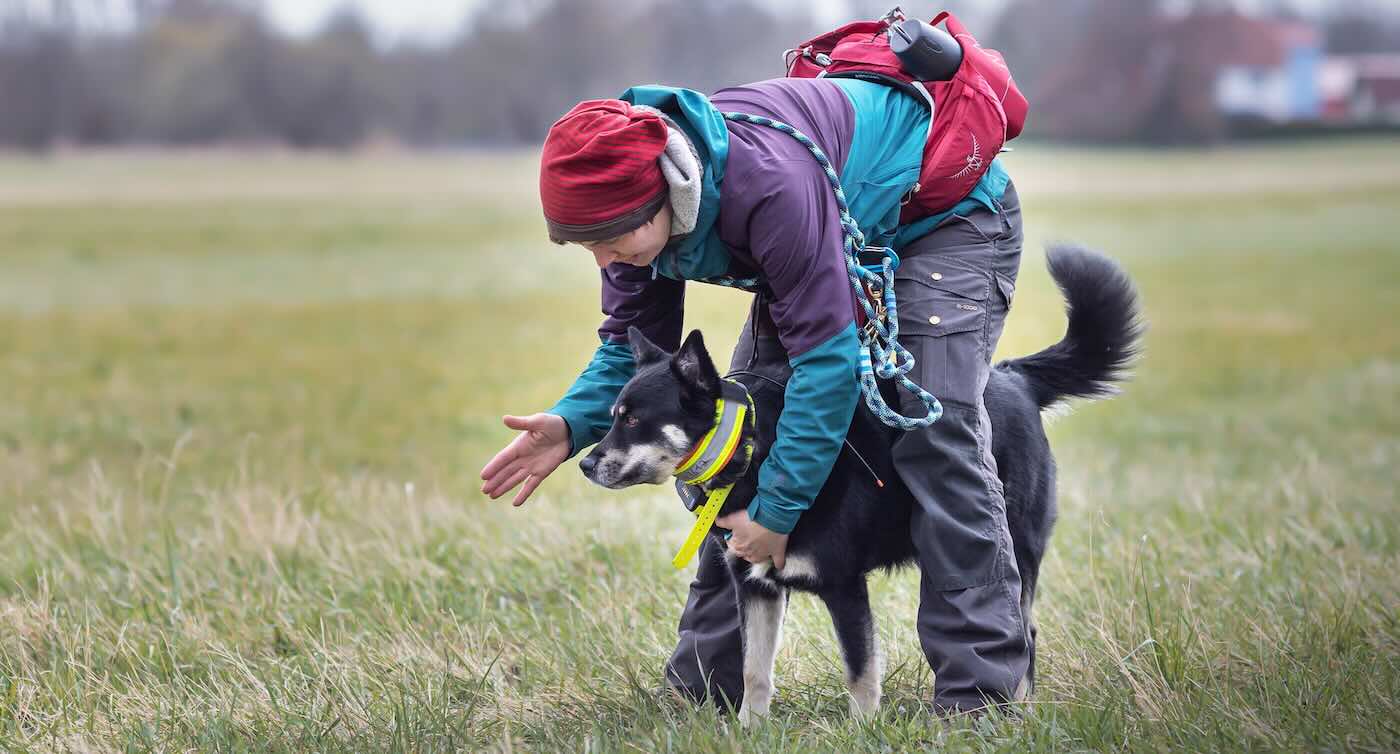
Dr. Grimm-Seyfarth further elaborated on the immense potential of scaling such grassroots initiatives, pointing out the vast untapped resource represented by pet owners taking routine walks in parks, fields, and rural pathways. "By combining dogs’ remarkable sense of smell with the enthusiasm of citizen scientists, we could expand monitoring efforts," she explained. "With the right training, everyday walks could become an additional resource for detecting invasive plants early."
Despite the high success rate demonstrated in the trials, environmental experts caution that achieving reliable and widespread monitoring requires considerably more than just an exceptional canine sense of smell. The research highlights that structured training and continued guidance from both professional dog-training experts and experienced ecologists are vital components required to help volunteer teams succeed when deployed in complex real-world environments. Without proper oversight, even the most enthusiastic volunteers and well-intentioned pets might struggle to differentiate between subtle ecological indicators or navigate difficult terrain effectively.
The deployment of specially trained dogs in the realm of environmental conservation is not entirely unprecedented, as animals have previously been utilized to track down invasive animal species that threaten local ecosystems. A prominent example of this canine conservation strategy can be seen in the ongoing efforts to manage the spread of the spotted lanternfly, an invasive insect native to Asia that has wreaked havoc across the American East Coast.
Dogs slow spread of spotted lanternfly
As the spotted lanternfly has steadily and unimpeded advanced across various regions in the United States, posing a severe threat to agriculture, orchards, and native forests, researchers have searched for innovative ways to curb its population growth. To combat this ecological threat, a specialized team of researchers at Virginia Tech turned to the extraordinary olfactory abilities of dogs, training them to root out the insect’s egg masses hidden in the wild.
By employing these canine detection teams, conservationists and agricultural authorities have been able to locate and eliminate hidden clusters of pests that would have otherwise gone unnoticed by human inspectors. According to recent video documentation released by the Associated Press, the dog teams working on the spotted lanternfly initiative have successfully eliminated an astounding 10,000 egg masses to date, proving the tangible value of canine intervention in managing invasive animal populations.
Reflecting on the broader implications of the plant-detection study and the enthusiasm displayed by participants throughout the multi-year project, Dr. Grimm-Seyfarth expressed profound optimism for the future of citizen-science conservation models. "It was great to see how much motivation many of the participants brought to the program," she remarked, underscoring the deep commitment that everyday citizens have toward protecting their local environments when given the proper tools and direction.
As ecological pressures mount globally and government agencies face resource limitations in tracking the relentless spread of invasive species, community-driven initiatives like the German sniffer dog program offer a glimmer of hope. By bridging the gap between professional scientific research and public participation, conservationists may soon possess an expanded, highly mobilized workforce capable of protecting fragile ecosystems one walk at a time.