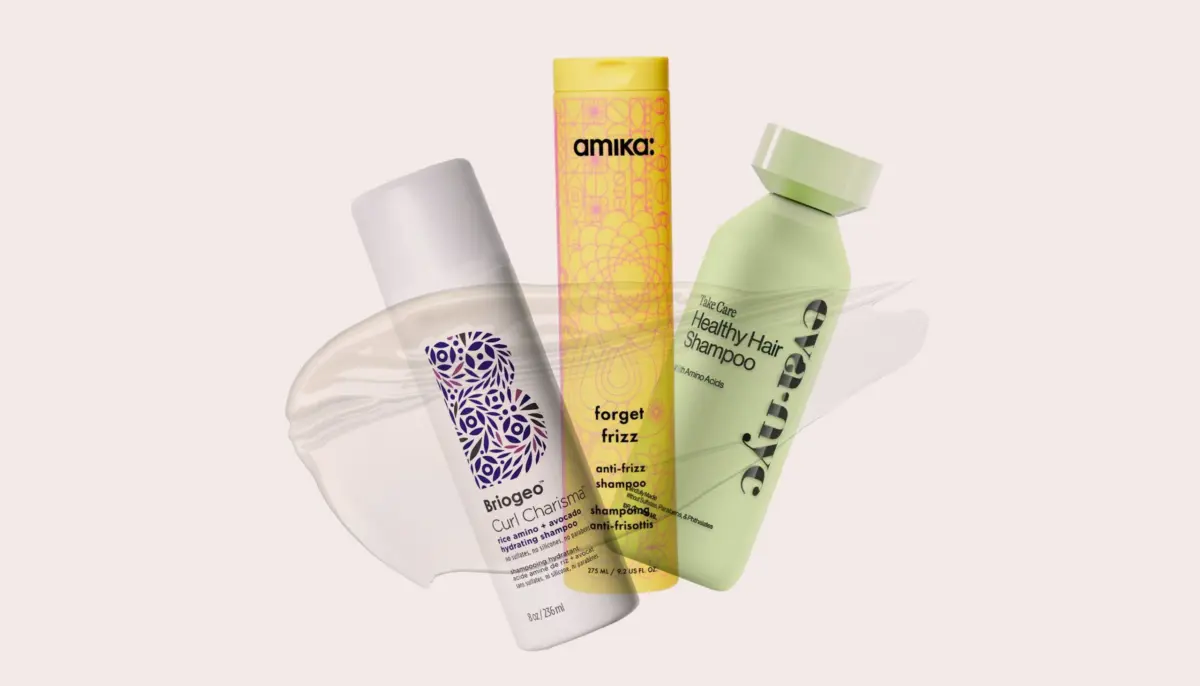
Industry professionals emphasize that the foundation of any successful wavy hair routine begins in the shower, specifically with the choice of cleanser. Light hydrators and gentle cleansers are essential components to consider when shopping for a shampoo tailored to wavy hair. These specialized formulas are designed to gently cleanse the scalp and strands while simultaneously delivering much-needed moisture, all without weighing down the natural wave pattern.
What Ingredients Should People Look for in a Shampoo for Wavy Hair?
To achieve the ideal balance of soft, touchable, and well-defined waves, experts point to specific chemical compounds and nourishing elements that benefit textured hair universally. Humectants such as glycerin and hyaluronic acid, along with ceramides, amino acids, proteins, and targeted conditioning agents, are widely recommended by top stylists.
Nashville-based hairstylist Eric Marshall explains that these universally supportive ingredients help waves feel soft rather than crunchy, while also creating a more polished appearance. Crucially, they achieve this aesthetic enhancement without sacrificing the hair’s natural movement or volume.
However, experts also stress that ingredient selection should be tailored to an individual’s specific wave type and density. Someone with very fine, loose waves generally does not require the same rich, heavy formula as someone blessed with thick, coarse waves. Finer wave patterns benefit greatly from opting for lightweight hydrators rather than heavy, rich formulations that can easily flatten the hair and reduce volume. Conversely, individuals dealing with coarse or dry hair should actively look for nourishing oils and specialized conditioning ingredients to quench parched strands.
How Can I Hydrate Wavy Hair?
When it comes to maintaining optimal moisture levels, hair-care experts share a unified consensus: the primary goal for all wavy hair types is to achieve deep hydration without the associated weight. This journey begins right at the shampoo stage. As you cleanse your hair, professionals recommend focusing the majority of your attention and effort on the scalp rather than the lengths of the hair. Conditioning products, meanwhile, should be applied strategically from the mid-lengths down to the ends, where moisture is needed most.
Following the shower experience, beauty experts emphasize a minimalist philosophy regarding styling products. Marshall recommends incorporating styling solutions that actively promote elasticity and control while providing simultaneous hydration. Effective options for this step include curl creams, hair oils, and specialized texturizing sprays. In short, an effective wavy hair routine is one that balances hydration, definition, and strengthening to produce consistently bouncier, healthier-looking waves.
Another common misconception surrounding textured hair is the frequency of washing. According to industry professionals, individuals do not need to artificially stretch out the days between washes simply because they have textured hair. Washing your hair whenever your waves need it most actively encourages a healthy scalp environment and supports the natural wave pattern over time.
How Beauty Publications Test and Review Hair Products
Understanding how hair-care products are evaluated provides valuable context for consumers navigating the crowded beauty market. While certain products can be used across a broad spectrum of hair textures, lengths, curl patterns, thicknesses, and natural or unnatural colors, hair products are frequently formulated with distinct consumers in mind. Many items are specifically created to address a particular concern, such as persistent dandruff, structural breakage, or brittleness, or to perform most effectively for a very specific hair type, ranging from tight 4C curls to wavy or gray hair.
Consumers naturally expect rigorous testing standards. A purple shampoo, for instance, should be evaluated by individuals with the appropriate hair color rather than someone with auburn hair. Similarly, a specialized hair diffuser should be tested by individuals who actually wear curls.
In comprehensive reviews of the best shampoos for wavy hair, media outlets routinely enlist the collaborative help of multiple editors, writers, industry contributors, and professional hairstylists. The primary objective is to identify formulas that effectively cleanse the hair and provide necessary hydration without creating unwanted product buildup. During these evaluations, professional testers carefully consider product performance across four core categories: overall efficacy, texture and the user experience, fragrance profile, and packaging design.
Our Staff and Testers
Purchasing a beauty product is inherently a personal experience. Whether you are actively searching for a specialized face cream to combat persistent dryness, experimenting with a new nail product for your weekend self-care routine, or simply browsing the market for the latest hair-care innovations, maintaining trust in product recommendations is paramount. Achieving this standard requires a diverse team of dedicated writers and editors, supported by a wide network of outside product testers and industry experts.
The validity of any product recommendation depends heavily on the diversity of the testing pool. Evaluating whether a skin-care product is genuinely the best option for people over the age of 50, for example, requires feedback from that specific demographic rather than relying solely on opinions from individuals under 30. Similarly, determining whether a high-end diffuser is worthy of consumer investment requires testing on actual curly hair textures. Editorial teams that encompass a wide range of ages, skin tones, hair textures, genders, and backgrounds are better equipped to fairly assess the diverse array of beauty products entering the market today.