To demystify the choices, industry-leading hairstylists and colorists have shared their professional insights on the mechanics, benefits, and safety considerations of hair-straightening brushes. By breaking down the differences between modern styling implements, beauty experts aim to help consumers make informed decisions tailored to their unique hair types and styling goals.
What’s the Difference Between a Hair-Straightening Brush and a Flatiron?
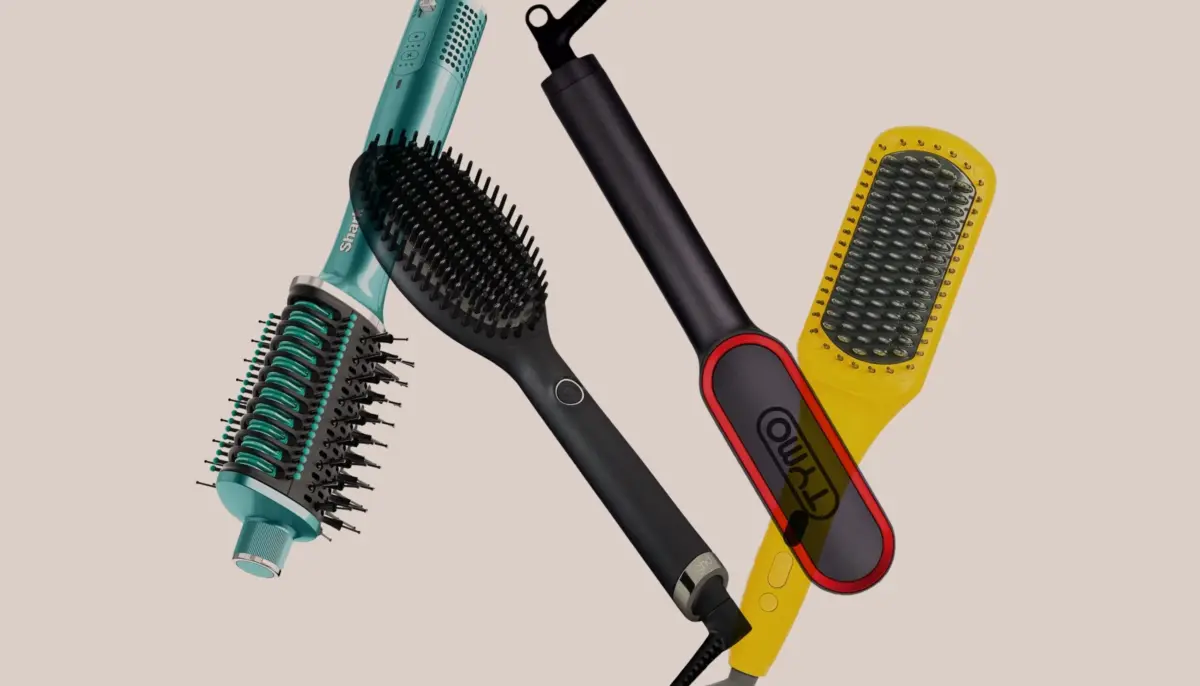
At a glance, the physical differences between a straightening brush and a flatiron are immediately apparent. "A hair-straightening brush has bristles, resembling a brush, and a hair straightener does not have any bristles," explains New York City-based hairstylist Devin Toth.
While both tools rely on thermal energy to style hair—delivering results that can range from pin-straight locks to bouncy, voluminous waves—they employ fundamentally different structural designs to achieve those finishes. A hair-straightening brush features a configuration of heated bristles or teeth that closely resemble a traditional comb. In contrast, a flatiron utilizes two smooth, heated plates that compress the hair as it is pulled through.
Is a Hair-Straightening Brush Better Than a Flatiron?
Whether a straightening brush is superior to a traditional flatiron largely depends on an individual’s styling preferences and daily routine. For many, the primary appeal of a straightening brush lies in its efficiency, often combining the functions of a blow-dryer and a flatiron to significantly cut down on morning preparation time compared to a traditional two-step process.
Beyond time savings, professionals note distinct finish and comfort advantages. "They get the hair smoother and with fewer flyaways than just blowing the hair; it’s shinier and silkier," says Nashville-based colorist Leslie Shores. Furthermore, Shores highlights the ergonomic benefits of the tool, noting that she appreciates the ability to use them on wet or dry hair. "It’s easier on your arms than the tension you have to apply with a regular hairbrush and a blow-dryer."
What Should I Look for When Choosing a Hair-Straightening Brush?
Selecting the ideal hair-straightening brush depends on a variety of personal factors, including budget, desired aesthetic outcomes, and individual tool preferences. Because the market offers a wide array of options, understanding how design elements translate to results is crucial.
"I think most tools in this space have similar features, so I would look for a barrel shape and size that resembles the tightness of curl you are trying to achieve," Toth suggests. For instance, a flat paddle thermal brush is typically designed to yield straight hair, whereas a thermal brush featuring a compact barrel shape can help create curls. Meanwhile, a thermal brush with a larger barrel shape is better suited for producing a voluminous, bouncy blowout.
Shoppers are also advised to evaluate several other technical and ergonomic features. Adjustable temperature settings, ionic technology, and uniform heat distribution play vital roles in smoothing the hair cuticle, eliminating frizz, and minimizing the overall amount of heat exposure required. For consumers with fine or thin hair, comb-like teeth that effectively separate strands without pulling or snagging are particularly important. Additionally, a lightweight, ergonomic design ensures that the tool remains comfortable to hold and maneuver during extended styling sessions.
Are Hair-Straightening Brushes Safe?
Despite offering a more controlled styling experience than some conventional methods, thermal hair tools still require careful handling to prevent heat damage. Although straightening brushes may not apply the intense, direct pressure of a traditional blow-dryer and flatiron combination, users must maintain steady pacing during use.
"Keep them moving and don’t overheat any one area of hair for too long," Toth advises. He also recommends avoiding the highest temperature settings unless absolutely necessary for a particular hair texture. Furthermore, professionals universally emphasize the importance of applying a quality heat protectant spray prior to using any heated styling tool.
Maintenance is another critical factor in ensuring both safety and longevity. Los Angeles-based hairstylist Joseph Maine points out the necessity of keeping hot tools clean by regularly removing accumulated hair and product buildup after each use. Proper maintenance ensures that the device heats evenly and prevents frustrating snags or pulls during styling.
How Professional Beauty Reviews Shape Product Recommendations
Navigating the vast landscape of hair-care products and styling tools requires rigorous evaluation, a process that publications like Allure approach with careful methodology. While certain beauty products can perform uniformly across a broad spectrum of hair textures, lengths, curl patterns, thicknesses, and natural or unnatural colors, many tools are engineered with specific consumer needs in mind.
When testing styling tools, experts must also account for varying levels of user experience. For example, an innovative new hair dryer might feature cutting-edge technology, but if it proves difficult for everyday consumers to operate intuitively outside of a professional salon setting, reviewers must weigh that usability factor when formulating recommendations.
In comprehensive reviews of the best hair-straightening brushes, teams of editors, writers, industry contributors, and professional hairstylists with diverse hair types and styling goals collaborate to assess performance. Testing protocols typically focus on three core categories: overall efficacy, safety and ease of use, and value.
The Importance of Diversity in Beauty Testing and Editorial Staff
A beauty product purchase is inherently personal. Whether a consumer is searching for a specialized face cream to combat persistent dryness, adding a new nail product to a weekend self-care routine, or simply exploring the latest innovations in the hair-care market, trust in expert recommendations is paramount.
Achieving that trust relies heavily on maintaining a diverse team of writers and editors, alongside a wide network of outside testers and industry experts. Evaluating whether a high-end diffuser is truly worth its price tag, for instance, requires testing it across various curl patterns, just as assessing skin-care products for mature audiences requires feedback from diverse age groups. By ensuring that editorial staff and testing panels span a wide range of ages, skin tones, hair textures, genders, and backgrounds, beauty publications strive to deliver fair, inclusive, and reliable assessments of every product that enters the beauty closet.