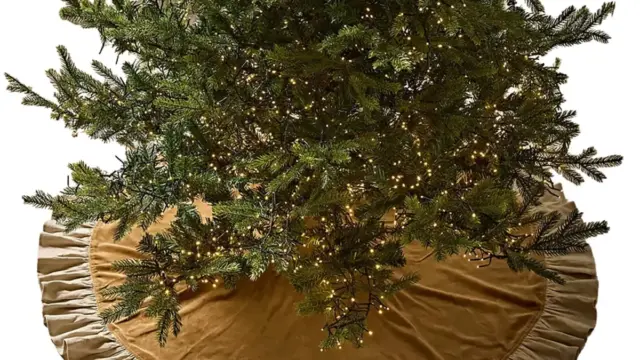
Far from the basic plastic basins of the past, contemporary holiday decor trends embrace an array of materials and aesthetic philosophies. Homeowners who favor natural textures can easily find stands crafted from rich, sustainable woods. Meanwhile, those whose tastes veer toward Scandinavian minimalism will find that industrial designers have increasingly turned their attention to the holiday season, offering sleek, less-is-more solutions that eliminate the need for traditional tree skirts altogether.

To help consumers navigate this unexpectedly varied landscape, design experts have evaluated the top models on the market. Ranging from high-end splurge pieces to clever value finds, the leading options combine architectural appeal with the structural integrity required to keep a towering conifer upright throughout the festive season.
The Standouts: From Innovation to Minimalist Elegance
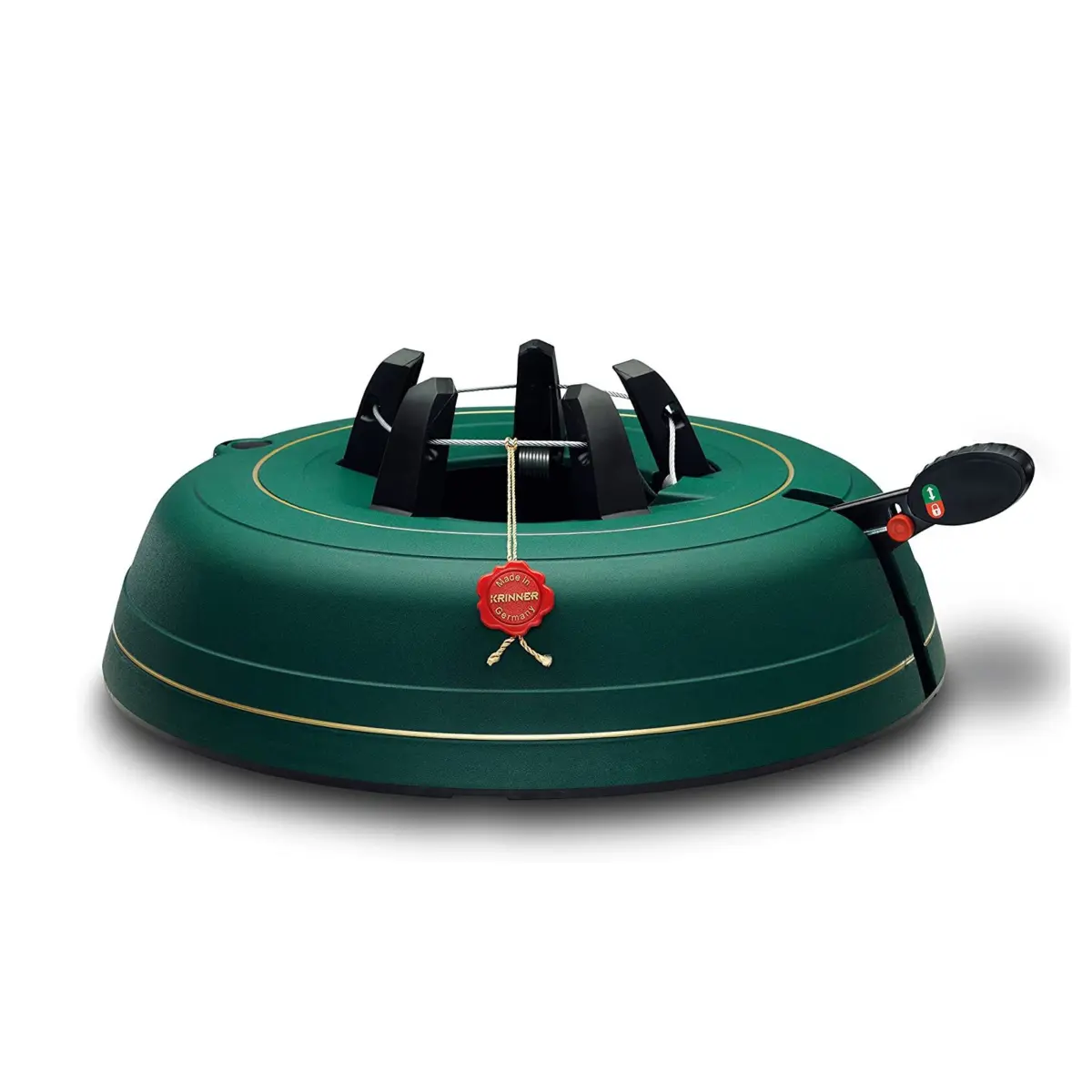
Securing the top spot for overall performance is the Krinner Tree Genie, a product that consistently commands praise among holiday enthusiasts. Rather than relying on traditional, cumbersome hand-screws that require crawling beneath low-hanging branches, this model utilizes an innovative foot-pump technology. Users simply place the tree trunk into the base and operate a foot pedal that activates internal claws, securing the tree in a matter of minutes without the usual shower of pine needles. While its traditional forest green exterior with a gold accent is not inherently revolutionary, its unmatched ease of use and sturdy PVC and metal construction make it a favorite for trees up to 12 feet tall.

For those seeking a blend of style and economy, the Tree Nest Christmas Live Tree Stand offers a chic Scandinavian aesthetic at an accessible price point. Featuring a minimalist wood cross base made of sustainable beechwood alongside decorative exterior screws, the design accommodates a stainless or white bucket. Notably, this model includes a converter that allows it to transition between real and artificial trees—a rare versatility in the holiday market. Its compact footprint also ensures effortless storage when the holiday season concludes.
Artificial tree owners are frequently underserved by a market heavily skewed toward real timber, but the Northlight Artificial Christmas Tree Stand successfully bridges that gap. Built with a dark-finish wood cross base and a petite brown-gray bucket, it provides a secure hold via exterior screws for trees up to nearly eight feet tall, offering a polished look that blends seamlessly into various interior schemes.

For design purists drawn to understated luxury, the Ferm Living Christmas Tree Foot delivers a no-nonsense architectural approach. Crafted from greige powder-coated iron in a distinct triangular silhouette, the minimalist stand is engineered to be displayed completely uncovered, pairing ideally with spruces adorned in restrained, subtle ornaments. Similarly, the Skagerak Stella Christmas Tree Base by Fritz Hansen highlights natural elements through its use of teak or oak paired with brass-plated steel. Featuring an eight-pointed star design and a central interior spike for heightened stability, it elevates wood as the primary decorative element.
Essential Considerations for Selecting a Tree Stand
Experts emphasize that choosing the correct stand involves careful consideration of several technical and aesthetic factors. Unlike standard home goods, tree stands must balance heavy weight loads with specific spatial constraints.

Style remains a primary driver for many buyers. While traditional cast-iron models offer classic weight and stability, minimalist wood and metal designs allow homeowners to forgo tree skirts entirely, presenting a cleaner look. Material choice also dictates weight and maintenance; plastic options remain lightweight and easy to transport, whereas heavy cast iron or solid wood provides maximum gravity resistance against tipping.
Compatibility between real and artificial trees is another critical distinction. Fresh-cut trees require a reliable water reservoir integrated into the bucket to prevent premature drying, whereas artificial trees require precise pole-diameter alignment to ensure the center column fits securely without wobbling.

Setup mechanics ultimately determine the user experience. While traditional side-screws remain common, modern innovations like foot-activated clamping mechanisms significantly reduce the physical strain of alignment and stabilization. Understanding a stand’s maximum height and trunk capacity prior to purchasing a tree remains essential for maintaining both safety and structural balance throughout the winter holidays.