
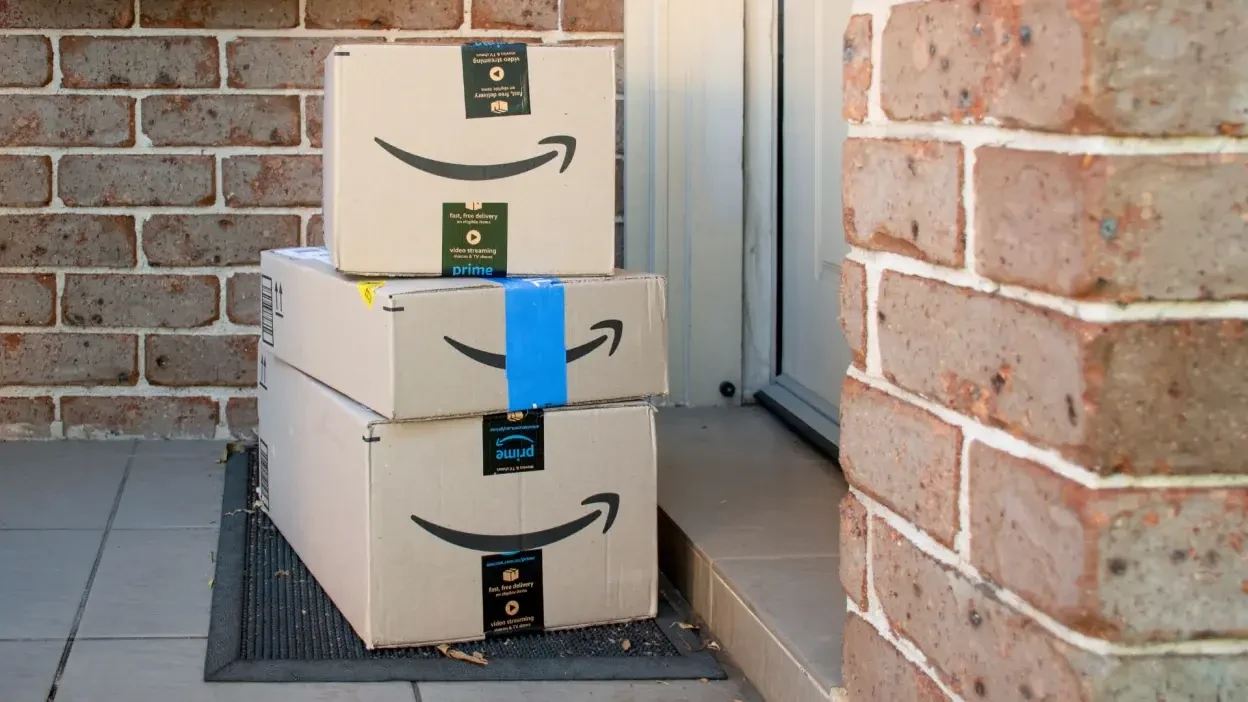
While Amazon has confirmed its participation in the upcoming holiday shopping events through standard industry announcements, the company has kept specific dates for its official Black Friday and Cyber Monday blocks under wraps. Despite the lack of an officially announced kickoff schedule, a wide array of products across Amazon’s marketplace have already plummeted to prices that match or approach their historic lows. Price-tracking software and consumer monitoring tools indicate that these early reductions are not mere marketing ploys, but genuine discounts on popular electronics and home goods.

Navigating these early sales requires an understanding of structural prerequisites, particularly regarding membership tiers. Shoppers looking to capitalize on Amazon’s most exclusive event discounts will still need an active Prime membership, which currently starts at $14.99 per month. While the long-term value of a yearly subscription remains a personal financial decision, shoppers have the option to leverage Amazon’s standard 30-day free trial. This mechanism allows consumers to secure exclusive promotional pricing across both the Black Friday and Cyber Monday windows before deciding whether to maintain the subscription or cancel it without incurring charges.
The current wave of early discounts highlights substantial savings on high-demand technology brands. Premium over-ear headphones, a staple of holiday wishlists, are seeing massive price corrections well ahead of schedule. For instance, Sony’s flagship WH-1000XM5 wireless noise-canceling headphones, normally retailing at $399.99, have seen steep reductions down to $198.00. Similarly, competing audio gear such as the second-generation Bose QuietComfort wireless headphones have dropped from $359.00 to $199.00 in select colorways like dewdrop mint.

Networking hardware and home automation systems are also receiving significant pre-holiday price adjustments. Early shoppers can find the TP-Link BE3600 Wi-Fi 7 portable travel router discounted to $87.99 from its standard $119.99 price tag. In the smart home sector, high-end automated cleaning solutions like the Roborock Qrevo Edge 2 robot vacuum and mop have plummeted by $500, moving from a retail price of $1,299.99 down to $799.99. Meanwhile, home security devices such as the Ring Battery Doorbell in speckled gray have been marked down to $39.99, offering a $60 savings off the regular $99.99 retail price.
Television displays, traditionally a focal point of holiday shopping revenue, are also heavily discounted ahead of the official rush. New 2026 models, including the Hisense 65-inch U6 Pro Series Mini-LED 4K smart TV, are currently listed at $599.99—a substantial $500 drop from its original $1,099.99 manufacturer’s suggested retail price.

Amazon is far from the only player driving the early holiday retail landscape. Competitors have established their own aggressive promotional calendars to capture consumer spending throughout November. Best Buy has deployed one of the season’s most expansive Cyber Week sales initiatives, introducing fresh batches of discounts every Friday leading up to the holiday weekend. Target has structured its approach around week-long promotions supported by a rotating "Deal of the Day" feature. Walmart, Home Depot, and numerous smaller independent merchants are actively participating in the extended shopping window, creating a hyper-competitive environment that spans through the end of the month.
Market analysts note that while the historical distinction between Black Friday and Cyber Monday—where the former favored large brick-and-mortar tech purchases and the latter focused on online small-business tech deals—has largely dissolved, the deepest overall discounts continue to originate from major corporate retailers possessing the purchasing power to absorb lower profit margins.

For first-time participants in modern holiday sales events, retail experts emphasize the importance of strategic discipline. The primary hazard of an extended shopping season is impulse buying driven by perceived urgency rather than genuine need. Consumer advocates consistently advise shoppers to establish a concrete list of desired items prior to browsing and to rely on verified price-tracking platforms or live monitoring guides to verify the authenticity of a discount.
Ultimately, while the traditional calendar boundaries of Black Friday have blurred into a continuous stream of promotional events, the underlying value proposition remains largely intact. Consumers in the market for high-value technology, home improvement supplies, or fitness electronics can secure discounts that rarely appear during other quarters of the fiscal year, provided they approach the early sales environment with clear purchasing priorities and careful price verification.