
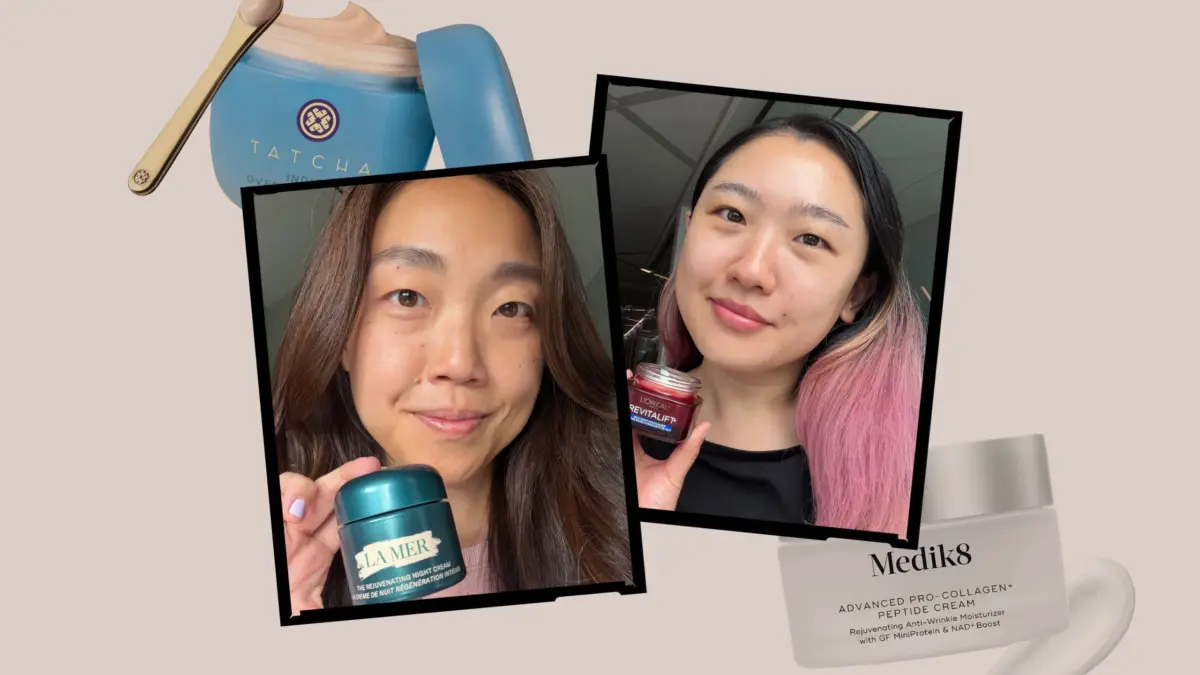
The most prominent difference between a night cream and its daytime counterpart usually comes down to texture and moisture delivery. When consumers see a product specifically marketed as a night cream, they are generally looking at a significantly richer, heavier formulation.
"The biggest difference when you see something marketed as a night cream is that it’s thicker," explains Dr. Saedi, a board-certified dermatologist. "Thicker creams are designed to be very hydrating and are often more occlusive, helping to prevent water loss from your skin as you sleep."
This heightened occlusive quality is vital because the skin undergoes specific physiological changes overnight. Transepidermal water loss—the natural process by which water passively evaporates from the skin into the surrounding environment—can increase significantly while a person sleeps. Because the skin barrier experiences this heightened rate of moisture depletion during the overnight hours, nighttime skincare strategies must pivot toward locking in hydration.
"We lose water in the skin at night, so nighttime is all about locking in moisture," notes Dr. Mona Gohara, a board-certified dermatologist based in Hamden, Connecticut.
In contrast, day creams are purposefully engineered to be much lighter. This lightweight quality ensures that daytime moisturizers can layer comfortably and seamlessly beneath cosmetics like foundation, as well as essential sun protection products such as mineral or chemical sunscreens. Furthermore, many day creams incorporate SPF directly into their formulas, offering built-in defense against ultraviolet radiation during waking hours.
Despite these distinct formulation strategies, experts note that the boundary between day and night creams is not entirely rigid. There is no strict rule dictating that a moisturizer labeled as a night cream must strictly be applied only after sunset. Unless a product contains active ingredients specifically optimized for nocturnal use—such as certain retinoids that can break down or cause sensitivity when exposed to sunlight—the distinction often comes down entirely to personal preference regarding how the formula feels and how it fits into an individual’s daily routine.
What Ingredients Should I Look for in a Night Cream?
Selecting the right night cream requires a clear understanding of individual skin needs, but dermatologists emphasize that every effective nighttime moisturizer should begin with foundational hydration and barrier reinforcement. The skin barrier acts as the body’s primary shield against environmental aggressors, irritants, and moisture depletion, making its maintenance paramount.
"Ceramides are great for barrier repair," Dr. Saedi points out. "They help strengthen the bonds between the cells in the top layer of your skin, which prevent moisture loss."
Beyond ceramides, skincare professionals frequently recommend looking for humectants—ingredients such as hyaluronic acid and glycerin—which function by drawing moisture from the surrounding environment and the deeper layers of the skin up into the surface cells, ensuring a plump and well-hydrated complexion by morning.
Once these foundational barrier-repair and hydrating elements are secured, consumers can tailor their night cream selections to target secondary skincare goals that can be safely addressed while resting.
"Night moisturizers sometimes also include ingredients for mature skin," Dr. Saedi says.
This customization might involve incorporating retinoids and peptides, which are widely studied for their ability to support collagen production and minimize the appearance of fine lines and wrinkles. Alternatively, individuals may look for night treatments containing gentle exfoliating acids designed to address uneven skin tone and rough texture over time. However, dermatologists advise caution when layering these active ingredients, noting that piling too many potentially irritating compounds into a single nighttime routine can overwhelm the skin barrier rather than healing it.
How Publication Testing and Review Processes Shape Consumer Choices
Navigating the crowded beauty landscape requires rigorous evaluation, a process that prominent beauty and lifestyle publications take seriously through structured editorial methodologies. When a publication like Allure assesses a beauty product, editors examine each item from multiple angles to provide comprehensive guidance to consumers. This evaluative framework involves reviewing ingredient lists, scrutinizing brand marketing claims, and, when necessary, examining peer-reviewed scientific and medical literature to substantiate product efficacy.
In addition to hands-on testing by editorial teams, these reviews rely heavily on insights from recognized authorities who shape their respective fields, including specialists in dermatology, cosmetic chemistry, and medicine, to help vet formulations and ingredient safety.
For comprehensive product roundups, such as lists identifying the best night creams on the market, editorial teams typically evaluate items across five primary categories: product ingredients and efficacy, packaging design, fragrance profiles, texture, and product wear over time. Products that successfully clear these hurdles are deemed to have excelled by an editorial team consisting of in-house writers, editors, and industry contributors, alongside specialized guidance from practicing dermatologists.
The Importance of Diverse Staff and Testers in Beauty Journalism
Because purchasing a beauty product is an inherently personal experience—whether a consumer is searching for a rich face cream to combat persistent dryness, a specialized nail treatment for a self-care routine, or a high-end hair diffuser—media outlets face a continuous responsibility to ensure their recommendations serve a broad audience. Ensuring that product recommendations resonate across diverse demographics requires a multifaceted approach to testing and reporting.
Industry experts emphasize that a skincare product cannot truthfully be deemed the "best" for specific populations, such as individuals over the age of fifty, if testing is limited to younger demographics. Similarly, a hair tool cannot be declared universally effective if it has never been evaluated across varied curl patterns and hair textures. Maintaining a diverse team of writers and editors, alongside a wide range of external product testers and industry experts, is widely considered essential to achieving fair and accurate assessments.
Publications that foster internal teams spanning various ages, skin tones, hair textures, genders, and backgrounds are better positioned to critically evaluate the wide array of beauty products that enter the market. This inclusive approach ensures that editorial recommendations are grounded in authentic, real-world experiences across diverse consumer needs, helping individuals make informed choices about the products they incorporate into their daily and nightly routines.