Designed to take roughly 15 minutes from start to finish, the project relies on basic household supplies and minimizes waste by repurposing worn-out denim. What sets the activity apart in the crowded field of children’s crafts is its emphasis on independence. With minimal adult supervision—primarily required for the initial cutting stages involving scissors—children can manage the entire process on their own, fostering a sense of accomplishment and creative autonomy.

The foundational idea is straightforward: take an old pair of denim pants or shorts equipped with pockets and carefully excise one of the pockets without damaging the fabric of the pouch itself. Crafters can choose to work with a small, front watch pocket to create a miniature accessory, or utilize the larger back pockets for a roomier pouch suitable for carrying small toys, craft supplies, or personal treasures.

Once the pocket has been separated from the garment, the edges are cleaned up with scissors, trimming as close to the structural seams as possible without compromising the pouch’s integrity. Depending on the desired aesthetic, makers can retain a flap of fabric positioned directly above the pocket to create a closure lid, or trim the excess material away for an open-top design.

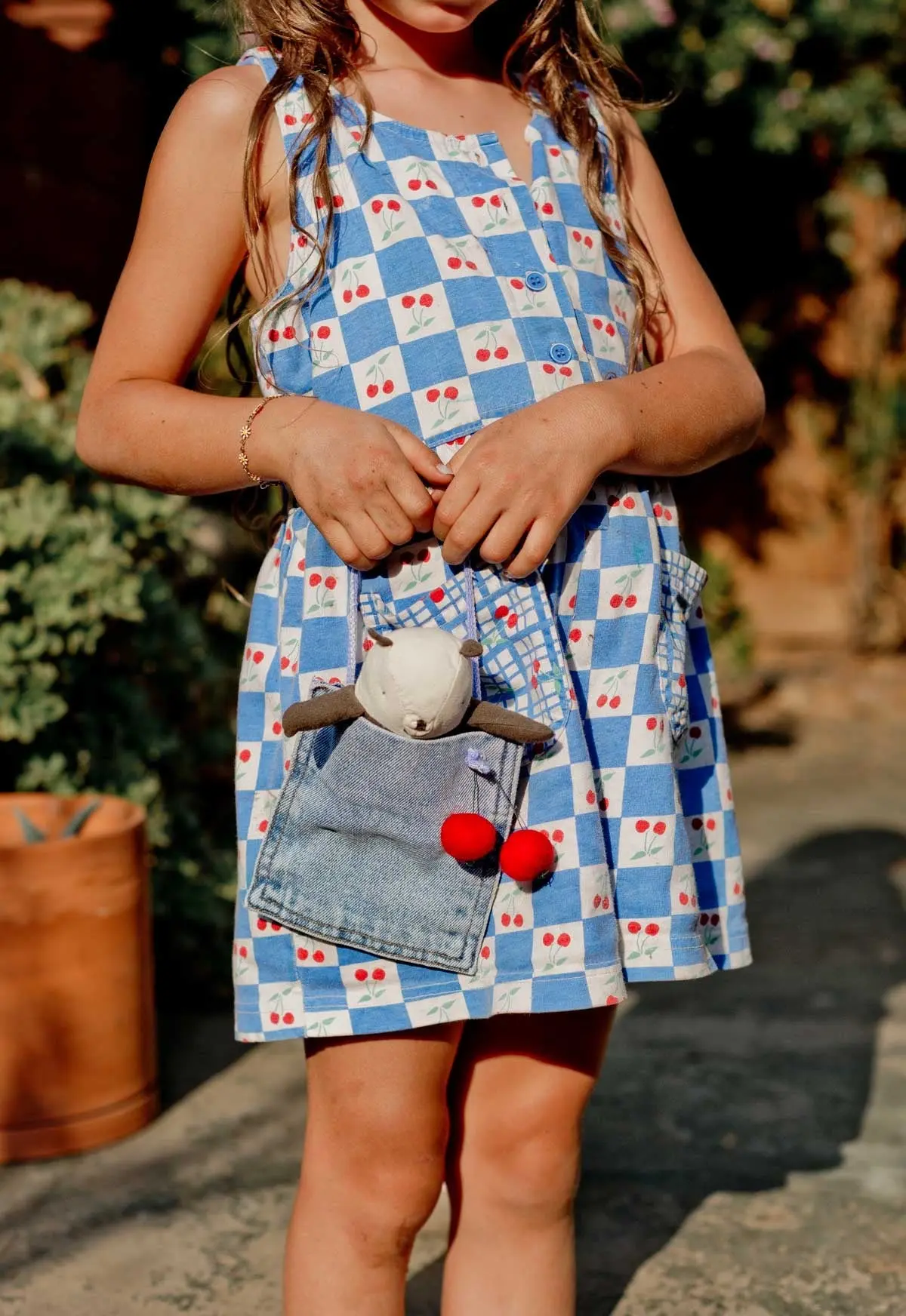
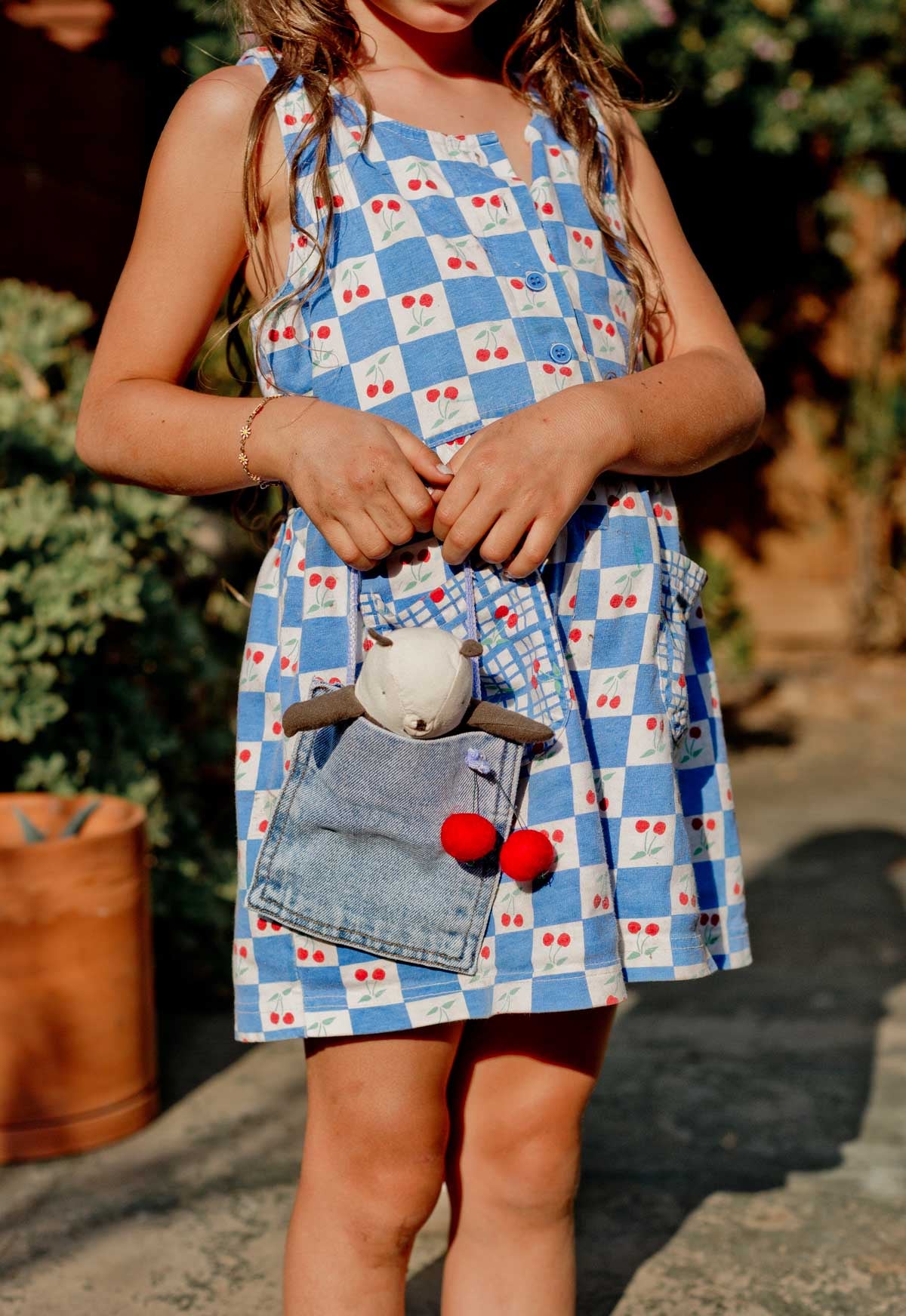
The final stages of the project encourage individual expression. Children can decorate their newly formed denim pouches using common craft materials such as fabric markers, paint, adhesive gems, or custom embellishments. For instance, some young crafters have experimented with whimsical details like felt-ball cherries constructed with wire stems, adding a playful touch to the durable denim base.

Adding a handle or strap requires minimal effort and offers flexibility based on available materials. Young makers can attach existing fabric scraps from the discarded pants by tacking them on with a needle and thread, or opt for an entirely no-sew attachment method by punching small holes into each end of the pocket pouch. By threading yarn, cording, or fabric strips through the holes and securing them with sturdy knots, the handle remains securely in place.

For children who prefer an alternative accessory style, the design easily converts into a fanny pack. By substituting the short handle with an elongated piece of cording, the denim pouch can wrap comfortably around the waist, adapting the finished piece to the user’s preference.

This latest project builds upon a broader trend of sustainable fashion and creative upcycling that has long characterized Brittni’s design portfolio. Previous iterations of denim-based crafts have included more complex undertakings, such as handmade denim clutches requiring a sewing machine, as well as customized apparel alterations like side-stripe pants and drop-hem jeans. However, the introduction of this streamlined, accessible technique provides younger audiences with an entry point into textile repurposing, demonstrating that old garments can find new life outside of traditional manufacturing and sewing rooms.