
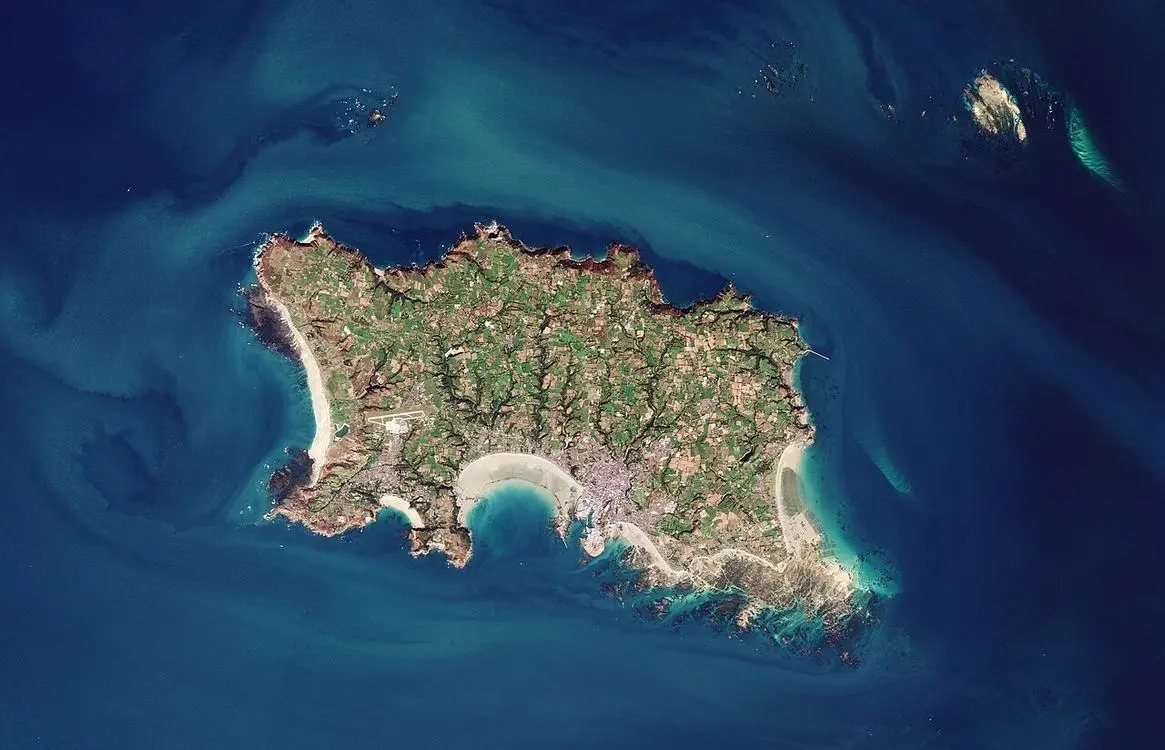
The freshly implemented measures target some of the most ecologically valuable, structurally complex, and vulnerable marine habitats situated off the coast of the Channel Island. By placing these vital zones off-limits to heavy commercial extraction, the island’s administration aims to secure the long-term ecological health of its maritime territory while balancing the economic realities of its local fishing industry.
For those unfamiliar with the island’s unique geopolitical standing, Jersey is a semi-autonomous micro-jurisdiction with deep Norman-British heritage. It is one of three territories designated as "Crown Protectorates" under the umbrella of the British Commonwealth, alongside Guernsey and the Isle of Man. Officially recognized as a "Bailiwick," Jersey maintains administrative autonomy over its domestic affairs, including its own environmental laws, fisheries regulations, and coastal management strategies. Because of its strategic geographic location in the English Channel—nestled between the southern coast of Great Britain and the northern coast of France—Jersey frequently consults and coordinates its maritime policies with both British and French officials to ensure regional cooperation.
The decision to expand the island’s marine protected areas follows years of scientific assessment and legislative planning. Mary Le Hegerat, Jersey’s Minister for the Environment, emphasized the profound ecological value of the surrounding waters, describing them as one of the island’s greatest natural assets. She noted that the structurally complex zones of ocean floor situated around Jersey serve vital biological functions, acting as essential feeding grounds, spawning areas, and nurseries for a wide variety of fish stocks and other marine species crucial to regional biodiversity.
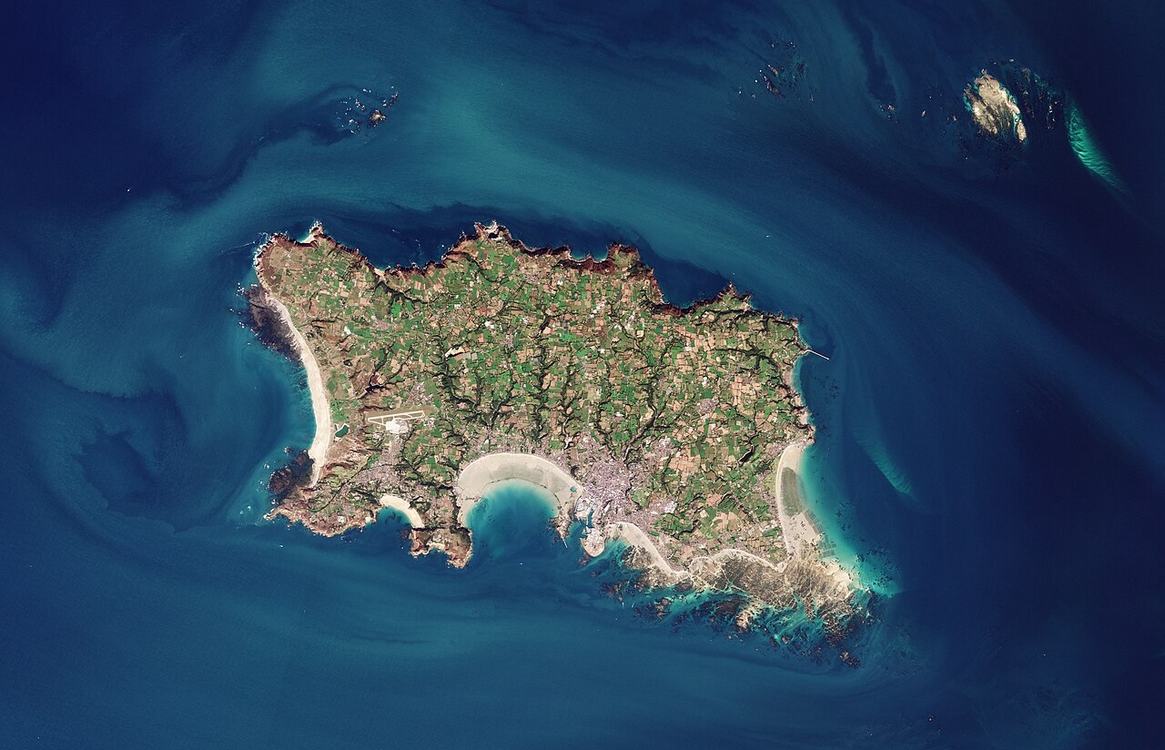
To ensure that the transition is managed fairly and effectively, the Jersey Government has been actively collaborating with members of the local fishing industry. Rather than cutting off fishers entirely, authorities are working to open up alternative fishing grounds located in areas less sensitive to ecological disturbance. The entire expanded network of protected areas will continue to be administered and monitored through the Bailiwick’s comprehensive Marine Spatial Plan. This forward-looking framework is carefully developed and maintained in close consultation with French authorities, reflecting the shared use of the surrounding English Channel waters.
Francis Binney, Jersey’s head of marine resources, underscored the long-term vision behind the policy shift. Protecting important marine habitats today helps ensure that Jersey’s waters remain productive, resilient, and biologically rich for future generations. At the same time, Binney acknowledged the economic pressures and operational challenges currently facing the commercial fishing sector, reiterating the government’s firm commitment to working hand-in-hand with fishers to build a robust and economically sustainable industry.
According to marine resource officials, the policy is not about pitting environmental conservation against commercial enterprise. Instead, the initiative is designed to ensure that Jersey maintains both thriving, healthy seas and a successful, enduring fishing industry for decades to come.
This balanced approach is supported by a growing body of global scientific observation. Research into marine protected areas around the world consistently demonstrates that safeguarding the richest and most ecologically sensitive marine environments tends to yield positive spillover effects. Over time, protecting these nurseries often results in an increase in fish populations within the adjacent, exploitable seas. In many cases, this enhanced productivity ultimately proves to be more economically valuable to the commercial fishing sector than leaving the sensitive breeding grounds completely open to continuous, unrestricted exploitation.
Through these new regulatory measures, the small island of Jersey has taken a notable, proactive step forward in regional marine conservation, demonstrating that localized governance can achieve meaningful environmental progress while respecting the heritage and livelihoods of coastal communities.