
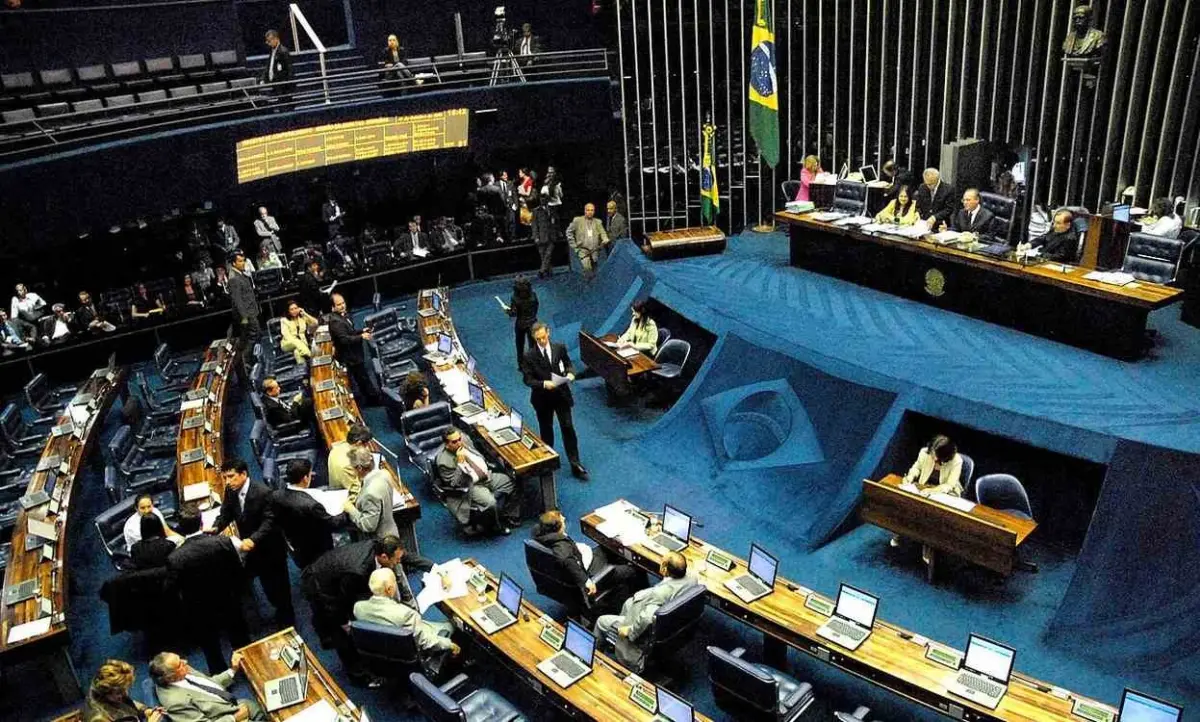
That historic paradigm shift arrived with the passage of the Proposed Amendment to the Constitution 221, widely known as PEC 221. This sweeping legislative measure places Brazil’s labor framework into alignment with international norms, establishing a standard 40-hour workweek and guaranteeing two days of paid time off for full-time employees. While the legislation mandates the two rest days, the specific scheduling of those days is left open to direct negotiation between labor unions and employers. Nevertheless, it is widely anticipated that most workers will successfully secure either Saturday or Sunday as their second day of rest, depending entirely on which day they were previously required to work under the old system.
The sheer cultural and social weight of this legislative victory was captured succinctly by Senate President Davi Alcolumbre during comments made to Brazil’s Courthouse News. Reflecting on the daily grind faced by millions of working-class citizens, Alcolumbre noted the profound impact the reform will have on ordinary lives. At first glance, he observed, a reduction in hours may seem like a subtle modification on paper, but for those who wake up before dawn, navigate crowded buses, complete grueling shifts, and return home late at night, the change is nothing short of enormous. In his view, securing one more day of rest fundamentally translates to more precious time spent with family, reducing burnout and improving overall quality of life.
The transition to the new labor standard is structured to be gradual, providing businesses and organizations with adequate time to adapt to the shifting operational landscape. Under the terms of PEC 221, the maximum workweek will initially drop from 44 hours to 42 hours, accompanied by the immediate introduction of the additional day off, which will take effect precisely 60 days following the official passage of the constitutional amendment. Exactly one year later, the mandatory cap will lower further to the final target of 40 hours per week. This carefully planned runway ensures that employers have ample time to reorganize corporate schedules, adjust shift patterns, or hire additional personnel in advance of the full implementation.
The path to this constitutional milestone involved both chambers of Brazil’s bicameral legislature. The lower house of the Brazilian Congress passed an identical version of the reform measure back in May. According to the country’s constitutional separation of powers regarding this specific legislative pathway, cases of this nature do not require a formal executive signature from the presidency to become law. Consequently, the passage through the Senate marks the final hurdle, meaning the legislation will come straight into effect without the need for further presidential sign-off.
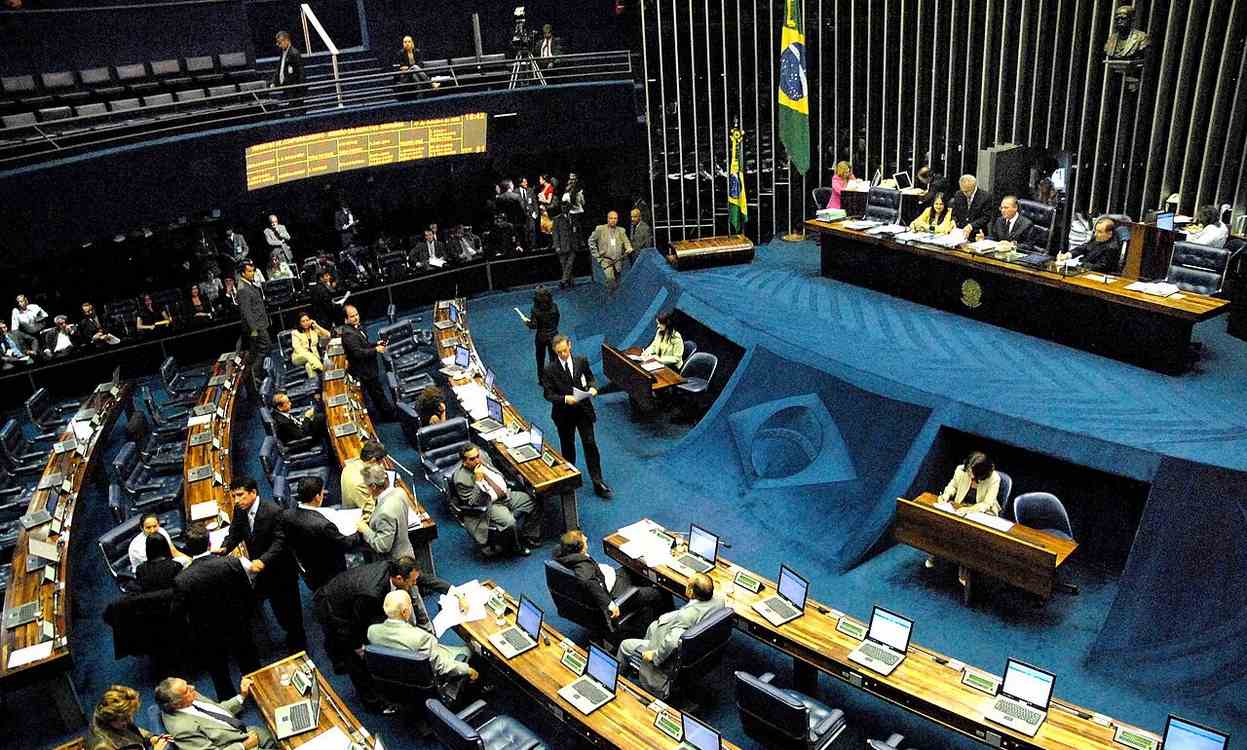
Even so, the lack of a required executive signature was largely a procedural technicality, as the constitutional amendment enjoyed formidable, bipartisan backing across the political spectrum. PEC 221 received robust support from both the incumbent presidential administration and its chief political opponent. In a striking display of national consensus, the rival candidate even attended the crucial Senate hearing via an online video link to cast a definitive vote in favor of the measure, doing so just eleven days before a high-stakes second-round election. This rare alignment of political forces underscored how deeply resonant labor reform has become among the Brazilian electorate, transcending traditional partisan divides.
The road to PEC 221 has been exceptionally long in the making. The constitutional amendment was originally introduced nearly half a decade ago in 2019. In its earliest iterations, the proposal was even more ambitious, seeking to shrink the traditional workweek down to 34 hours. As the legislative process unfolded, the proposal was subsequently adjusted upward to a more economically sustainable 40 hours, which nonetheless still represents a significant reduction from the longstanding 44-hour baseline.
Labor historians and policy analysts point out that this reform marks the first time the Brazilian legislature has altered mandatory labor hours since 1988. It was during that pivotal year, following the end of military rule and the drafting of the current federal constitution, that full-time working hours were last reduced, dropping from a grueling 48 hours down to the 44-hour standard that has persisted for more than three decades.
The persistence of the six-day workweek has long been a subject of economic and social debate across various parts of the developing and developed world. While many Western nations transitioned to five-day models decades ago, several prominent East Asian economies—famous for their highly productive yet intensely demanding work cultures—have historically maintained six working days. Nations such as Singapore and Japan have long utilized six-day frameworks, though the exact application has increasingly varied depending on the specific industrial sector, corporate culture, and modern legislative adjustments tailored to combat burnout and promote workforce wellness.
For Brazil, stepping away from the six-day model represents not only a modernization of its economy but also a profound acknowledgment of the human cost associated with perpetual labor. As employers begin preparing for the 60-day countdown to the initial reduction in hours and the granting of an extra day of rest, millions of workers across South America’s largest nation are preparing to experience a transformed daily reality—one where the weekend is no longer a luxury reserved for a fortunate few, but a constitutional right guaranteed to all.