However, industry experts and hardware manufacturers note that these capabilities represent more than just the next logical evolution of software. When implemented improperly, autonomous AI agents can introduce severe security vulnerabilities. Unlike standard applications, AI agents are specifically designed to operate with a high degree of autonomy. To function effectively and execute multi-step workflows, these programs frequently require near-total access to a user’s host device and its underlying data architecture.
A growing number of early adopters are willingly granting these automated agents comprehensive access to their personal computers. This level of access often includes sensitive local files, personal messages, saved browser passwords, and active user accounts. Entrusting an autonomous software model with such expansive permissions carries immense risk, particularly given how easily malicious actors can manipulate these systems. Security researchers have repeatedly demonstrated that automated agents can be compromised via indirect prompt injection—a technique where hidden, malicious instructions are embedded within ordinary web pages or documents. When an AI agent ingests this poisoned data during routine web browsing, it can inadvertently execute unauthorized commands, potentially handing malicious actors the keys to sensitive personal accounts, financial portfolios, and private communications.
Apple Responds to the Rising AI Agent Trend
Against this backdrop of escalating security concerns, Apple finds itself in a unique and delicate position within the broader technology ecosystem. Historically, the company has positioned itself as a late entrant to the consumer software-side generative artificial intelligence boom, rolling out its foundational AI-powered Siri integrations only recently. Yet, Apple’s hardware business has flourished immensely amidst the broader artificial intelligence craze.
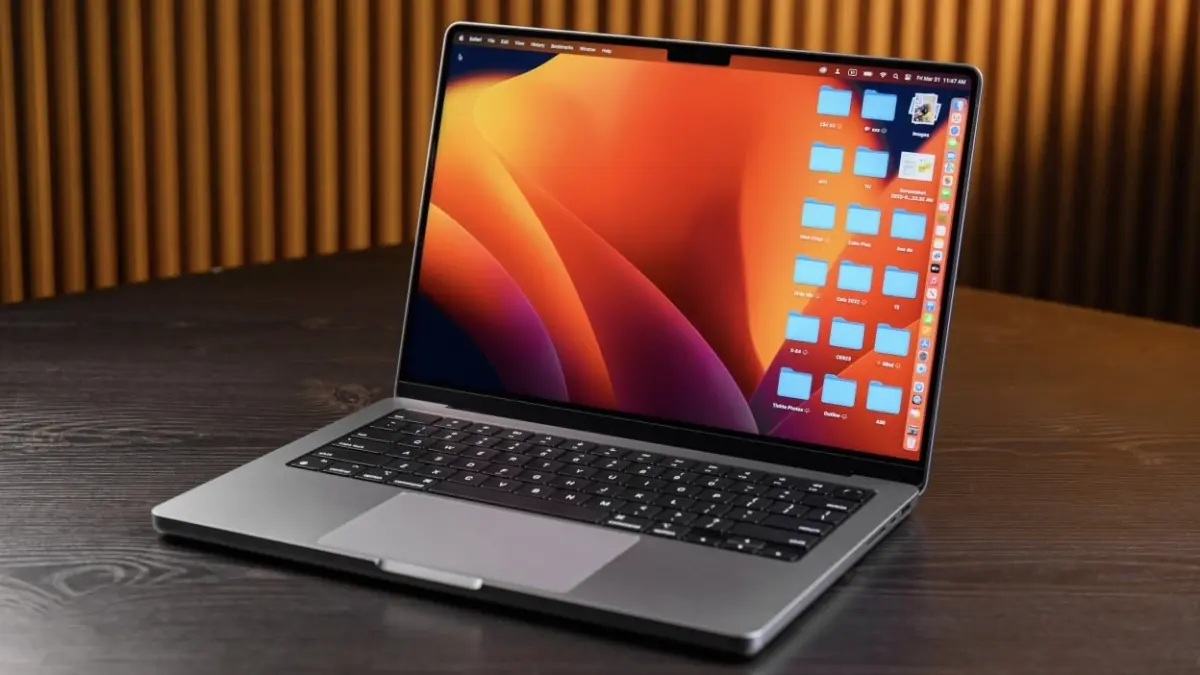
When the modern AI agent trend first gained momentum through experimental projects and community-driven tools, consumers purchased Apple’s Mac hardware—particularly the compact Mac Mini—in droves to serve as local hosting hubs for resource-heavy models. Today, Apple markets its Mac lineup with advanced artificial intelligence capabilities firmly at the forefront. While Apple largely avoids offering proprietary large language models that directly compete with offerings from OpenAI or Anthropic, the company benefits significantly from selling the high-performance hardware required to run these third-party programs locally.
This dynamic appears to have heightened Apple’s vigilance regarding the data privacy and security implications of running autonomous third-party software. Known globally for its rigorous stance on user privacy, Apple has watched as enthusiastic consumers willingly hand over root-level control of their macOS environments to automated software agents.
Recognizing these compounding risks, the company recently published a formal update on its developer forum titled "Updates to Full Disk Access in macOS." In the communication, Apple explicitly highlights the growing dangers associated with developers prompting everyday users to grant "Full Disk Access" permissions to third-party applications.

The Debate Over Full Disk Access in macOS
According to Apple’s developer guidance, the Full Disk Access permission mechanism within macOS has historically been reserved for specialized utility software, such as system backup applications. These backup utilities genuinely require unfettered access to an entire storage drive in order to function properly—after all, a system backup tool cannot secure an entire Mac if it is restricted from reading core directories.
However, Apple’s recent forum post points out a troubling industry shift: an increasing number of modern software developers are demanding that users grant Full Disk Access to general-purpose applications, including autonomous AI agents. These applications routinely request the ability to scan and modify everything on a Mac, encompassing private messaging databases, email archives, browsing histories, and localized document stores, often without the user fully grasping the security consequences.
Furthermore, Apple emphasizes that the privacy implications of granting such expansive permissions extend far beyond the individual device owner. When communication applications or connected agents demand Full Disk Access, they inherently compromise the privacy and data security of friends, family members, and colleagues who communicate with the device owner, exposing vast webs of interpersonal correspondence to external software processes.
To combat this trend, Apple is actively working on structural system changes. While comprehensive technical details remain sparse, the company has announced plans to introduce additional administrative controls within future macOS iterations. These upcoming safeguards are designed to ensure that users who genuinely choose to grant an application this extraordinary level of system access can only do so through deliberate, highly explicit user verification actions.
Industry analysts anticipate that this will translate into a more friction-heavy permission architecture. In future versions of macOS, users who install advanced AI agents or automated assistants may find themselves required to navigate a rigorous series of system warnings and explicit security prompts designed to confirm that they fully understand the implications of exposing their entire operating system environment to an autonomous AI model. Apple maintains that implementing these barriers is crucial, especially as the capabilities of autonomous AI agents continue to advance rapidly.
Broader Industry Risks and the Path Forward
The mounting friction between autonomous software agents and foundational operating system security underscores a broader reckoning across the technology sector. In the early stages of the local AI agent movement, installation typically required a notable degree of technical proficiency, command-line interaction, and manual configuration. This inherent barrier to entry meant that users deploying these tools generally understood the underlying risks or deliberately accepted the security tradeoffs involved.
Today, as software companies package these powerful tools into polished, consumer-friendly applications that can be installed with a single click, the barrier to entry has vanished entirely. Everyday consumers can now deploy sophisticated autonomous agents without possessing the technical background required to evaluate potential system vulnerabilities or data exposure risks.
As the technology industry grapples with the broader societal and security implications of advanced artificial intelligence—with major AI firms publicly acknowledging the profound risks their systems pose to digital infrastructure and data integrity—hardware manufacturers are under increasing pressure to act. By tightening system-level permissions and introducing stricter administrative guardrails, companies like Apple are attempting to establish a protective barrier between consumer devices and the growing wave of autonomous software, ensuring that users retain ultimate control over their personal digital environments.