According to data compiled by the ALA’s Office for Intellectual Freedom, the organization tracked 4,235 challenged book titles in the previous year alone, marking the second-highest total on record. While this climate of heightened scrutiny and institutional censorship comes as little surprise to observers of contemporary cultural debates, the breadth, depth, and specific content of the newly released 35-year retrospective list offer a remarkable window into the evolving targets of literary restriction.
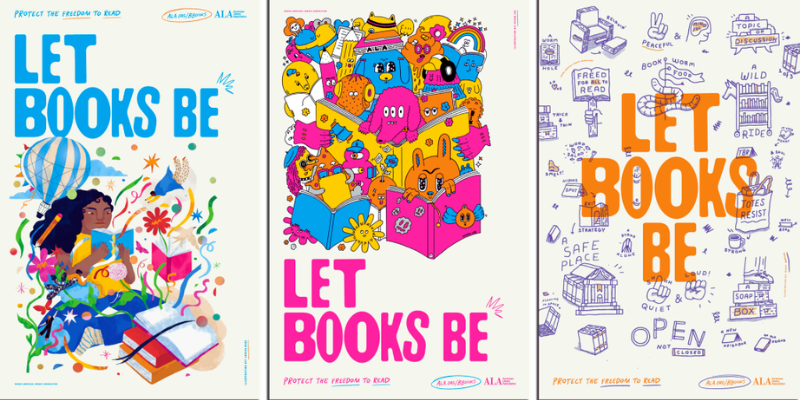
The ALA’s data provides a detailed breakdown of the titles that have faced the most consistent opposition over the last three and a half decades. Spanning multiple genres, age categories, and historical periods, the list reveals that efforts to suppress literature have targeted both enduring literary canons and contemporary bestsellers, touching everything from children’s picture books to complex adult fiction.
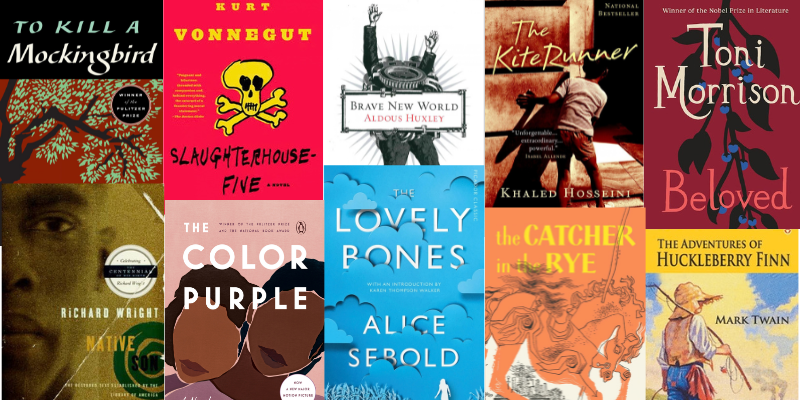
Among the 150 titles, the list features 20 adult classics, defined by the ALA as canonized novels originally written for an adult readership. This category includes many familiar titles that have long been lightning rods for controversy, such as Harper Lee’s classic novel of racial injustice in the American South, To Kill a Mockingbird, and Maya Angelou’s powerful autobiographical work I Know Why the Caged Bird Sings. Other frequent targets on the list include the works of J.D. Salinger, Mark Twain, Richard Wright, Toni Morrison, and Aldous Huxley.
Yet the inclusion of certain contemporary titles among the top-banned adult works highlights how modern themes continue to provoke aggressive pushback from censors. Contemporary works like Yaa Gyasi’s sprawling historical novel Homegoing and Sara Gruen’s bestselling novel set against the backdrop of a Depression-era circus, Water For Elephants, have also accumulated high numbers of challenges, illustrating that institutional discomfort extends to narratives exploring complex emotional migration and historical trauma.
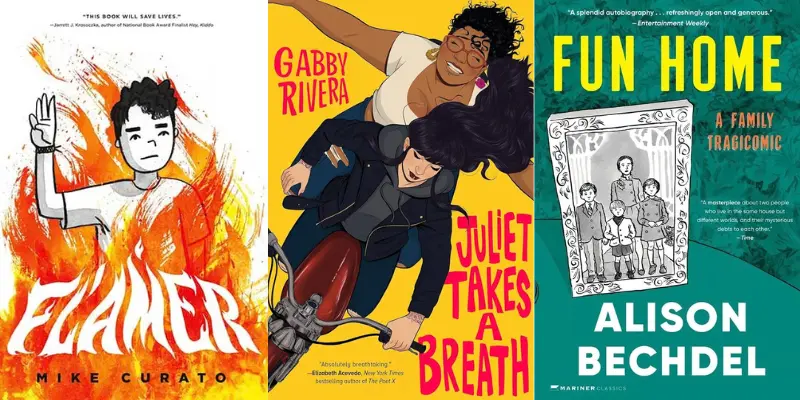
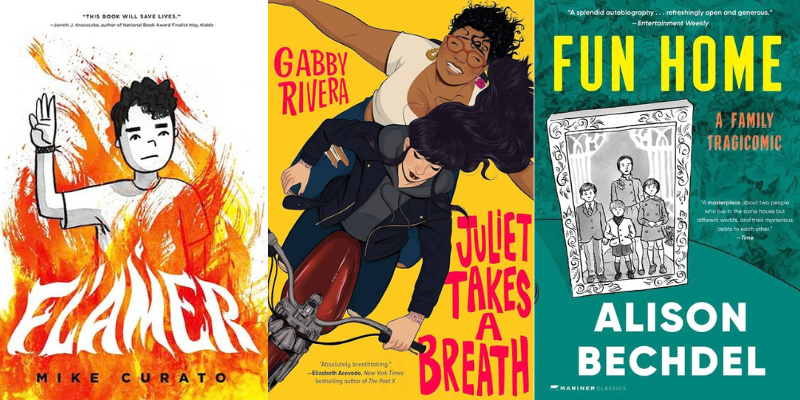
The data also captures the rising prominence of graphic novels as a frequent target for censors. Although graphic novels represent a relatively modern category within library collections, illustrated storytelling has faced disproportionate scrutiny. The ALA notes that illustrated bodies and visual narratives appear to trigger even more alarm among censors than text-based descriptions alone.
The list of challenged graphic novels includes works by prominent creators such as Alison Bechdel, Gabby Rivera, and Craig Thompson. Notably, the graphic novel adaptation of Margaret Atwood’s dystopian classic The Handmaid’s Tale—a novel that has independently faced numerous challenges over the decades—found itself catching double fire in both its original prose and adapted visual formats.
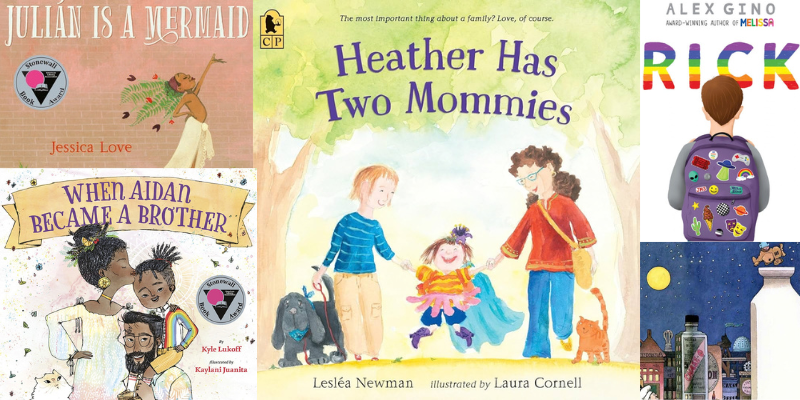
Children’s and middle-grade literature has likewise experienced sustained pressure. The ALA’s compilation includes 11 children’s and middle-grade titles, the majority of which center around themes of gender identity and exploration, such as Jessica Love’s picture book Julián Is a Mermaid. Other children’s titles, such as Justin Richardson and Peter Parnell’s And Tango Makes Three, have faced challenges for affirming diverse family structures, including same-sex households.
The list also features recurring older titles, such as Maurice Sendak’s classic children’s book In the Night Kitchen. Decades after its initial publication, brief depictions of cartoon nudity within the story continue to draw objections from critics, demonstrating that historical sensitivities surrounding children’s literature persist across generations.
Perhaps the most striking finding in the ALA’s data is the overwhelming concentration of challenges directed at younger readers. Of the 150 books on the list, 81 are young adult (YA) titles, indicating that the vast majority of banned books tracked since 1990 were written explicitly for a teenage audience.
Within the young adult category, thematic analysis reveals that content related to gender and sexuality has consistently triggered more challenges than books dealing with other difficult subjects, such as gun violence, racial violence, mental illness, substance abuse, the immigrant experience, or supernatural themes. This hyper-focus has turned certain authors into repeat targets. Fourteen separate books by young adult author Ellen Hopkins have made the list, while author Lauren Myracle has seen six of her titles face formal challenges.
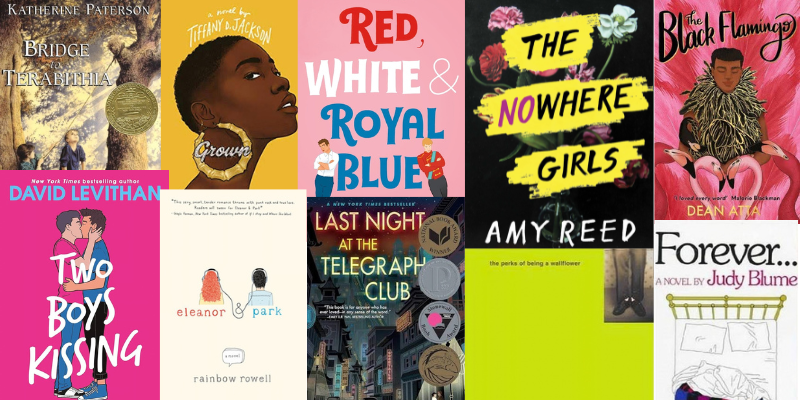
The young adult category also features a surprisingly strong presence of historical fiction, including Malinda Lo’s acclaimed novel Last Night at the Telegraph Club, as well as commercially driven, contemporary drama series like Cecily von Ziegesar’s Gossip Girl franchise, which has faced criticism for its materialistic and provocative portrayals of adolescent life.
A newer and rapidly expanding category represented on the list is "romantasy"—a hybrid genre blending romance and fantasy. Sarah J. Maas leads this category with nine of her books appearing on the most-banned list. Other notable entries in this space include Cassandra Clare’s bestselling novel Clockwork Princess, the final installment of her Infernal Devices trilogy, which has generated significant historical controversy.
Memoirs and autobiographical works also hold a notable place on the list, with eight titles featured. These books typically address sensitive personal experiences such as sexual violence, abuse, religious trauma, and the process of coming out. Despite the deeply personal nature of these accounts, autobiographical narratives represent a smaller fraction of the overall list than might be expected given their capacity to challenge prevailing viewpoints.
Rounding out the ALA’s 150-title roster are five puberty guides, one anti-racist handbook, and six miscellaneous titles that resist easy categorization, including poetry collections by Rupi Kaur and compilations of ghost stories. Library advocates suggest that these diverse inclusions point to an underlying lack of consistency among book banners, where challenges are often driven by broad anxieties rather than uniform standards.
The complete list of the 150 most banned and challenged books of the last 35 years is available through the ALA’s dedicated project website, alongside resources for readers seeking to understand and support the right to read.