The narrative traces its roots back to Tokyo, where a seven-year-old Rika was reveling in the simple, exhilarating joy of childhood: receiving a brand-new bicycle. Eager to test out her latest possession, she quickly realized that this machine was significantly faster than anything she had ridden before. Headed toward a local park, her afternoon took a harrowing turn when she discovered a terrifying mechanical flaw—the new bicycle’s brakes were completely non-functional. Unable to slow her momentum, she careened uncontrollably forward until she collided directly with a park wall.
The impact sent her tumbling to the ground, resulting in an immediate and painful injury to her foot. As the minutes ticked by, the trauma of the impact began to manifest physically, with her young foot rapidly turning a bruised, alarming shade of purple. Stranded, injured, and frightened, she caught the attention of a passerby. In her youthful assessment, the man cut an intimidating figure: he was tall, powerfully built, and dressed impeccably in a business suit, radiating an air of authority and importance that initially made her hesitant to trust him.
However, any initial apprehension melted away the moment he spoke. "Are you OK?" he asked, his voice carrying a warmth, gentleness, and sincerity that immediately reassured the young girl. As Matsuda later recalled through a Japanese-to-English translator for KUOW, his comforting tone made it instantly clear that he was a genuinely kind human being.
Moving into action, the stranger gently helped the shaken seven-year-old to her feet. Recognizing the need to clean her wound, he escorted her to a nearby park water fountain, carefully washing the bleeding cut on her foot. Sensing that she needed to contact a family member, he went a step further, generously lending her his personal mobile phone so she could call her grandfather.
As they waited together for her caretaker to arrive, the stranger sought a way to ease her lingering distress and distract her from the throbbing pain in her foot. Drawing upon a traditional art form that feels straight out of classic Japanese cinema, he produced a crisp, plain sheet of white paper and began demonstrating the delicate craft of folding an origami crane.
"He was really good at folding origami, and he taught me the right way to make a clean and beautiful crane," Matsuda recalled during her interview with KUOW. Reflecting on the gesture years later, she noted that his primary intention in that quiet moment may well have been to give her an engaging puzzle to focus on, allowing her mind to wander away from her injured foot and the shock of the crash.
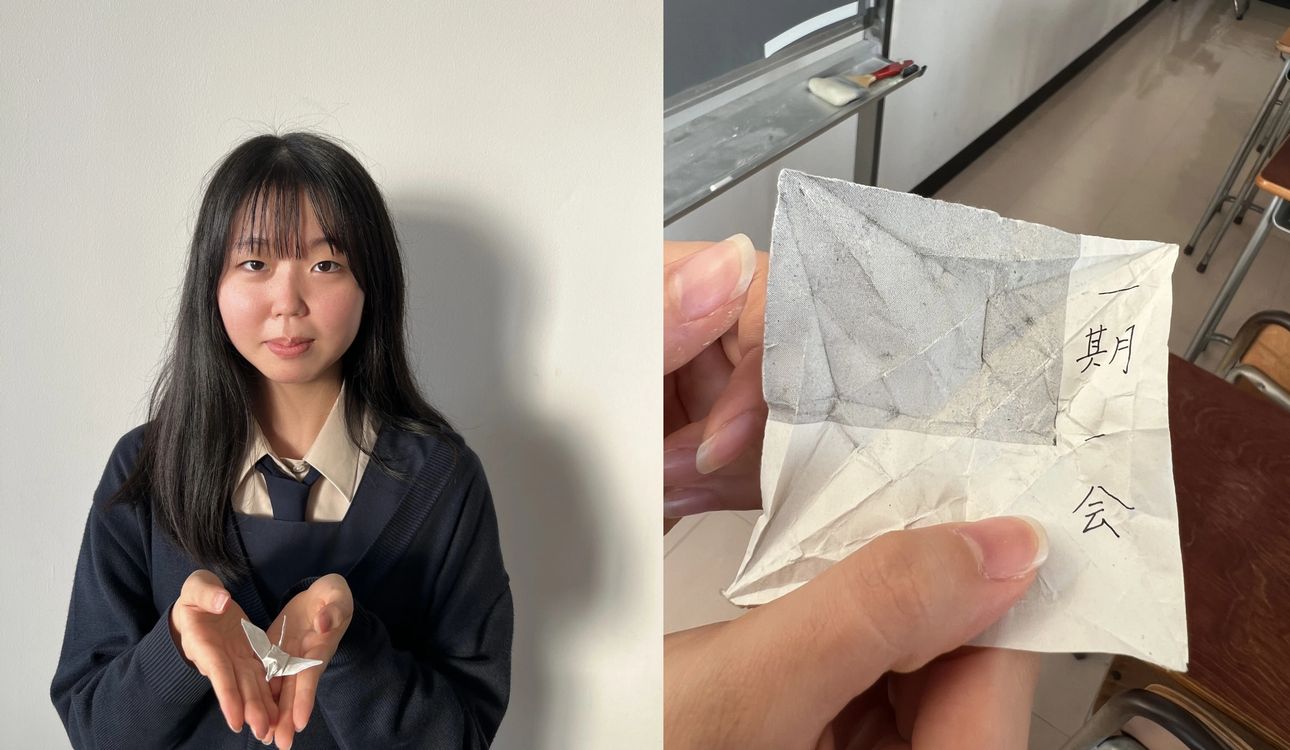
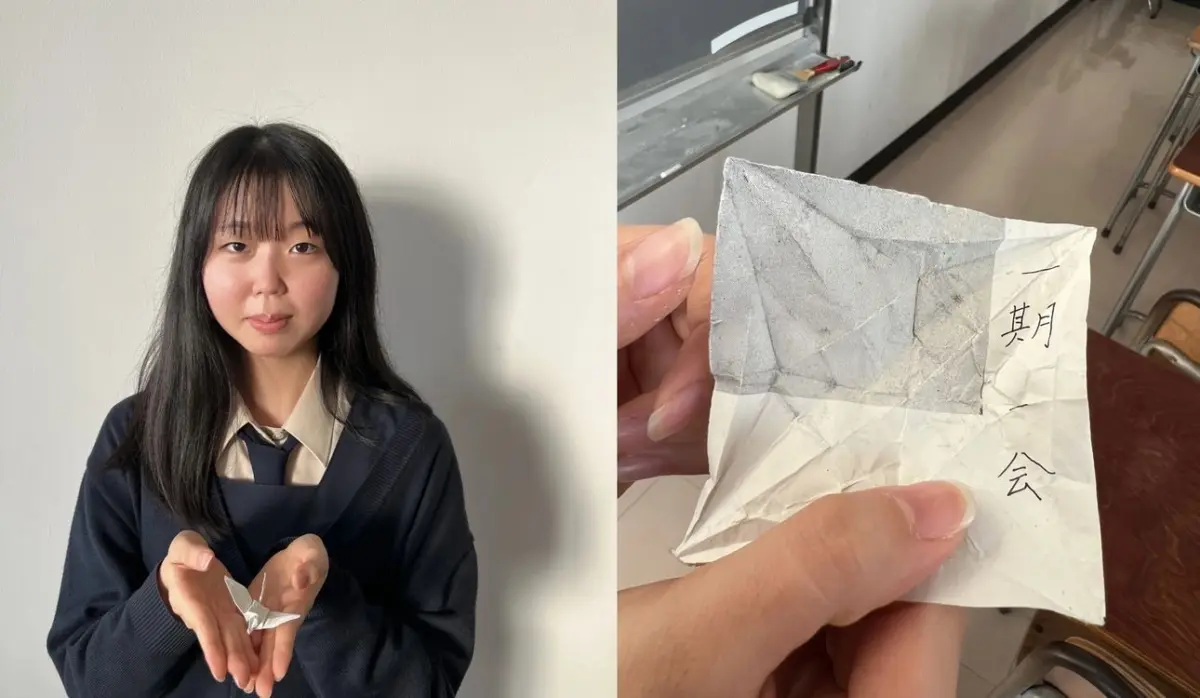
When Matsuda’s grandfather finally arrived at the park, the helpful stranger assisted in gathering the damaged bicycle and ensuring that the rattled young girl and her guardian were safely prepared for the journey home. But before their paths parted for good, the man offered one final, silent gesture. He handed the freshly folded white paper crane directly to Rika without uttering another word, before stepping back into anonymity. He dissolved first into the bustling crowds of the city and eventually into the quiet archives of memory.
Yet, despite the passage of time and the absence of any identifying details about the man, the memory refused to fade. It lived on tangibly through the white paper crane itself. Matsuda kept the delicate creation on her desk day after day, year after year. Whenever her eyes drifted toward the paper bird, she was instantly reminded of the stranger’s unexpected compassion during a moment of childhood vulnerability.
A full decade slipped by. Matsuda grew from a frightened seven-year-old into a high school student sitting in an English class. Her teacher, Benjamin Johnson, integrated the NPR "My Unsung Hero" series into a classroom writing workshop, challenging each student to recall and detail a personal encounter with a Good Samaritan. It was this academic assignment that suddenly thrust her thoughts backward across the years, leading her memory straight back to the origami crane sitting quietly in her room.
Although ten years of life had naturally blurred some of the finer details of the afternoon at the park, the core of the memory remained crystal clear: the towering man in the suit, the painful bike crash, and, above all, the enduring kindness she had experienced. As she sat in her classroom thinking about the assignment, a sudden, powerful curiosity seized her. For the very first time in ten years, she felt an overwhelming urge to unfold the paper crane to see if the stranger had left anything hidden within its intricate folds.
The journey home from school that day took on a swift, purposeful pace. Upon bursting through the door of her room, Matsuda went straight to her desk and carefully, meticulously began to unfold the crisp white paper. Just as an instinctive premonition had suggested, a secret message was waiting for her inside.
Written across the paper were two characters representing a well-known Japanese idiom. Translated into English, the message carried a profound philosophy regarding human connection: "We should treasure each time we cross paths with someone because it might never happen again." More simply put, the stranger’s message served as a timeless reminder to "cherish the moment."
The discovery of the hidden inscription cast a brilliant new light on the encounter from her childhood. "Then I realized even more how kind and how nice of a man he was," Matsuda reflected, finally recognizing the full scope of thoughtfulness behind the anonymous gift left by a true unsung hero.